
Pruning
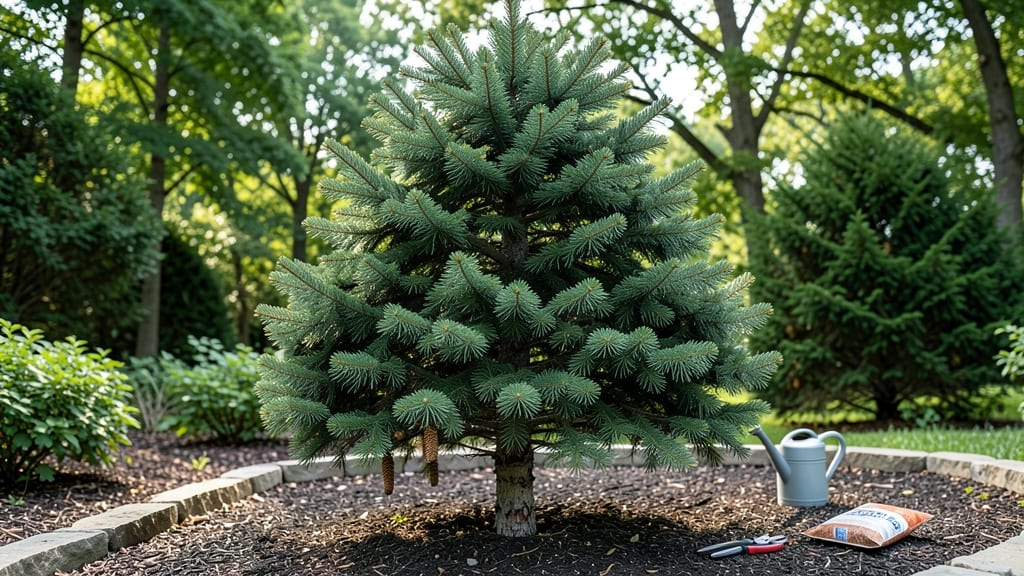
Pruning a Korean fir tree (Abies koreana) keeps its signature blue-green needles sharp and its frost-resistant form perfect year-round—especially in the Pacific Northwest’s damp winters. 🌲 I’ve pruned mine for five seasons, and the difference between a scraggly mess and a showstopping evergreen comes down to timing, technique, and a few simple tools.
The key is working with its natural growth habits: Korean firs grow slowly, so you’ll only need to shape them every 2-3 years unless you’re correcting major issues. Grab a pair of clean, sharp bypass pruners (dull blades tear needles) and a ladder—these trees can reach 15-20 feet tall.
Focus on removing dead branches first, then thin out crowded growth from the inside to let light reach the center.
What you’ll end up with is a tree that looks like it belongs in a botanical garden, not just your backyard. The velvety blue-green needles stay vibrant even after heavy frost, and the dense branches create that classic conical shape that’s so prized.
Plus, you’ll avoid the common pitfall of leggy growth that makes trees look sad and sparse.
This method works for both young saplings and mature specimens, though established trees need gentler pruning to avoid stress. Whether you’re correcting winter damage or just keeping it tidy, these steps will give you a Korean fir that’s the envy of the neighborhood—and stays that way for decades.
📚 In This Guide
- What you need
- Instructions
- Tips and common mistakes
- Wrapping up and next steps
What you need
- ● Pruning shears: Bypass shears (for small branches, 6–8 inches) – one pair (sterilize with rubbing alcohol between cuts!).
- ● Loppers: 8–10 inch bypass loppers (for thicker branches, ½–1 inch diameter) – one pair.
- ○ Pruning saw: Curved-tooth saw (for branches 1–3 inches thick) – one (optional but helpful for stubborn branches).
- ● Gloves: Heavy-duty gardening gloves (cut-resistant, size medium/large) – one pair (safety first!).
- ● Disinfectant: 70% isopropyl alcohol or bleach solution (1 part bleach to 9 parts water) – small spray bottle or wipe.
- ○ Tree wound sealant: High-quality pruning sealant (optional but recommended for large cuts > ½ inch) – small jar.
- ● Ladder or step stool: Sturdy, extendable ladder (if tree is > 6 feet tall) – one (safety first—secure it to the tree!).
- ● Heavy-duty trash bags: For collecting pruned branches – 2–3 bags.
- ● Sharpie or label markers: Permanent marker for tagging branches if needed – one.
- ● Weather check: Prune on a dry, overcast day (avoid windy or rainy conditions).
- ● Safety gear: Safety glasses (to protect from debris) – one pair.
- ● Tree health assessment: Inspect the tree for disease or pests (e.g., spider mites, aphids) before pruning.
- ● Plan your cuts: Sketch a rough outline of your desired shape (or use a reference photo for inspiration!).
- ● Water: Small water bottle or spray bottle (to keep tools clean and hydrated).
- ● Extension pole pruners (for high branches without a ladder).
- ● Tree pruning rope (for stabilizing large branches).
- ● Camera or phone (to document before/after progress!).
- ● Compost bin (for repurposing small pruned branches).
Step-by-step guide for pruning Korean fir trees in the Pacific Northwest
Here's how I keep these frost-hardy evergreens looking their best year-round.
✂️ Step 1: Time Your Pruning for Optimal Growth
Prune Korean firs late winter to early spring—just as new growth begins—but avoid cutting after mid-April in the PNW. This timing lets the tree recover before summer heat stress. I wait until I see fresh, bright green growth at the tips before making any cuts. Never prune in fall or winter when the tree is dormant, as this can leave it vulnerable to frost damage.
If you must shape lightly for holidays, do it in late summer (August-September) when growth has slowed. Just avoid heavy pruning then—it disrupts the tree's winter hardening process. Your goal is to shape without stressing the tree during its most vulnerable periods.
✂️ Step 2: Use the Right Tools for Clean Cuts
Grab your sharp bypass pruners for branches under ½ inch thick and a pruning saw for anything thicker. Dull tools crush branches, leaving ragged cuts that invite disease. I always sterilize my tools with rubbing alcohol between trees to prevent spreading fungal spores.
Make cuts just outside the branch collar—the swollen area where the branch meets the trunk. Never leave stubs, as they can rot and attract pests. When shaping, cut at a 45-degree angle slightly above an outward-facing bud to encourage new growth in the right direction.
☀️ Step 3: Shape for Natural Balance and Sunlight
Step back and study the tree's natural shape before making any cuts. Korean firs grow in a conical form—preserve that silhouette by removing only the most errant branches. I start at the bottom and work upward, removing no more than 25% of the foliage in one session to avoid shocking the tree.
Focus on opening up the interior to allow sunlight to reach all branches. Thin out crowded areas by removing entire branches at their base rather than trimming back individual branches. This improves airflow and reduces disease risk. Watch for branches growing straight up—they're competing with the leader and should be removed entirely.
✂️ Step 4: Clean Up and Monitor Recovery
After pruning, rake up all debris and dispose of it in yard waste—never compost diseased branches. Water the tree deeply to help it recover, especially if you've done significant shaping. I give mine 1-2 gallons of water spread evenly around the root zone.
Monitor the tree for 2-3 weeks after pruning. New growth should appear within that time if conditions are right. If you see yellowing needles or wilting, it could mean over-pruning or stress. Korean firs are tough, but they need time to adjust—don't rush to prune again until the following year.
Tips & tricks for perfect Korean fir tree pruning
Here's what I've learned after years of shaping these resilient evergreens without stressing them.
Timing is Everything: The late winter to early spring window is critical because that's when Korean firs start their active growth cycle. I've learned to look for those first bright green tips—this is your cue that the tree is ready. If you see these before mid-April, you're golden. For holiday shaping in late summer, remember that growth has slowed but not stopped completely, so keep cuts minimal to avoid disrupting the tree's winter preparation.
Tool Selection Matters: Using the right tool for each branch size makes all the difference. I've ruined several cuts trying to force bypass pruners on branches thicker than ½ inch—they just can't handle it. Always sterilize your tools between trees to prevent spreading fungal spores that could weaken your fir. That rubbing alcohol wipe takes 30 seconds but saves you from potential disease issues down the road.
Shape with Purpose: When you step back to assess your tree, think about its natural conical shape. I always start at the bottom and work upward because that's where branches tend to get crowded and compete for sunlight. Removing entire branches at their base rather than trimming back individual branches opens up the interior beautifully while maintaining that natural silhouette. This approach also improves airflow, which is crucial for preventing fungal issues in our damp PNW climate.
Recovery Monitoring: That 2-3 week monitoring period is your chance to see if your pruning was successful. I've made the mistake of rushing back to prune again too soon, only to see the tree struggling. Watch for those new growth tips—if they're bright and healthy, you're on the right track. Yellowing needles or wilting usually means you took too much off or the tree is stressed from other factors like drought or poor soil.
Pro Tips for Korean Fir Tree
- Here's what I've learned after years of shaping these resilient evergreens without stressing them.
- Timing is Everything: The late winter to early spring window is critical because that's when Korean firs start their active growth cycle.
- Tool Selection Matters: Using the right tool for each branch size makes all the difference.
Frequently asked questions
Got questions about pruning your Korean fir tree in the Pacific Northwest?
You’re not alone! Here are some of the most common concerns—and straightforward answers—to keep your Abies koreana thriving year-round, even with frost.
When is the best time to prune a Korean fir tree in cold climates like the PNW?
The ideal window is late winter to early spring (February–March), when the tree is still dormant but before new growth starts. Avoid pruning in late summer or fall—this can stress the tree and leave it vulnerable to frost damage. Pro tip: If you must prune in winter, do it on a mild day to prevent shock.
How much can I trim back a Korean fir tree without harming it?
Korean firs are resilient, but never remove more than 25% of the foliage in a single pruning session. Focus on shaping by trimming back overgrown branches to the nearest bud or lateral branch. For dense growth, thin out a few branches completely to improve airflow—this also reduces frost buildup on needles.
Can I prune a Korean fir tree in summer if it’s looking messy?
It’s not recommended unless absolutely necessary. Summer pruning can stress the tree and make it more susceptible to Abies decline or frost damage. If you spot dead or diseased branches, remove them immediately, but otherwise, wait for winter dormancy. Pro tip: Use sharp, sterilized tools to prevent spreading sap-borne diseases.
What’s the difference between pruning for shape vs. pruning for health?
| Shaping Pruning | Health Pruning |
|---|---|
| Trims branches to maintain a desired form (e.g., rounded, conical). Focus on aesthetics and balance. | Removes dead, diseased, or crossing branches to improve airflow and reduce frost pockets. |
| Best done in late winter/early spring. | Can be done year-round if branches are clearly unhealthy. |
How do I protect a Korean fir tree from frost damage after pruning?
After pruning, avoid heavy watering in late fall/winter—wet needles freeze easier. Apply a 2–3 inch layer of mulch around the base (but not touching the trunk) to insulate roots. For young trees, consider burlap wraps or anti-desiccant sprays to protect foliage from drying winds. Pro tip: Prune before the first hard frost for best results!
Wrapping up and next steps
Pruning your Korean fir tree isn’t just about aesthetics—it’s a year-round commitment to its health, especially in the Pacific Northwest’s frost-prone climate. By mastering the right techniques, timing, and tools, you’ll ensure your tree stays lush, resilient, and stunning for decades.
Whether you’re trimming for shape, removing deadwood, or prepping for winter, every cut is a step toward a thriving, frost-resistant beauty. 🌲❄️
Ready to take the next step? Start small: pick one season to focus on—like late winter for major shaping or summer for light maintenance—and build your confidence. Before you know it, your Korean fir will be the envy of the neighborhood! Grab your tools and get pruning today.