Pruning
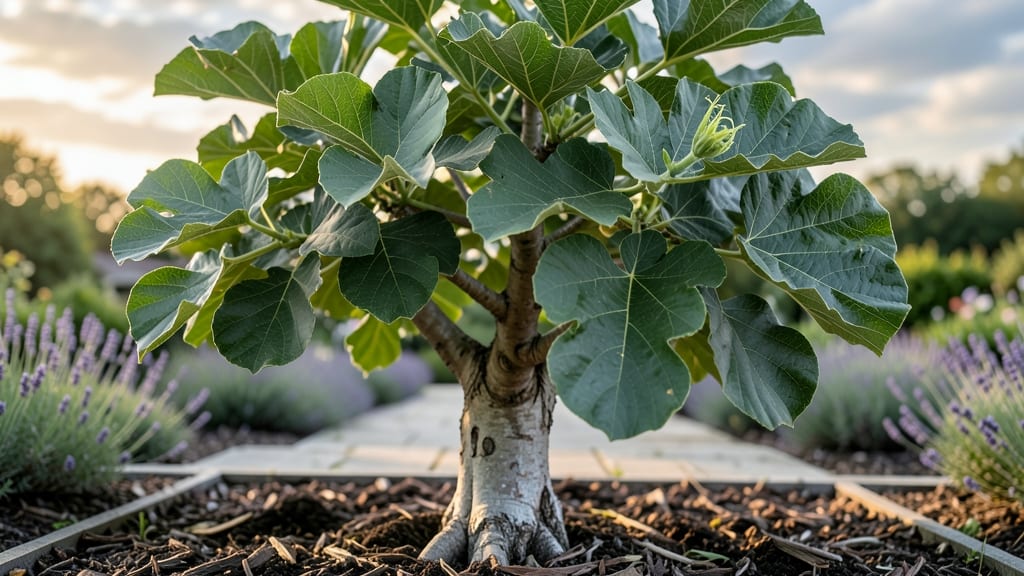
When spring arrives in the Pacific Northwest, your fig tree needs a careful pruning to bounce back from winter—especially if frost nibbled at its branches last season. I’ve learned the hard way that aggressive cuts in spring can stress the tree, so timing and technique matter more than enthusiasm.
The goal isn’t just shaping but preparing the tree to fruit heavily by summer, even after frost damage.
Start pruning after the last frost when new growth begins, usually by late April or early May in most PNW zones. You’ll need sharp pruners, rubbing alcohol to sterilize cuts, and a clear day to avoid spreading disease.
The key is removing only dead, crossing, or weak branches—never more than a third of the tree at once. This keeps the tree strong while encouraging new, frost-resistant growth.
What you’ll end up with is a bushier, more productive fig tree by mid-summer, with fewer weak spots where pests or frost can strike again. The new branches will be sturdier, and the tree will focus energy on fruit production instead of repairing old damage.
Plus, you’ll avoid the heartbreak of another frost-sensitive season.
This method works for both container-grown and in-ground figs, whether you’re dealing with a mature tree or a young transplant. The same principles apply if you’re in a similar climate—cooler, wetter springs need extra caution to prevent fungal issues. Let’s get those branches trimmed the right way!
📚 In This Guide
- What you need
- Instructions
- Tips and common mistakes
- Wrapping up and next steps
What you need
- ● Pruning shears (bypass) – Sharp, sterilized (7–10" blades, ideal for small branches). Pro tip: 💡 Disinfect with rubbing alcohol between cuts to prevent disease!
- ● Loppers – For thicker branches (18–24" cutting range). Bonus: Get a ratchet-style for extra leverage!
- ● Pruning saw – Heavy-duty (10–14" blade) for stubborn, 3"+ diameter limbs. Warning: 🔥 Never use a handsaw—it dulls too fast!
- ○ Gloves – Heavy-duty gardening gloves (nitrile-coated for grip + protection). Optional: Add wrist support if your tree’s thorns are fierce!
- ○ Disposable pruning sealant – Optional but wise for large cuts (>1" diameter) to prevent silver leaf disease.
- ● Ladder or step stool – Sturdy, 3-sided (for stability). Safety first: ✨ Always secure it to the tree or a non-slip surface!
- ● Trash bags – Heavy-duty (13-gallon) for debris. Eco-tip: 🌱 Chip pruned wood for mulch or compost!
- ● Notebook + pen – To map out cuts and track growth. Pro move: Sketch a quick diagram before you start!
- ● Anti-desiccant spray – Dormant oil or tree sealant (apply post-pruning to protect against Pacific Northwest frost).
- ○ Reflective mulch fabric – Optional for young trees in late-spring frost zones (lay around base to retain heat).
- ● Frost cloth – Lightweight frost blanket (for container-grown figs or tender varieties like ‘Brown Turkey’).
- ● Extension pole saw – For high branches without a ladder (12–16' reach).
- ● Pruning rope – 1/4" nylon to stabilize the tree while you work.
- ● Digital hygrometer – To monitor humidity levels (PNW’s damp springs can invite fungal issues).
Step-by-Step guide to reviving your fig tree after winter
Here’s how to wake up your Pacific Northwest fig tree safely after frost.
Inspect the Tree for Winter Damage
Start by examining the tree’s branches and trunk for signs of frost damage. Look for blackened or mushy areas on the bark, brittle twigs that snap easily, or branches with no buds. In the Pacific Northwest, fig trees often suffer from cold snaps, so don’t rush—wait until temperatures stay consistently above 40°F for at least a week before pruning.
Use your fingers to gently test the bark’s firmness. Healthy bark should feel firm and slightly springy, while damaged areas will feel soft or hollow. If you see any oozing sap or fungal growth, note those spots—they’ll need extra attention later. This step ensures you only remove what’s truly dead, preserving the tree’s energy for new growth.
Remove Dead or Damaged Branches
Using sharp, clean pruning shears, cut back any branches that show clear signs of frost damage. Make your cuts just outside the branch collar—the swollen area where the branch meets the trunk. This prevents tearing and promotes faster healing. If a branch is larger than ½ inch in diameter, use loppers instead to avoid crushing the wood.
Don’t worry about making the cuts perfect—focus on clean, angled cuts that don’t leave stubs. You’ll know you’ve removed enough dead wood when the tree’s structure looks open and air can flow freely through the canopy. This step reduces the risk of disease and helps the tree redirect its energy to healthy growth.
Thin Out Overcrowded Branches
Next, focus on thinning the tree’s interior to improve airflow and sunlight penetration. Remove branches that cross or rub against each other, as well as those growing inward toward the center of the tree. Aim to keep the tree’s shape balanced, with no single branch dominating the others. In the Pacific Northwest, where winters can be damp, good airflow is key to preventing fungal issues.
When thinning, prioritize branches that are thinner than ¼ inch in diameter—they’re easier to remove and less likely to leave large wounds. Step back occasionally to check the tree’s silhouette. You’re looking for an open, vase-like shape that lets light reach all parts of the canopy. This encourages even growth and better fruit production later in the season.
Shape the Tree for Strong Growth
Now, it’s time to shape the tree to encourage strong, upward growth. Focus on the main scaffold branches—the thick, sturdy limbs that form the tree’s framework. If any of these branches are weak or growing at sharp angles (less than 45 degrees from the trunk), consider removing them entirely. Strong branches should be at least ⅜ inch in diameter and spaced 12-18 inches apart along the trunk.
For the remaining branches, make small adjustments to guide their growth. You can use pruning shears to trim back the tips of overly vigorous branches, which helps redirect energy to the tree’s center. Avoid heavy pruning—never remove more than 25% of the tree’s foliage in one session. This ensures the tree doesn’t become stressed and can recover quickly.
Clean Up and Protect the Tree
After pruning, clean up all the debris from around the tree. Remove fallen branches and leaves, and sterilize your pruning tools with rubbing alcohol to prevent the spread of disease. In the Pacific Northwest, where humidity can linger, keeping the area clean reduces the risk of fungal infections.
Finally, apply a thin layer of mulch around the base of the tree, keeping it 3-4 inches away from the trunk to prevent rot. Water the tree deeply to help it recover from the pruning stress. Over the next few weeks, watch for new growth—this is your sign that the tree is healing. With proper care, your fig tree will bounce back stronger than ever.
Tips & tricks for perfect fig tree spring pruning
Reviving your Pacific Northwest fig tree after winter takes patience—and these tricks will help you avoid common mistakes while maximizing recovery.
Timing is Everything: The instructions mention waiting until temperatures stay above 40°F for at least a week before pruning, but here's the thing: this is non-negotiable. Cold snaps can still damage newly exposed wood, so check your local forecast for a consistent warm-up. I've seen trees struggle when pruned too early, so don't rush—better to wait an extra week than risk setting back your tree's recovery.
Branch Collar Technique: When making cuts in Step 2, focus on the branch collar—the swollen area where the branch meets the trunk. This isn't just about aesthetics; it's about the tree's natural healing process. Make your cuts just outside this collar, and you'll promote faster wound closure. For thicker branches over ½ inch, use loppers to avoid crushing the wood, which creates larger wounds that take longer to heal.
Visual Pruning Guide: In Step 3, when thinning branches, imagine you're looking at the tree through a window—you want to see light coming through the center. Remove branches that cross or rub against each other first, as these create entry points for disease. For branches thinner than ¼ inch, you can often snap them off by hand rather than cutting, which leaves a cleaner break and smaller wound. This open center shape is crucial for Pacific Northwest fig trees, where damp conditions can lead to fungal issues if airflow is restricted.
Scaffold Branch Check: During Step 4, when shaping for strong growth, pay special attention to your scaffold branches—the main structural limbs. These should be at least ⅜ inch in diameter and spaced 12-18 inches apart. I've found that branches growing at angles less than 45 degrees from the trunk are more prone to breaking in windy Pacific Northwest conditions, so consider removing these entirely. This structural integrity is what will help your tree withstand our region's often stormy springs.
Pro Tips for Fig Tree Spring
- Reviving your Pacific Northwest fig tree after winter takes patience—and these tricks will help you avoid common mist...
- Timing is Everything: The instructions mention waiting until temperatures stay above 40°F for at least a week before ...
- Branch Collar Technique: When making cuts in Step 2, focus on the branch collar—the swollen area where the branch mee...
Frequently asked questions
Got questions about reviving your fig tree spring in the Pacific Northwest? You’re not alone! Here are answers to the most common concerns—from timing to troubleshooting—so you can prune with confidence.
When is the exact best time to prune fig trees in spring?
The ideal window is after the last frost (typically late April–early May in the PNW) but before new growth emerges. Prune too early, and frost can damage tender shoots. Too late, and you’ll risk stressing the tree. Test soil temps: wait until they’re consistently above 50°F (10°C) for 3+ days.
How do I protect my fig tree from late frosts after pruning?
Cover young fig trees with frost cloth or a lightweight blanket if frost is forecasted within 2 weeks of pruning. Avoid plastic—it traps moisture and can burn leaves. For mature trees, focus on mulching the base with straw or wood chips to insulate roots. A hair dryer on low (yes, really!) can save tender buds in a pinch.
Can I prune a fig tree too aggressively in spring?
Over-pruning—cutting more than 25–30% of the canopy—can stress the tree, reducing fruit production. Prioritize removing dead wood, crossing branches, and shaping over drastic cuts. If your tree looks skeletal after pruning, it’s a sign you went too far. Pro tip: Thin out interior branches first to improve airflow.
Will pruning in spring affect my fig tree’s fruit yield this year?
Pruning stimulates new growth, but heavy cuts in spring may delay fruit production by 1–2 seasons as the tree recovers. For immediate harvests, opt for light maintenance pruning (removing only dead/diseased wood). If you pruned aggressively last fall, you’ll likely see plentiful fruit next year—patience pays off!
What’s the best alternative if my fig tree doesn’t recover after pruning?
If your tree shows no new growth 4–6 weeks post-pruning or develops blackened cankers, it may be infected or root-bound. Try these fixes:
- Fertilize: Use a balanced 10-10-10 fertilizer to boost recovery.
- Water deeply: Drought-stressed trees are vulnerable. Aim for 1–2 inches/week.
- Transplant: If roots are circling, repot or relocate the tree to fresher soil.
- Replace: If all else fails, propagate from a healthy branch or plant a new frost-resistant variety like ‘Desert King’ or ‘Chicago Hardy’.
How do I tell if my fig tree’s pruning cuts are healing properly?
Healthy cuts should seal over in 2–4 weeks with a smooth, slightly raised edge. Look for:
- No oozing sap (sign of disease).
- New growth at the branch collar.
- Avoid paint/sealants—they trap moisture and cause rot.
Wrapping up and next steps
Pruning your fig tree spring in the Pacific Northwest isn’t just about shaping—it’s about reviving and preparing for a thriving season.
By following the right timing, techniques, and tools, you’ll ensure your frost-resistant variety rebounds stronger than ever. Now’s the time to roll up your sleeves and give your tree the care it deserves!
Ready to take action? Grab your pruners, mark your calendar for early spring, and start pruning before new growth appears. Your fig tree will thank you with lush foliage and bountiful harvests! 🌱🍇