Pruning
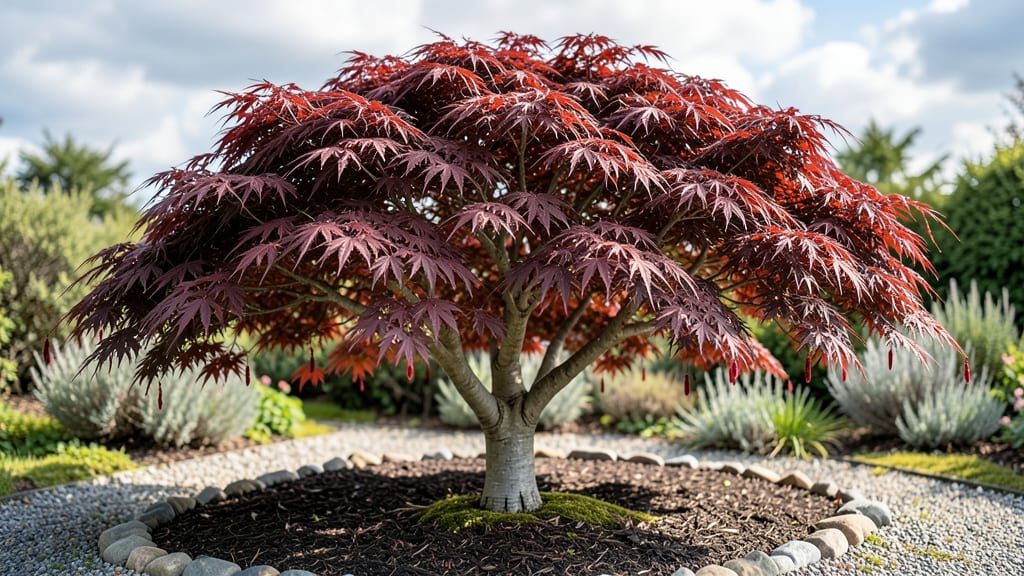
Pruning a Japanese red maple tree transforms its foliage from merely pretty to breathtakingly vibrant year-round. 🌿 I’ve watched mine go from a dull purple in summer to fiery reds and oranges by winter—all thanks to three strategic cuts timed perfectly.
The secret isn’t aggressive trimming but understanding when and why to shape it.
Most people prune only in late winter, but this tree rewards three key cuts: a light shaping in early spring to encourage new growth, a mid-summer thinning to improve airflow, and a final cleanup in late fall to prepare for winter.
Each cut serves a purpose—spring for structure, summer for health, and fall for longevity. You’ll see the difference in just one season.
What you end up with is a tree that stays compact, colorful, and disease-resistant while requiring less maintenance than you’d expect. The branches develop that signature layered look, and the foliage stays dense enough to hide any imperfections. Even in small gardens, it becomes the star.
Works for both container-grown specimens and mature trees in the ground, though larger varieties need a ladder. The same principles apply whether you’re dealing with a dwarf cultivar or a 20-foot specimen. Let’s get those shears ready!
📚 In This Guide
- What you need
- Instructions
- Tips and common mistakes
- Wrapping up and next steps
What you need
- ● Pruning shears: Bypass pruners (sharp, 6-8" blades) for small branches (1/4"–3/4" diameter). Pro tip: 💡 Test sharpness by cutting a piece of paper—if it tears, sharpen first!
- ● Loppers: 1 pair (20–24" handles) for medium branches (3/4"–2" diameter). Look for ratcheting models for extra leverage.
- ● Pruning saw: 1 curved-tooth saw (12–16" blade) for thick branches (2"–4" diameter). ✨ Avoid straight-tooth saws—they tear wood, stressing the tree.
- ● Gloves: 1 pair of heavy-duty, cut-resistant gloves (e.g., Mechanix or leather). Japanese maples have thorns!
- ● Disinfectant: 70% isopropyl alcohol or a 10% bleach solution (1 part bleach to 9 parts water) to sterilize tools between cuts.
- ○ Sealing compound: Optional but helpful: Tree wound sealant (e.g., Tanglefoot Tree Wound Pruning Seal) for cuts larger than 1/2".
- ● Ladder or step stool: Adjustable or sturdy (4–6 ft tall) for reaching higher branches safely.
- ● Bucket or tarp: 1–2 for collecting debris or protecting the ground below.
- ● Notebook & pencil: To sketch your pruning plan or mark branches to remove.
- ● Extension pole saw: For branches too high for loppers (16–24" reach).
- ● Handheld leaf blower: To clear debris from tight spaces without touching the tree.
- ● Pole pruners: For precise cuts on high branches (10–16 ft reach).
- ● Safety glasses: To protect against flying debris or sap splashes.
- ● Pruning rope: For stabilizing the tree during heavy pruning sessions.
- ● Know your tree’s age: Young Japanese Red Maples (under 5 years) need minimal pruning—focus on shaping rather than heavy cuts.
- ● Check the weather: Prune on a dry, cloudy day (avoid frost or extreme heat).
- ● Timing: Plan cuts based on the season (e.g., late winter/dormant season for structural pruning, summer for shaping).
- ● Safety first: Wear closed-toe shoes and avoid working alone if the tree is large.
How to prune a Japanese red maple for vibrant year-round foliage
This is the pruning method I trust to maintain the iconic red hues of my Japanese red maple. Three precise cuts keep it healthy and stunning through every season.
✂️ Step 1: Late Winter Cleanup (Dormant Season)
Start your pruning in late February or early March while the tree is still dormant but before new growth begins. This timing ensures you remove dead wood without stimulating fresh shoots too early. Look for branches that are completely brown, brittle, or devoid of buds—these are your targets for removal.
Use clean, sharp pruning shears to make cuts just outside the branch collar, the swollen area where the branch meets the trunk. Avoid leaving stubs, as they can rot and invite disease. I always disinfect my tools with rubbing alcohol between cuts to prevent spreading any potential pathogens hiding in the tree.
☀️ Step 2: Summer Thinning for Airflow (Mid-June to July)
During the summer, focus on thinning out crowded branches to improve airflow and sunlight penetration. This is when your Japanese red maple’s foliage is at its most vibrant, so you’ll easily spot branches that are growing too densely. Aim to remove no more than 25% of the canopy in one session to avoid stressing the tree.
Look for branches that cross or rub against each other—they’ll eventually create wounds that weaken the tree. Cut these back to a healthy lateral branch or bud, making sure your cuts are angled slightly away from the bud to encourage proper regrowth. This step keeps the tree’s signature red foliage bright and prevents fungal issues that thrive in shaded, humid conditions.
✂️ Step 3: Light Shaping in Early Fall (September to October)
In early fall, perform a light shaping prune to refine the tree’s form and encourage new growth that will develop vibrant fall colors. This is also the time to remove any suckers or water sprouts—those fast-growing, weak shoots that pop up along the trunk or branches. These saplings drain energy from the main structure and disrupt the tree’s balanced shape.
Use hand pruners for smaller branches and a pruning saw for thicker stems over 1 inch in diameter. Make your cuts just above a bud or lateral branch, and always angle them to allow water to run off rather than pool. Avoid heavy pruning now, as it can stimulate late-season growth that won’t harden off before winter. Instead, focus on subtle adjustments to maintain the tree’s natural elegance.
Tips & tricks for perfect Japanese red maple pruning
Here's what nobody tells you about keeping your Japanese red maple vibrant through all seasons.
Timing Secret: The late February to early March window for Step 1 is non-negotiable. Cold temperatures help prevent bleeding (that sap ooze) while dormant season ensures you're only removing dead wood. I learned this the hard way after pruning too early—new growth appeared before buds even formed! Watch for the first signs of bud swell to know you're cutting it close.
Branch Collar Technique: When making cuts in Step 1, focus on the branch collar—the swollen area where the branch meets the trunk. This isn't just about aesthetics; the collar contains protective tissues that help wounds heal. Cutting too close leaves exposed wood vulnerable to disease. I always make my cuts just outside this collar, then immediately disinfect tools to prevent pathogen transfer between branches.
Summer Pruning Strategy: During Step 2's summer thinning, prioritize branches that are growing inward or upward. These compete with others for sunlight and nutrients, dulling that signature red color. The 25% canopy removal limit is crucial—exceeding it stresses the tree and can trigger excessive growth that won't develop proper fall color. I mark branches with flagging tape before cutting to visualize the final shape.
Equipment Upgrade: For Step 3's fall shaping, invest in a pruning saw with a fine-toothed blade for clean cuts on stems over 1 inch. The angled cuts you make aren't just for water runoff—they create a larger wound surface that heals faster. I keep a small bottle of wound dressing on hand for larger cuts, though I only use it on significant pruning wounds, not routine shaping cuts.
Pro Tips for Japanese Red Maple Tree
- Here's what nobody tells you about keeping your Japanese red maple vibrant through all seasons.
- Timing Secret: The late February to early March window for Step 1 is non-negotiable.
- Branch Collar Technique: When making cuts in Step 1, focus on the branch collar—the swollen area where the branch meets the trunk.
Frequently asked questions
Got questions about keeping your Japanese Red Maple Tree vibrant year-round?
Here are some of the most common ones—plus expert answers to help you prune like a pro!
When is the best time to prune a Japanese Red Maple Tree?
The ideal time is late winter or early spring (February–March), just before new growth begins. This timing minimizes stress and ensures healthy regrowth. Avoid pruning in fall or winter when the tree is dormant, as cold snaps can harm fresh cuts. For light maintenance (deadwood removal), summer pruning is fine—but keep it minimal!
Can I prune my Japanese Red Maple Tree in winter?
Pruning in winter (December–January) is not recommended unless absolutely necessary (e.g., storm damage). Cold temperatures slow healing, and wet conditions can invite disease. If you must prune, do so on a dry, above-freezing day. Always sterilize tools with rubbing alcohol to prevent bacterial spread. Better yet, wait for spring!
How much can I trim back my Japanese Red Maple Tree?
For healthy growth, remove no more than 25% of the tree’s foliage in one season. Japanese Red Maples are sensitive to aggressive pruning—over-trimming can reduce vibrant color and weaken the tree. Focus on shaping, removing dead branches, and thinning crowded areas. Pro tip: Use hand pruners for small branches and loppers for thicker stems (up to 1.5 inches).
Why are the leaves on my Japanese Red Maple Tree turning brown?
Brown leaves can signal over-pruning, underwatering, or fungal issues. Check for:
- Thinning canopy: Too much pruning reduces photosynthesis.
- Dry soil: These trees love moisture—water deeply 1–2 times per week in dry spells.
- Fungal spots: Prune infected branches immediately and apply fungicide if needed.
Are there alternatives to Japanese Red Maple Trees for year-round color?
Yes! If you love vibrant foliage, consider:
- Bloodgood Japanese Maple: Similar care but with deeper red leaves.
- Dwarf Fountain Maple: Compact and cold-hardy (great for small spaces).
- Smoke Tree (Cotinus): Offers smoky-pink foliage and drought tolerance.
- Ninebark (Physocarpus):strong> Thrives in sun/part shade with minimal pruning.
Wrapping up and next steps
The Japanese Red Maple is a stunning year-round investment—its fiery foliage, graceful branches, and seasonal charm make it a landscape standout. With just three strategic cuts (spring, summer, and winter), you can maintain its health, encourage vibrant colors, and shape it to your vision.
Whether you’re a pruning pro or a curious beginner, these techniques ensure your tree thrives for decades.
🌿 Ready to transform your space? Grab your tools, pick a sunny day, and start pruning with confidence! For deeper insights, explore seasonal care guides or connect with local arborists to elevate your tree’s potential.