
Size
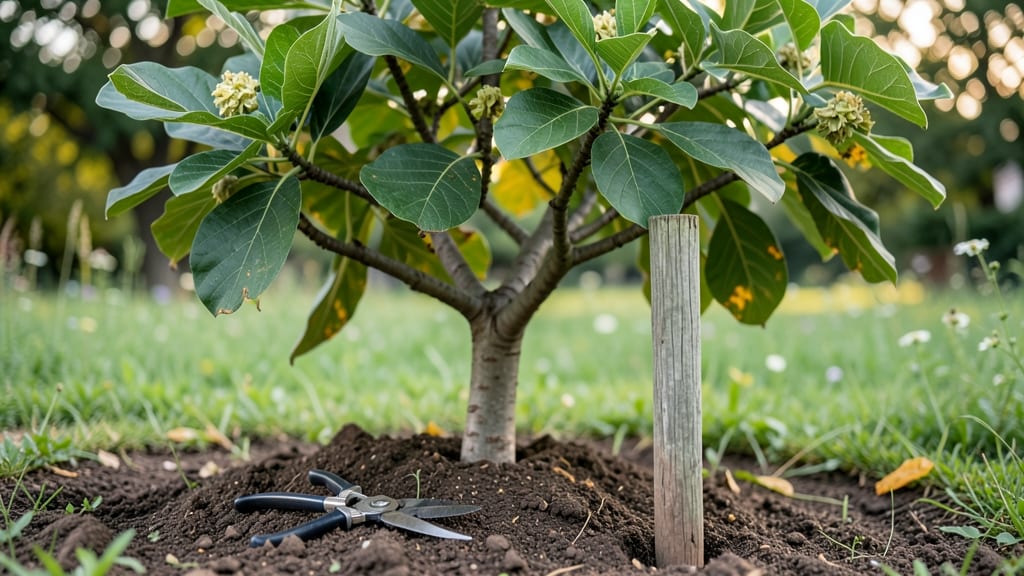
Learn how to stop pawpaw trees from growing too tall—I’ve wrestled with these fast-growing giants before, and strategic pruning keeps them manageable without sacrificing fruit. The key is timing and technique, not brute-force cutting.
You’ll need sharp pruning shears, gloves, and a clear day in late winter or early spring when the tree is dormant. This is when you’ll make your cuts to shape the tree without stressing it. Focus on removing upward-growing branches first—they’re the main culprits behind that vertical growth spurt.
After pruning, you’ll see a more compact shape with energy directed toward horizontal branches where fruit develops. The tree won’t just stay shorter—it’ll reward you with better airflow and sunlight penetration, reducing disease risks. Just avoid cutting more than 25% of the canopy in one season to keep it healthy.
For stubborn cases, consider root restriction or dwarf varieties like ‘Sunflower’ pawpaw. But pruning first is always the gentler approach—your tree (and your neighbors) will thank you. Let’s get those branches under control!
📚 In This Guide
- What you need
- Instructions
- Tips and common mistakes
- Wrapping up and next steps
What you need
- ● Pruning shears – Bypass pruners (for small branches, ¼"–¾" cuts) or anvil pruners (for thicker branches, up to 1" diameter). Quantity: 1-2 pairs.
- ● Loppers – Bypass loppers for branches ¾"–2" in diameter. Quantity: 1 pair.
- ● Pruning saw – Curved-tooth handsaw for branches 2" or larger. Quantity: 1.
- ● Gloves – Heavy-duty, cut-resistant gloves (gardening or pruning-specific). Quantity: 1 pair.
- ● Disinfectant – Rubbing alcohol (70%+) or pruning sealant (to prevent disease spread). Quantity: Small bottle.
- ● Ladder – Sturdy, extendable ladder (if branches are high; ensure it’s rated for your weight + tools). Quantity: 1.
- ● Safety gear – Safety glasses and long sleeves/pants (to protect from thorns or debris). Quantity: 1 set.
- ● Pole saw – For hard-to-reach branches (extends your reach without a ladder).
- ● Tree wound dressing – Pruning paste (controversial but some swear by it for large cuts).
- ● Marking twine or flags – To tag branches for removal before cutting.
- ● Wheelbarrow or tarp – To haul away debris efficiently.
- ● Sharpener – File or sharpening stone (to keep blades in top shape).
Strategic pruning techniques to control paw paw tree height
Paw paws grow fast—sometimes too fast. Here’s how to guide their growth without sacrificing health or fruit production.
Identify the Right Time for Structural Pruning
Late winter or early spring, just before new growth begins, is the best time to prune. This ensures you’re cutting back dormant wood when the tree isn’t actively pushing energy into leaves or fruit. Look for bare branches with no buds—these are safe to remove entirely. Avoid pruning in fall, as new cuts can stimulate late-season growth that won’t harden off before winter.
If you must prune in summer, do it immediately after harvest to avoid stressing the tree during fruit development. Summer pruning should focus on light shaping rather than heavy structural cuts. Always sterilize your pruning tools with 70% isopropyl alcohol to prevent bacterial infections like canker disease, which paw paws are susceptible to.
Remove Water Sprouts and Suckers Aggressively
Paw paw trees produce vigorous water sprouts—thin, upright shoots that steal energy from fruit production. These grow from the main trunk, branches, or even the root crown. Cut them back to the collateral bud (the side bud just below the sprout) using clean, sharp loppers. Water sprouts left unchecked can double the tree’s height in a single season.
Suckers—shoots emerging from the base of the tree—should be removed at ground level. These compete with the main trunk for nutrients and weaken the tree’s structure. If you notice new suckers popping up after pruning, monitor them closely; they often indicate stress from over-pruning or poor soil conditions.
Implement the "Open Center" Pruning Method
The open center technique promotes a balanced, multi-stemmed structure while controlling height. Start by selecting 3-5 strong, well-spaced branches near the base of the tree—these will form the primary scaffold. Remove any crossing or rubbing branches first, as these create wounds and invite disease. Cut back these branches to a bud facing outward to encourage lateral growth.
For the remaining scaffold branches, prune back 1/3 of their length to a lateral bud. This encourages branching lower on the tree, reducing overall height while increasing fruit-bearing surface area. Avoid "lion’s tailing"—cutting back too many branches at once—which can shock the tree and lead to dieback.
Thin Out Overcrowded Branches Annually
Every year, assess the tree’s canopy for overlapping or dense branches. These compete for sunlight and air circulation, reducing fruit quality and increasing disease risk. Remove 10-20% of the smallest, weakest branches each year to maintain an open, airy structure. Prioritize branches growing straight upward, as these contribute least to fruit production.
When thinning, make cuts just above a bud that faces outward. This ensures new growth fills the canopy evenly rather than creating gaps. If a branch is larger than 1/3 the diameter of the trunk, make the cut in stages over 2-3 years to avoid stressing the tree. Always cut back to a lateral branch or bud, never to a stub.
Use Growth Regulators for Stubborn Vertical Shoots
For particularly aggressive vertical growth, apply a dormant oil or horticultural spray containing auxin-based growth regulators in early spring. These hormones slow cell elongation in new shoots, reducing height increases by 30-50%. Follow label instructions carefully—overapplication can stunt the tree entirely or cause leaf burn.
Combine this with deep root feeding in early spring using a balanced fertilizer (10-10-10 ratio) to encourage stronger lateral root growth. Healthy roots produce more balanced top growth, naturally reducing the tree’s tendency to shoot upward. Avoid high-nitrogen fertilizers, which promote leafy but leggy growth.
Tips & tricks for strategic pruning to control paw paw height
These targeted techniques will help you maintain your paw paw's compact shape while keeping it productive and healthy. The key is balancing aggressive pruning with proper timing and technique to avoid stressing the tree.
Timing is Everything: Late winter or early spring pruning is non-negotiable for structural work—this is when the tree is dormant and can handle major cuts without stress. I learned this the hard way after seeing new growth emerge too late in fall, which never hardened off properly before winter. For summer pruning, focus only on light shaping immediately after harvest to avoid interfering with fruit development. Remember, the goal is to work with the tree's natural growth cycles, not against them.
Precision Pruning Technique: When removing water sprouts in Step 2, cut back to the collateral bud just below the sprout—never to a stub. This encourages strong lateral growth rather than vertical shoots. For scaffold branches in Step 3, always cut back to a lateral bud facing outward. I've seen too many gardeners make clean cuts that leave stubs, which invite disease and create weak growth points. Using sharp, sterilized tools with 70% isopropyl alcohol is critical—paw paws are particularly susceptible to canker disease through open wounds.
Annual Maintenance Strategy: The 10-20% annual thinning rule in Step 4 is your best defense against unchecked growth. Prioritize removing upward-growing branches first—they contribute nothing to fruit production while competing for sunlight. I recommend marking branches to remove each year with colored flags during your winter pruning planning. This systematic approach prevents the tree from becoming overcrowded while maintaining an open canopy that maximizes fruit quality and air circulation.
Pro Tips for Stop Paw Paw Tree From Growing Too Tall
- These targeted techniques will help you maintain your paw paw's compact shape while keeping it productive and healthy.
- Timing is Everything: Late winter or early spring pruning is non-negotiable for structural work—this is when the tree is dormant and can handle major cuts without stress.
- Precision Pruning Technique: When removing water sprouts in Step 2, cut back to the collateral bud just below the sprout—never to a stub.
Frequently asked questions
Got questions about taming your towering paw paw tree? You’re not alone!
Here are answers to the most common concerns—from timing tricks to troubleshooting—so you can prune with confidence and keep your tree at your desired height.
When is the best time to prune a paw paw tree to control its height?
Prune your paw paw tree in late winter or early spring (before new growth starts) for the best results. Avoid heavy pruning in fall, as it can stimulate new growth that may not harden off before winter. Light shaping prunes can be done in summer, but focus on removing only water sprouts or suckers to avoid stressing the tree.
How much can I cut back a paw paw tree without hurting it?
Paw paw trees are resilient, but never remove more than 25-30% of the canopy in one season. For height control, target the uppermost branches—cut just above a outward-facing bud or lateral branch to encourage bushier growth. Avoid "topping" (cutting the main stem flat), as this leads to weak, unsightly regrowth and disease risk.
Will pruning a paw paw tree affect fruit production?
Pruning can impact fruit yield, but strategic cuts won’t ruin it! Focus on removing only dead, diseased, or crossing branches. Paw paws produce fruit on older wood, so avoid heavy pruning of mature branches. If you prune too aggressively, you might delay fruiting for 1–2 years—but the tree will recover!
Are there chemical or natural ways to slow down paw paw tree growth instead of pruning?
While no chemicals are labeled for paw paw trees, you can try root pruning (trenching around the perimeter) or soil restrictions (like a buried root barrier) to limit nutrient access. For natural methods, mulch heavily around the base to shade roots slightly, which can slow growth. However, pruning remains the most effective and tree-friendly option.
My paw paw tree keeps growing new shoots after pruning—why?
This is normal! Paw paw trees are vigorous regrowers, especially after pruning. To stop it, remove new shoots promptly (they’re easier to cut when young). For stubborn sprouts, apply a hormone rooting inhibitor (like Rootone Stop-It) to the cut stump. Consistency is key—check for new growth every 4–6 weeks during the growing season.
Can I keep a paw paw tree as a shrub instead of a tree?
With regular pruning, you can shape a paw paw into a multi-stemmed shrub. Start by heading back the main stems in early spring, then prune suckers and water sprouts throughout the year. Use a balanced fertilizer to encourage bushier growth. Just be patient—it may take 2–3 years to fully transform into a shrub form.
Wrapping up and next steps
Managing your paw paw tree’s height doesn’t have to be overwhelming—with the right pruning techniques, you can guide its growth while keeping it healthy and compact. Remember, timing, tools, and technique are your best allies, so stay patient and consistent.
Now that you’re armed with the know-how, grab those pruners and give your tree the care it deserves!
🌱 Next step: Schedule your first pruning session during the tree’s dormant season and observe how it responds. Adjust as needed—your paw paw will thank you with lush, manageable growth!