
Pruning
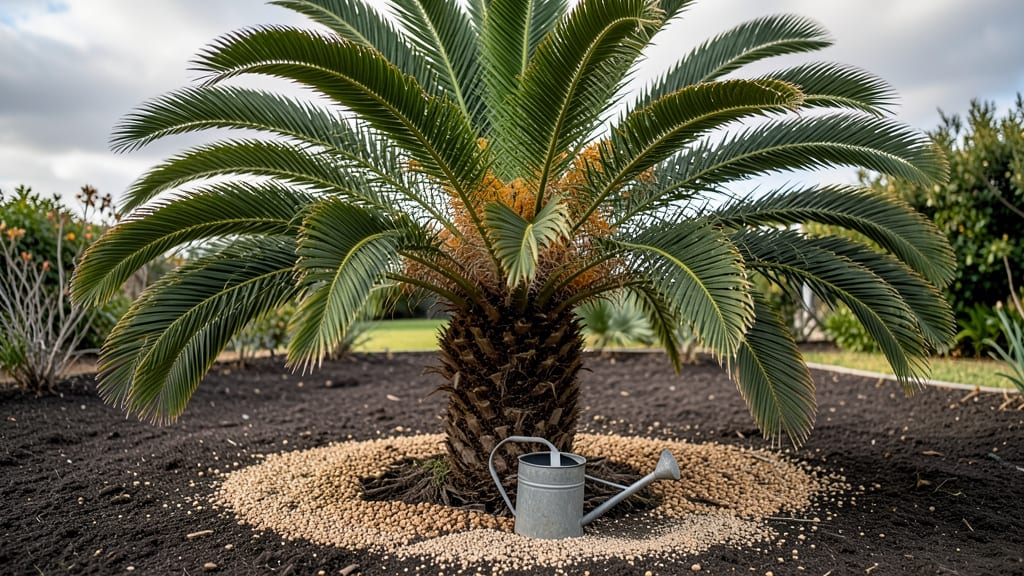
Maintaining a palm tree starts with understanding its natural rhythm—too much pruning or neglect can send it into decline. ✨ My first palm looked like a sad, lopsided skeleton after I cut back too aggressively, but I learned the right way to encourage healthy growth without stressing the plant.
Pruning is the key to keeping palms strong, but it’s not about hacking away dead fronds—it’s about timing and technique. You’ll need sharp pruners, gloves, and a ladder (or a tall friend) for outdoor varieties, while indoor palms just need a steady hand and a little patience.
The goal is to remove only what’s necessary: yellowed fronds, dead leaves, and any fronds that could harbor pests.
What you’ll end up with is a palm that looks effortlessly tropical, with vibrant green fronds and a sturdy trunk. Outdoor palms will sway in the breeze year-round, while indoor varieties will keep their lush foliage even in winter.
The secret is consistency—prune when needed, fertilize lightly, and watch your palm thrive.
This works for both outdoor palms in warm climates and indoor varieties like parlor palms or bamboo palms. Whether your tree stands in a sunny backyard or a living room corner, the same principles apply. Let’s get those fronds looking their best!
📚 In This Guide
- What you need
- Instructions
- Tips and common mistakes
- Wrapping up and next steps
What you need
- ● Pruning shears or loppers: Choose bypass pruners (sharp, clean cuts) or loppers (for thicker fronds). Size: 8–12" blades for most palms.
- ● Pole saw or pruning saw: Extendable (10–15 ft) for high fronds. Blade type: Curved or straight-tooth for clean cuts.
- ● Heavy-duty gloves: Cut-resistant (e.g., Mechanix Wear or similar) to protect hands from sharp frond edges.
- ● Safety goggles: Protect eyes from debris (look for ANSI-rated goggles).
- ● Ladder or lift: Sturdy aluminum or fiberglass (avoid wood). Height: Extend 3+ ft above target fronds. Weight limit: 300+ lbs.
- ○ Disposable pruning bags: 30–50 gallon capacity to collect fronds (optional but handy for cleanup).
- ● Pruning sealant: Tree wound dressing (e.g., Tanglefoot Tree Wound Pruning Seal) for cuts >1" in diameter.
- ● Hose or bucket: For rinsing tools and cleaning sap off cuts.
- ● Harness or safety line: If working >10 ft high (attach to ladder or tree trunk).
- ● Extension cord + leaf blower: Clears debris from hard-to-reach areas.
- ● Disinfectant (70% isopropyl alcohol): Wipe tools between cuts to prevent disease spread.
- ● Work boots with ankle support: For stability on uneven ground.
- ● Camera or phone: Snap before/after pics to track growth progress!
- ● Weather check: Prune on a dry, calm day (avoid wind/rain).
- ● Safety briefing: Know your palm species—some (like Sabal or Washingtonia) have sharp spines!
- ● Clear workspace: Remove toys, pets, or obstacles within a 10-ft radius.
Step-by-Step instructions for year-round palm tree care
Here's how to keep your palm thriving—no mystery, just proven techniques for lush growth.
🌿 Step 1: Assess and Prune Dead or Damaged Fronds
Start by inspecting your palm for brown, dry fronds or any with blackened tips—these are dead and need removal. Use clean, sharp pruners or a handsaw for thicker stems. I always prune in the late winter or early spring before new growth begins, when the palm isn't stressed by heat or drought.
Cut each frond at its base, leaving a clean stump. Avoid tearing the tissue—this invites pests and disease. For palms with dead fronds still attached, remove them first to reduce moisture loss and improve air circulation. You'll notice the crown (where new fronds emerge) looks healthier immediately after pruning.
Here's the thing—don't over-prune. Remove only dead or dying fronds, never more than one-third of the total fronds at once. Healthy palms have 5-10 fronds, depending on the species, and removing too many stresses the plant.
☀️ Step 2: Provide Proper Light and Water Adjustments
Palms need full sun for most of the day, but young palms or those in hot climates benefit from morning sun and afternoon shade. If your palm's fronds yellow or brown along the edges, it's likely getting too much direct afternoon sun—move it slightly or add shade cloth.
Watering changes with seasons. In spring and summer, water deeply once a week, soaking the top 12 inches of soil. In fall and winter, reduce to every 2-3 weeks unless your soil feels bone-dry. I test moisture by sticking my finger 3 inches down—if it's dry, water; if damp, wait. Overwatering is the #1 killer of palms.
Real talk: Mulch matters. Spread a 2-3 inch layer of organic mulch (like bark or wood chips) around the base to retain moisture and regulate soil temperature. Keep mulch 6 inches away from the trunk to prevent rot.
✂️ Step 3: Fertilize Strategically for Seasonal Growth
Feed your palm twice a year—once in early spring (when new fronds begin to unfurl) and again in early summer. Use a balanced palm fertilizer (like 8-2-12) or one formulated for tropical plants. Follow the package rates, but I always half the dose for newly planted palms—they're sensitive to over-fertilizing.
Apply fertilizer 6-12 inches away from the trunk, then water deeply to help nutrients reach the roots. You'll see new fronds emerging within 4-6 weeks if the feeding is working. Avoid fertilizing in fall or winter—palms go dormant and don't need extra nutrients.
If your palm's fronds are smaller than usual or growing slowly, it might need more nutrients. A soil test can confirm, but I usually just increase the fertilizer dose slightly the next feeding cycle.
🪴 Step 4: Protect Against Pests and Diseases
Check your palm monthly for signs of pests like spider mites, scale, or palm weevils. Spider mites leave tiny yellow dots on fronds, while scale appears as bumpy white or brown spots. Palm weevils are trickier—they bore into the trunk, causing oozing sap or frass (sawdust-like debris).
For spider mites or scale, spray the fronds with neem oil (mix 1 tablespoon per gallon of water) and repeat every 7-10 days until pests disappear. For weevils, inject systemic insecticide into the trunk if you catch it early. Prevention is key—keep your palm healthy and well-watered to deter pests.
Fungal diseases like bud rot (a black, mushy growth at the crown) are deadly. Remove infected fronds immediately and sterilize your pruners with rubbing alcohol. Improve air circulation by thinning dense fronds and avoid overhead watering.
⏰ Step 5: Winterize and Monitor for Long-Term Health
In winter, palms slow down but still need care. Reduce watering and stop fertilizing entirely. If temperatures drop below 30°F, cover young or tender palms with burlap or frost cloth to protect them. Mature palms usually handle cold better, but freezing winds can damage fronds.
Once a year, inspect the trunk for cracks, oozing sap, or soft spots—signs of internal rot or weevil damage. If you find a problem, act fast. For minor cracks, seal with pruning sealant; for rot, consult an arborist. Healthy trunks should feel firm and dry to the touch.
This is the moment that matters: prune out any crossing or rubbing fronds in late winter. These create wounds that invite disease. Trim them back to the point where they no longer touch, and your palm will reward you with stronger, straighter growth next season.
Tips & tricks for perfect palm tree maintenance
Took me years to figure out these little details—here's how to keep your palm looking its absolute best all year long.
Pruning Precision: When you're removing dead fronds in Step 1, look for the point where the frond meets the trunk—this is where you should cut. I've seen people tear fronds, which creates open wounds that attract pests like weevils. Use a clean saw for thicker stems and always wear gloves to protect your hands from potential sap irritation. The key is to make clean cuts without damaging the healthy tissue around the crown.
Seasonal Watering Secret: In Step 2, the "stick your finger 3 inches down" test is gold, but here's what I learned the hard way: sandy soil dries out faster than clay soil. If your palm is in sandy soil, you might need to water every 5 days in summer instead of once a week. For clay soil, you can stretch it to every 10 days. Watch your palm's fronds—they'll tell you what they need through their color and texture.
Fertilizer Timing: In Step 3, those two feedings in early spring and summer are non-negotiable for most palms, but timing matters. I've seen people fertilize too early when the ground is still cold, which means the nutrients don't get absorbed properly. Wait until you see new fronds starting to unfurl—that's your cue to feed. And remember, newly planted palms are like toddlers—they need half the fertilizer dose to avoid burning their delicate roots.
Winter Protection: When temperatures drop below 30°F in Step 5, don't just throw any old covering on your palm. Burlap or frost cloth works best because they allow some airflow while blocking the worst of the cold. I've seen people use plastic sheets, which trap moisture and can actually harm the palm. For mature palms, focus on protecting the crown area where new growth emerges—this is the most vulnerable part during cold snaps.
Pro Tips for Maintain A Palm Tree
- Took me years to figure out these little details—here's how to keep your palm looking its absolute best all year long.
- Pruning Precision: When you're removing dead fronds in Step 1, look for the point where the frond meets the trunk—this is where you should cut.
- Seasonal Watering Secret: In Step 2, the "stick your finger 3 inches down" test is gold, but here's what I learned the hard way: sandy soil dries out faster than clay soil.
Frequently asked questions
Got questions about keeping your palm tree thriving? Here are some of the most common concerns—and their answers—to help you maintain a lush, healthy tree year-round.
How often should I prune my palm tree?
Prune your palm tree only when necessary—typically once every 2–3 years for mature trees. Focus on removing dead fronds (brown, dry leaves) or fronds that could pose a hazard. Over-pruning can stress the tree, so avoid trimming more than one-third of the fronds at a time.
Can I prune a palm tree in winter?
Winter is actually a great time to prune palm trees in colder climates (zones 9–11) because the tree is dormant and less stressed. However, avoid pruning in freezing temperatures (below 40°F). In tropical climates, prune year-round as needed, but never during heavy storms or extreme heat.
What do I do if my palm tree has brown tips on the fronds?
Brown tips on fronds are usually a sign of underwatering, overwatering, or salt buildup (common in coastal areas). Check the soil moisture—palm trees prefer well-draining soil. If salt is the issue, flush the soil with fresh water. Avoid fertilizing until the problem improves, as excess nutrients can worsen the stress.
Is it safe to prune a palm tree myself, or should I hire a professional?
Small palm trees (under 20 feet) can be pruned by a confident DIYer with the right tools. However, for taller palms or hazardous branches, hiring a certified arborist is safer. Professionals have the equipment (like harnesses and cherry pickers) to handle large trees without risking damage or injury.
What’s the best alternative if my palm tree isn’t thriving?
If your palm tree is struggling despite proper care, consider replacing it with a hardier species like the Mexican Fan Palm (resistant to cold) or Pygmy Date Palm (low-maintenance). Before removing it, test the soil pH and nutrient levels—sometimes, the issue is fixable with adjustments!
Wrapping up and next steps
Maintaining a thriving palm tree isn’t just about aesthetics—it’s a rewarding way to keep your outdoor space vibrant and healthy year-round! 🌴 With the right tools, timing, and techniques, you’ll master pruning like a pro. Remember: regular checks, proper cuts, and a little patience go a long way.
Ready to take your palm care to the next level? Start by scheduling your next pruning session—whether it’s trimming those unsightly fronds or inspecting for pests. Your palm will thank you with lush, tropical beauty for seasons to come!