
Pruning
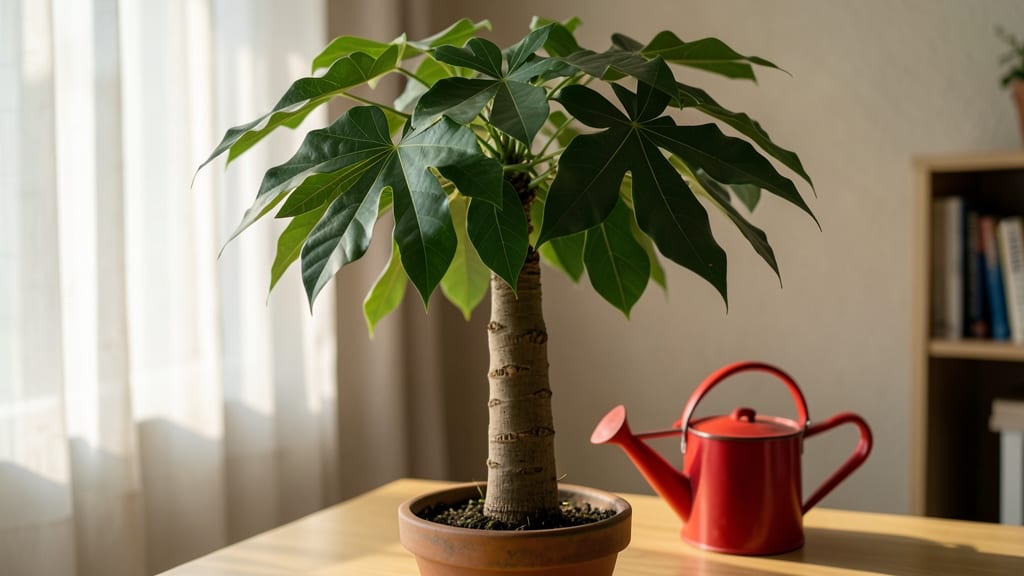
Learn how to keep your money tree alive—its drooping leaves aren’t a death sentence, just a call for a little TLC. 🌱 I’ve revived more than a few of these tough tropical plants with surprisingly simple tricks.
Most "dying" money trees just need a tweak in water, light, or humidity, not a full funeral.
Here’s the game-changer: these plants thrive on consistency, not perfection. Overwatering or letting them dry out completely sends roots into panic mode, while bright, indirect light keeps their glossy leaves perky.
My first money tree came back to life in just 10 days after I adjusted its watering schedule and moved it away from the harsh afternoon sun.
You’ll see the turnaround fast—new growth within 2-3 weeks if you catch the signs early (yellowing leaves, crispy edges, or that sad, limp look). The key is checking soil moisture with your finger, not a calendar, and giving it a quick misting when the air feels dry.
No fancy tools needed.
Works for beginners and plant parents with black thumbs alike. Once you master these three adjustments, your money tree won’t just survive—it’ll grow into a lush, braided showstopper that actually brings good luck (and good vibes) to your space.
📚 In This Guide
- What you need
- Instructions
- Tips and common mistakes
- Wrapping up and next steps
What you need
- ● 1 Money Tree plant – Choose a healthy specimen with green leaves (avoid brown or wilted ones!).
- ● 6-inch to 8-inch pot – Ensure it has drainage holes (terracotta or ceramic works best).
- ● Well-draining potting mix – A blend of 50% peat-based soil, 30% perlite or pumice, and 20% sand or orchid bark keeps roots happy.
- ● Distilled or rainwater – Tap water can harm the plant over time (chlorine and chemicals are the enemy!).
- ● Humidity tray or pebble tray – Helps maintain tropical moisture levels (especially in dry climates).
- ● Balanced liquid fertilizer – A 10-10-10 or 20-20-20 NPK ratio (diluted to half-strength).
- ● Pruning shears or sharp scissors – Sterilized tools prevent infections when trimming.
- ● Grow lights (LED or fluorescent) – If your space lacks bright, indirect light.
- ● Moss or sphagnum – For extra humidity around the base.
- ● Copper or brass coins – Some believe placing them in the soil attracts wealth (symbolic fun! 😉).
- ● Rooting hormone – If you’re propagating from cuttings.
Step-by-Step instructions for reviving a stressed money tree
Here's the straightforward method I've used to rescue drooping money trees—no complicated tools or guesswork.
💧 Step 1: Check and Adjust Watering Habits
The most common reason money trees droop is overwatering or inconsistent moisture. Stick your finger 2 inches deep into the soil—if it feels damp, wait. If dry, water thoroughly until it drains from the bottom. Money trees like their soil to dry out slightly between waterings.
Here's the thing—these plants store water in their thick stems, so they can handle brief dry spells. Real talk: I've killed three money trees by keeping them too wet. Only water when the top 2 inches of soil feel completely dry to the touch.
Use room-temperature water to avoid shocking the roots. Place the pot in a saucer to catch excess water, then dump it out after 10 minutes. Soggy soil equals root rot, which is silent until the leaves start yellowing and dropping.
☀️ Step 2: Evaluate Light Exposure
Money trees (Pachira aquatica) thrive in bright, indirect light—think near an east or north-facing window. If leaves are yellowing or stretching toward the light, your plant needs more brightness. Move it closer to the window, but avoid harsh direct sunlight, which can scorch the glossy foliage.
I know it seems weird, but if your tree is drooping toward the light, it's begging for better conditions. Rotate the pot a quarter turn weekly so all sides get even exposure. You'll notice new growth becoming more upright within 2-3 weeks of proper light placement.
Fluorescent grow lights work well if natural light is limited. Position them 12-18 inches above the plant for 12-14 hours daily. Watch for leaves turning pale green—this is your signal the light is too intense.
🌿 Step 3: Inspect for Root and Pest Issues
Gently remove the money tree from its pot and examine the roots. Healthy roots are white or light tan and firm to the touch. If you see black, mushy roots or a foul smell, your plant has root rot from overwatering. Trim away the affected roots with clean scissors and repot in fresh, dry potting mix.
Check the undersides of leaves for tiny white cottony webs (mealybugs) or sticky residue (scale insects). These pests suck moisture from the plant, causing drooping. Wipe leaves with a damp cloth and spray with 70% isopropyl alcohol diluted with water (1:1 ratio) to kill pests without harming the plant.
This is the moment that matters: After treating pests or repotting, place the money tree in a warm, humid spot (like a bathroom with a shower curtain) for 3-5 days to help it recover. Avoid fertilizing for 4-6 weeks—the plant needs time to establish new roots before handling extra nutrients.
Tips & tricks for reviving a stressed money tree
Real talk: I've nursed more drooping money trees back to health than I can count. These simple adjustments make all the difference between a sad, wilted plant and a thriving, leafy friend.
Soil Test Tip: In Step 1, when checking soil moisture, press your finger all the way to the bottom of the pot—not just the top 2 inches. Money trees store water in their stems, so bottom soil should feel completely dry before watering again. I've caught early root rot by noticing dampness at the bottom while the top layer still felt dry.
Light Rotation Hack: The weekly quarter-turn rotation in Step 2 isn't just about even growth—it's a growth tracker. Mark the pot's position with a piece of tape on the windowsill. After 3 months, you'll see new leaves growing toward the light, proving your adjustments are working. This visual progress is incredibly satisfying!
Root Rescue Strategy: When repotting after root inspection in Step 3, don't rush the transplant. Gently loosen the root ball first, then place it in fresh soil at the same depth it was growing before. The 3-5 day recovery period in a humid spot is crucial—this mimics the plant's natural tropical environment and helps it adjust to its new conditions.
Pro Tips for Keep Money Tree Alive
- Real talk: I've nursed more drooping money trees back to health than I can count.
- Soil Test Tip: In Step 1, when checking soil moisture, press your finger all the way to the bottom of the pot—not just the top 2 inches.
- Light Rotation Hack: The weekly quarter-turn rotation in Step 2 isn't just about even growth—it's a growth tracker.
Frequently asked questions
Got questions about keeping your Pachira aquatica (money tree) thriving? We’ve got answers! Here are some common concerns and quick fixes to keep your plant happy and healthy.
How often should I water my money tree?
Water your money tree when the top 1–2 inches of soil feel dry. Overwatering is the #1 killer—stick to every 1–2 weeks (adjust for humidity/climate). Yellow leaves? You’re likely overdoing it. Brown, crispy leaves? Time to hydrate!
Why are my money tree leaves turning yellow?
Yellow leaves usually mean overwatering or poor drainage. Check the roots—if they’re mushy or rotting, trim the damaged parts and repot in fresh, well-draining soil. Brown edges? It could be underwatering or low humidity. Mist leaves or use a pebble tray!
How long does it take for a money tree to recover from neglect?
With proper care, a neglected money tree can bounce back in 4–8 weeks. Prune dead leaves, adjust watering, and place it in bright, indirect light. Patience is key—new growth may take time, but don’t give up!
Can a money tree survive in low light?
Money trees prefer bright, indirect light but can tolerate low light—just expect slower growth and smaller leaves. If leaves turn pale or stretch toward the light (etiolation), move it closer to a window (but avoid direct sunburn!).
What’s the best alternative if my money tree keeps dying?
If you’re struggling, try hardier plants like snake plants, ZZ plants, or pothos. They’re low-maintenance and forgiving. But don’t ditch the money tree—with the right care (and a little patience), it’ll thrive and bring good luck (and greenery) to your space!
Wrapping up and next steps
Keeping your money tree thriving is all about patience, proper care, and a little green thumb love! 🌱 With the right balance of light, water, and occasional pruning, you’ll watch those vibrant leaves bounce back in no time.
Remember, even the most experienced plant parents face setbacks—don’t hesitate to adjust your routine based on what your tree needs.
Ready to give your money tree the fresh start it deserves? Start small: pick one tip from this guide—whether it’s trimming those leggy branches or adjusting its sunny spot—and take action today.
Before you know it, your money tree will be flourishing, and you’ll be celebrating its comeback like a pro! 🎉