
Size
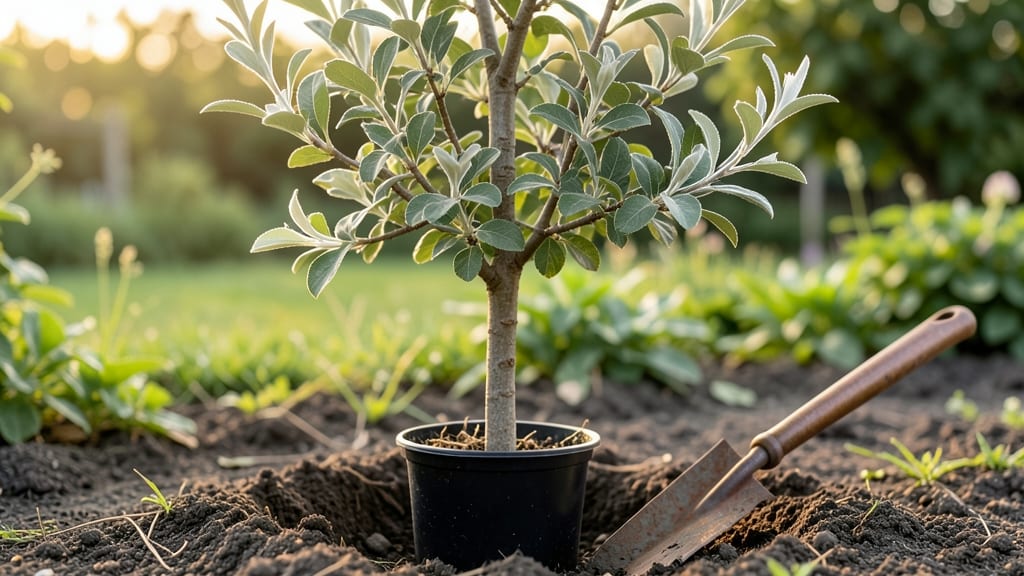
Growing a badam tree from seed means waiting three years for that first taste of homegrown nuts—but the journey starts with understanding its stubborn nature. This isn’t a fast crop; it’s a long-term commitment where every step matters, from the right climate to the perfect planting spot.
I’ve learned the hard way that patience and the right conditions are everything when nurturing these delicate trees.
Almond trees (Prunus dulcis) thrive in USDA Zones 5-9, preferring dry, well-draining soil and full sun—think Mediterranean climates. If you’re in a humid area, drainage becomes critical to avoid root rot, which can kill young trees before they even think about producing nuts.
The soil should feel like a dry sponge, not a swamp, and the location needs at least 6-8 hours of sunlight daily for strong growth.
You’ll start with a seed, but germination takes 30-60 days in warm conditions, and the first few years are all about establishing roots and branches. Pruning in late winter shapes the tree while it’s dormant, and consistent watering—deep but infrequent—keeps it from developing weak, brittle wood.
By year three, you might see tiny blossoms, but full nut production takes 5-7 years, so this is a garden for those who love watching progress unfold slowly.
Even in small yards, a dwarf variety can work, though full-sized trees need space. The real reward? Crunching into a nut you grew yourself, knowing every step—from seed to harvest—was yours. It’s not quick, but it’s worth it.
📚 In This Guide
- What you need
- Instructions
- Tips and common mistakes
- Wrapping up and next steps
What you need
- ● Almond seeds (nuts): 3–5 high-quality, fresh almonds (preferably organic or untreated). Pro tip: 💡 Choose plump, unblemished nuts—avoid store-bought roasted ones!
- ● Potting mix: 1–2 gallons of well-draining, sterile potting soil (or a blend of 50% coconut coir, 30% perlite, and 20% compost).
- ● Small pots or containers: 3–4 biodegradable pots (4–6 inches wide) or plastic nursery pots with drainage holes.
- ● Scissors or knife: For carefully cracking open the almond shells.
- ● Watering can or spray bottle: For gentle hydration (avoid overwatering!).
- ● Plastic wrap or humidity dome: To create a mini greenhouse effect during germination.
- ● Sunlight access: A sunny windowsill (south-facing) or a grow light for 6–8 hours daily.
- ○ Fertilizer (optional but helpful): A balanced, water-soluble fertilizer (e.g., 10-10-10) for young seedlings.
- ● Seed stratification kit (if cold-stratifying indoors).
- ● Growth hormone gel (e.g., Rootone) to boost root development.
- ● Soil moisture meter to monitor hydration levels.
- ● Larger nursery pots (8–10 inches) for transplanting after germination.
- ● Mulch (e.g., straw or wood chips) for outdoor planting in warmer climates.
Step-by-step guide to growing a badam tree from seed
Here’s how to cultivate your own almond tree—patience and care yield a rewarding harvest.
Select and Prepare the Seeds
Almond seeds require stratification to break dormancy. Collect fresh, plump almonds from a high-quality source—store-bought nuts often have shells treated to prevent sprouting. Remove the shell carefully, leaving the hard seed intact. Place each seed between two damp paper towels, fold them, and store in a sealed plastic bag.
Refrigerate the bag for 8-12 weeks at 35-40°F, checking monthly to ensure the towels stay moist but not soggy. This cold treatment mimics winter conditions, signaling the seed it’s time to grow. Once the seed begins to sprout a ¼-inch radicle (the tiny white root), it’s ready for planting.
Plant the Stratified Seeds
Fill a 6-inch deep container with well-draining potting mix—almond trees despise soggy roots. Plant the stratified seed 1 inch deep, pressing gently to ensure good soil contact. Place the pot in a warm, sunny spot with 60-70°F temperatures, as almonds thrive in heat.
Water lightly after planting, keeping the soil consistently moist but not waterlogged. Within 2-4 weeks, you should see the first true leaves emerge—these will be small, oval, and bright green. Avoid overwatering; almond seedlings are prone to rot if the soil stays damp too long.
Transplant and Provide Optimal Growing Conditions
Once the seedling reaches 6-12 inches tall with 4-5 sets of leaves, it’s time to transplant into a 1-gallon pot. Almond trees need full sun—at least 8 hours daily—so place it outdoors in a sheltered spot if temperatures allow. If growing indoors, supplement with a grow light to prevent leggy growth.
Fertilize lightly with a balanced 10-10-10 formula every 4-6 weeks during the growing season. Almond trees are drought-tolerant once established, but young plants benefit from deep watering every 5-7 days when the top 2 inches of soil dry out. Prune any weak or crossing branches to encourage a strong structure.
Overwinter and Prepare for Fruit Production
Almond trees require cold dormancy to produce nuts. In winter, move potted trees to a garage or unheated shed where temperatures drop to 35-45°F. Reduce watering significantly—only enough to prevent the soil from drying out completely. This dormancy period is crucial for flowering in the following spring.
By year 3, your tree may produce its first flowers, but nut development takes another 2-3 years. Pollination is essential—plant a second tree nearby if possible, as almonds rely on cross-pollination. Once nuts form, avoid overwatering; excessive moisture can cause bloom rot and reduce yield.
Harvest and Maintain for Future Crops
Almonds mature in late summer to early fall, typically 6-8 months after flowering. The outer hull turns brown and splits open—this is your cue to harvest. Gently twist the nuts free from the tree and allow them to dry in a well-ventilated, shady area for 2-3 weeks. Store dried nuts in a cool, dry place until ready to crack open.
Prune the tree annually in late winter to remove dead wood and shape the canopy. Almond trees live for decades, so ongoing care ensures a steady harvest. With time, your tree will reward you with sweet, homegrown nuts—well worth the wait.
Tips & tricks for growing a badam tree successfully
Growing a badam tree from seed is a journey of patience and precision—here's how to maximize your success at every stage.
Stratification Success: The 8-12 week cold treatment at 35-40°F is non-negotiable for breaking dormancy. I learned this the hard way after trying to rush the process—seeds planted without proper stratification often rot before sprouting. Use a refrigerator's crisper drawer for consistent temperature control, and wrap the bag in a dark towel to block light, which can inhibit root development.
Soil Science Matters: Almond trees demand well-draining soil that mimics their Mediterranean origins. Mix equal parts cactus/succulent mix with perlite or pumice for that perfect airy texture. The 6-inch deep container specified isn't just about depth—it's about preventing root congestion, which leads to rot. If using garden soil, amend it with 20% sand to replicate natural growing conditions.
Light Requirements: Those 8 hours of daily sunlight are critical, but quality matters more than quantity. Place your seedling near a south-facing window or under grow lights positioned 12 inches above the plant. I've seen seedlings stretch painfully toward weak light sources—this leggy growth makes them vulnerable to breakage. Rotate the pot weekly to ensure even exposure all around.
Watering Wisdom: The "consistently moist but not waterlogged" guideline is easier said than done. I recommend using a moisture meter to check soil at the 1-inch depth where roots will form. Water only when the meter reads below 40% moisture—this prevents the root rot that derails so many beginner growers. Young seedlings need about 1/4 cup of water every 3-4 days in warm conditions.
Pro Tips for Grow Badam Tree
- Growing a badam tree from seed is a journey of patience and precision—here's how to maximize your success at every stage.
- Stratification Success: The 8-12 week cold treatment at 35-40°F is non-negotiable for breaking dormancy.
- Soil Science Matters: Almond trees demand well-draining soil that mimics their Mediterranean origins.
Frequently asked questions
Got questions about growing your own badam (almond) tree?
Here are answers to the most common ones—so you can avoid pitfalls and nurture a thriving tree from seed!
Can I grow a badam tree from a store-bought almond?
Unfortunately, no! Store-bought almonds are pruned (the seed coat is removed) to prevent germination. You’ll need to plant a whole almond (with the shell intact) or purchase raw, unprocessed almonds from specialty stores or online. Pro tip: Soak the nut in warm water for 24 hours to speed up germination.
How long does it take for a badam tree to produce nuts?
Patience is key! A badam tree grown from seed typically takes 3–5 years to bear fruit, though some varieties may take longer. If you’re in a hurry, consider grafting a mature branch onto a young seedling—this can cut the wait to 2–3 years.
What’s the best climate for growing a badam tree?
Badam trees thrive in USDA Zones 7–10, needing full sun (6+ hours/day) and well-draining soil. They’re sensitive to frost—young trees may need winter protection. If you live in a cooler climate, plant in a sheltered spot or grow in containers and move them indoors during harsh winters.
What pests or diseases should I watch for?
Common issues include:
- Aphids (sap-sucking insects) – Spray with soapy water.
- Powdery mildew (white fungal spots) – Improve airflow and use fungicide.
- Root rot (from overwatering) – Ensure soil drains well.
Can I grow a badam tree in a pot?
Yes! Use a 15–20 gallon pot with drainage holes and well-draining soil. Place it in full sun and water deeply when the top inch of soil is dry. Just remember: Potted trees may need annual repotting and won’t grow as large as in-ground trees.
Wrapping up and next steps
Growing your own badam (almond) tree from seed is a rewarding journey that blends patience with sweet success! With the right soil, sunlight, and care, you’ll enjoy fresh nuts in just three years—plus the beauty of a blooming tree year-round.
Start small, stay consistent, and soon you’ll be harvesting crunchy, nutrient-packed treats straight from your backyard.
Ready to take the next step? Plant your seed today and watch your garden transform into a nut-filled paradise! 🌱✨