
Propagation
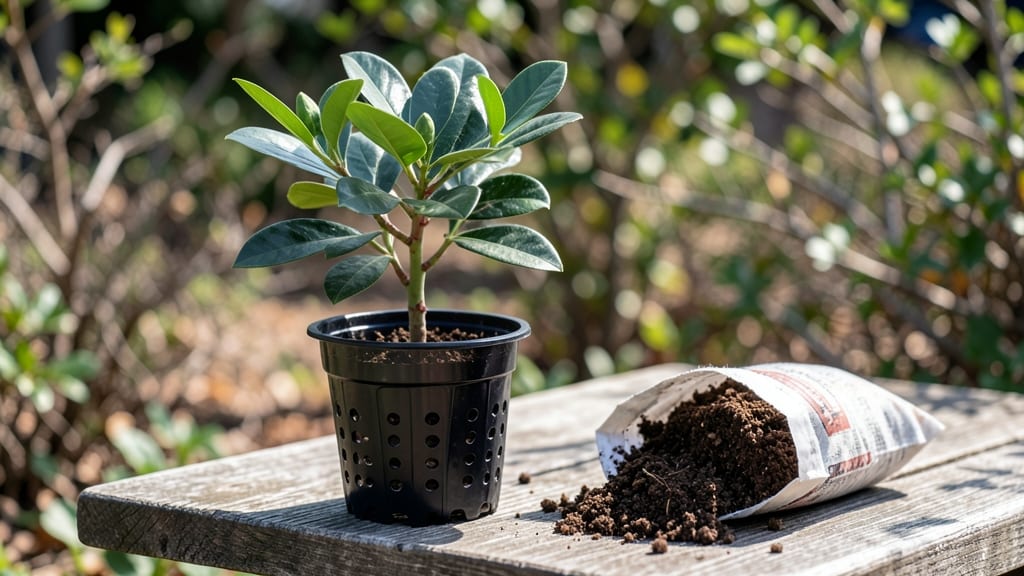
Growing a grapefruit tree from seed opens a door to a fragrant, sun-drenched citrus wonderland that’ll take years to reward you—but every gardener’s journey starts somewhere. 🌱 The first step is finding a fresh seed from a ripe grapefruit (save the best ones from your grocery store haul), because patience is the real secret ingredient here.
You’ll need a warm spot (65–75°F), a small pot with drainage, and a mix of potting soil and perlite to keep roots happy. Germination can take 2–4 weeks, so don’t toss the seed if it’s quiet—just keep it moist and in the light.
Most beginners rush this step, but slow growth is normal for citrus seeds.
Once sprouted, your seedling will look delicate, but with consistent sunlight (6+ hours daily) and occasional fertilizer, it’ll grow into a sturdy tree. Expect 5–10 years before fruit appears—if it ever does, since seed-grown trees rarely match store-bought varieties. Still, the journey is half the joy.
Outdoor growers in zones 9–11 can plant it permanently after 2–3 years, while others must keep it in pots. The real magic? Watching it thrive despite the odds—and knowing you created it from a single seed. Ready to begin?
📚 In This Guide
- What you need
- Instructions
- Tips and common mistakes
- Wrapping up and next steps
What you need
- ● Grapefruit seeds: 3–5 fresh, plump seeds (harvested from an organic, seed-bearing grapefruit—avoid hybrid varieties like Ruby Red).
- ● Potting soil: 2–3 cups of well-draining, sterile citrus-specific potting mix (or a blend of 50% peat moss, 30% perlite, and 20% sand).
- ● Small pots or seed trays: 2–3 3–4 inch diameter pots with drainage holes (or a seed tray with individual cells).
- ● Watering can or spray bottle: With a fine mist setting for gentle hydration.
- ● Plastic wrap or clear lid: To create a mini greenhouse effect.
- ● Grow lights or sunny windowsill: A south-facing window (6+ hours of sunlight daily) or a LED grow light (12–14 hours/day) for seedlings.
- ● Fertilizer: A balanced citrus fertilizer (e.g., 6-6-6 NPK ratio) or diluted fish emulsion (once leaves appear).
- ● Pruning shears: Small, sharp pair for future trimming.
- ● Humidity dome: For faster germination.
- ● Heating mat: Keeps soil at 70–80°F to speed up sprouting.
- ● Larger pot (1–2 gallons): For transplanting when seedlings are 6+ inches tall.
- ● Citrus tree support: A small stake or trellis as the tree grows taller.
- ● pH test kit: To monitor soil acidity (ideal: 6.0–7.0).
Step-by-step instructions for cultivating a grapefruit tree from seed
Here's how to nurture a grapefruit tree from seed—it takes patience, but the reward is a tropical centerpiece.
🌱 Step 1: Extract and Prepare the Seed
Cut open a fresh grapefruit and remove the largest, plumpest seed—size matters here. Rinse it gently under running water to remove any pulp residue, then pat dry with a paper towel. The cleaner the seed, the better it germinates.
Place the seed between two damp paper towels and roll them up loosely. Secure with a rubber band and store in a sealed plastic bag. Keep it in a warm spot, like on top of your fridge, where temperatures stay around 75-80°F. Check daily—towels should stay moist but not soggy.
💧 Step 2: Germinate the Seed Properly
Germination can take 2-4 weeks, so be patient. You'll know it's working when a tiny white root breaks through the paper towel. Once that happens, carefully transfer the seed to a small 3-4 inch pot filled with well-draining cactus/succulent mix (grapefruit hates soggy roots).
Plant the seed ½ inch deep, covering it lightly with soil. Water gently until moisture seeps from the drainage hole below. Place the pot in a warm, bright spot—no direct sun yet—and keep the soil consistently moist. A humidity dome or plastic wrap helps speed up the process.
☀️ Step 3: Transition to Light and Care for Early Growth
When the first true leaves (not the initial seed leaves) appear, move the seedling to bright, indirect light. After a week, gradually introduce 2-3 hours of morning sun daily, increasing exposure over 2 weeks to avoid leaf scorch. A south-facing window works best.
Water when the top inch of soil feels dry—overwatering is the fastest way to kill a young citrus tree. Use room-temperature water to prevent shock. Fertilize lightly with a balanced citrus fertilizer (5-5-5) diluted to half strength once the seedling has 4-6 leaves.
🪴 Step 4: Repot and Encourage Strong Growth
Once the seedling reaches 6-8 inches tall and has 8-10 leaves, it’s time to repot into a 5-gallon container with fresh citrus-specific potting mix. Gently loosen the roots and place the seedling deeper than before—up to the first set of leaves—to encourage stability.
After repotting, keep the tree in partial shade for a week to reduce stress. Resume gradual sun exposure and resume fertilizing every 4-6 weeks during growing season. Prune leggy growth to encourage bushier development, cutting just above a leaf node with clean, sharp scissors.
⏰ Step 5: Prepare for Long-Term Care and Potential Fruit
By 12-18 months, your grapefruit tree may start flowering—though seed-grown trees rarely produce fruit. If it does, hand-pollinate with a small brush to transfer pollen between blooms. Keep the tree in a sunny spot with 6+ hours of light daily and maintain 60-80°F temperatures for best growth.
In winter, reduce watering and move the tree indoors if temperatures drop below 45°F. A south-facing window or grow light keeps it thriving. With consistent care, your grapefruit tree can grow 10-15 feet tall—a stunning indoor or outdoor tropical statement.
Tips & tricks for growing a thriving grapefruit tree from seed
Real talk: Growing a grapefruit tree from seed is equal parts rewarding and challenging. Here's what I learned after watching my first seedling thrive—and others fail.
Seed Selection Matters: Don't just grab any seed! Choose the largest, plumpest seed from a fresh grapefruit—these have the highest germination rates. I've found that seeds from organic grapefruits tend to germinate faster, likely because they're less treated with preservatives that might inhibit growth. Pro tip: If you're unsure about freshness, soak the seed in warm water for 12 hours before starting the paper towel method—this can jumpstart the germination process.
Germination Environment is Critical: Maintaining that 75-80°F temperature range is non-negotiable. I learned this the hard way when my first attempt in a cool kitchen took 6 weeks instead of the expected 2-4 weeks. For consistent warmth, consider using a seedling heat mat ($15 at garden centers) under your paper towel setup. And here's what nobody tells you—condensation on the plastic bag is normal, but if you see mold, open the bag immediately to air it out.
Light Transition Strategy: That gradual 2-week sun introduction in Step 3 is where most beginners stumble. Start with just 30 minutes of morning sun on day one, then add 30 minutes each subsequent day. I've seen seedlings get sunburnt within hours when rushed—look for slight yellowing as your warning sign. For indoor growers, a simple LED grow light ($30) placed 6 inches above the plant works wonders for that bright indirect light phase.
Repotting Technique: When it's time to move your seedling to that 5-gallon container, don't just dump it in! Gently loosen the roots first by massaging the root ball with your fingers. I've found that planting deeper—up to the first set of true leaves—actually helps stabilize the tree and prevents it from toppling as it grows. Use your finger to create a small hole in the new soil, then place the seedling in at the correct depth before filling in around it.
Pro Tips for Grow A Grapefruit Tree From Seed
- Real talk: Growing a grapefruit tree from seed is equal parts rewarding and challenging.
- Seed Selection Matters: Don't just grab any seed!
- Germination Environment is Critical: Maintaining that 75-80°F temperature range is non-negotiable.
Frequently asked questions
Got questions about growing grapefruit trees from seed? You’re not alone! Here are some of the most common queries—and their straightforward answers—to help you navigate your citrus-growing journey with confidence.
How long does it take for a grapefruit seed to sprout?
A grapefruit seed typically sprouts within 2 to 4 weeks after planting, depending on warmth and moisture. Keep the soil consistently damp (not soggy) and place the pot in a warm spot—like near a sunny window or under a grow light. Patience is key! If no sprouts appear after 6 weeks, gently check for signs of life beneath the soil.
Can I grow a grapefruit tree from seed indoors?
Grapefruit trees thrive indoors as long as they get 6+ hours of sunlight daily (a south-facing window or grow lights work). Use a well-draining pot and maintain temperatures above 50°F (10°C). Just be prepared for slower growth—outdoor trees mature faster. A sunny patio or balcony in summer can give your tree a growth boost!
Will my seed-grown grapefruit tree produce fruit?
While possible, it’s unlikely your seed-grown tree will bear edible fruit for 5–10 years (if ever). Seedlings often produce small, seedy, or bitter fruit due to genetic variability. For reliable fruit, graft a cultivated variety onto your seedling later. Still, growing one for the experience or shade is totally worth it!
What’s the best soil mix for grapefruit seedlings?
Use a light, fast-draining mix like:
- 50% peat-free potting soil
- 30% perlite or coarse sand (for aeration)
- 20% compost or worm castings (for nutrients)
Why are my grapefruit seedling leaves turning yellow?
Yellow leaves usually signal overwatering, nutrient deficiency, or pests. Check the soil—it should dry slightly between waterings. If the roots smell sour, you’ve got rot! For nutrients, fertilize lightly with a balanced citrus fertilizer (diluted to half-strength) every 2–3 months. Inspect the undersides of leaves for spider mites or aphids and treat with neem oil if needed.
Can I transplant my seedling outside too soon?
Wait until your seedling is at least 1–2 feet tall and the last frost has passed in your area. Harden it off by placing it outdoors for 2–3 hours daily over 1–2 weeks, gradually increasing exposure. Choose a spot with full sun and protection from strong winds. Transplant in spring for the best survival rate!
Wrapping up and next steps
Growing a grapefruit tree from seed is a rewarding journey that brings a touch of tropical charm to your home—even if it takes patience! Remember, while your tree may not bear fruit identical to store-bought grapefruits, the process is all about the joy of nurturing life from scratch. 🌱
Now that you’re armed with the right knowledge, why not take the first step today? Grab those seeds, prepare your pot, and let nature work its magic. Before you know it, you’ll be sipping fresh, homegrown citrus—one tiny seed at a time! 🍊✨