Container Gardens
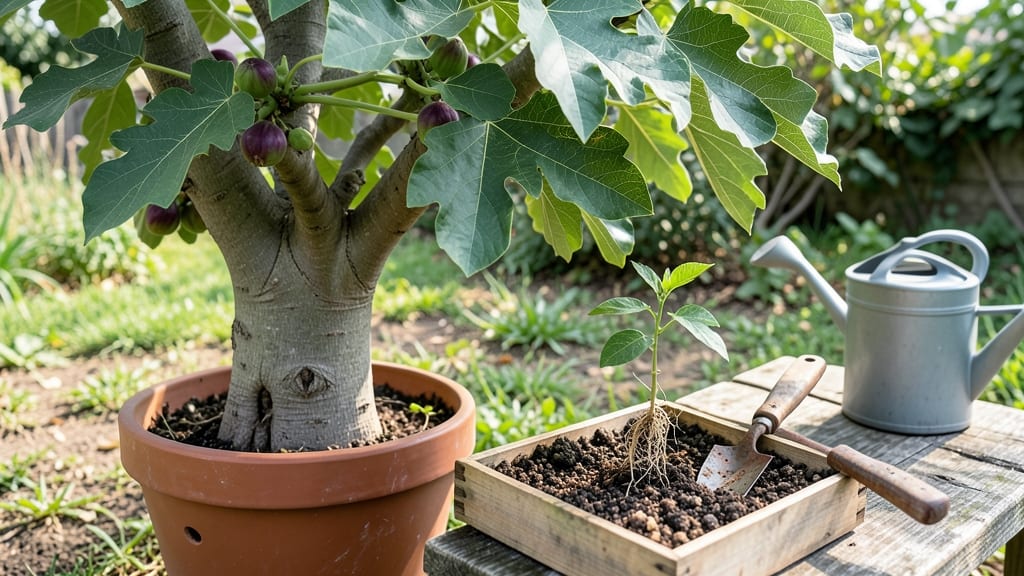
Growing a fig tree in a pot lets you enjoy sun-ripened fruit without a backyard—just a sunny spot and the right container. 🌿 I learned the hard way that figs need 10+ gallons of space and fast-draining soil, or their roots drown.
The first time I saw those purple-black figs hanging from my balcony pot, I knew I’d never go back to store-bought again.
Start with a 5-gallon minimum for dwarf varieties, but bigger pots mean bigger harvests. Mix 60% potting soil with 40% perlite or coarse sand to prevent soggy roots, and always use a container with drainage holes.
Fig trees thrive in full sun—6+ hours daily—but they’ll tolerate partial shade if you’re in a hot climate. Water deeply when the top inch of soil feels dry, then let it dry out slightly between waterings.
By midsummer, you’ll be picking sweet, sun-warmed figs straight off the vine—no grocery store needed. The tree stays compact, the fruit ripens faster than in-ground plants, and you avoid gophers or deer raids.
Prune in late winter to shape the tree and remove dead branches, and watch it reward you with harvests for 20+ years.
Works for patios, balconies, or even sunny windowsills—just move the pot indoors before frost. The key is consistent care, not fancy tricks. Once you master this, you’ll never buy figs again.
📚 In This Guide
- What you need
- Instructions
- Tips and common mistakes
- Wrapping up and next steps
What you need
- ● Fig Tree: Choose a dwarf variety (like 'Little Miss Figgy' or 'Osborn Prolific')—they thrive in containers! Buy a 1-2 gallon potted plant or a bare-root sapling from a nursery.
- ● Pot: A 5-gallon container minimum (18"+ deep) with drainage holes. Terracotta or fabric pots work best for airflow.
- ● Potting Mix: 10-15 lbs of well-draining soil blend: 60% potting mix + 30% perlite/pumice + 10% compost.
- ● Drainage Layer: 2-3 inches of gravel, pebbles, or broken pottery at the pot’s bottom.
- ● Fertilizer: Balanced organic fertilizer (10-10-10 or 5-5-5 NPK ratio) or slow-release granules.
- ● Watering Can: With a narrow spout for precise watering.
- ● Pruning Shears: Sharp, sterilized shears for trimming.
- ○ Support (Optional but Helpful): A small trellis or stake (for varieties that need climbing support).
- ● Mulch: Wood chips or straw to retain moisture and regulate soil temp.
- ● Slow-Release Fertilizer Pellets: Mix into soil for seasonal feeding.
- ● pH Test Kit: Ensure soil stays in the 6.0-7.0 range (figs prefer slightly acidic to neutral).
- ● Insect Spray (Neem Oil): For pest control (aphids or spider mites).
- ● Winter Blanket: Frost cloth or burlap to protect your tree in cold climates.
Step-by-step guide to cultivating a thriving potted fig tree
Here’s how to coax a sun-loving fig into robust growth—even in limited space.
🪴 Step 1: Select the Right Container and Drainage
Figs need room to spread, so choose a 5-gallon pot or larger with multiple drainage holes—no exceptions. I’ve seen roots rot in pots without proper drainage, and that’s a slow death for your tree. If your pot lacks holes, drill them yourself. Place a 2-inch layer of gravel or broken pottery at the bottom to prevent soil from clogging the drainage.
Terra cotta pots work best because they breathe, but avoid cheap plastic containers—they trap moisture and encourage root rot. If you’re repotting an existing fig, size up by at least 2 inches in diameter to give roots space to expand. The wider the pot, the more stable the tree will be in windy conditions.
🌱 Step 2: Prepare the Soil Mix for Optimal Growth
Figs thrive in well-draining, slightly alkaline soil with a pH between 6.0 and 7.5. Mix 50% high-quality potting soil with 30% perlite or pumice and 20% coarse sand to improve aeration. Avoid garden soil—it compacts too easily and holds excess moisture, which figs despise.
I like to add a handful of composted manure or worm castings for nutrients without overwhelming the roots. Fill the pot 2/3 full with your mix, then tap the container gently to settle the soil. Leave 1 inch of space at the top for watering—figs hate soggy roots but love deep, infrequent watering.
☀️ Step 3: Plant and Position for Maximum Sunlight
Dig a hole in the soil mix twice as wide as the root ball but no deeper. Gently remove the fig from its nursery pot and loosen the roots if they’re circling—this encourages outward growth. Place the tree in the hole, ensuring the root flare (where roots meet the trunk) sits just above soil level. Backfill with your mix, pressing lightly to eliminate air pockets.
Figs demand full sun (6+ hours daily)—no compromise. A south-facing patio or balcony is ideal, but if you’re in a shaded area, supplement with a grow light for 12-14 hours per day. Without enough light, leaves turn yellow, and growth stalls. Watch for leggy stems—a sure sign your tree is stretching for light.
💧 Step 4: Water Deeply and Establish a Routine
Water thoroughly until it drains from the bottom, then wait until the top 2 inches of soil feel dry before watering again. Figs store water in their trunks, so overwatering is the #1 killer. In summer, I water every 3-4 days; in winter, I cut back to once a week or less, depending on humidity.
Mulch the surface with 2 inches of gravel or bark to retain moisture and regulate soil temperature. Avoid organic mulch—it decomposes too quickly and can suffocate roots. If you notice wilting leaves, check the soil moisture first. Figs often wilt in the heat but recover once watered—just don’t let it become a habit.
✂️ Step 5: Prune and Fertilize for Long-Term Health
Prune in late winter or early spring before new growth begins. Remove dead, diseased, or crossing branches first, then thin out overcrowded stems to improve airflow. Figs fruit best on new wood, so I avoid heavy pruning—just shape the tree to fit its space. Use sterilized pruners to prevent bacterial infections.
Fertilize every 4-6 weeks during the growing season with a balanced 10-10-10 or citrus-specific fertilizer. Figs aren’t heavy feeders, but they appreciate magnesium and potassium for fruit development. Reduce feeding in fall and winter—over-fertilizing then leads to weak growth. Watch for yellowing leaves, which often signal nutrient deficiencies or overwatering.
Tips & tricks for perfect potted fig trees
These game-changing insights will help you avoid common pitfalls and nurture a thriving fig tree that produces fruit year after year.
Container Upgrade: If you're using a 5-gallon pot as the minimum, consider sizing up to a 7-10 gallon container for mature trees—this gives roots room to expand without becoming root-bound. I've seen figs in 5-gallon pots stall their growth after 2-3 years because the roots simply ran out of space. The wider diameter also improves stability, which matters when your tree starts bearing fruit.
Soil pH Secret: Test your soil pH before planting—figs prefer slightly alkaline conditions between 6.0-7.5. If your mix tests lower, add a handful of crushed eggshells or lime to raise the pH gradually. I've had figs in slightly acidic soil (5.5) that struggled to fruit properly until I adjusted the pH. The key is making small adjustments over time rather than shocking the roots with sudden pH changes.
Lighting Strategy: When supplementing with grow lights for the required 12-14 hours daily, use full-spectrum LED bulbs that mimic natural sunlight. Place lights 6-12 inches above the tree and position them so they cover the entire canopy. I noticed my fig's growth triple when I upgraded from basic fluorescent bulbs to LED grow lights—especially during cloudy winter months when natural light is scarce.
Watering Wisdom: The "top 2 inches dry" rule works, but I've found using a moisture meter is even better—aim for 4-5 on the scale (slightly dry). Water deeply until it drains from the bottom, then empty the saucer after 10 minutes to prevent sitting water. Over time, you'll learn your tree's specific needs by observing leaf color and growth patterns rather than relying solely on a schedule.
Pro Tips for Grow A Fig Tree In A Pot
- These game-changing insights will help you avoid common pitfalls and nurture a thriving fig tree that produces fruit year after year.
- Container Upgrade: If you're using a 5-gallon pot as the minimum, consider sizing up to a 7-10 gallon container for mature trees—this gives roots room to expand without becoming root-bound.
- Soil pH Secret: Test your soil pH before planting—figs prefer slightly alkaline conditions between 6.0-7.5.
Frequently asked questions
Got questions about growing figs in pots? You’re not alone! Here are some of the most common concerns—plus quick, practical answers to keep your container-grown fig thriving.
How cold can my potted fig tree handle before it dies?
Most fig varieties (like Brown Turkey or Celeste) tolerate brief chills down to 20–25°F (-6 to -4°C), but prolonged frost will damage leaves and roots. If temps drop below freezing, move your pot indoors or wrap it in frost cloth. Ever-bearing figs (like Violette de Bordeaux) are slightly hardier but still need protection.
Can I grow a fig tree in a pot indoors year-round?
Yes, but with caveats! Figs need 6+ hours of sunlight daily, so place them near a south-facing window or use grow lights. Keep humidity moderate (mist leaves occasionally) and avoid drafts. In winter, reduce watering—overwatering in low light leads to root rot. Dwarf varieties (like Little Miss Figgy) adapt best to indoor life.
How long does it take for a potted fig tree to bear fruit?
Patience is key! Dwarf figs may fruit in 1–2 years, while standard varieties take 3–5 years. Accelerate fruiting by:
Yellow leaves usually signal overwatering, underwatering, or nutrient deficiencies. Check these fixes:
Also, transplant shock can cause leaf drop—avoid repotting during hot weather. If your zone is below 7 or lacks sun, try these low-maintenance container-friendly alternatives:
All need well-draining soil and regular pruning to stay compact!
Cold winters can delay fruiting—bring pots indoors in fall if needed.
Why are my fig tree’s leaves turning yellow or dropping?
Issue
Solution
Crispy edges + dry soil
Water deeply once a week (more in summer).
Soggy soil + mushy roots
Let soil dry 1–2 inches between waterings; repot if roots rot.
Pale yellow leaves
Fertilize with iron or magnesium (Epsom salt spray helps).
What’s the best alternative if my fig tree struggles in my climate?
Wrapping up and next steps
Growing a fig tree in a pot is a rewarding journey that brings sweet, homegrown fruit to even the smallest of spaces! With the right sunlight, container, and a little TLC, you’ll enjoy lush foliage and delicious figs year after year. 🌱
Now that you’re armed with all the tips and tricks, it’s time to roll up your sleeves and get planting! Start with a healthy sapling or cutting, and soon, you’ll be harvesting your own sun-ripened figs—one delicious bite at a time. Happy gardening! 🍇