
Blooming
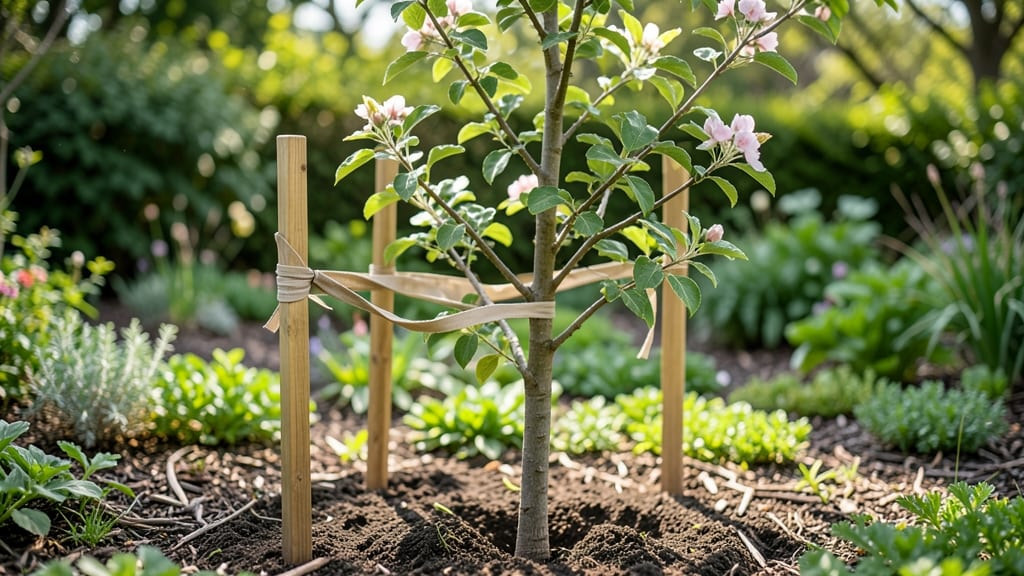
Keeping young trees staked too long can stunt their growth—here’s the 1-year rule that actually works. I’ve watched saplings struggle when stakes stay on past their prime, and the difference between a sturdy tree and a weak one often comes down to timing.
The stakes should support the tree just long enough for its roots to establish, but not so long that the trunk forgets how to stand on its own.
Most trees need 6 months to a year of staking, depending on their size and species. Fast-growing trees like willows or poplars might only need 3–6 months, while slower growers like oaks or maples often require the full year.
The key is checking for stability—if the tree wobbles noticeably when you gently pull at the base, it’s not ready to go stake-free. Wind exposure and soil type also play a role; sandy soil drains quickly, so roots may take longer to anchor.
When you finally remove the stakes, do it gradually. Start by loosening the ties in late spring or early summer, giving the tree a chance to adjust before fully cutting them.
You’ll know you’ve done it right when the trunk thickens and the tree stands tall without support. The payoff? A strong, self-sufficient tree that’s ready to thrive for decades.
This approach works for almost any tree species, whether you’re planting in a backyard, urban lot, or rural landscape. The only exception is when extreme winds or poor soil conditions demand extra support—but even then, the stakes should come off as soon as the tree can handle itself.
Trust the process, and your trees will thank you with years of healthy growth.
📚 In This Guide
- What you need
- Instructions
- Tips and common mistakes
- Wrapping up and next steps
What you need
- ● Stakes: 2–4 wooden, metal, or plastic stakes per tree (1–2 inches in diameter, 3–4 feet tall).
- ● Ties: Soft tree ties (fabric or rubber) or wide nylon straps (avoid wire—it can damage bark!).
- ● Mulch: Organic mulch (wood chips, straw) to retain moisture and protect roots.
- ● Watering can or hose: For consistent hydration during the staking period.
- ○ Pruners (optional): For trimming any damaged branches before staking.
- ● Stake anchors: Metal spikes or garden staples to secure stakes deeper into the soil.
- ● Tree guards: Plastic spiral wraps to protect young trunks from pests or animals.
- ○ Moisture meter (optional): To monitor soil hydration, especially in dry climates.
- ● Gloves: For comfort while handling stakes and ties.
Step-by-Step guide for determining when to remove tree stakes
Here's how I decide when to let young trees stand on their own.
Observe Root Growth and Stability
Check the soil around the base of your tree every 3-4 weeks to gauge root development. Gently pull upward on the trunk near the ground—if the tree doesn't budge or only shifts slightly, its roots have anchored well enough to support itself. Look for new shoots emerging from the soil line as a sign of strong root expansion.
I always test stability in calm weather after a light rain. Wet soil makes it easier to assess how well the roots have spread, and you won't risk damaging tender roots by pulling too hard. If the tree leans noticeably when you tug, keep the stakes in place for another month.
Monitor Wind Resistance
Watch how your tree responds during moderate wind gusts (10-15 mph). If the trunk bends but doesn't snap or the branches sway excessively, the roots still need time to strengthen. Healthy trees will flex slightly but return to upright position once the wind stops.
I time my checks after storms—if the tree stands firm after several days of wind exposure, that's your clearest signal it's ready. For newly planted trees, this typically takes 6-12 months, depending on species and soil conditions. Conifers often need stakes longer than deciduous trees.
Check Trunk Development
Measure the trunk diameter at 6 inches above the soil line every few months. A ¼-inch increase in diameter indicates strong structural growth. When the trunk feels firm to touch and shows visible swelling, the tree has developed enough rigidity to support itself.
I pay special attention to the collar region where the trunk meets the roots. If this area has thickened noticeably and shows no signs of stress (like cracks or peeling bark), the tree is building the internal strength needed to hold its own weight. This usually aligns with the 1-year rule for most species.
Test Seasonal Readiness
Remove stakes for a short test period during the tree's active growing season (spring or early summer). Leave them out for 2-4 weeks while monitoring for any leaning or stress signs. If the tree remains upright and continues growing without visible strain, it's ready for permanent stake removal.
I always do this test in late spring when new growth is vigorous. The tree's ability to produce fresh leaves and shoots during this period proves it's established enough to handle seasonal winds. If you notice wilting or leaf yellowing after stake removal, replace them immediately and wait another few months.
Consider Species and Climate
Research your tree species' natural growth habits—some like willows or poplars establish quickly, while others like oaks or maples need 2-3 years of staking. In windy climates, extend the staking period by 30-50% to account for additional stress.
I adjust my timeline based on local conditions. Trees in exposed areas or with poor soil drainage typically need stakes longer. If your region experiences winter winds, I recommend keeping stakes through the first dormant season to prevent storm damage during vulnerable early growth stages.
Tips & tricks for determining tree stake removal timing
These practical insights will help you avoid common mistakes and get it right the first time.
Timing Your Checks: Those 3-4 week intervals in Step 1 are perfect for tracking progress, but don't wait until the last minute. I mark my calendar with reminders so I never miss a check. After a light rain is ideal—wet soil gives you a better feel for root strength without damaging tender roots. If you notice new shoots at the soil line, that's your first green light that roots are expanding properly.
Wind Test Precision: When monitoring wind resistance in Step 2, focus on moderate gusts (10-15 mph)—stronger winds can give false readings. I use my phone's weather app to time checks after storms when winds have settled to that range. If branches sway excessively, keep stakes for at least another month—trees need consistent wind exposure to build proper structural strength.
Trunk Measurement Technique: Measuring at 6 inches above the soil line in Step 3 is crucial, but here's what I've learned: Use a tape measure at the same spot each time for consistency. A ¼-inch increase might seem small, but it's significant—this growth means the tree is developing the internal rigidity needed to support itself. I check this measurement every 3 months to track steady progress.
Seasonal Test Strategy: The 2-4 week test period in Step 4 is your best indicator of readiness. I always do this in late spring when new growth is vigorous—this is when trees show their true strength. If you see wilting or yellowing after stake removal, replace them immediately and wait another 2-3 months before testing again. This short test period is your safety net against overconfidence.
Pro Tips for How Long To Keep Trees Staked
- These practical insights will help you avoid common mistakes and get it right the first time.
- Timing Your Checks: Those 3-4 week intervals in Step 1 are perfect for tracking progress, but don't wait until the last minute.
- Wind Test Precision: When monitoring wind resistance in Step 2, focus on moderate gusts (10-15 mph)—stronger winds can give false readings.
Frequently asked questions
Got questions about staking trees? We’ve got answers! Here are some of the most common concerns—plus clear, actionable advice to keep your trees thriving.
How do I know if my tree still needs stakes after a year?
If the tree sways more than 10 degrees when gently pushed at the base, it likely still needs support. Look for flexible, not rigid, movement—this means roots are anchoring but not fully stable. If it barely budges, it’s time to remove stakes to encourage natural strength.
What happens if I remove stakes too soon?
Removing stakes prematurely can cause young trees to lean, split, or even topple in windy conditions. Weak roots may not yet support the trunk’s weight. Pro tip: Gradually loosen ties over 2–3 weeks before full removal to let the tree adjust.
Are there alternatives to traditional stakes?
Yes! For lightweight trees, try soft ties with tree straps (no metal) or burlap wraps for gentle support. Heavy trees may need multiple stakes at 45° angles or a tree guard to prevent girdling. Avoid wire—it can cut into bark as the tree grows!
My tree’s trunk is growing around the stake—what now?
This is called girdling, and it’s a red flag! If you see a ridge or groove forming, remove the stake immediately and trim away any encroaching bark. To prevent it, use rubber or fabric ties (never wire) and check them monthly.
Can I stake a tree in winter?
Winter staking is tricky—only do it if frost or heavy snow threatens to topple the tree. Use flexible stakes (like willow) and loosen ties in spring to avoid restricting growth. Most trees benefit from staking in early spring or fall when roots are active but not stressed.
Wrapping up and next steps
Keeping young trees staked for 12 months is a golden rule—it gives roots time to anchor deeply while preventing over-reliance on support. 🌱 Whether you’re planting a sapling or a newly transplanted tree, patience pays off in sturdy growth and long-term resilience.
Once your tree stands firm on its own, it’s time to remove stakes and let nature take its course!
Ready to give your tree the best start? Mark your calendar to check stake stability after a year, and celebrate those strong roots! 🎉 For extra peace of mind, consult a local arborist if your tree’s progress feels uncertain.