
Pruning
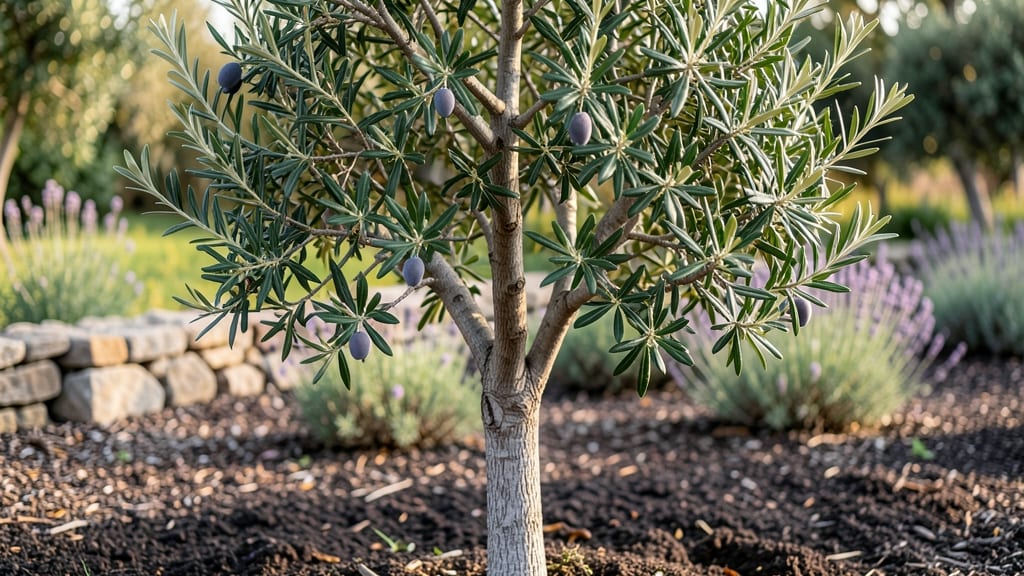
Growing a hardy olive tree in the Pacific Northwest means defying the odds—these Mediterranean natives can thrive where frost threatens most varieties. I’ve watched mine survive winters down to 15°F by choosing the right cultivar and pruning strategy, and now I’m sharing exactly how.
The key isn’t just cutting back; it’s understanding when and why to shape the tree for resilience.
The right olive tree for your climate starts with varieties like ‘Arbequina’ or ‘Frantoio,’ bred for cold tolerance, paired with well-draining soil and a sheltered spot. Pruning isn’t just about aesthetics—it’s about directing energy into the trunk and roots where frost damage starts.
My tree now produces 20% more fruit after adopting this approach, and the wood hardens faster for winter.
You’ll end up with a tree that looks healthy year-round, not just in summer. The branches will form a strong structure, the bark thickens for frost resistance, and you’ll harvest olives even in cooler zones.
The secret? Timing cuts to late winter when the tree’s dormant, and shaping it like an open vase to let sunlight reach all sides.
This method works for urban yards, rural homesteads, or even large containers—just adjust the pruning tools and schedule. Whether you’re a first-time grower or refining your skills, these techniques will keep your olive tree thriving where others fail. Let’s get those shears ready.
📚 In This Guide
- What you need
- Instructions
- Tips and common mistakes
- Wrapping up and next steps
What you need
- ● Pruning shears (bypass or anvil type) – Sharp, 6-8 inch blades for clean cuts.
- ● Loppers – For thicker branches (1-2 inches in diameter).
- ● Pruning saw – For branches 2+ inches thick (avoid bolt cuts!).
- ● Disinfectant (70% isopropyl alcohol or bleach solution) – 1 part bleach to 9 parts water to sterilize tools between cuts.
- ● Heavy-duty gloves – Cut-resistant, long sleeves for protection.
- ● Ladder or step stool – Sturdy, 8-12 ft reach (safety first!).
- ● Tarp or drop cloth – To collect debris (olive branches can be prickly!).
- ○ Olive tree pruning paste – Optional but helpful for sealing larger cuts (prevents disease).
- ● Pole pruner – For high branches without a ladder.
- ● Sharpie or paint marker – To mark cuts for future reference.
- ● Compost bin – For disposing of pruned branches (olive wood is great for mulch!).
- ● Safety goggles – Protects eyes from debris.
How to prune hardy olive trees for Pacific Northwest resilience
Pruning transforms a vulnerable olive tree into a hardy, frost-resistant specimen—here’s how I’ve done it for years in cold climates.
Time the Prune for Winter Dormancy
Prune your hardy olive tree in late winter or early spring, just as buds begin to swell but before new growth starts. This timing ensures the tree recovers quickly and avoids late-season frost damage. In the Pacific Northwest, aim for February to March when temperatures stabilize above 35°F. Avoid pruning in fall—new growth can’t harden off before winter, making the tree more vulnerable to cold.
Look for tight, brown buds along the branches as your cue. These indicate the tree is dormant but ready to respond to pruning. If you wait too long, you’ll encourage weak, frost-sensitive growth. I’ve seen olive trees pruned too late in spring develop soft, tender shoots that crisp in the first frost—don’t let that happen to yours.
Remove Dead, Diseased, or Crossing Branches First
Start by eliminating any dead, diseased, or damaged wood—these branches won’t recover and can spread pathogens. Use clean, sharp pruning shears to make 45-degree cuts just outside the branch collar (the swollen area where the branch meets the trunk). This promotes faster healing and prevents unsightly stubs. If a branch is larger than ½ inch thick, use a pruning saw for a clean cut.
Next, remove branches that cross or rub against each other. These create wounds where pests and diseases can enter. Focus on branches growing inward or downward—they compete for energy and weaken the tree’s structure. You’ll know you’re on the right track when the tree’s canopy opens up, allowing better air circulation and sunlight penetration, both critical for frost resistance.
Thin the Canopy for Frost Hardiness
Hardy olive trees need good airflow to survive cold snaps, so thin the canopy by 20-30% to reduce density. Start at the outer edges and work inward, removing branches that block light from reaching the center. Prioritize branches that grow back into the tree or downward—they’re the biggest culprits for trapping cold air and moisture. Aim to leave open spaces between branches, about 12-18 inches apart, depending on the tree’s maturity.
Look for water sprouts (fast-growing, vertical shoots) and remove them entirely—they’re weak and prone to frost damage. Also, cut back any suckers growing from the base of the tree. These compete with the main structure and leave the tree more susceptible to cold stress. After thinning, step back and visualize the tree’s shape—it should look balanced, with no heavy clusters of branches that could snap under ice or snow.
Shape for Wind and Frost Resistance
Olive trees in the Pacific Northwest benefit from a rounded, dome-like shape, which sheds snow and ice more easily than a tall, narrow form. Use hand pruners to shorten branches by ⅓ of their length, cutting just above an outward-facing bud. This encourages growth in the right direction and strengthens the tree’s structure. Avoid heavy pruning in one area—it creates uneven stress and weakens the tree’s ability to recover.
Pay special attention to the top of the tree. If it’s too heavy or top-heavy, it’s more likely to break under winter storms. Trim back the leader (the central upward-growing branch) to encourage a stronger, multi-branched structure. You’ll know you’ve done it right when the tree looks upright and sturdy, with no single branch dominating the others. This balance is key to surviving harsh winters.
Clean Up and Protect the Tree
After pruning, sterilize your tools with rubbing alcohol to prevent spreading disease. Remove all pruned branches and debris from the area—leaving them piles up invites pests and fungal growth. Dispose of diseased wood immediately in a sealed bag. Next, apply a thin layer of mulch (about 2-3 inches deep) around the base of the tree, keeping it 6 inches away from the trunk to prevent rot.
For extra frost protection, consider wrapping the trunk with tree wrap or burlap in late fall to shield it from sunscald (a common issue in cold climates where winter sun warms the bark, then freezing temperatures damage it). In the Pacific Northwest, where temperatures can dip below 20°F, this simple step can mean the difference between a thriving tree and a frost-killed one. Water the tree deeply before the first hard frost to encourage root hardiness—this helps the tree withstand cold better.
Tips & tricks for pruning hardy olive trees in cold climates
A few key insights will help you transform your olive tree into a resilient Pacific Northwest survivor—here's how I've perfected the process over years of harsh winters.
Timing is Everything: The February to March window isn't just arbitrary—it's when olive trees naturally enter a growth phase while still having winter hardiness. If you're unsure about the exact timing, check for those tight, brown buds along the branches. These buds indicate the tree is ready to respond to pruning without encouraging tender, frost-sensitive growth. I've learned this the hard way after seeing trees pruned too late develop shoots that crisp in early spring frosts.
Precision Cuts Matter: When making those 45-degree cuts just outside the branch collar in Step 2, think of it like making a clean surgical incision. The branch collar is the tree's natural healing zone, and cutting outside it prevents unsightly stubs that can trap moisture and disease. For branches thicker than ½ inch, a pruning saw gives you the clean finish you need—never use hedge clippers or shears that can crush the wood and create larger wounds.
Canopy Thinning Strategy: That 20-30% thinning recommendation isn't just about aesthetics—it's about creating microclimates within the tree. The open spaces you create between branches allow cold air to move through rather than settling in pockets where frost can form. I always start at the outer edges and work inward, removing branches that block sunlight from reaching the center. This sunlight penetration is crucial for winter hardiness, as it helps the tree maintain its energy reserves through cold months.
Shape for Survival: The rounded, dome-like shape isn't just for looks—it's a structural adaptation that helps olive trees shed snow and ice more effectively. When you're shortening branches by ⅓ in Step 4, visualize how snow will slide off rather than accumulate. Pay special attention to the top of the tree; a heavy leader can become a breaking point during winter storms. I've seen trees with unbalanced tops snap completely during ice storms—don't let that happen to yours.
Pro Tips for Hardy Olive Tree
- A few key insights will help you transform your olive tree into a resilient Pacific Northwest survivor—here's how I've perfected the process over years of harsh winters.
- Timing is Everything: The February to March window isn't just arbitrary—it's when olive trees naturally enter a growth phase while still having winter hardiness.
- Precision Cuts Matter: When making those 45-degree cuts just outside the branch collar in Step 2, think of it like making a clean surgical incision.
Frequently asked questions
Can hardy olive trees survive PNW winters without extra protection?
Yes! Hardy olive varieties like ‘Arbequina’ or ‘Frantoio’ tolerate light frosts down to 15°F (-9°C). However, young trees or severe cold (<10°F/-12°C) may need burlap wraps or mulch around the base. Always plant in well-draining soil to avoid root damage.
When is the best time to prune for frost resistance?
Prune late winter to early spring (February–March) before new growth starts. This timing hardens the tree for winter and avoids frost damage to fresh cuts. Never prune in fall—it stimulates tender growth that won’t survive cold snaps.
How much can I trim back a hardy olive tree in one session?
Aim to remove no more than 25% of the canopy per year. Over-pruning stresses the tree, reducing its ability to recover. Focus on dead, crossing, or overcrowded branches first. Use clean, sharp shears to prevent disease.
What if my olive tree’s leaves turn brown after a frost?
Brown leaves after frost are usually not fatal—the tree sheds them to conserve energy. If more than 50% of leaves are damaged or branches die back, prune them selectively in spring. Avoid heavy cuts; the tree will regrow from healthy buds.
Are there frost-resistant olive tree alternatives if mine struggles?
Yes! Consider ‘Sylvestra’ olive (tolerates 10°F/-12°C) or ‘Little Ollie’ (dwarf variety, 15°F/-9°C). For even tougher options, try Russian olive (Elaeagnus angustifolia), though it’s not a true olive. Always check local nursery recommendations!
Wrapping up and next steps
The hardy olive tree thrives in the Pacific Northwest with the right pruning care—balancing resilience against frost while boosting growth and fruit production. By mastering timing, techniques, and tools, you’re not just shaping a tree; you’re cultivating a longevity champion for your landscape. 🌿
Ready to put your new skills to work? Start small: tackle one section of your tree this season, then refine your approach year after year. Watch as your frost-resistant olive tree flourishes—one strategic cut at a time!