
Pruning
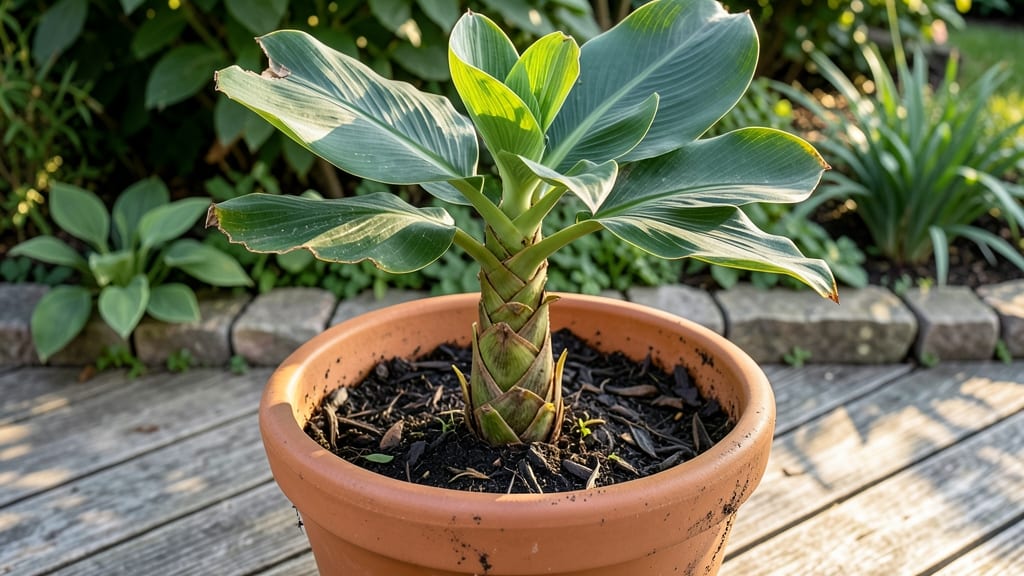
Pruning your hardy banana tree isn’t just about keeping it tidy—it’s the secret to year-round growth and bigger harvests, even in cooler climates. 🌱 I’ve watched my Musa basjoo go from a scraggly mess to a lush, productive plant just by timing cuts right, and the difference is night and day.
The key? Pruning isn’t seasonal—it’s strategic, matching the plant’s natural rhythms to coax it into flowering and fruiting when it might otherwise stall.
You’ll need sharp pruners, a clear day, and about 30 minutes to work through the process. The goal is to remove dead fronds, shape the plant for airflow, and encourage new shoots from the base.
Hardy bananas are forgiving, but they reward precision—too aggressive, and you stunt growth; too gentle, and you miss the chance to boost productivity. Think of it like giving your plant a haircut that makes it look better and perform better.
By the end, you’ll have a banana tree that keeps producing new fronds even in winter, with thicker stems and healthier leaves that resist pests. The best part? You’ll spot the first signs of flower buds forming in the leaf axils, knowing your strategic cuts paid off.
This isn’t just pruning—it’s a conversation with your plant, and it always listens.
Works for Musa basjoo, Musa acuminata ‘Dwarf Cavendish,’ and other cold-hardy varieties in zones 7-11. Whether you’re in a frost-prone area or just want to maximize your harvest, these cuts are the game-changer. Let’s get those pruners out—and watch your banana tree thrive.
📚 In This Guide
- What you need
- Instructions
- Tips and common mistakes
- Wrapping up and next steps
What you need
- ● Pruning shears or loppers: Sharp, sterilized, and bypass-style (for clean cuts). Size: 6–8 inches for small fronds, 10–12 inches for thicker stems.
- ● Pruning saw: Handheld or folding (for stubborn, woody stems). Look for a carbon steel blade for durability.
- ● Disposable gloves: Heavy-duty, cut-resistant (to protect hands from jagged edges and sap). Quantity: 1–2 pairs.
- ● Rubbing alcohol (70%+) or bleach solution: For sterilizing tools (1 part bleach to 9 parts water). Quantity: Small bottle or spray bottle.
- ● Heavy-duty trash bags or compost bin: For disposing of pruned fronds (1–2 large bags or access to a compost area).
- ○ Garden twine or zip ties: Optional but helpful for securing large fronds during removal (5–10 feet).
- ● Sun protection: Sunscreen (SPF 30+), wide-brimmed hat, and long sleeves (banana trees are often in sunny spots!).
- ● Eye protection: Safety goggles (to shield from debris).
- ● Sturdy ladder or step stool: If your tree is taller than 6 feet (ensure it’s stable and rated for your weight).
- ● Water source: Hose or bucket with water (to clean tools and rinse sap off skin).
- ● First-aid kit: Basic kit with antiseptic wipes and bandages (just in case!).
- ● Timing matters: Prune on a dry, overcast day to reduce sap oozing and fungal risks.
- ● Sterilize first: Wipe tools with rubbing alcohol before and after each cut to prevent disease spread.
- ● Mark your cuts: Use a pen or chalk to outline where you’ll prune for precision.
Strategic pruning techniques for hardy banana trees
Here's how to maintain your banana tree's health and productivity through every season.
🌿 Step 1: Identify and Remove Dead or Diseased Fronds
Start your pruning by examining the tree for any fronds that are completely brown and crispy—these are dead and should be removed immediately. Use clean, sharp pruning shears to cut these at the base where they meet the trunk. This isn't just about aesthetics; dead fronds can harbor pests and diseases that might spread to healthy parts of the plant.
Watch for fronds that are yellowing or showing signs of fungal spots. These should also be pruned back to prevent further infection. The key here is to remove only what's clearly unhealthy—don't over-prune. You want to leave as many green, productive fronds as possible to keep photosynthesis happening efficiently.
✂️ Step 2: Prune Back Old Fruit Stems and Suckers
After removing dead fronds, turn your attention to the fruit stems. Once a banana tree has produced fruit and the bunch has been harvested, the stem will turn brown and dry out. Cut this stem off at its base using your pruning shears. This redirects the tree's energy toward new growth rather than maintaining a spent fruit stalk.
Next, look for suckers—those smaller shoots growing from the base of the tree. Hardy banana trees often produce multiple suckers, but you only need to keep one or two of the strongest ones. Remove the rest by cutting them off at the base. This prevents overcrowding and ensures the tree's energy goes toward growing one or two strong replacements rather than many weak ones.
🌱 Step 3: Thin Out Overcrowded Fronds for Better Airflow
Banana trees can get quite bushy, and while this might look lush, it can actually reduce airflow and increase humidity around the leaves. This trapped moisture creates the perfect conditions for fungal diseases like sigatoka. To prevent this, thin out any fronds that are growing too close together, leaving space between them.
Focus on the older, larger fronds first—they're more likely to block airflow. Aim to create a sort of "open canopy" where light and air can move freely through the tree. You'll notice the remaining fronds will stand taller and look healthier almost immediately after thinning. This step is especially important in humid climates or during rainy seasons.
☀️ Step 4: Prune for Light Exposure and Seasonal Adjustments
As the seasons change, your banana tree's pruning needs will shift slightly. In late winter or early spring, when new growth is about to begin, give the tree a light pruning to encourage fresh, vigorous shoots. Remove any fronds that are blocking light from reaching the center of the tree—this is where new growth will emerge.
During summer, focus on maintaining the tree's shape and removing any fronds that are growing at odd angles or crossing over each other. This keeps the tree balanced and reduces the risk of physical damage during storms. Always prune on a dry day to minimize the risk of spreading disease through open wounds.
⏰ Step 5: Schedule Regular Maintenance Pruning
Pruning isn't just a one-time task—it's an ongoing process to keep your hardy banana tree thriving. Schedule a light maintenance pruning every 4-6 weeks during the growing season. This keeps the tree looking neat and ensures you catch any potential issues early before they become bigger problems.
Pay attention to the tree's overall shape and growth pattern. If you notice fronds growing in one direction more than others, it might be leaning too much toward a light source. A little strategic pruning can help keep it balanced. Regular maintenance also makes it easier to spot pests or diseases early, when they're still manageable.
Tips & tricks for perfect hardy banana tree maintenance
A few strategic approaches will transform your banana tree from struggling to thriving. Here's how to get the most out of each pruning session.
Tool Preparation: Sterilize your pruning shears with rubbing alcohol between cuts to prevent cross-contamination. I learned this the hard way after noticing fungal spread between healthy and diseased fronds. Clean tools also extend their lifespan—sharp blades make cleaner cuts that heal faster, reducing disease entry points. For larger branches, consider using a pruning saw for cleaner, less traumatic cuts.
Seasonal Timing Insight: The late winter/early spring light pruning in Step 4 is your tree's wake-up call. This is when you should remove any fronds blocking the center—this is where new shoots emerge. In tropical climates, you might adjust this timing slightly to align with the start of your rainy season, as moisture triggers new growth. Always avoid pruning during frost or extreme heat periods, as the tree needs time to recover from stress.
Visual Growth Assessment: When evaluating suckers in Step 2, look for ones with a slightly thicker base and vibrant green leaves—these are your strongest candidates. I've made the mistake of keeping weak suckers, only to have them compete with the main tree for nutrients. If you're unsure which to keep, wait until they're about 12 inches tall before making your final selection. This gives you a better chance to identify the healthiest options.
Post-Pruning Care: After your 4-6 week maintenance pruning, apply a balanced fertilizer around the base of the tree (but not touching the trunk). This gives the tree a nutrient boost to recover from the stress of cutting. I also recommend watering deeply after pruning to help the tree recover and reduce transplant shock if you've moved any suckers. Mulch lightly around the base to retain moisture and regulate soil temperature.
Pro Tips for Hardy Banana Tree
- A few strategic approaches will transform your banana tree from struggling to thriving.
- Tool Preparation: Sterilize your pruning shears with rubbing alcohol between cuts to prevent cross-contamination.
- Seasonal Timing Insight: The late winter/early spring light pruning in Step 4 is your tree's wake-up call.
Frequently asked questions
Got questions about keeping your hardy banana tree thriving with the right pruning? You’re not alone! Here are some of the most common concerns—and their straightforward solutions.
When is the best time to prune a hardy banana tree?
Prune your hardy banana tree after it’s finished fruiting (late fall to early winter) or in early spring before new growth begins. Avoid heavy cuts during active growth—this can stress the plant. Light trimming to remove dead fronds or pests is fine year-round, though!
Can I prune my banana tree in winter?
Yes, but with caution! Hardy banana trees (like Musa basjoo) can handle light pruning in winter if your climate is mild. In colder zones, wait until spring to avoid frost damage. Always prune after a hard freeze to protect the plant’s energy reserves.
How do I know which fronds to cut?
Remove only dead, yellow, or brown fronds (they drain energy). Leave healthy green fronds—even if they’re old—to photosynthesize. Cut at the base with clean shears, leaving a small stub. Never prune more than one-third of the fronds at once!
What if my banana tree isn’t growing after pruning?
Slow growth could mean over-pruning, poor soil, or pests. Check for root rot (mushy stems) or aphids (sticky leaves). Amend soil with compost, ensure 6+ hours of sun, and water deeply but infrequently. Patience is key—hardy bananas grow slowly but steadily!
Are there alternatives to pruning for controlling size?
If pruning feels drastic, try topping (cutting the pseudostem just above ground level) in early spring to encourage new shoots. For dwarf varieties, select a clumping type like Musa acuminata—they naturally stay compact. Mulching also suppresses aggressive growth!
Wrapping up and next steps
Growing a hardy banana tree thrives on the right pruning techniques—whether you’re shaping it for aesthetics, boosting fruit production, or maintaining its health. With the right tools, timing, and a little patience, you can enjoy year-round growth and a bountiful harvest.
Now that you’re armed with expert tips, why not take action? Grab your pruners, assess your tree, and start trimming with confidence!
Next steps:
- Schedule your first pruning session—spring or early summer is ideal!
- Monitor your tree’s response and adjust as needed.
- Share your progress with fellow gardeners for extra motivation!