
Pruning
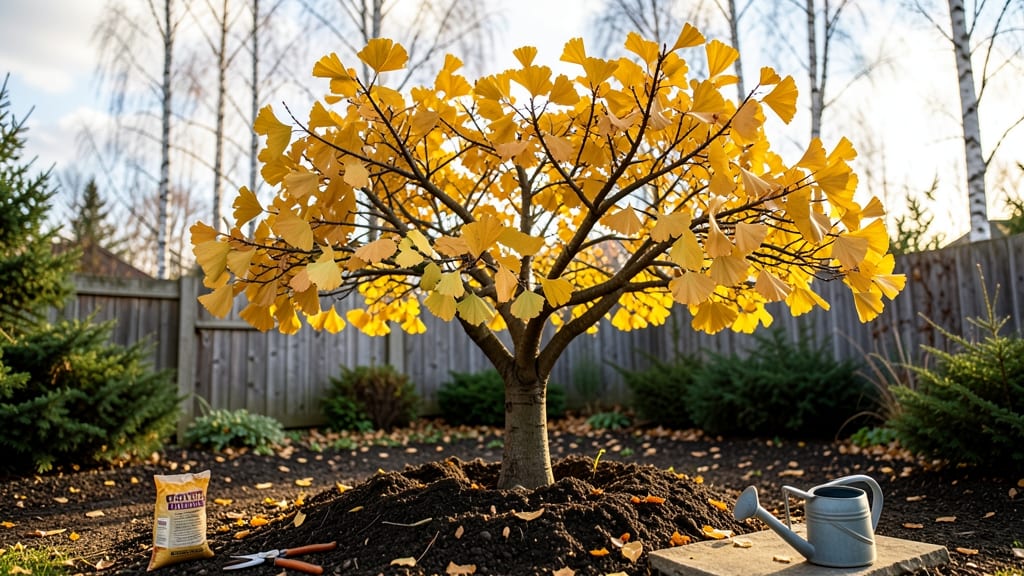
Nothing announces autumn like the golden glow of ginkgo tree foliage lighting up Pacific Northwest gardens. 🌿 These ancient trees turn from green to a dazzling golden-yellow in fall, creating a stunning contrast against misty skies and evergreen backdrops. The effect is pure magic—like nature's own spotlight on your landscape.
Ginkgos thrive in the PNW's mild, wet climate, making them the perfect focal point for fall color shows. Their fan-shaped canopies catch sunlight beautifully, and their unique scent (often compared to buttery popcorn) adds another sensory layer.
Plant them near patios or walkways to maximize their golden impact while creating cozy outdoor spaces.
Pair ginkgos with plants that complement their golden hues—deep purple smoke bushes, fiery red maples, or silvery blue spruces. The color combinations create visual drama while keeping your garden looking intentional. Even in winter, their distinctive branches add architectural interest against bare stems.
For best results, give them plenty of space (they can grow 30-50 feet tall) and full sun to develop their signature golden display. The payoff? A fall garden that feels like a postcard—year after year. Let's make yours the talk of the neighborhood.
📚 In This Guide
- What you need
- Instructions
- Tips and common mistakes
- Wrapping up and next steps
What you need
- ● Pruning shears: Bypass pruners (sharp, 6–8" blades) for small branches.
- ● Loppers: 1–2 pairs (10–14" cutting capacity) for thicker branches (½–1.5" diameter).
- ● Pruning saw: 1 curved-tooth saw (for branches >1.5" thick).
- ● Ladder: Extendable (16–24 ft) or sturdy step ladder (for taller trees).
- ● Gloves: Heavy-duty, cut-resistant (to protect from thorns and sharp tools).
- ● Disposable pruning bags: 2–3 (10–20 gallon) for collecting debris.
- ● Rake: Heavy-duty leaf rake (for cleanup post-pruning).
- ○ Tree wound dressing (optional): Pruning sealant (if sealing cuts >2" diameter).
- ● Safety gear: Goggles, long sleeves, and closed-toe shoes.
- ● Tree spray (fungicide): Copper-based (to prevent disease in wet PNW climates).
- ● Marking spray/paint: For tagging branches to remove (bright color, non-toxic).
- ● Camera or sketchbook: To document your ginkgo’s fall transformation! 📸
- ● Mulch or compost: For enriching soil after pruning (cedar or pine works well).
- ● Know your ginkgo’s age and health—mature trees (20+ years) need careful pruning.
- ● Check local pruning regulations (some areas restrict tree removal).
- ● Pick a dry, mild day (avoid rain or extreme heat).
- ● Have a helper (ginkgos can be top-heavy!).
Step-by-Step guide to cultivating stunning ginkgo fall foliage
Here's how to coax that iconic golden glow from your ginkgo trees—Pacific Northwest style.
🌱 Step 1: Choose the Right Location for Year-Round Success
Ginkgo trees thrive in full sun—at least 6 hours daily—but they tolerate partial shade if you live in hotter inland areas. In the Pacific Northwest's cooler, wetter climate, they do best with morning sun and afternoon shade to prevent leaf scorch. The key is well-draining soil—they hate soggy roots. If your yard has heavy clay, amend with 3-4 inches of compost before planting.
Here's the thing—ginkgos are slow to establish but reward patience. Plant in early spring or fall when temperatures are mild. Dig a hole twice as wide as the root ball but only as deep. The top of the root ball should sit 1-2 inches above ground level—this prevents waterlogging. I always tap the sides of the hole to break up compacted soil before placing the tree.
☀️ Step 2: Water Deeply and Establish a Consistent Routine
Newly planted ginkgos need 1-2 gallons of water every 2-3 days for the first year, but check the soil first. Water when the top 3-4 inches feel dry—stick your finger in to test. Overwatering is worse than underwatering for these trees. Once established (after 2-3 years), they're incredibly drought-tolerant and only need water during prolonged dry spells.
Mulch heavily with 3-4 inches of wood chips around the base, keeping it 6 inches away from the trunk. This mimics their native forest floor and retains moisture while suppressing weeds. I refresh the mulch annually in early spring—it breaks down faster than you'd think in our rainy climate.
✂️ Step 3: Prune Strategically for Health and Golden Display
Ginkgos are naturally elegant, but light pruning encourages that dense, golden canopy you're after. The best time to prune is late winter or early spring before new growth begins. Remove dead, diseased, or crossing branches first—these are easy to spot as they stand out against the healthy green. Use clean, sharp pruners to make cuts just outside the branch collar.
For shaping, limit yourself to no more than 25% of the tree's foliage in any one year. You'll see the golden leaves emerge more vibrantly when the tree isn't stressed. Here's what I do: I step back and look for branches that disrupt the natural vase shape. Ginkgos grow upward naturally, so I only prune to open the center for light penetration—this prevents future weak growth.
🌿 Step 4: Prepare for Fall's Golden Transformation
The magic happens in fall, but you set the stage all season. Ginkgos need full sunlight exposure in their final months of growth to develop that rich golden hue. If nearby trees or structures cast shade, consider strategic removal of competing vegetation. The more direct sunlight the leaves receive in autumn, the more intense the color.
Don't fertilize in late summer or fall—this encourages new growth that won't harden off before winter. Instead, let the tree focus its energy on developing those stunning fall colors. I always check for ginkgo smut (a fungal disease) in early fall. If you see orange pustules on the undersides of leaves, remove and destroy affected foliage immediately to prevent spread.
⏰ Step 5: Protect Through Winter for Next Year's Display
Pacific Northwest winters are mild but wet, and ginkgos handle them well, but young trees need protection. Wrap the trunk of trees under 5 years old with tree guard to prevent rodent damage. The bark is soft and delicious to deer and rabbits. For established trees, focus on removing snow accumulation from branches—wet snow can break limbs.
I've found that ginkgos in urban areas often need extra care with salt spray from nearby roads. If your tree is near a street, rinse the foliage with water 2-3 times during winter to remove accumulated salt. This prevents leaf burn that can dull next year's golden display. The effort pays off when you see those first golden leaves appear in early October.
Tips & tricks for perfect ginkgo tree fall foliage
Here's what nobody tells you about maximizing that golden glow—Pacific Northwest style.
Sunlight Strategy: Pay special attention to Step 1's sun requirements. In our region, morning sun is your best friend—position your tree where it gets direct light for at least 4 hours before noon. Afternoon shade helps prevent leaf scorch, but don't skimp on those morning hours. I've seen trees with perfect afternoon shade but dull fall color because they missed morning sun. The earlier sunlight triggers those carotenoid pigments that create the golden hues.
Soil Prep Secret: When amending heavy clay soil with 3-4 inches of compost as mentioned in Step 1, I recommend mixing in a handful of perlite or coarse sand. This improves drainage while maintaining moisture retention—critical for ginkgos. The goal is soil that feels like a well-wrung sponge: damp but not soggy. You can test this by squeezing a handful—it should hold shape but crumble easily when released.
Watering Wisdom: The 1-2 gallons every 2-3 days in Step 2 works, but here's the thing: our Pacific Northwest climate makes this tricky. I've found that watering in the early morning (before 9am) prevents fungal issues that can develop from evening moisture. Also, water at the base rather than overhead—this keeps foliage dry longer and reduces disease risk. A soaker hose works perfectly for this.
Pruning Precision: When shaping in Step 3, focus on creating an open center rather than just trimming edges. Ginkgos naturally grow in a vase shape, and opening the center allows sunlight to penetrate deeper into the canopy. This creates more surface area for those golden leaves to develop. I always step back and visualize the tree's natural form before making cuts—this helps maintain that elegant silhouette we all love.
Pro Tips for Ginkgo Tree Fall Foliage
- Here's what nobody tells you about maximizing that golden glow—Pacific Northwest style.
- Sunlight Strategy: Pay special attention to Step 1's sun requirements.
- Soil Prep Secret: When amending heavy clay soil with 3-4 inches of compost as mentioned in Step 1, I recommend mixing in a handful of perlite or coarse sand.
Frequently asked questions
Got questions about ginkgo tree fall foliage?
You’re not alone! Here are answers to the most common queries from gardeners and nature lovers in the Pacific Northwest.
When do ginkgo trees turn golden in the PNW?
Ginkgo foliage typically shifts from green to golden-yellow in late October to early November in the Pacific Northwest, depending on local microclimates. Cooler nights and shorter days trigger the change—so timing can vary by 1–2 weeks between urban and rural areas.
Why aren’t my ginkgo leaves turning gold this year?
Several factors can delay or dull the golden display: stress (drought, poor soil, or root damage), nutrient deficiencies (like nitrogen or magnesium), or disease (e.g., leaf scorch). Check for uneven color or premature leaf drop—these are red flags. Test soil pH (ideal: 6.5–7.5) and mulch to retain moisture.
Are ginkgo trees good for fall foliage in small yards?
Dwarf varieties like ‘Fastigiata’ or ‘Troll’ grow 15–30 feet tall and fit tight spaces. Even standard ginkgos (30–50 feet) have shallow root systems, making them less invasive than oaks or maples. Just ensure 6–8 hours of sun for vibrant fall color.
What other trees have foliage as stunning as ginkgo in fall?
If you love ginkgo’s golden hue, try these PNW-friendly alternatives:
- Japanese maple (Acer palmatum) – Vibrant reds/oranges, compact size.
- Sweet gum (Liquidambar styraciflua) – Star-shaped leaves in purple-red.
- Hornbeam (Carpinus betulus) – Golden-yellow, disease-resistant.
- Smoke tree (Cotinus) – Fuzzy pink/purple plumes (not just leaves!).
Do ginkgo trees drop messy fruit or leaves in fall?
Yes—but it’s manageable! Ginkgos produce small, fleshy seeds (not true fruit) that emit a rotten-cheese smell when crushed (thanks, butyric acid!). Leaves turn golden-brown and fall earlier than most trees (late Oct–Nov), creating a brief cleanup window. Mulch heavily to reduce seed spread.
Wrapping up and next steps
The ginkgo tree’s golden fall foliage is nothing short of magical—especially in the Pacific Northwest’s crisp autumn air! 🍂 With the right pruning techniques and care, you can ensure your ginkgo remains a stunning centerpiece for years to come.
Whether you’re a seasoned gardener or just starting, the key is patience, precision, and a little seasonal love.
Ready to transform your garden? Start by scheduling a light pruning session in late winter or early spring—then enjoy the rewards as your ginkgo dazzles with its iconic golden hues. Grab your tools and get growing! 🌳✨