
Pruning
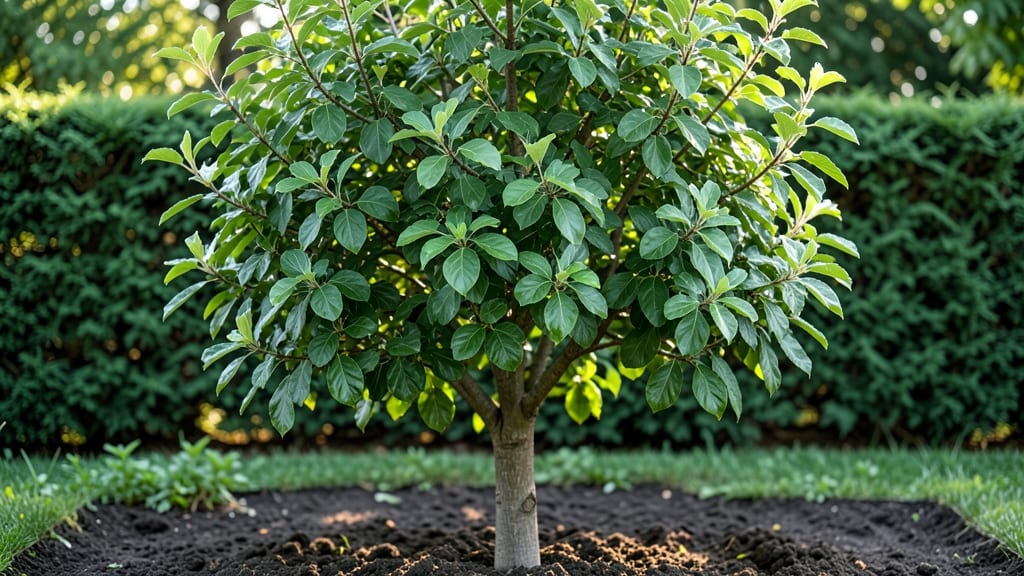
Your plum tree’s foliage tells the story of its health—rich green in spring, golden in fall, and everything in between. 🌿 I’ve learned that strategic pruning isn’t just about shaping the tree; it’s about keeping those leaves vibrant all year.
The key is timing: prune too early, and you risk stunted growth; wait too long, and you invite pests or disease.
Healthy plum tree leaves should be deep green, glossy, and free of spots or curling edges. When you see yellowing or brown patches, it’s often a sign of overwatering, nutrient deficiency, or even too much shade.
A quick soil test and adjusted care routine can turn things around faster than you’d expect—sometimes within just a few weeks.
By focusing on pruning in late winter or early spring, you encourage strong new growth that stays lush and productive. The result? A tree that not only looks stunning but also resists common issues like powdery mildew or leaf scorch. You’ll notice the difference in just one growing season.
This approach works for both young saplings and mature trees, making it versatile for any backyard. The secret is consistency: a little attention now means fewer problems later. Let’s get those branches trimmed and that foliage thriving!
📚 In This Guide
- What you need
- Instructions
- Tips and common mistakes
- Wrapping up and next steps
What you need
- ● Pruning Shears: Bypass pruners (sharp, clean, and blank">bypass-style for clean cuts)—1 pair (look for ergonomic handles for comfort).
- ● Loppers: Bypass or anvil-style (for thicker branches, 1.5"–2" cutting capacity)—1 pair.
- ● Pruning Saw: Curved-tooth for branches 2"+ in diameter—1.
- ● Disinfectant: 70% isopropyl alcohol or blank">horticultural spray (to prevent disease spread)—small bottle.
- ● Gloves: Heavy-duty, cut-resistant (protects from thorns and debris)—1 pair.
- ● Ladder or Step Stool: Sturdy, non-slip (if tree is >6 ft tall)—1.
- ● Sealing Wax: Pruning sealant (for large cuts to prevent disease)—small tub.
- ● Marking Twine: Colored twine (to tag branches for removal)—1 spool.
- ● Safety Goggles: (for debris protection)—1 pair.
- ● Notebook/Pen: (to sketch pruning plans or track growth)—1.
- ○ Tree Growth Regulator: Optional (e.g., blank">dormant oil for pest control)—as needed.
- ● ✅ Know Your Tree: Confirm the plum variety (e.g., Japanese, European) and its growth habits.
- ● ✅ Best Time to Prune: Late winter/early spring (before buds swell) or immediately after harvest.
- ● ✅ Weather Check: Choose a dry, calm day (no rain forecasted for 24 hours).
- ● ✅ Safety First: Wear closed-toe shoes and avoid pruning near power lines.
How to maintain lush plum tree foliage through pruning
Here's my go-to method for keeping plum trees vibrant—no guesswork, just proven techniques.
✂️ Step 1: Prune in Late Winter for Strong New Growth
Wait until dormant season (just before buds swell) to prune—this is the best time for plum trees. Use clean, sharp pruners to make cuts at a 45-degree angle about ¼ inch above an outward-facing bud. This encourages healthy growth and prevents disease entry points.
Remove dead, diseased, or crossing branches first. These are easy to spot—they're brown, brittle, or rubbing against other branches. I always start with these to open the canopy for better air circulation. Remember: never remove more than 25% of the tree's foliage in one season.
☀️ Step 2: Thin Canopy for Sunlight Penetration
Plum trees need full sun to maintain rich foliage, so focus on thinning the inner branches where light struggles to reach. Look for branches growing straight up or inward—these block sunlight from the center. Cut these back to a side bud or lateral branch to redirect energy outward.
Here's the thing—overcrowding stresses the tree. You'll see yellowing leaves or sparse growth in shaded areas. After thinning, step back and imagine sunlight streaming through. The goal is open, airy branches that let light reach all foliage evenly.
🌿 Step 3: Shape for Balance and Airflow
Plum trees grow naturally upright, but balanced shaping prevents weak branches. Remove suckers (shoots growing from the base) immediately—these drain energy from the main tree. For larger branches, make cuts just outside the branch collar (the swollen area where the branch meets the trunk).
I like to step back every few cuts to check the tree's silhouette. The top should be narrower than the base, like an inverted triangle. This shape prevents storm damage and keeps foliage dense at the bottom where fruit often grows.
⏰ Step 4: Summer Pruning for Foliage Density
After the main winter prune, do a light summer trim to encourage bushier growth. Pinch back new shoots by ⅓ of their length when they're about 6 inches tall. This triggers branching, leading to fuller foliage over time.
Watch for water sprouts (fast-growing vertical shoots) and remove them immediately. These are the leggy growths that steal nutrients from fruit production. A quick cut at the base keeps the tree focused on developing thick, healthy leaves instead of weak stems.
💧 Step 5: Post-Pruning Care for Recovery
Water deeply right after pruning to help the tree recover. Plum trees need 1-2 inches of water per week, especially during dry spells. The soil should feel moist 2-3 inches down—use your finger to check. Overwatering causes root rot, but underwatering stresses the tree.
Apply a balanced fertilizer (10-10-10) in early spring to support new growth. I spread it 6 inches from the trunk and water it in well. Avoid heavy nitrogen—it promotes leafy growth at the expense of fruit production. Your goal is strong stems with vibrant foliage, not just leaves.
Tips & tricks for perfect plum tree foliage
Keeping your plum tree's leaves vibrant takes more than just occasional trimming—it's about timing, technique, and ongoing care. Let me share the little details that make all the difference.
Timing is Everything: That dormant season window (just before buds swell) is your golden opportunity. I've learned the hard way—pruning too early can leave your tree vulnerable to cold damage, while waiting too long risks encouraging new growth that gets nipped by frost. Mark your calendar for late winter when the tree is fully dormant but buds haven't started swelling yet. This timing ensures you're working with a tree that's ready to bounce back with fresh, healthy foliage.
The 25% Rule: Never remove more than 25% of the tree's foliage in one season—that's not just a suggestion, it's a survival rule for plum trees. I once over-enthusiastically pruned 30% of my tree and ended up with sparse growth for two years. Think of it like giving your tree a haircut: you want to shape it, not shave it. For young trees, you can be slightly more aggressive (up to 30%), but mature trees need that 25% limit to maintain their energy reserves for vibrant foliage.
Branch Angle Matters: When making those 45-degree cuts about ¼ inch above an outward-facing bud, pay attention to where that bud points. Buds facing outward encourage the tree to grow away from the center, creating that open, airy canopy we want. I always test this by imagining sunlight streaming through—if I can picture light reaching all parts of the tree, I know I'm on the right track. This simple technique prevents that crowded, shaded interior where leaves turn yellow and growth stalls.
Summer Pinching Secret: That light summer trim isn't just about removing water sprouts—it's about training your tree to branch out. When you pinch back new shoots by ⅓ at 6 inches tall, you're telling the tree "branch here!" This triggers lateral growth that results in thicker foliage. I've seen trees that went from sparse to lush in just one season after implementing this summer pinching technique. The key is consistency—don't skip this step if you want that dense, healthy look.
Pro Tips for Plum Tree Foliage
- Keeping your plum tree's leaves vibrant takes more than just occasional trimming—it's about timing, technique, and ongoing care.
- Timing is Everything: That dormant season window (just before buds swell) is your golden opportunity.
- The 25% Rule: Never remove more than 25% of the tree's foliage in one season—that's not just a suggestion, it's a survival rule for plum trees.
Frequently asked questions
Got questions about keeping your plum tree foliage lush and healthy? Here are some of the most common concerns—and their answers—to help you prune with confidence!
When is the best time to prune plum trees for healthy foliage?
The ideal time to prune plum trees is late winter or early spring (before buds swell) to avoid spreading fungal diseases. Avoid pruning in fall, as wet conditions can promote disease. If you must prune in summer, do it early and remove any infected branches immediately.
How much of my plum tree’s foliage should I cut back?
Remove no more than 20-25% of the tree’s total foliage in one season to avoid stress. Focus on:
- Dead, diseased, or crossing branches
- Suckers or water sprouts
- Branches growing inward (thinning cuts)
Why is my plum tree’s foliage turning yellow or brown after pruning?
Yellowing or browning leaves post-pruning often signals stress, disease, or improper timing. Check for:
- Over-pruning (too aggressive cuts)
- Fungal infections (like brown rot—common in plums!)
- Nutrient deficiency (fertilize with balanced 10-10-10 if needed)
Can I prune plum tree foliage in fall for better winter health?
No—fall pruning is risky for plum trees! Wet conditions increase disease spread (like silver leaf fungus). If you must prune, wait until late winter (when the tree is dormant). Fall pruning can also stimulate new growth that won’t harden off before frost.
Will pruning affect my plum tree’s fruit production next year?
Pruning correctly actually boosts fruit production by improving airflow and sunlight. However, avoid heavy pruning during flowering (spring). Focus on:
- Opening the canopy for light
- Removing overcrowded branches
- Encouraging strong scaffold branches
Pro Tip: Label your cuts!
If you’re unsure which branches to prune, snap a photo before cutting and compare it to your tree’s structure. Healthy foliage starts with intentional pruning—not guesswork!
Wrapping up and next steps
Caring for your plum tree’s foliage isn’t just about aesthetics—it’s a year-round investment in health, productivity, and beauty. 🌿 By mastering strategic pruning techniques, you’ll encourage vibrant growth, prevent disease, and enjoy bountiful harvests for seasons to come.
Whether you’re a seasoned gardener or just starting out, every trim brings you closer to a thriving tree.
Ready to put your new skills into action? Grab those pruners and schedule your next pruning session—your plum tree’s future starts with you! 🌱✨