
Pruning
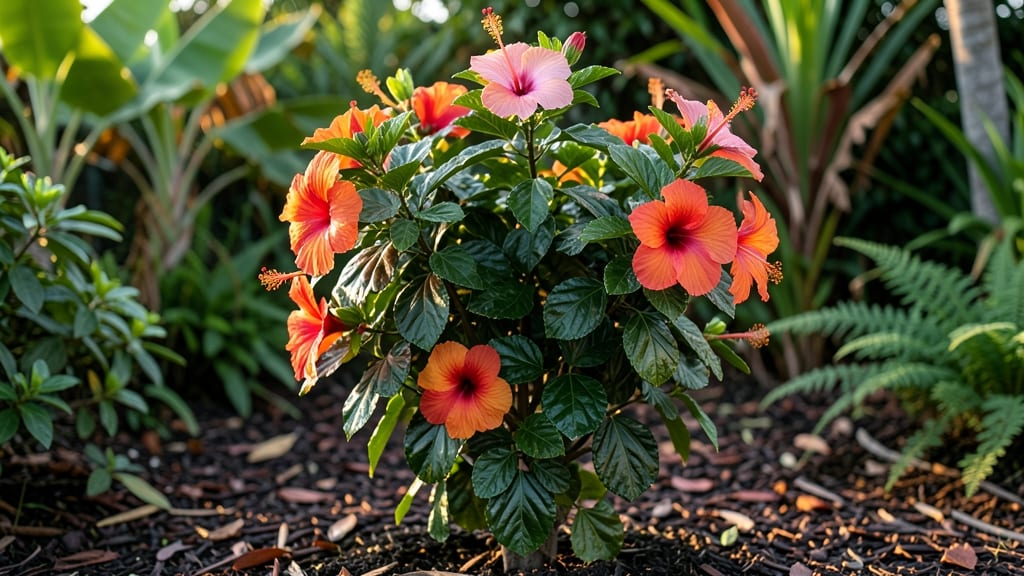
Your Fiesta hibiscus tree could burst into year-round color with the right pruning—just three strategic cuts a year unlocks that vibrant show. 🌺 I’ve watched mine go from sparse, leggy branches to a lush, flower-covered spectacle after mastering the timing and technique.
The secret isn’t cutting more, but cutting smart—targeting the right growth points to encourage bold new blooms while keeping the tree’s natural shape.
Most gardeners overlook the late winter trim, but that’s when you set the stage for summer’s best display. You’ll need sharp bypass pruners, a clean work surface, and about 30 minutes to assess the tree’s structure.
The goal is to open up the center for airflow (preventing fungal issues) while shaping the outer branches to highlight the bright pink flowers that make this variety so stunning.
By summer’s end, you’ll see thick, velvety new growth where you made your cuts—each one a potential bloom site. The flowers arrive in clusters, their petals unfurling like confetti from the branches.
Even in cooler months, with proper care, you’ll catch occasional blooms that surprise visitors. The tree’s glossy leaves stay vibrant, and pests avoid the healthy, well-aerated structure you’ve created.
This method works in zones 9-11, where Fiesta hibiscus thrives outdoors year-round. For colder climates, bring potted specimens indoors before frost, but keep them near a bright window. The same pruning principles apply—just adjust timing to avoid late-season growth that won’t harden off before winter.
📚 In This Guide
- What you need
- Instructions
- Tips and common mistakes
- Wrapping up and next steps
What you need
- ● Pruning shears: Bypass pruners (sharp, clean, and sterilized with rubbing alcohol or bleach solution). Size: 6-8 inches for medium branches.
- ● Loppers: For thicker branches (½–1½ inches). Look for: Long handles (30+ inches) for reach.
- ● Hand pruners: Anvil-style for small twigs (Note: Use only for dead/diseased wood.
- ● Saw: Pruning saw (for branches >1½ inches). Type: Curved blade for clean cuts.
- ● Disposable gloves: Heavy-duty, cut-resistant (e.g., Mechanix or Tough Outdoors). Quantity: 1–2 pairs.
- ● Rubbing alcohol (70%+) or bleach solution: 1 part bleach to 9 parts water (for sterilization). Quantity: Small spray bottle or container.
- ○ Sealing wax or pruning sealant: (Optional but recommended for cuts >½ inch). Brand tip: Tanglefoot Tree Wound Pruning Seal.
- ● Bucket or bag: For collecting trimmings. Size: 5+ gallons (or compostable bags).
- ● Ladder: Extendable (16–24 feet), with non-slip feet and a weight capacity of 300+ lbs.
- ● Safety gear: Safety glasses (ANSI-rated).
- ● Long sleeves/pants (protect against thorns).
- ● Closed-toe shoes or boots.
- ● Disinfectant spray: Ready-to-use (e.g., Concrobium) for tool sterilization between cuts.
- ● Hose with nozzle: For rinsing tools and cleaning sap off branches.
- ● Pruning guide or ruler: To measure cuts accurately (e.g., Felco pruning gauge).
- ● Tree growth regulator: (e.g., Bonide Foliage Plant Food) to encourage bushier growth post-pruning.
- ● Camera or phone: To document before/after pruning for tracking progress!
Step-by-step guide to pruning your Fiesta Hibiscus for continuous blooms
Here's how to keep your hibiscus flowering nonstop with strategic cuts and seasonal adjustments.
✂️ Step 1: Understand the Right Time to Prune
Fiesta hibiscus blooms on new wood, so timing matters. Prune after each flush of flowers falls—this encourages fresh growth and more buds. The best seasons are late winter (just before new growth starts) and mid-summer (after the first big bloom cycle). Avoid heavy pruning in fall, as it removes the plant's energy reserves before winter dormancy.
Watch for the first signs of new growth in spring—tiny red buds forming along branches. That's your cue to start light shaping cuts. If you miss this window, wait until after the first major bloom cycle in summer. Never prune when flowers are in bud or bloom; you'll sacrifice that season's display.
✂️ Step 2: Use the Right Tools and Technique
Use sharp, clean pruning shears or loppers to make precise cuts at a 45-degree angle just above a leaf node or bud. Dull tools crush stems, inviting disease. Sterilize your tools with rubbing alcohol between cuts on the same plant to prevent spreading any potential pathogens.
Focus on removing dead, damaged, or crossing branches first. These compete with healthy growth for energy. For shaping, cut back to an outward-facing bud to encourage an open, airy structure. Avoid "heading back" (cutting into old wood)—this removes next year's potential blooms.
☀️ Step 3: Shape for Airflow and Light Penetration
Open the center of the plant by removing up to one-third of the oldest, thickest branches. This improves airflow and sunlight exposure, which reduces fungal diseases like powdery mildew and encourages more blooms. Aim for a vase-like shape with branches spaced evenly around the trunk.
Thin out crowded branches rather than shearing. Shearing creates dense, bushy growth that shades inner buds and limits flowering. After each major prune, step back and visualize light reaching all branches. If you see dark, shaded areas, you haven't thinned enough.
⏰ Step 4: Seasonal Maintenance for Year-Round Blooms
In spring, focus on removing winter-damaged growth and shaping for the season. In summer, after the first bloom cycle, give the plant a light trim to encourage a second flush. Avoid heavy cuts—just remove spent blooms and lightly shape to maintain form.
In fall, do minimal pruning. Remove only dead or diseased wood. The plant needs to harden off for winter. In winter, if your climate is mild, lightly shape to remove any weak growth. In colder zones, wait until late winter to prune, as frost can damage fresh cuts.
🌿 Step 5: Post-Pruning Care for Recovery
Water deeply after pruning to help the plant recover. Apply a balanced, slow-release fertilizer to support new growth. Avoid heavy nitrogen—it promotes leafy growth at the expense of flowers. Instead, use a bloom-boosting formula with higher phosphorus.
Monitor the plant closely for the first 2-3 weeks after pruning. New growth should appear within 4-6 weeks, signaling the plant is responding well. If you see yellowing leaves or stunted growth, reduce water slightly—overwatering stresses recently pruned plants.
Tips & tricks for perfect Fiesta Hibiscus pruning
These precision-focused tips will help you transform your Fiesta Hibiscus into a blooming powerhouse—without sacrificing next year's flowers.
Timing Secret: The late winter prune (just before new growth starts) is your golden window—don't rush it! Look for those tiny red buds in spring as your confirmation signal. I've seen gardeners miss this window twice, only to wonder why their plant produced half the blooms. Mark your calendar for February-March in most climates, or wait until after your first major summer bloom cycle.
Tool Technique: That 45-degree angle cut isn't just decorative—it's crucial for water runoff and faster healing. Sterilize your tools between cuts (I use rubbing alcohol on a paper towel), especially when moving from diseased to healthy branches. Pro tip: Wipe down your tools with a damp cloth after finishing to prevent rust buildup that can transfer pathogens.
Shape Strategy: When removing up to one-third of oldest branches in Step 3, prioritize the thickest, most inward-facing stems first. These are the ones stealing sunlight from your inner buds. Visualize your plant as a vase—branches should radiate outward like spokes. I always step back after major pruning to check for light gaps; if you see dark spots, you haven't thinned enough.
Seasonal Recovery: That 2-3 week monitoring period after pruning is critical. New growth should appear within 4-6 weeks, but if you see yellowing leaves during this time, cut back on water immediately—overwatering stresses freshly pruned plants. I've learned this the hard way after losing two plants to root rot during recovery.
Pro Tips for Fiesta Hibiscus Tree
- These precision-focused tips will help you transform your Fiesta Hibiscus into a blooming powerhouse—without sacrificing next year's flowers.
- Timing Secret: The late winter prune (just before new growth starts) is your golden window—don't rush it!
- Tool Technique: That 45-degree angle cut isn't just decorative—it's crucial for water runoff and faster healing.
Frequently asked questions
Got questions about keeping your Fiesta Hibiscus Tree in full bloom? Here are some of the most common ones—plus expert answers to help you prune like a pro!
When is the best time to prune my Fiesta Hibiscus Tree for maximum blooms?
The ideal time to prune is late winter or early spring (just before new growth starts) or right after flowering (late summer/early fall). Avoid heavy pruning in fall—your tree needs energy to prepare for winter. Light trimming to shape or remove dead branches can happen year-round, but never prune during frost!
How much can I cut back without harming my Fiesta Hibiscus?
You can safely prune up to 1/3 of the tree’s height in one session, but avoid over-pruning. Fiesta Hibiscus responds well to selective trimming—focus on removing dead, diseased, or overcrowded branches first. For dramatic shaping, spread cuts over 2-3 years to reduce stress. Never remove more than 25% in a single season.
Why isn’t my Fiesta Hibiscus blooming after pruning?
Blooms thrive on new growth, so prune just after flowering to encourage fresh buds. If your tree still skips blooms, check for:
- Over-pruning (too many cuts = less energy for flowers).
- Nutrient deficiency (use a balanced fertilizer with phosphorus).
- Poor sunlight (Fiesta Hibiscus needs 6+ hours of direct sun daily).
- Dormant season (they bloom spring to fall; winter is their rest time).
Can I propagate my Fiesta Hibiscus from cuttings after pruning?
Use 4-6 inch semi-hardwood cuttings (from healthy, non-flowering branches) taken in spring or summer. Dip in rooting hormone, plant in moist perlite/sand mix, and cover with a plastic bag to retain humidity. Keep in bright, indirect light (no direct sun) and roots should form in 4-8 weeks. Pro tip: Water from the bottom to avoid rot!
What should I do if my Fiesta Hibiscus gets leggy or sparse after pruning?
Leggy growth usually means too little light or over-pruning. Fix it by:
- Moving the tree to a sunnier spot (Fiesta Hibiscus loves full sun).
- Pruning just the tips of leggy branches to encourage bushier growth.
- Fertilizing with a high-nitrogen formula (like 10-10-10) to promote foliage.
- Watering deeply but infrequently (overwatering causes weak stems).
Wrapping up and next steps
Mastering the art of Fiesta Hibiscus tree pruning is your ticket to a year-round burst of vibrant blooms! 🌺 With the right tools, timing, and techniques—like deadheading, structural shaping, and seasonal maintenance—you’ll keep your tree thriving and stunning.
Remember, patience and precision pay off in bold, healthy growth and show-stopping flowers.
Ready to transform your garden? Grab your pruners, dust off your gloves, and start trimming today! For extra confidence, bookmark this guide or share it with fellow plant enthusiasts. Your Fiesta Hibiscus deserves the spotlight—make it bloom! 🌿✨