
Fertilization
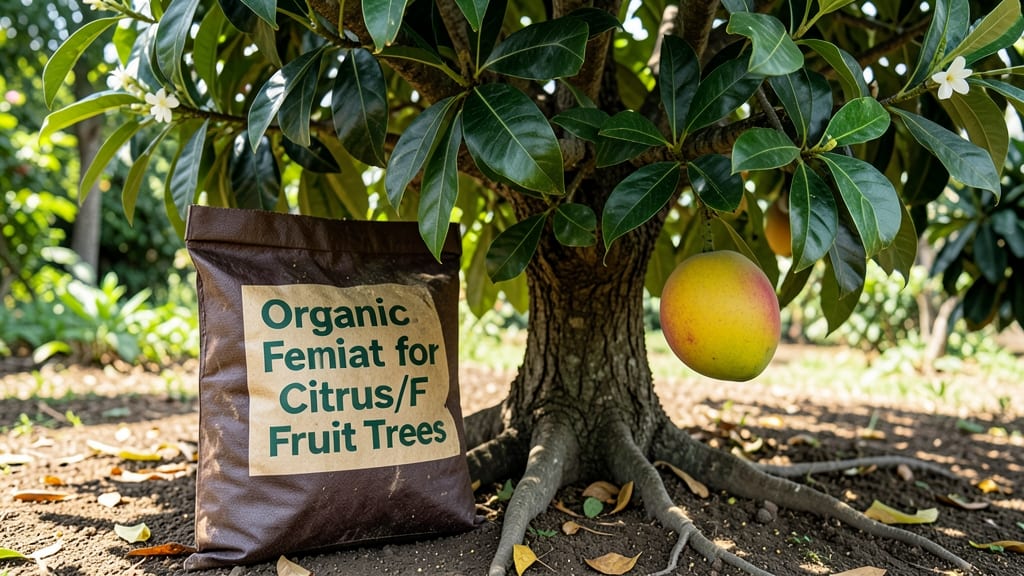
The right fertiliser for mango tree isn’t just about fruit—it’s about lush, vibrant growth that keeps producing year after year. I learned this the hard way when my first mango tree struggled despite perfect sunlight, only to thrive after adjusting its diet.
The key? Balancing nitrogen for leafy vigor and potassium for sweet, heavy fruit—without overdoing it, or you’ll end up with bitter, small harvests.
You’ll need a slow-release granular or liquid fertilizer with a 6-6-6 or 8-3-9 NPK ratio (nitrogen, phosphorus, potassium), plus micronutrients like zinc and magnesium. Organic options like composted manure or banana peel tea work too, but synthetic blends give faster results for established trees.
The trick is seasonal timing: feed lightly in spring to kickstart growth, then switch to potassium-heavy formulas as flowers appear.
What you’ll get is a tree that blooms reliably and bears fruit twice a year, with glossy leaves and sturdy branches. The first signs of success? Thicker stems, darker green foliage, and flowers that stick around instead of dropping.
Even better, the soil stays fertile longer, so you won’t need to fertilize as often once the tree matures.
Works for container-grown mangoes too—just halve the amounts. Here’s how to avoid common mistakes like over-fertilizing (which burns roots) and why your tree might still struggle despite feeding. Let’s get those mangoes growing!
📚 In This Guide
- What you need
- Instructions
- Tips and common mistakes
- Wrapping up and next steps
What you need
- ● Balanced NPK Fertilizer (10-10-10 or 12-12-12): 1–2 lbs per tree (adjust based on age/size). Look for slow-release options for steady nutrient delivery.
- ● Potassium-Specific Fertilizer (e.g., Potassium Sulfate or Muriate of Potash): ½–1 lb per tree to boost fruit quality and disease resistance.
- ● Nitrogen Supplement (e.g., Urea or Ammonium Sulfate): ½ lb per tree during spring growth for leafy vigor.
- ● Organic Matter (Compost or Well-Rotted Manure): 5–10 gallons per tree to improve soil structure and microbial activity.
- ● pH Test Kit or Soil Testing Kit: To check soil acidity (ideal range: 5.5–7.0 for mangoes).
- ● Watering Can or Hose with Spray Nozzle: For even distribution of fertilizers.
- ● Gloves and Safety Goggles: Protect yourself from dust and skin irritation.
- ○ Garden Fork or Tiller: Loosens soil for better root absorption (optional but helpful for compacted soil).
- ● Measuring Cups or Scale: Ensures precise fertilizer dosing—avoid over- or under-application!
- ● Mulch (Straw, Wood Chips, or Pine Needles): 2–3 inches around the tree base to retain moisture and regulate temperature.
- ● Micronutrient Booster (e.g., Chelated Iron or Zinc): Use sparingly (follow label instructions) if leaves show deficiency signs (e.g., yellowing).
- ● Tree Band or Fertilizer Spreader: For even application around the drip line (area under the tree’s canopy).
Step-by-step guide for fertilizing a mango tree
Balancing nitrogen and potassium is key to keeping your mango tree productive and healthy.
Test Soil Before Applying Fertilizer
A soil test reveals what nutrients your tree already has and what it lacks. Mango trees thrive in slightly acidic soil with a pH between 5.5 and 7.0. If your soil is too alkaline, the tree struggles to absorb nutrients, even if you add fertilizer. Send a sample to a local agricultural extension office or use a home test kit for quick results.
Dig a 6-inch-deep hole near the tree’s drip line—the area where water naturally falls from the canopy. Collect soil from multiple spots around the tree, about 3-4 inches deep, and mix it thoroughly. Label the sample with the tree’s location and send it in for analysis. This step ensures you’re not overcorrecting with fertilizer—too much nitrogen can lead to lush foliage but fewer fruits.
Choose the Right Fertilizer Blend
Mango trees need a balanced fertilizer with a higher nitrogen content early in the season to support leaf growth, but potassium becomes critical as fruits develop. Look for a 6-6-6 or 8-3-9 blend (nitrogen-phosphorus-potassium ratio) for general feeding. For flowering and fruiting stages, switch to a 3-1-5 or 5-3-7 blend to emphasize potassium and phosphorus.
Avoid quick-release fertilizers, which can burn roots. Instead, opt for slow-release granules or organic options like composted manure or bone meal. These break down gradually, providing steady nutrition without shocking the tree. Apply fertilizer in early spring when new growth begins and again 6-8 weeks before harvest to support fruit development.
Apply Fertilizer Correctly for Maximum Absorption
Spread the fertilizer evenly in a 12-inch-wide band around the tree’s drip line, avoiding direct contact with the trunk. Use about 1 pound of fertilizer per inch of trunk diameter—for example, a tree with a 6-inch trunk would need roughly 6 pounds of a 6-6-6 blend. Water the area deeply before and after applying fertilizer to help it dissolve and reach the roots.
Don’t fertilize during drought or extreme heat, as the tree’s roots won’t absorb nutrients efficiently. Instead, wait for mild, rainy weather or water thoroughly before application. Over-fertilizing can lead to salt buildup in the soil, which harms root health. If you notice yellowing leaves or stunted growth, flush the soil with water to reduce excess salts.
Monitor and Adjust Based on Tree Response
Watch for signs of nutrient deficiency or excess. Dark green, healthy leaves and steady fruit production indicate balanced fertilization. If leaves turn yellow with green veins, the tree may need more iron or magnesium. Brown leaf edges often signal potassium deficiency, while excessive new growth with few fruits suggests too much nitrogen.
Adjust your fertilizer routine based on these cues. For example, if your tree flowers poorly, increase potassium in the next application. If fruits drop prematurely, it may need calcium or boron, which can be added as supplements. Keep records of when and what you fertilize to track patterns—this helps fine-tune the process over time.
Maintain Soil Health Year-Round
Fertilizer alone isn’t enough—healthy soil is the foundation. Mulch the base of the tree with 2-3 inches of organic mulch, like wood chips or compost, to retain moisture and improve soil structure. Keep mulch 6 inches away from the trunk to prevent rot. Regularly add compost or well-rotted manure to replenish organic matter, especially in sandy or clay soils.
Prune the tree lightly after fertilizing to encourage airflow and reduce stress. Remove any dead or diseased branches, and thin out crowded growth to let sunlight reach the inner canopy. This combination of proper fertilization, soil care, and pruning keeps your mango tree thriving and productive for years.
Tips & tricks for perfect mango tree fertilization
Balancing nutrients for a thriving mango tree isn’t just about throwing fertilizer at the roots—it’s about precision and timing that directly impacts fruit production. Here’s what I’ve learned after years of working with tropical fruit trees.
Soil Testing is Non-Negotiable: That 5.5-7.0 pH range isn’t arbitrary—it’s the sweet spot where your mango tree can actually absorb nitrogen and potassium efficiently. I’ve seen trees with perfect fertilizer applications fail because their soil was too alkaline. If your test shows pH above 7.0, consider adding elemental sulfur or peat moss to lower it gradually. The 6-inch depth for sampling might seem shallow, but that’s where most root activity happens for established trees.
Fertilizer Timing is Everything: The early spring application aligns with new growth, while the 6-8 week pre-harvest window ensures potassium is available when fruits are developing. I’ve noticed that trees fertilized during drought stress show signs of salt burn—those brown leaf edges are a classic symptom. Always water deeply before and after applying fertilizer to help nutrients move through the soil profile. For organic options, composted manure should be fully decomposed to avoid ammonia burns.
Visual Cues for Adjustments: Those yellow leaves with green veins? That’s classic iron deficiency, not just nitrogen. Brown edges specifically along the leaf margins? Potassium deficiency. But here’s the thing—these symptoms often show up after it’s too late for that season’s fertilization. Start monitoring leaf color in late winter so you can adjust your spring blend accordingly. I keep a simple chart tracking leaf conditions and fertilizer applications to spot patterns.
Mulch Matters More Than You Think: The 2-3 inches of organic mulch isn’t just for looks—it creates a microclimate that retains moisture and regulates soil temperature. I’ve seen trees with perfect fertilizer applications struggle during summer heat because the mulch layer was too thin. Keep that 6-inch clearance from the trunk to prevent rot, but don’t skimp on the coverage. Wood chips break down slowly, while compost adds immediate organic matter—both work well in different seasons.
Pro Tips for Fertiliser For Mango Tree
- Balancing nutrients for a thriving mango tree isn’t just about throwing fertilizer at the roots—it’s about precision and timing that directly impacts fruit production.
- Soil Testing is Non-Negotiable: That 5.5-7.0 pH range isn’t arbitrary—it’s the sweet spot where your mango tree can actually absorb nitrogen and potassium efficiently.
- Fertilizer Timing is Everything: The early spring application aligns with new growth, while the 6-8 week pre-harvest window ensures potassium is available when fruits are developing.
Frequently asked questions
Got questions about fertilizing your mango tree?
You’re not alone! Here are answers to the most common concerns—from timing to troubleshooting—so you can keep your tree thriving and fruiting like a pro.
When is the best time to fertilize a mango tree?
The ideal times are early spring (before flowering) and late summer (after harvest). Young trees (under 3 years) need lighter, frequent feedings, while mature trees benefit from heavier applications 2-3 times per year. Avoid fertilizing during extreme heat or drought—roots need moisture to absorb nutrients!
What if my mango tree’s leaves turn yellow?
Yellowing leaves often signal nitrogen deficiency or overwatering. Check the soil: if it’s soggy, reduce watering. If dry, apply a balanced NPK fertilizer (e.g., 10-10-10) or compost. For severe cases, a foliar spray with iron chelate can help.
Can I use organic fertilizers instead of synthetic ones?
Organic options like compost, cow dung, or vermicompost work wonders for long-term soil health. For a quick boost, mix in banana peels (potassium-rich) or fish emulsion (nitrogen-packed). Just ensure they’re well-decomposed to avoid burning roots. Pro tip: Alternate organic and synthetic fertilizers for best results!
How do I know if my mango tree is over-fertilized?
Watch for crispy leaf edges, stunted growth, or white crusts on soil—these are red flags. If you suspect over-fertilization, flush the soil with water to leach excess salts, then reduce future doses by half. Always follow package instructions and water thoroughly after application!
Will fertilizer increase mango fruit size or sweetness?
Fertilizer won’t magically sweeten mangoes, but a balanced NPK ratio (e.g., 16-8-8) promotes larger, healthier fruit by boosting photosynthesis and root strength. For sweeter flavors, focus on potassium (K) and phosphorus (P) in late summer, and ensure the tree gets full sun and proper watering.
Wrapping up and next steps
Choosing the right fertiliser for your mango tree is the secret to bountiful, sweet fruit year after year! 🌱 Whether you’re focusing on a nitrogen-potassium boost or balancing micronutrients, consistency and care will pay off in delicious rewards.
Start small, monitor your tree’s response, and adjust as needed—your hard work will turn into a harvest you’re proud of.
Ready to take the next step? Test your soil every 6 months to fine-tune your approach, and don’t hesitate to experiment with organic or synthetic blends to see what works best for your climate. Happy gardening—your mango tree (and future snacks!) will thank you! 🍈✨