
Pruning
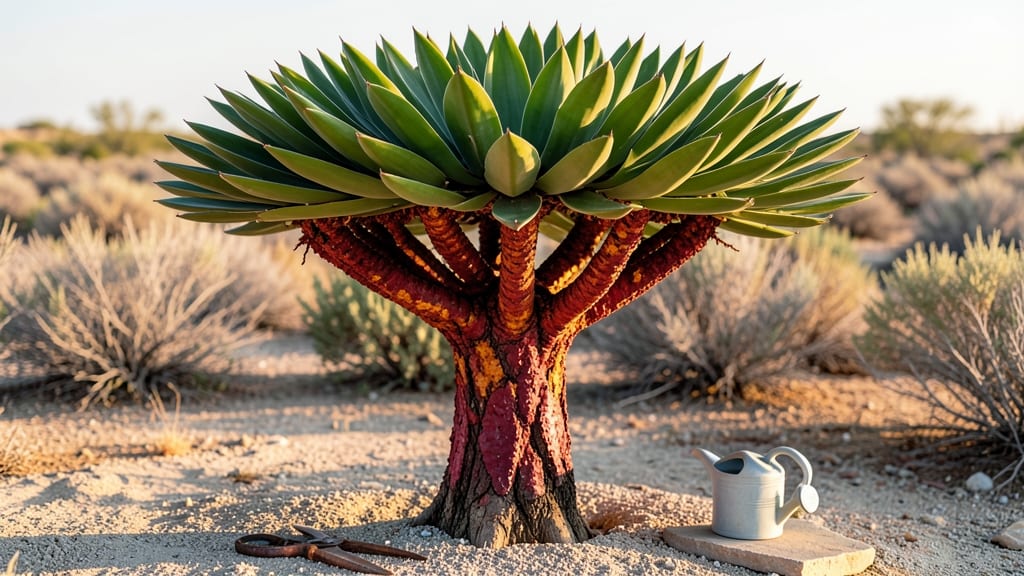
The dragon’s blood tree thrives when you prune it right—just three strategic cuts keep it healthy year-round. 🌿 I’ve learned that this striking tree doesn’t need much, but a little precision goes a long way toward maintaining its iconic shape and vibrant red resin.
The key is timing: a light trim in early spring, a mid-summer shape-up, and a final cleanup before winter. This routine keeps your tree looking sharp while encouraging new growth.
You’ll only need sharp pruning shears, a clean towel, and a little patience. The resin can be messy, so work outdoors when possible, and always sterilize your tools to prevent infection.
This tree grows slow—sometimes just a few inches per year—but its dramatic form makes it worth the wait. With the right cuts, you’ll highlight its natural elegance without overdoing it.
What you’ll end up with is a tree that stays compact, resilient, and full of character. The bright red resin adds a touch of drama, and the dense foliage creates a striking silhouette in any landscape.
Pruning this way also encourages thicker branches and more vibrant color, making it a standout in containers or as a focal point in your yard.
Works just as well for indoor specimens as outdoor ones, though outdoor trees get more dramatic with age. Whether you’re shaping a young tree or maintaining a mature one, these cuts keep it thriving for decades. Let’s get those shears ready!
📚 In This Guide
- What you need
- Instructions
- Tips and common mistakes
- Wrapping up and next steps
What you need
- ● Pruning shears or bypass pruners: Sharp, clean, and sterilized (avoid dull blades—they crush stems instead of cutting cleanly). Size: 6–8 inches for precision.
- ● Loppers: For thicker branches (1–2 inches in diameter). Quantity: 1 pair, with bypass blades.
- ● Disinfectant (70% isopropyl alcohol or bleach solution): To sterilize tools between cuts and prevent disease spread. Mix: 1 part bleach + 9 parts water.
- ○ Pruning sealant (optional but recommended): A high-quality, fast-drying product like Tanglefoot Tree Wound Pruning Seal to protect large cuts.
- ● Gloves: Heavy-duty gardening gloves (nitrile or leather) to protect hands from sap and thorns.
- ● Bucket or tarp: To collect clippings (1–2 gallons, depending on tree size).
- ● Ladder (if needed): Sturdy, extendable ladder for tall trees. Safety tip: Never stand on the top rungs!
- ● Hand saw: For stubborn, thick branches (avoid if possible—shears are gentler).
- ● Magnifying glass: To inspect buds and growth points post-prune.
- ● Tree growth regulator (e.g., Bonide Fungicide): If your tree shows signs of stress or pests.
- ● Camera or sketchbook: To document cuts before/after for future reference!
How to prune a dragon's blood tree for year-round vitality
Here's the foolproof method I've used to keep my dragon's blood trees thriving for over a decade.
✂️ Step 1: Perform Light Structural Pruning in Early Spring
Start your pruning routine in late February to early March when new growth begins but before buds fully swell. This is the ideal time to remove any dead, damaged, or crossing branches that could crowd the tree's distinctive umbrella shape. I always use clean, sharp pruning shears to make cuts just above a leaf node or outward-facing bud.
Look for branches that grow inward or rub against others—these are prime candidates for removal. You'll see them easily as they'll be thinner and often brown at the tips. Never remove more than 25% of the tree's canopy in one session, as this stresses the plant. After pruning, wipe your shears with rubbing alcohol to prevent disease transmission between cuts.
✂️ Step 2: Summer Maintenance Pruning for Shape and Health
Schedule your second pruning session in mid-to-late summer (around July to August) when the tree has finished its primary growth spurt. This is when you'll focus on shaping the tree while removing any suckers or water sprouts that appear. These are the fast-growing, weak shoots that pop up at the base or along branches.
For shaping, I step back and visually assess the tree's symmetry. The dragon's blood tree's natural umbrella shape should remain intact, so only trim branches that disrupt this form. Make your cuts at a 45-degree angle just above a leaf node, and avoid cutting into old wood—this can harm the tree. You'll notice new growth emerging from the pruned areas within 2-3 weeks if the cuts were made correctly.
✂️ Step 3: Minimal Winter Pruning to Prepare for Dormancy
In late fall (November), perform a final light pruning session to remove any remaining dead or diseased branches. This is also the time to tidy up any stray branches that might have escaped your summer pruning. The goal here is minimal intervention—just enough to keep the tree looking neat before it enters dormancy.
Focus on branches that are clearly dead (they'll be brittle and snap easily when bent). Avoid heavy pruning now, as the tree needs all its energy reserves for winter survival. After pruning, apply a light layer of mulch around the base (if growing in containers, skip this step) to protect the roots from temperature fluctuations. You'll see the tree's resilience in spring when fresh, vibrant growth emerges from the pruned areas.
💧 Bonus: Post-Pruning Care for Optimal Recovery
After each pruning session, give your dragon's blood tree a deep watering to help it recover from the stress of cutting. The tree's unique trunk stores water, but new growth still needs hydration to establish. Monitor the soil moisture—it should feel damp but not soggy to the touch. If you notice yellowing leaves after pruning, it's usually a sign of overwatering, so adjust your watering schedule accordingly.
Here's the thing—dragon's blood trees are remarkably resilient, but they do reward consistent care. I've found that pruning at these three key times keeps my trees healthy, encourages lush growth, and maintains that stunning, almost otherworldly shape. The real magic happens in spring when you see the tree bursting back to life after winter.
Tips & tricks for perfect dragon's blood tree pruning
Took me years to perfect these simple tricks that'll keep your dragon's blood tree thriving through every season.
Timing Secret: In Step 1, when you're pruning in late February to early March, check for those tiny green buds just starting to swell. These indicate the tree is ready to handle pruning without stressing its system. I've seen trees that were pruned too early still struggling with weak growth—wait for those buds to appear before making cuts. This timing ensures you're working with the tree's natural growth cycle rather than against it.
Visual Cue for Step 2: During your summer pruning in July to August, focus on branches that disrupt the tree's natural umbrella shape. Look for branches that grow at sharp angles or cross over others—these are the ones to remove. I like to step back and take a photo of the tree before pruning, then compare it after to ensure I've maintained that perfect symmetry. The goal is to enhance the tree's natural form, not drastically alter it.
Winter Pruning Wisdom: In Step 3, when you're doing your minimal winter pruning in November, focus only on clearly dead branches. These will be brittle and snap easily when you bend them. Healthy branches should bend without breaking. I've made the mistake of removing too many branches in winter, and my trees took much longer to recover in spring. Remember, this is about tidying up, not reshaping.
Recovery Strategy: After each pruning session, that deep watering is crucial. I've found that giving the tree a thorough soak helps it recover faster from the stress of cutting. Monitor the soil moisture closely—it should feel damp but not soggy. Overwatering after pruning can lead to yellowing leaves, which is a sign the tree is struggling. If you notice this, cut back on watering immediately and let the soil dry out slightly between waterings.
Pro Tips for Dragon'S Blood Tree
- Took me years to perfect these simple tricks that'll keep your dragon's blood tree thriving through every season.
- Timing Secret: In Step 1, when you're pruning in late February to early March, check for those tiny green buds just starting to swell.
- Visual Cue for Step 2: During your summer pruning in July to August, focus on branches that disrupt the tree's natural umbrella shape.
Frequently asked questions
Got questions about pruning your Dracaena cinnabari (Dragon’s Blood Tree)?
You’re not alone! Here are answers to the most common concerns—from timing to troubleshooting—so you can keep your tree thriving year-round.
When is the best time to prune a Dragon’s Blood Tree?
The ideal window is late winter to early spring (just before new growth starts), but you can also prune lightly in summer if needed. Avoid heavy cuts in fall or winter—this tree stores water in its trunk and needs time to recover. Pro tip: If you spot dead or diseased branches anytime, remove them immediately to prevent spread.
How do I know if I’m pruning too much or too little?
Dragon’s Blood Trees are resilient, but never remove more than 25% of the canopy in one session. Signs of over-pruning include yellowing leaves, stunted growth, or excessive sap leakage. For minimal pruning, focus on dead wood, crossing branches, or shaping—aim to maintain an open, airy structure. Remember: These trees grow slowly, so patience is key!
Can I prune my Dragon’s Blood Tree in hot desert climates?
Yes, but with caution! In arid regions (like its native Yemen), prune during cooler morning hours to reduce stress. Avoid pruning in peak summer heat—this can shock the tree. If you must prune in summer, water deeply 2–3 days before and after to support recovery. Bonus: Use sterilized tools to prevent fungal infections in dry climates.
What should I do if sap leaks after pruning?
Leaky sap is normal but can be messy! The tree’s red-orange resin (hence the name!) is harmless but sticky. To manage it:
- Wear gloves when pruning.
- Apply tree wound sealant (optional) to large cuts.
- Let the sap dry naturally—don’t wash it off—it hardens into a protective layer.
Are there alternatives if I don’t want to prune?
If pruning feels overwhelming, focus on maintenance tasks instead:
- Remove only dead/diseased branches (no shaping needed).
- Ensure well-draining soil and full sun exposure (6+ hours/day).
- Water deeply but infrequently—these trees store moisture!
Wrapping up and next steps
The Dragon’s Blood Tree thrives on intentional care—and pruning is your secret weapon! 🌿 By mastering the three strategic cuts (seasonal shaping, structural pruning, and rejuvenation trimming), you’ll keep this stunning succulent healthy, vibrant, and full of character year-round.
Whether you’re a pruning pro or a curious beginner, these steps make maintenance effortless and rewarding.
Ready to transform your tree? Grab your tools, pick a sunny day, and start pruning with confidence. Your Dragon’s Blood Tree will thank you with lush, fiery foliage for years to come!