
Pruning
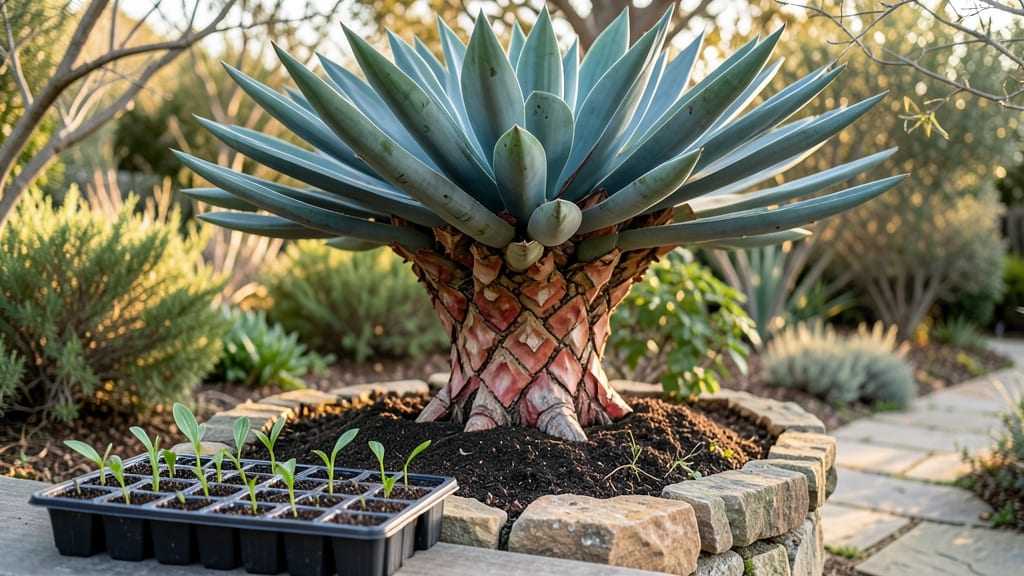
Growing dragon blood tree seeds feels like nurturing a tiny piece of the Canary Islands' rugged beauty right in your backyard. 🌱 These seeds are notoriously slow to sprout, but with the right approach—warmth, patience, and just the right soil mix—you can coax them into life.
I’ve learned the hard way that rushing this process leads to disappointment, so let’s set expectations: we’re talking months, not weeks, before you see that first sign of green.
The secret starts with mimicking their natural desert habitat. A mix of cactus soil and perlite keeps roots happy while allowing airflow, and a bottom heat mat (set to 75-80°F) speeds up germination without overworking the seeds.
Most gardeners skip this step and wonder why nothing happens—don’t be one of them. Once you’ve got the conditions right, the wait becomes part of the adventure, like watching a slow-motion sunrise over a volcanic landscape.
What you’ll end up with isn’t instant gratification, but something far more rewarding: a slow-growing, drought-resistant tree that could live for centuries with proper care. The first leaves will be small and delicate, but they’ll toughen up as the plant matures, developing that signature deep green, leathery foliage.
This is where the real magic happens—seeing a plant you nurtured from seed become a striking centerpiece in your garden or container.
Now, here’s the plot twist: most gardeners propagate dragon blood trees from cuttings instead of seeds, because it’s faster and more reliable. But seeds offer something cuttings can’t—a deeper connection to the plant’s wild roots. If you’re up for the challenge, let’s get those seeds started the right way.
📚 In This Guide
- What you need
- Instructions
- Tips and common mistakes
- Wrapping up and next steps
What you need
- ● Dragon Blood Tree Seeds: 5–10 fresh, viable seeds (ensure they’re sourced from a reputable supplier for best results).
- ● Well-draining cactus/succulent soil mix: 2–3 gallons (avoid heavy garden soil—these seeds despise soggy roots!).
- ● Small pots or seed trays: 4–6 inches in diameter (with drainage holes—critical for desert plants!).
- ● Gravel or perlite: 1 cup (for a top layer to prevent rot and mimic arid conditions).
- ● Spray bottle: For gentle watering (no soaking—these seeds hate excess moisture!).
- ● Clear plastic wrap or humidity dome: To create a mini greenhouse effect during germination.
- ● Grow lights or sunny windowsill: A spot with bright, indirect light (6+ hours daily).
- ● Seed scarification tool: Sandpaper or a knife (to nick seeds if they’re extra tough).
- ● Heat mat: Set to 75–85°F (24–29°C) to speed up germination.
- ● Fertilizer (low-nitrogen, diluted): Like a 5-5-5 blend (use only after sprouts appear!).
- ● Humidity monitor: To keep levels around 40–60% (dragon blood trees love dry air!).
- ● Larger pots (6+ inches): For transplanting once seedlings grow 2–3 inches tall.
Step-by-step guide to germinating dragon blood tree seeds
Here's how I've successfully coaxed these finicky seeds to life—patience and precision are key.
🌱 Step 1: Pre-Treat Seeds for Maximum Germination
Dragon blood tree seeds have a hard outer shell that needs softening before planting. Fill a small container with lukewarm water and add the seeds. Let them soak for 24-48 hours—you'll know they're ready when the outer coating looks slightly wrinkled and the seed feels softer to the touch.
Here's the thing—don't skip this step. Seeds that haven't been pre-treated often fail to germinate, and when they do, it takes months instead of weeks. After soaking, drain the water completely and let the seeds air-dry for 1 hour on a paper towel. This prevents rot once they hit the soil.
🪴 Step 2: Prepare Sterile, Well-Draining Soil Mix
Use a blend of 50% cactus/succulent mix and 50% perlite or coarse sand for optimal drainage. Dragon blood trees hate soggy roots, and this mix mimics their natural arid environment. Fill small pots (about 3-4 inches deep) with the mixture, leaving ½ inch of space at the top.
I tap the pots gently on the table to settle the soil without compacting it. The goal is a loose, airy medium that lets excess water drain away immediately. Moisten the mix lightly with a spray bottle until it's damp but not wet—think of a wrung-out sponge. Overwatering at this stage is the fastest way to kill seeds before they even sprout.
☀️ Step 3: Plant Seeds at the Right Depth and Temperature
Plant the pre-treated seeds ¼ inch deep—any deeper and they may never emerge. Space them 1 inch apart in the pot, as they'll need room to grow without competing for nutrients. Gently press the soil around them to ensure good contact.
Place the pots in a warm, bright location with temperatures between 75-85°F. I use a seedling heat mat set to 80°F for the first 2 weeks, as consistent warmth is critical for germination. Cover the pots loosely with clear plastic wrap to retain humidity, but remove it daily for 10 minutes to prevent mold.
💧 Step 4: Monitor Moisture and Wait for Sprouts
Water the soil lightly every 3-4 days, allowing the top ½ inch to dry out between waterings. Use a spray bottle to mist the soil rather than pouring water directly—this prevents disturbing the seeds. You'll see condensation form on the plastic wrap, which is normal and indicates proper humidity levels.
Germination can take 3-6 weeks, so don't give up if nothing happens in the first 2 weeks. When sprouts appear, they'll look like tiny, pale green needles. Once you see first true leaves (they'll be broader than the initial sprouts), remove the plastic wrap completely and move the pots to a location with bright, indirect light.
⏰ Step 5: Transition to Desert-Like Growing Conditions
After the seedlings develop 2-3 sets of true leaves, gradually introduce them to direct morning sun for 1-2 hours daily, increasing exposure over 2 weeks. Dragon blood trees thrive in arid conditions, so mimic their habitat by reducing humidity and increasing airflow around the plants.
Real talk: These seedlings are sensitive to overwatering now. Let the soil dry out completely between waterings, and use a pot with drainage holes to prevent root rot. Once they're established, you can fertilize lightly with a diluted cactus fertilizer every 4-6 weeks during the growing season.
Tips & tricks for perfect dragon blood tree seed germination
These subtle adjustments will help you avoid the most common pitfalls with these notoriously tricky seeds.
Soaking Test: After the 24-48 hour soak, test seed readiness by gently pressing between your fingers. The shell should give slightly but still feel firm—like a ripe avocado. If it's still rock-hard, extend the soak another 12 hours. Over-soaking (beyond 48 hours) can cause the seed to split, which invites rot. I've seen seeds that failed to germinate because they were tested too early—patience here makes all the difference.
Temperature Consistency: The 75-85°F range is critical, but don't assume your home environment stays within this zone. Use a small thermometer near the pots to monitor—some homes have temperature swings of 10°F or more between day and night. If your space runs cooler, consider a seedling heat mat set to 80°F for the full 2 weeks, not just the first week. I've had batches that took twice as long to germinate simply because the nighttime temps dropped below 70°F.
Humidity Balance: That daily 10-minute plastic wrap removal is non-negotiable. I've seen mold develop within 48 hours on pots that stayed covered continuously. The condensation you see on the plastic is your humidity indicator—if it's dripping instead of just beading, you're overdoing it. For extra insurance, prop the plastic wrap slightly ajar with a toothpick to allow airflow while maintaining moisture.
Light Transition Strategy: When moving seedlings to bright indirect light after true leaves appear, don't rush the process. Gradually increase exposure over 5-7 days rather than the suggested 2 weeks if your space has very bright light. Watch for leaves that look pale or stretched—these are signs of light shock. I've had seedlings that actually died from too much sun too soon, so err on the side of caution with these delicate young plants.
Pro Tips for Dragon Blood Tree Seeds
- These subtle adjustments will help you avoid the most common pitfalls with these notoriously tricky seeds.
- Soaking Test: After the 24-48 hour soak, test seed readiness by gently pressing between your fingers.
- Temperature Consistency: The 75-85°F range is critical, but don't assume your home environment stays within this zone.
Frequently asked questions
Got questions about growing these striking desert gems?
Here are answers to the most common queries about Dracaena cinnabari seeds—from germination tips to troubleshooting—so you can nurture your own dragon blood tree with confidence!
How long does it take for dragon blood tree seeds to germinate?
Patience is key! These seeds can take 4 to 12 weeks to sprout, depending on temperature (ideal: 70–80°F) and moisture consistency. Keep the soil lightly damp but not soggy, and avoid disturbing the pot. If no sprouts appear after 3 months, check seed viability or try scarifying them gently with sandpaper.
Why aren’t my dragon blood tree seeds sprouting?
Common culprits include:
- Cold temps: Seeds need warmth—use a heat mat if your home dips below 65°F.
- Poor soil contact: Press seeds lightly into soil (don’t bury deep) to ensure moisture reaches them.
- Old or dead seeds: Test viability by soaking seeds overnight—if they float, they’re likely inert.
- Overwatering: Dampness leads to rot; let the top inch of soil dry slightly between waterings.
Try a fresh batch of seeds or adjust conditions gradually.
Can I speed up germination with any tricks?
Yes! Pre-soak seeds in lukewarm water for 24 hours to soften the hard outer shell. For stubborn seeds, scarify them lightly with fine-grit sandpaper or nick the shell with a knife—this mimics natural wear and boosts moisture absorption. Place the tray under grow lights (12+ hours/day) to encourage early sprouting.
Are there alternatives if I can’t find dragon blood tree seeds?
If seeds are scarce, consider these options:
- Layering or cuttings: Propagate from a mature dragon blood tree’s branches (root in perlite/sand mix).
- Similar drought-resistant seeds: Try Dracaena marginata (dragon tree) or Euphorbia tirucalli (pencil cactus) for a comparable look.
- Nursery-grown seedlings: Specialty succulent growers often sell young plants (pricier but foolproof!).
Each offers a unique twist on desert elegance!
How do I care for seedlings once they sprout?
New sprouts need bright, indirect light (no harsh sun) and well-draining soil (cactus/succulent mix). Water sparingly—let soil dry completely between waterings to prevent rot. Once 2–3 inches tall, transplant to individual pots with drainage holes. Fertilize lightly (diluted succulent fertilizer) every 2–3 months in spring/summer.
Wrapping up and next steps
Growing dragon blood tree seeds may seem like a challenge, but with patience and the right techniques, you can nurture these stunning desert blooms into thriving plants. Remember, consistency in moisture, warmth, and light is key—your green thumb will thank you! 🌱
Ready to take the next step? Start by ordering high-quality seeds from a trusted supplier and gather your supplies. Then, dive into the rewarding journey of cultivating one of nature’s most unique and resilient trees—your desert oasis awaits! 🌵✨