Pruning
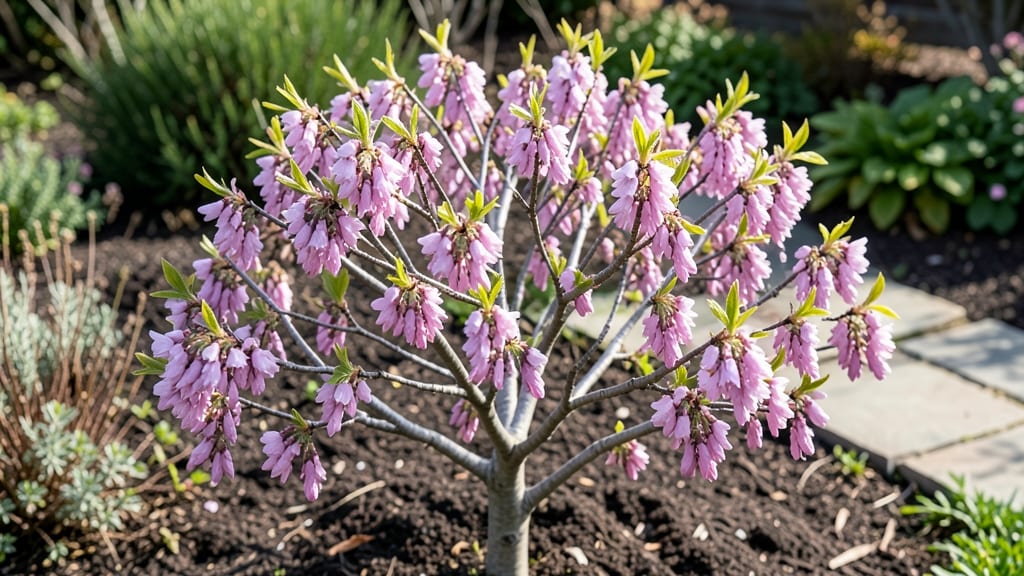
The Don Egolf dwarf redbud tree brings spring's pink magic to small spaces without the sprawl. I planted mine last April, and by May, those delicate blooms covered every branch—like nature's own confetti. This compact beauty thrives where bigger trees fail, making it perfect for tight yards or container gardens.
This tree loves well-draining soil and full sun to partial shade, but it’s forgiving about both. Water it consistently the first year, then let the roots find their own moisture—it’s drought-tolerant once established.
In USDA zones 4-8, it handles cold snaps and heat waves with equal grace, though spring frosts might nip early blooms.
Pruning is simple: trim dead branches in late winter and shape lightly after flowering. The 3-6 foot height keeps it manageable, and its layered branches create natural interest year-round. By summer, you’ll have glossy foliage, and in fall, golden leaves add another layer of charm.
Common challenges? Aphids or powdery mildew in humid climates, but a spray of water or fungicide keeps them at bay. Use it as a focal point, border plant, or even in large pots—its versatility is its best feature. Ready to grow one that steals the show?
📚 In This Guide
- What you need
- Instructions
- Tips and common mistakes
- Wrapping up and next steps
What you need
- ● Pruning shears: Bypass pruners (for small branches, 4–6 inches long) – 1 pair (look for stainless steel blades for durability).
- ● Loppers: For thicker branches (up to 1.5 inches in diameter) – 1 pair (choose ratcheting loppers for ease).
- ○ Hand pruners: Anvil-style (for dead/diseased wood) – 1 pair (optional but handy).
- ● Disinfectant: 70% isopropyl alcohol or a 10% bleach solution (for sterilizing tools between cuts) – small bottle.
- ● Gloves: Heavy-duty gardening gloves (to protect from thorns and sap) – 1 pair.
- ○ Pruning saw: (For any branches too thick for loppers, though rare in dwarf varieties) – 1 saw (optional but useful).
- ● Tarp or bucket: For collecting debris – 1 medium-sized.
- ● Pruning sealant: (For sealing large cuts to prevent disease) – small tube.
- ● Extension pole: (For reaching higher branches) – adjustable 3–6 ft.
- ● Notebook/pencil: (To sketch a pruning plan or track cuts).
- ● Safety glasses: (If dealing with heavy branches or debris).
How to plant and care for a Don Egolf dwarf redbud tree
This compact beauty thrives with the right placement and consistent attention—here’s how to set it up for years of stunning spring blooms.
Choose the Perfect Planting Location
The Don Egolf Dwarf Redbud thrives in full sun to partial shade, with at least 6 hours of direct sunlight daily for optimal flowering. I always pick a spot with morning sun and afternoon dappled light—this prevents leaf scorch while ensuring vibrant blooms. Avoid low-lying areas where cold air settles, as this tree is hardy to USDA Zones 5-9 but can suffer winter damage in frost pockets.
Test the soil by digging a 6-inch hole—the ideal spot has well-draining soil with a pH between 6.0 and 7.0. If your soil is heavy clay, amend it with 2-3 inches of compost mixed into the top 12 inches of soil. The tree’s shallow roots appreciate loose, airy soil that drains quickly but retains moisture.
Plant with Proper Spacing and Mulching
Dig a hole twice as wide as the root ball but no deeper—this encourages roots to spread horizontally rather than settling too low. Gently remove the tree from its container and loosen any circling roots with your fingers. Place it in the hole so the top of the root ball sits 1 inch above ground level—this prevents water from pooling around the trunk.
Backfill with native soil, tamping lightly every 2 inches to eliminate air pockets. Water deeply to settle the soil, then apply 2-3 inches of mulch (like shredded bark or wood chips) in a 3-inch-wide ring around the base. Keep mulch 6 inches away from the trunk to avoid rot. This mulch ring helps retain moisture while protecting roots from temperature swings.
Water Deeply and Establish a Routine
Water the tree once a week for the first month, providing 1-2 gallons per watering to ensure roots penetrate deeply. After that, water every 10-14 days unless rainfall provides 1 inch of moisture. You’ll know it’s time to water when the top 2 inches of soil feel dry—stick your finger in to check. Overwatering is the fastest way to smother roots in compacted soil.
Fertilize lightly in early spring with a balanced 10-10-10 formula, applying ½ cup per year of tree age (e.g., ¼ cup for a 2-year-old plant). Avoid high-nitrogen fertilizers—they encourage leafy growth at the expense of those prized pink blooms. The Don Egolf’s compact size means it needs minimal feeding once established.
Prune for Shape and Bloom Health
Prune immediately after flowering in late spring to shape the tree and encourage next year’s blooms. Remove any dead, crossing, or inward-growing branches first—these compete for energy and disrupt airflow. Then, thin out 10-20% of the oldest stems to open the canopy and improve light penetration to the center.
Never prune in fall or winter, as new growth won’t harden off before cold weather. If you notice leggy growth, cut back one-third of the longest branches to promote bushier, more compact growth. The tree’s natural shape is vase-like, so avoid heavy shearing—focus on refining rather than reshaping.
Protect and Maintain for Long-Term Beauty
Watch for Japanese beetles in summer—they love redbud leaves. Handpick adults or spray with neem oil if infestations appear. For winter care, wrap the trunk with tree guard in colder zones (below Zone 6) to prevent rodent damage. The Don Egolf’s dwarf stature makes it vulnerable to lawnmower blades, so mark its location with a stake or flag if planted near turf.
Every 3-5 years, top-dress the soil with 1-2 inches of compost in early spring. This replenishes nutrients without overwhelming the tree’s shallow root system. With proper care, your Don Egolf will reward you with 3-4 weeks of show-stopping pink blooms each spring, followed by heart-shaped leaves that turn golden-yellow in fall.
Tips & tricks for perfect Don Egolf dwarf redbud tree planting
These little details make all the difference between a thriving dwarf redbud and one that struggles to bloom. I’ve learned them through years of watching these delicate trees transform gardens—here’s what nobody tells you.
Sunlight Strategy: That 6 hours of direct sunlight in Step 1 is non-negotiable for vibrant blooms, but here’s the trick: if you’re in a hot climate (Zones 8-9), provide afternoon shade after the initial morning sun. I’ve seen redbuds in full afternoon sun develop sunburned leaves by mid-summer—those crispy edges ruin the tree’s delicate appearance. Position it where it gets morning rays and dappled light in the afternoon.
Soil Prep Secret: When amending heavy clay with 2-3 inches of compost in Step 1, don’t just mix it into the bottom of your hole. Spread it evenly across the entire planting area first, then dig down to incorporate. This creates a nutrient-rich zone that matches the tree’s shallow root system. I’ve seen too many redbuds planted in pockets of compost that only benefit the top roots while leaving deeper roots in compacted soil.
Watering Wisdom: The 1-2 gallons per watering in Step 3 should go directly to the root ball, not just poured around the base. Use a watering wand or soaker hose to penetrate the soil where the roots will spread. I’ve noticed that surface watering often leads to shallow root development—this tree needs encouragement to grow outward rather than upward. Water until you see moisture appear at the edges of your planting hole.
Pruning Precision: When thinning 10-20% of oldest stems in Step 4, focus on branches that are thicker than a pencil. These are the ones that compete most aggressively for energy. I make my cuts just above a bud or lateral branch to encourage new growth in the right direction. And here’s a pro move: if you’re unsure which branches to remove, take a photo first—you’ll notice patterns in how light filters through the canopy that reveal the best candidates for thinning.
Pro Tips for Don Egolf Dwarf Redbud Tree
- These little details make all the difference between a thriving dwarf redbud and one that struggles to bloom.
- Sunlight Strategy: That 6 hours of direct sunlight in Step 1 is non-negotiable for vibrant blooms, but here’s the trick: if you’re in a hot climate (Zones 8-9), provide afternoon shade after the initial morning sun.
- Soil Prep Secret: When amending heavy clay with 2-3 inches of compost in Step 1, don’t just mix it into the bottom of your hole.
Frequently asked questions
about the Don Egolf Dwarf Redbud Tree—here’s what you need to know before planting or pruning!How fast does the Don Egolf Dwarf Redbud grow?
The Don Egolf grows slowly to moderately, typically adding 6–12 inches per year. Its compact size (10–15 feet tall) makes it perfect for small gardens or containers. Patience pays off—its stunning spring blooms are worth the wait!
When is the best time to prune this tree?
Prune after flowering (late spring to early summer) to avoid cutting off next year’s blooms. Light shaping pruning can also happen in early fall. Avoid heavy pruning in winter, as it stresses the tree. Pro tip: Use clean, sharp tools to prevent disease!
Can the Don Egolf Dwarf Redbud grow in containers?
Yes! Its dwarf size makes it ideal for containers, especially if you choose a pot 12+ inches deep with drainage holes. Use well-draining soil and repot every 2–3 years for best results. Just ensure it gets full sun to partial shade and regular watering.
How cold-hardy is this tree, and does it need winter care?
The Don Egolf thrives in USDA Zones 5–9, tolerating temps down to -20°F. In colder climates, mulch around the base in late fall to protect roots. Avoid heavy pruning in winter—wait until spring to assess damage. Most trees bounce back with minimal care!
What are some alternatives if I can’t find a Don Egolf?
If this cultivar is unavailable, consider these small, blooming alternatives:
- Royal Purple® Smokebush – Compact, purple foliage, drought-tolerant
- Little Henry® Weigela – Pink blooms, low-maintenance
- Compact Cherry Tree (e.g., Stella Compact) – Spring flowers, similar size
Wrapping up and next steps
The Don Egolf Dwarf Redbud Tree is a stunning, low-maintenance choice for small gardens or containers, offering vibrant pink blooms and a compact, elegant form. With its easy pruning needs and adaptability, it’s perfect for adding color and charm to any landscape—even tight spaces! 🌸
Ready to bring this beauty into your outdoor space? Start by assessing your garden’s sunlight and soil conditions, then grab your pruning tools and get growing! Whether you’re a seasoned gardener or a beginner, this little tree will reward you with effortless elegance.