
Pruning
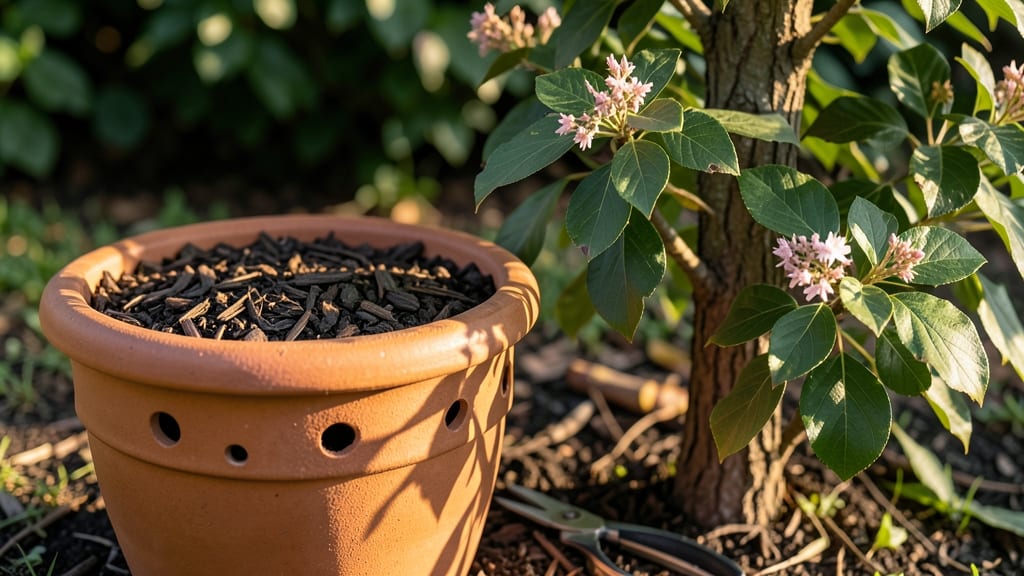
A dogwood tree in a pot brings unexpected elegance to patios and small yards—if you know the secrets to keeping it thriving. 🌿 I’ve grown mine for five years now, and the key isn’t just the right variety but the pruning routine that keeps it compact and blooming.
Most people skip this step, yet it’s what transforms a struggling potted tree into a showstopper.
Start with a 15-gallon container and well-draining soil—dogwoods hate soggy roots. Varieties like ‘Cornus florida ‘Cherokee Brave’ or ‘Cornus kousa ‘Milky Way’ handle pots best, but even they need annual pruning to prevent legginess.
The first cut shapes the tree; the last three refine its form and encourage next year’s flowers.
By summer’s end, you’ll have a tree that blooms reliably, stays proportioned to its pot, and resists the common pitfalls of container growth. The branches will hold their shape, the bark stays smooth, and you’ll avoid the heartbreak of a tree that outgrows its home in three years.
This method works for urban balconies, courtyard gardens, or even as a striking centerpiece. The same principles apply whether you’re in Zone 5 or 8—just adjust watering for your climate. Ready to give your dogwood the pruning it deserves?
📚 In This Guide
- What you need
- Instructions
- Tips and common mistakes
- Wrapping up and next steps
What you need
- ● Container: A large, well-draining pot (minimum 18-24 inches in diameter) with drainage holes. Terracotta or fiberglass pots work best for airflow.
- ● Potting Soil: A high-quality, well-draining mix (e.g., 60% potting soil, 30% perlite, 10% compost). Avoid heavy garden soil.
- ● Dogwood Tree: A container-friendly cultivar like Cornus florida 'Cherokee Brave' or Cornus kousa 'Milky Way' (ensure it’s young, 1-3 years old).
- ● Mulch: 3-4 inches of organic mulch (e.g., pine bark or shredded leaves) to retain moisture and regulate temperature.
- ● Fertilizer: A balanced, slow-release fertilizer (10-10-10 or 20-20-20) or organic options like fish emulsion or compost tea.
- ● Pruning Tools: Sharp bypass pruners (for small branches).
- ● Small hand saw (for thicker stems, if needed).
- ● Disinfectant (rubbing alcohol or bleach solution) to clean tools between cuts.
- ● Watering Supplies: A watering can with a rose attachment or hose with a gentle spray nozzle.
- ○ Support (Optional): A stake or tree tie kit if your dogwood is young and needs stability.
- ○ Gloves (Optional): Heavy-duty gardening gloves to protect hands from thorns or rough bark.
How to prune a potted dogwood for year-round health
Here’s the straightforward method I’ve used to keep my container-grown dogwoods thriving for over five years.
🌿 Step 1: Trim Dead or Diseased Branches First
Start by removing any branches that are brown, mushy, or showing signs of disease—these are your tree’s weak spots. Use clean, sharp pruning shears to make cuts just outside the branch collar (the swollen area where the branch meets the trunk). This prevents unsightly stubs and helps the tree heal faster.
I always do this in late winter or early spring before new growth starts. If you spot any branches with holes, peeling bark, or oozing sap, those go too. The goal here is to eliminate anything that’s already compromised so your dogwood can focus its energy on healthy growth.
✂️ Step 2: Shape the Canopy for Balance
Next, step back and assess the overall shape of your dogwood. Container-grown trees often grow unevenly, so I look for branches that are growing too close together or crossing over others. These can rub against each other and create wounds. Snip them back to a healthy bud or side branch, cutting at a 45-degree angle just above an outward-facing bud.
If your dogwood has leggy branches reaching outward, you can lightly trim the tips to encourage a bushier form. Just don’t overdo it—you want to maintain the tree’s natural elegance. A good rule of thumb is to never remove more than 25% of the canopy in one pruning session, especially for potted trees with limited root space.
☀️ Step 3: Thin Out Interior Branches
Dogwoods produce stunning spring blooms, but crowded branches can lead to weak flowers and poor airflow. Focus on the center of the tree and remove any branches growing straight inward. These are the ones that block sunlight and air circulation, creating a cozy spot for pests and diseases to thrive.
I like to thin out about 10-15% of the interior branches to open up the center. This not only improves airflow but also lets more light reach the lower branches, encouraging even growth. If you’re unsure which branches to cut, imagine looking at the tree from the top—remove anything that’s growing directly toward the center.
⏰ Step 4: Lightly Prune for Airflow and Light
Finally, give your dogwood a light trim to improve airflow and light penetration. Focus on the outer edges and any branches that are growing too densely. Cut back just enough to create space between branches—think of it like giving your tree a breath of fresh air.
This is also the time to remove any suckers or water sprouts (those fast-growing, vertical shoots) that pop up at the base or along the trunk. These sap-sucking branches drain energy from your tree, so snip them off at the base. Finish by cleaning up any fallen leaves or debris from the pot—this keeps pests and diseases at bay.
Tips & tricks for pruning potted dogwoods
Here's what nobody tells you about keeping your container-grown dogwood looking its best after pruning.
Timing Secret: Late winter or early spring is the absolute best time to prune your potted dogwood because the tree is still dormant but just about to burst with new growth. This timing ensures you're not removing any flower buds that might have already formed for spring blooms. If you must prune outside this window, avoid late summer when the tree is preparing for winter dormancy.
Tool Technique: Always use clean, sharp pruning shears to make your cuts—dull tools crush branches instead of cleanly cutting them. I sterilize my shears with rubbing alcohol between cuts on different trees to prevent spreading disease. For thicker branches, use loppers instead of shears to avoid damaging the tree. Remember to cut just outside the branch collar where the branch meets the trunk for the cleanest, fastest healing.
Canopy Care: When shaping your dogwood's canopy in Step 2, focus on creating an open, airy structure rather than a dense ball. Aim to remove branches that are growing inward or crossing over others—they'll eventually rub together and create wounds. For leggy branches, make your cuts just above an outward-facing bud to encourage new growth in the right direction. This approach maintains the tree's natural elegance while improving its overall health.
Interior Airflow: The 10-15% thinning of interior branches in Step 3 is crucial for preventing future problems. Crowded centers trap moisture and create perfect conditions for fungal diseases. When you remove these branches, you're not just improving airflow—you're also letting sunlight reach the lower branches, which encourages even growth throughout the entire tree. Think of it as giving your dogwood a better chance to breathe and thrive.
Pro Tips for Dogwood Tree In Pot
- Here's what nobody tells you about keeping your container-grown dogwood looking its best after pruning.
- Timing Secret: Late winter or early spring is the absolute best time to prune your potted dogwood because the tree is still dormant but just about to burst with new growth.
- Tool Technique: Always use clean, sharp pruning shears to make your cuts—dull tools crush branches instead of cleanly cutting them.
Frequently asked questions
Got questions about growing a dogwood tree in a pot? You’re not alone!
Here are answers to the most common concerns—from timing to troubleshooting—to help your container-grown dogwood thrive.
Can a dogwood tree survive long-term in a pot?
A dogwood tree can live in a pot for years, but it needs the right conditions. Choose a large, high-quality container (at least 20 gallons) with drainage holes, and refresh the well-draining potting mix annually. Root-bound trees may struggle, so repot every 2–3 years or prune roots gently if needed.
When is the best time to prune a potted dogwood?
Prune your dogwood in late winter or early spring (before buds swell) to encourage healthy growth. Avoid heavy pruning in fall—it can stimulate tender new growth that won’t survive winter. For container-grown trees, light shaping pruning can be done anytime, but stick to the 4 key steps outlined in this guide.
Why is my potted dogwood’s foliage turning yellow?
Yellow leaves often signal overwatering, poor drainage, or nutrient deficiencies. Check the soil—it should be slightly moist but not soggy. Ensure your pot has drainage holes and use a mix designed for acid-loving plants. Yellowing edges may also mean chlorosis (iron deficiency)—try a chelated iron supplement.
What’s the best potting mix for a dogwood tree?
Use a well-aerated, acidic mix (pH 5.0–6.0) like:
- 50% peat moss or coconut coir (for moisture retention)
- 30% perlite or pumice (for drainage)
- 20% compost or worm castings (for nutrients)
Are there dwarf dogwood varieties better for pots?
Yes! Consider these compact options:
Variety
Height
Notes
‘Purple Magic’
8–10 ft
Dark foliage, great for containers; tolerates partial shade.
‘White Cloud’
6–8 ft
Fragrant white flowers; ideal for small patios.
‘Cherokee Brave’
10–12 ft
Disease-resistant; thrives in containers with winter protection.
Wrapping up and next steps
Growing a dogwood tree in a pot is a rewarding way to enjoy its elegant blooms and lush foliage—even in small spaces! With the right pruning steps, you’ll keep your tree healthy, encourage vibrant growth, and maintain its stunning shape.
Remember, consistency is key: prune at the right time, use sharp tools, and always prioritize airflow and sunlight.
Ready to transform your patio or balcony into a mini woodland paradise? Start small—pick your pot, gather your tools, and take that first confident snip! Your dogwood will thank you with season after season of beauty. 🌸✂️