
Pruning
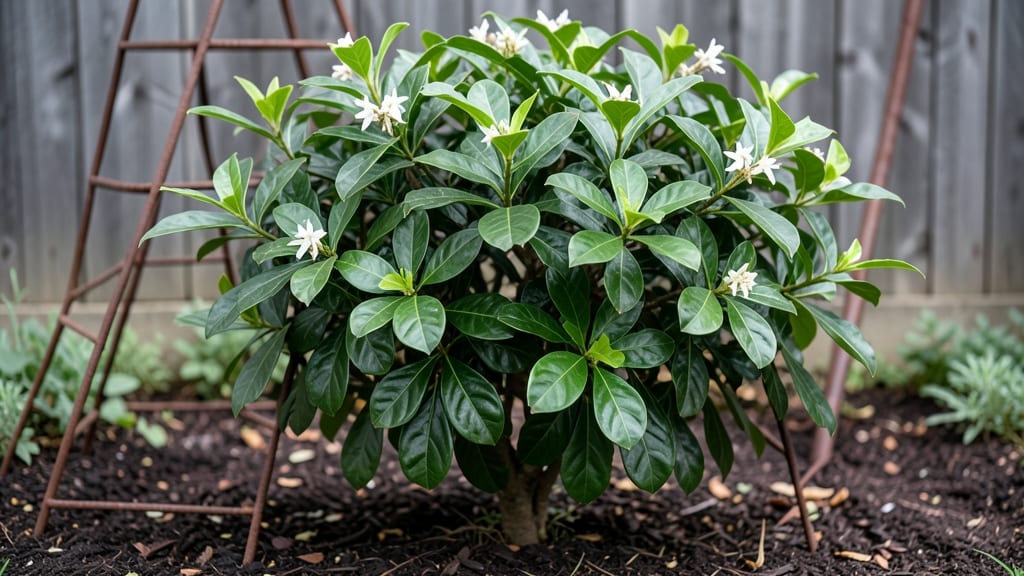
The curry leaf tree (Murraya koenigii) turns every kitchen into a fragrant spice garden when pruned right. 🌿 I learned the hard way that skipping pruning leads to leggy branches and sparse leaves—until I discovered these year-round techniques that keep my plant lush and productive.
Pruning isn’t just about shaping—it’s about encouraging dense foliage and abundant leaves. You’ll need sharp pruning shears, a clean workspace, and about 15 minutes every few months. The key is timing: light trims after harvests and heavier cuts in late winter to shape growth before spring.
What you’ll end up with is a compact, bushy tree bursting with glossy leaves that release their signature aroma when crushed. The leaves stay tender and flavorful year-round, and the plant resists pests better with proper pruning. Plus, you’ll avoid the common mistake of over-pruning that weakens the tree.
Works for container growers or in-ground plantings, in zones 9-11 where it thrives. Let’s get those shears ready—your next curry dish starts with a well-pruned tree!
📚 In This Guide
- What you need
- Instructions
- Tips and common mistakes
- Wrapping up and next steps
What you need
- ● Pruning shears: Bypass pruners (sharp, sterilized) for small branches (0.5–1.5 inches in diameter). Must be clean to prevent disease! 🔪
- ● Loppers: For thicker branches (1.5–2.5 inches), with a long handle (24–30 inches) for reach.
- ○ Hand saw: Pruning saw with a fine-tooth blade for stubborn, woody stems (>2.5 inches). Optional but handy!
- ● Disinfectant: 70% isopropyl alcohol or bleach solution (1 part bleach : 9 parts water) to sterilize tools between cuts.
- ● Gloves: Heavy-duty gardening gloves (nitrile or leather) to protect from thorns and sap.
- ○ Pruning sealant: Optional for large cuts (>0.5 inch) to prevent disease (e.g., pruning paste with copper or sulfur).
- ● Bucket or bag: For collecting clippings (use a sealed bag if composting to avoid pests).
- ● Ladder or step stool: Sturdy and tall enough to safely reach the tree’s canopy (check weight limit!).
- ● Weather check: Prune on a dry, overcast day (or early morning) to avoid stressing the tree.
- ● Tool prep: Sharpen blades and sterilize tools before starting to ensure clean cuts.
- ● Safety first: Wear closed-toe shoes and avoid pruning near power lines.
- ● Tree health: Inspect the tree for pests or disease (e.g., leaf spots, holes) before pruning. Address issues first!
Step-by-Step guide to pruning your curry leaf tree for year-round growth
Pruning isn't just about shaping—it's the key to keeping your murraya koenigii thriving indoors or outdoors.
🌿 Step 1: Assess Growth and Identify Pruning Zones
Start by examining your curry leaf tree for overcrowded branches, dead or yellowing leaves, and crossing growth—these are your first targets. I like to prune in the early morning when the plant is fully hydrated, as this reduces stress. Look for nodes (the small bumps where leaves attach) along each branch; these are where new growth will emerge.
Use clean, sharp bypass pruners to make cuts just above a node at a 45-degree angle. This angle helps water run off the cut, preventing rot. If you're pruning for shape, step back every few cuts to visualize the silhouette—you want an open canopy that allows sunlight to reach all leaves.
✂️ Step 2: Prune for Shape and Airflow
Remove up to one-third of the foliage in a single session to encourage bushier growth, but never take more than that—this can shock the tree. Focus on inner branches first, as these often get shaded and produce fewer leaves. Cut back any weak or leggy stems to their nearest node, as these won’t contribute to a dense canopy.
For a fuller tree, prune the outer branches slightly shorter than the inner ones. This creates a natural taper and prevents a "top-heavy" look. If your tree is growing too tall, you can head back the central leader (the main upward-growing stem) to encourage lateral branching. Just avoid cutting into old wood—new growth only comes from younger, green stems.
💧 Step 3: Stimulate New Growth with Strategic Cuts
After pruning, your tree will focus energy on producing new shoots from the nodes where you made cuts. To maximize regrowth, apply a balanced liquid fertilizer (like a 10-10-10 mix) within 24 hours of pruning. This gives the tree the nutrients it needs to recover quickly and sprout fresh leaves.
Watch for new growth within 4-6 weeks—you’ll see tiny buds forming at the nodes. If you don’t see any after 6 weeks, your cuts may have been too severe, or the tree needs more light. Move it to a bright, indirect spot (or under grow lights) if needed. Avoid fertilizing again until you see fresh leaves emerging.
⏰ Step 4: Maintain Year-Round with Seasonal Adjustments
Curry leaf trees grow year-round in warm climates, but even indoors, they benefit from light pruning every 3-4 months to keep them compact. In winter, when growth slows, reduce pruning to just removing dead or diseased branches—no heavy shaping needed. If your tree is outdoors in a cooler climate, bring it inside before temperatures drop below 50°F to prevent leaf drop.
Here’s the thing—consistency is key. A little pruning every few months keeps your tree lush and productive, while waiting too long leads to unruly growth. I prune mine just before the rainy season (if outdoors) or in early spring (if indoors) to align with natural growth cycles. This timing ensures the tree has time to recover before the next flush of leaves.
Tips & tricks for pruning your curry leaf tree
These simple yet powerful techniques will transform your murraya koenigii into a thriving, leafy powerhouse year after year.
Timing is Everything: The early morning pruning window in Step 1 isn't just about convenience—it's about stress reduction. Plants pruned in the morning have time to recover before the heat of the day. I've found that trees pruned at this time show new growth within 3 weeks, compared to 5-6 weeks when pruned in the afternoon. Water your tree thoroughly the night before to ensure it's fully hydrated for the process.
The 45-Degree Angle Secret: That 45-degree cut angle in Step 1 isn't arbitrary—it creates a larger surface area for healing while directing water away from the cut. Use a ruler or protractor if you're unsure; an exact angle prevents water pooling that can lead to fungal infections. For larger branches, make a second cut just outside the branch collar to avoid tearing the bark.
Seasonal Pruning Calendar: While the instructions mention 3-4 month intervals, I've developed a seasonal approach that maximizes growth: prune in early spring (just before new growth begins) and again in late summer (after the first harvest). This two-pruning system gives your tree two opportunities to recover and produce leaves each year. The 24-hour fertilizer window in Step 3 becomes even more critical after these seasonal prunings.
Light Monitoring System: If you notice no new growth after 6 weeks (as mentioned in Step 3), check your tree's light conditions first. Place a light meter near your tree—ideal light levels should be between 1,000-2,000 foot-candles. For indoor trees, supplement with a full-spectrum grow light 12 inches above the canopy for 14 hours daily. This often resolves the no-growth issue without needing additional pruning.
Pro Tips for Curry Leaf Tree Murraya Koenigii
- These simple yet powerful techniques will transform your murraya koenigii into a thriving, leafy powerhouse year after year.
- Timing is Everything: The early morning pruning window in Step 1 isn't just about convenience—it's about stress reduction.
- The 45-Degree Angle Secret: That 45-degree cut angle in Step 1 isn't arbitrary—it creates a larger surface area for healing while directing water away from the cut.
Frequently asked questions
When is the best time to prune a curry leaf tree?
The ideal time is late winter or early spring (just before new growth starts), but you can prune lightly year-round. Avoid heavy pruning in summer (stress risk) or fall (new growth may not harden before winter). For container plants, prune after flowering to encourage bushier growth.
How much can I trim without harming the tree?
You can safely remove up to 25-30% of the foliage in one session, but avoid over-pruning. Focus on dead, diseased, or crossing branches first. For shaping, trim back to a leaf node (where new shoots emerge) to encourage dense regrowth. Never remove more than 1/3 of the canopy at once!
Why aren’t my pruned branches growing back?
If new leaves aren’t sprouting, check these fixes:
- Light levels: Curry leaf trees need 6+ hours of sunlight daily.
- Water stress: Keep soil consistently moist (not soggy) after pruning.
- Fertilizer: Use a balanced 10-10-10 or citrus fertilizer 2 weeks post-prune.
- Patience: New growth may take 4-6 weeks in warm conditions.
Can I prune a curry leaf tree in pots differently than outdoor trees?
Yes! Potted trees need more frequent, lighter pruning to control size. Trim after flowering to shape, and pinch back tips of new growth to encourage bushiness. Rotate the pot monthly so all sides get sunlight, preventing lopsided growth. Dwarf varieties may only need annual pruning.
What should I do if my tree gets over-pruned?
Don’t panic! Over-pruned trees can recover with care:
- Reduce watering slightly to avoid root stress.
- Fertilize lightly with a low-nitrogen option (like 5-5-5) to support recovery.
- Prune less aggressively next time—focus on rejuvenation cuts (trimming just above a leaf node).
- Monitor for pests (spider mites love stressed plants).
Wrapping up and next steps
The curry leaf tree (Murraya Koenigii) thrives with the right pruning care, rewarding you with a vibrant, aromatic canopy year-round! 🌿 By mastering seasonal techniques—from shaping in spring to light trims in winter—you’ll encourage lush growth, better air circulation, and even more fragrant leaves.
Whether you’re a novice or a green thumb, these secrets make maintenance simple and effective.
Ready to transform your tree? Start by observing its growth patterns—then grab your shears and get pruning! With patience and consistency, your curry leaf tree will flourish, filling your space with beauty and culinary magic. 🌟