
Pruning
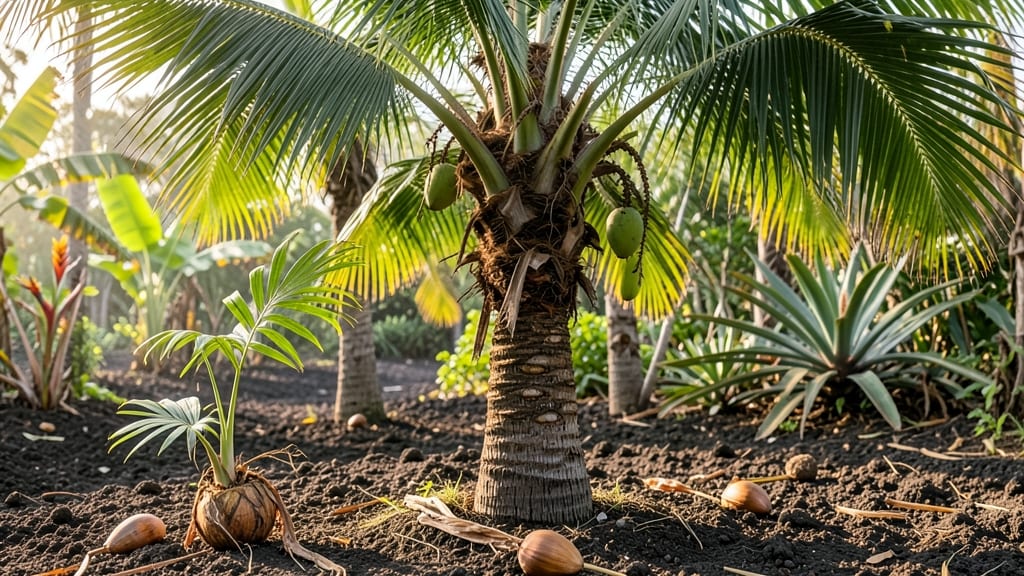
The life cycle of a coconut tree unfolds like a tropical saga—from a humble seed to a sun-drenched giant—each stage a testament to nature’s patience, climate’s embrace, and a gardener’s quiet magic. 🌱 The journey starts with a single seed, but... know-how to pull it off.
Understanding these phases helps you nurture one from start to harvest.
First comes the seedling stage, where a coconut sprout breaks through its husk and develops its first leaves. This fragile phase lasts about 6 months in ideal tropical conditions, where warmth and moisture fuel rapid growth.
Without proper care—like consistent watering and protection from strong winds—you risk losing your young tree before it even reaches 3 feet tall.
By year 5, your tree enters the juvenile phase, shooting up 10-20 feet annually with a sturdy trunk and fronds that fan out dramatically. Flowering begins around 6-10 years, when you’ll spot tiny orange blossoms that eventually turn into those iconic coconuts.
Each stage tests your gardener’s instincts—knowing when to prune, fertilize, or shield from storms makes all the difference.
Once mature, a coconut tree can live for 75+ years, producing 50-100 nuts annually if conditions are right. Whether you’re growing one in Florida’s heat or a subtropical microclimate, the key is matching its needs at every turn.
Let’s break down how to guide it through each phase without a hitch.
📚 In This Guide
- What you need
- Instructions
- Tips and common mistakes
- Wrapping up and next steps
What you need
- ● Coconut seeds: 1-2 fresh, mature coconuts (preferably from a healthy tree; avoid store-bought water coconuts—they’re often hybridized).
- ● Potting soil: 1 bag (50 lbs) of well-draining, organic potting mix (e.g., Miracle-Gro Moisture Control or a blend of coconut coir, perlite, and compost).
- ● Containers: 1 large nursery pot (10–12 inches in diameter) for germination.
- ● 1 gallon-sized pot (for 3–6 months) before transplanting.
- ● Pruning tools: 1 pair of sterilized pruning shears (for trimming dead leaves or early shaping).
- ○ 1 small hand saw (optional, for thicker branches later).
- ● Watering supplies: 1 watering can (with a fine rose nozzle) or a hose with a gentle spray attachment.
- ○ 1 moisture meter (optional, to monitor soil hydration).
- ● Fertilizer: 1 bottle of balanced, slow-release fertilizer (e.g., 10-10-10 NPK) or organic options like composted manure.
- ● Mulch: 2–3 inches of organic mulch (e.g., shredded bark or coconut husks) to retain moisture.
- ● Climate: Tropical or subtropical (USDA Zones 10–12). Coconut trees cannot tolerate frost!
- ● Sunlight: Full sun (6+ hours daily). A south-facing window or greenhouse works for seedlings.
- ● Space: At least 30 feet of vertical clearance (trees can grow 80+ feet tall!).
- ● Patience: Germination takes 6–12 months, and maturity (for coconuts) is 5–7 years.
- ● Soak your coconut in warm water for 3–5 days before planting to speed up germination.
- ○ Use a heat mat (optional) to maintain soil temps at 75–85°F during germination.
- ● If outdoors, plant in spring after the last frost (or in a greenhouse year-round).
Step-by-Step guide to understanding the coconut tree's natural growth journey
Here's how the coconut palm transforms from a humble seed to a majestic 100-foot giant.
🌱 Step 1: Germination and Seedling Establishment (0-6 Months)
The journey begins with the coconut seed, which must first complete germination. Unlike many plants, coconut seeds require specific conditions: warm temperatures (75-85°F), high humidity, and consistent moisture. The seed's fibrous husk must remain intact to protect the developing embryo, so never remove it until you see the first signs of root emergence.
When planted in well-draining soil, the seed will begin to sprout after 4-12 weeks, depending on temperature and moisture. You'll notice the first indicator—a small root breaking through the husk's base—followed by the shoot emerging from the top. This early stage is critical; seedlings are vulnerable to fungal infections if kept too wet. Keep the planting medium moist but never soggy, and provide bright, indirect light to prevent leggy growth.
🌿 Step 2: Vegetative Growth and Frond Development (6 Months-5 Years)
Once the seedling establishes its first true leaves (called fronds), it enters the vegetative growth phase. During this stage, the coconut palm focuses on building its structural framework. You'll see rapid frond production—each new frond unfurls in a distinctive spiral pattern, with older fronds turning brown and dying back as the tree matures.
In ideal conditions, the tree may reach 10-20 feet tall within its first three years. This is when the root system deepens significantly, anchoring the palm against tropical storms. Prune dead fronds at the base to redirect energy to new growth, but avoid removing more than 20% of the fronds at once—this can stress the tree. During this phase, the tree also begins producing its first inflorescences, though they may not yet produce viable coconuts.
☀️ Step 3: Reproductive Maturity and Flowering (5-10 Years)
The transition to reproductive maturity is marked by the appearance of panicles—large, drooping clusters of flowers that emerge from the tree's trunk. These inflorescences contain both male and female flowers, though only the female flowers will develop into coconuts. The first flowering typically occurs when the tree reaches 20-30 feet tall, though some dwarf varieties may flower earlier.
Pollination in coconut palms is primarily wind-driven, though some varieties benefit from insect pollinators. You'll notice small, green coconuts forming after successful pollination. These immature nuts are called "spathes" and will take 6-12 months to mature fully. During this stage, the tree requires full sun exposure (6+ hours daily) and consistent watering, especially during dry periods, to support fruit production.
🪴 Step 4: Mature Canopy and Peak Productivity (10-75+ Years)
Once the coconut palm reaches maturity, it enters its most productive phase, capable of yielding 50-100 coconuts per year under optimal conditions. The tree's iconic feather-like fronds create a dense canopy that can span 30-50 feet wide, providing shade and habitat for local wildlife. This stage is also when the tree develops its characteristic swollen trunk, which can reach diameters of 2-3 feet in robust specimens.
Mature coconut palms require minimal intervention but benefit from occasional nutrient supplementation—apply a balanced palm fertilizer (10-10-10 ratio) twice yearly to maintain vigor. Prune only to remove dead fronds or those obstructing sunlight to the lower canopy. In tropical climates, these trees can live for 75 years or more, continuing to produce coconuts well into old age, though yield may decline after 40-50 years.
Tips & tricks for perfect coconut tree growth stages
A few key insights that'll help you nurture your coconut palm through every transformative phase.
Temperature Control: Maintaining that 75-85°F range is non-negotiable during germination—any cooler and roots stall, any hotter and the seed dries out. I've found using a seedling heat mat set to 80°F creates the perfect environment, especially in cooler climates. Place it under your planting container to maintain consistent warmth without risking overheating.
Lighting Strategy: The bright, indirect light mentioned in Step 1 is crucial for preventing leggy seedlings. I recommend positioning your seedling within 3 feet of a south-facing window or using a grow light on a 14-hour cycle. Too much direct sun at this stage can scorch tender new leaves, while insufficient light leads to weak stems that can't support future growth.
Pruning Wisdom: When pruning those dead fronds in Step 2, always cut at the base where the frond meets the trunk—never leave stubs. I use sterilized pruning shears and make clean cuts at a 45-degree angle to prevent water from pooling. This technique reduces disease risk while redirecting energy to new growth. Remember, removing more than 20% of fronds at once can shock the tree, so space your pruning sessions.
Fertilization Timing: That 10-10-10 ratio fertilizer should be applied during the dry season when the tree's natural growth slows. I've found splitting the application into two doses—once at the start of the dry season and again midway—gives better results than one heavy dose. Always water thoroughly after applying to prevent root burn, and avoid fertilizing during flowering or fruiting phases when the tree is already diverting energy.
Pro Tips for Coconut Tree Life Cycle
- A few key insights that'll help you nurture your coconut palm through every transformative phase.
- Temperature Control: Maintaining that 75-85°F range is non-negotiable during germination—any cooler and roots stall, any hotter and the seed dries out.
- Lighting Strategy: The bright, indirect light mentioned in Step 1 is crucial for preventing leggy seedlings.
Frequently asked questions
Got questions about the coconut tree’s journey from seed to sky-high canopy?
Here are some of the most common ones—plus quick answers to help you navigate every stage of its life cycle with confidence!
How long does it take for a coconut tree to produce its first fruit?
A coconut palm typically takes 5 to 7 years to mature enough to produce its first coconuts, depending on climate, soil quality, and care. Patience is key—young trees focus on root and trunk growth before flowering!
What’s the lifespan of a coconut tree, and how do I know when it’s time to prune?
Coconut trees can live 60 to 100 years (or longer!) with proper care. Prune dead or overcrowded fronds annually to maintain health, but avoid cutting more than 1/3 of the canopy at once. Look for yellowing leaves or weak growth—signs it’s time to act!
Can coconut trees survive cold weather, and what’s the best way to protect them?
Coconut palms thrive in tropical climates (70–90°F) and are sensitive to frost. If temperatures drop below 32°F, wrap the trunk with burlap or use frost cloths. Mature trees are hardier than young ones—consider moving potted trees indoors temporarily if extreme cold is forecasted.
What should I do if my coconut tree isn’t flowering after 3+ years?
Lack of flowering can stem from poor nutrition, insufficient sunlight, or stress. Test soil pH (ideal: 5.5–6.5) and fertilize with potassium-rich blends. Ensure full sun exposure (6+ hours daily) and check for pests like rhynchophorus palm weevils. If issues persist, consult a local arborist!
Are there dwarf coconut varieties that grow faster or require less space?
Yes! Varieties like the Malayan Dwarf or King Coconut reach maturity in 3–5 years and grow 15–25 feet tall, making them ideal for smaller yards. They produce smaller coconuts but yield reliably. Perfect for urban growers or those with limited space!
Wrapping up and next steps
The coconut tree life cycle is a fascinating journey from a tiny seed to a majestic, towering canopy—each stage offering unique rewards for patience and care. Whether you're nurturing a sapling or admiring a mature tree, understanding this process empowers you to prune, protect, and celebrate every phase with confidence.
Ready to dive deeper? 🌱 Start by planting your own coconut seed or exploring how to support a young tree’s growth—your green thumb could be the key to nurturing the next generation of these tropical giants!