Trees
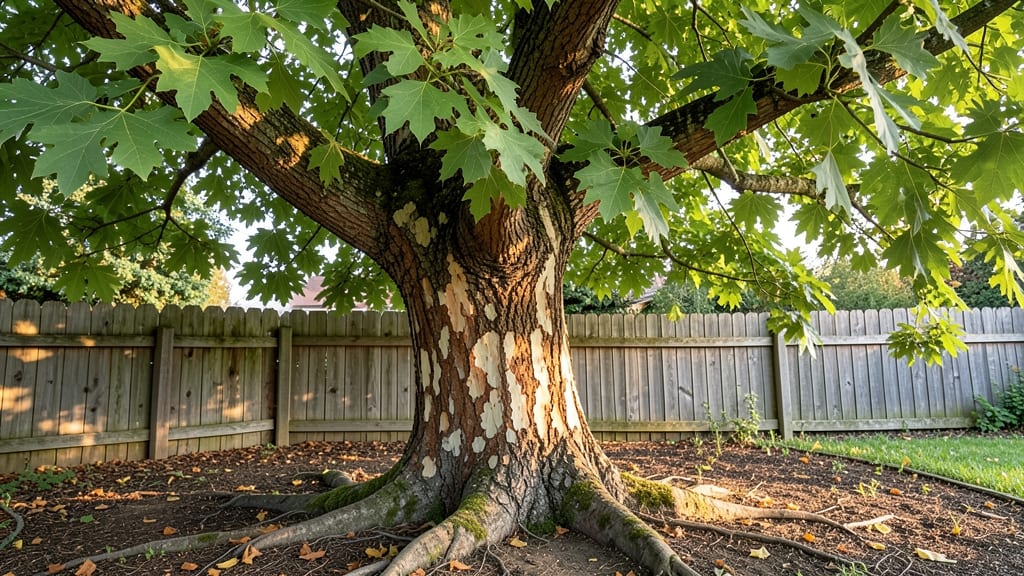
Sycamore trees bring the Pacific Northwest's wild beauty right to your yard, their peeling bark and towering branches creating a scene straight out of a forest painting. 🌿 I've watched these giants transform ordinary landscapes into dramatic focal points—imagine that same magic in your own backyard, where their massive canopies provide shade that lasts all year.
The bark alone tells a story, peeling back in dramatic patterns that add texture and intrigue to any setting.
These trees aren't just about looks—they're the ultimate shade providers, perfect for creating cozy outdoor living spaces where the temperature stays mild even on hot summer days. Pair them with native ferns, rhododendrons, or hostas to create a layered, lush understory that thrives under their dappled light.
The key to their success in design? Planting them where they can stretch their roots and branches without competition—think open lawns, large garden beds, or near patios where their shade will be most appreciated.
What you'll love most is how they evolve with the seasons—spring brings fresh green leaves, summer offers dense shade, and fall delivers golden hues before winter's bare branches create striking silhouettes. Their presence elevates any landscape, turning a simple yard into a year-round masterpiece that neighbors will envy.
The best part? They grow at a steady pace, giving you time to enjoy their transformation without rushing.
For Pacific Northwest gardeners, sycamores are the ultimate statement tree—dramatic, versatile, and full of character. Whether you're creating a grand entrance, a serene retreat, or a child-friendly play area, these trees deliver both beauty and function. Let's explore how to make them the star of your outdoor space!
📚 In This Guide
- What you need
- Instructions
- Tips and common mistakes
- Wrapping up and next steps
What you need
- ● Sycamore Tree Saplings: 1-3 (depending on desired spacing; Platanus occidentalis or hybrid varieties like 'Liberty' are ideal for PNW climates).
- ● High-Quality Potting Soil: 5-10 gallons (well-draining, amended with compost for young trees).
- ● Organic Mulch: 2-3 cubic feet (shredded bark or wood chips to retain moisture and suppress weeds).
- ● Tree Stakes & Ties: 2-4 stakes (4-6 ft tall) + soft fabric ties (to support young trees in windy PNW conditions).
- ● Watering Can or Hose: With a gentle spray nozzle (for deep watering without disturbing roots).
- ● Pruning Shears: Sharp, bypass-style (for shaping and removing dead branches).
- ● Gloves & Safety Gear: Heavy-duty gloves and eye protection (sycamore bark can be rough!).
- ● Slow-Release Fertilizer: Balanced NPK (10-10-10) for nutrient boost (apply in early spring).
- ● Tree Guard: Plastic or metal wrap (to protect trunks from rodents or lawn equipment).
- ● Soil pH Test Kit: Sycamores prefer slightly acidic to neutral soil (pH 6.0–7.5).
- ● Drip Irrigation System: For larger plantings (automates watering in dry PNW summers).
- ● Bird & Pollinator-Friendly Additions: Nearby shrubs or flowers to attract beneficial insects.
Step-by-Step guide to planting and caring for sycamore trees in the Pacific Northwest
Here's how to bring these majestic giants to your landscape with confidence.
🌱 Step 1: Choose the Perfect Planting Site
Sycamores thrive in full sun to partial shade with at least 6 hours of direct light daily. In the Pacific Northwest’s mild climate, they’ll handle coastal fog and occasional rain better than many native trees. Look for spots with well-draining soil—they hate soggy roots—but can adapt to clay if amended with compost.
Real talk: Sycamores grow 30-50 feet tall and spread 40-60 feet wide, so plant them at least 50 feet from structures, sidewalks, or other trees. Their massive root systems can lift driveways over time. I always sketch the mature canopy on my property map before digging—trust me, it saves headaches later.
🪴 Step 2: Prepare the Planting Hole and Plant
Dig a hole twice as wide as the tree’s root ball but no deeper. The goal is to place the root ball at the same level it was in the nursery—burying too deep suffocates roots, while planting too high stresses the tree. Loosen the sides of the hole with a shovel to encourage root spread into surrounding soil.
Remove the tree from its container and gently tease apart any circling roots with your fingers. Place it in the hole, backfill with the native soil (no amendments here—just let the roots adapt), and tamp lightly. Water deeply to settle the soil, then add 2-3 inches of mulch (wood chips or bark) around the base, keeping it 6 inches away from the trunk to prevent rot.
☀️ Step 3: Water and Monitor Growth
Newly planted sycamores need deep watering 2-3 times per week for the first year, especially during the Pacific Northwest’s dry summer months. Water slowly until the soil 6 inches down feels moist—not soggy, just damp. Overwatering in heavy clay soils can lead to root rot, which sycamores are surprisingly sensitive to.
Watch for new leaf growth in spring as your signal everything’s on track. Sycamores are slow to establish, so don’t panic if the first year shows minimal growth. By year two, you’ll see rapid expansion—those iconic mottled bark patterns and broad leaves will emerge as the tree matures. I always mark the trunk with a flag at planting to track height growth annually.
✂️ Step 4: Prune for Health and Structure
Prune sycamores in late winter or early spring before new growth begins. Remove any dead, diseased, or crossing branches first—these trees self-prune naturally, but you’ll want to guide their shape early. Use clean, sharp pruners to make cuts just outside the branch collar (the swollen area where the branch meets the trunk).
Here’s the thing—sycamores develop weak wood over time, so avoid heavy pruning. Focus on structural integrity rather than aesthetics. If you see large, hollow branches (common in mature sycamores), leave them unless they’re a safety hazard. Their peeling bark and dramatic form are part of their charm!
Tips & tricks for perfect sycamore planting in the Pacific Northwest
These game-changing insights will help you avoid common pitfalls and nurture your sycamore into a stunning landscape centerpiece.
Site Selection Insight: The 6 hours of direct sunlight mentioned in Step 1 is non-negotiable for healthy growth, but don't worry if your spot gets afternoon shade. Sycamores in the Pacific Northwest actually appreciate that cooler afternoon sun during our hot summers. I've seen them thrive in locations with morning sun and afternoon shade—just ensure that morning sun reaches the canopy for at least 3 hours. Also, check for underground utilities before digging—those massive roots can encounter them unexpectedly!
Root Ball Preparation: When teasing apart circling roots in Step 2, I can't stress enough how gentle you need to be. These roots are more delicate than they appear, and damaging them can set your tree back years. Use your fingers to carefully separate them, almost like you're untangling yarn. And here's a pro move: after planting, create small trenches around the root ball edges with your shovel—this encourages roots to grow outward rather than circling.
Watering Wisdom: The 2-3 times per week watering schedule in Step 3 works perfectly for most Pacific Northwest summers, but watch your local weather forecasts. If we get those typical June heatwaves (which can push temps into the 90s), increase to daily watering until the soil cools down. I always check moisture by sticking my finger 6 inches down—if it feels dry, it's time to water. And remember, sycamores hate soggy roots, so make sure water drains away from the trunk after each watering.
Pruning Precision: That late winter/early spring timing in Step 4 is crucial because it lets the tree heal before summer growth begins. I've made the mistake of pruning in summer and watching the tree struggle to recover. When making your cuts, angle them slightly outward from the branch collar—this helps water run off rather than pool where the branch used to be. And if you're nervous about cutting too much, remember: sycamores are forgiving. It's better to do light pruning now and more next year than to take too much at once.
Pro Tips for Sycamore Trees
- These game-changing insights will help you avoid common pitfalls and nurture your sycamore into a stunning landscape centerpiece.
- Site Selection Insight: The 6 hours of direct sunlight mentioned in Step 1 is non-negotiable for healthy growth, but don't worry if your spot gets afternoon shade.
- Root Ball Preparation: When teasing apart circling roots in Step 2, I can't stress enough how gentle you need to be.
Frequently asked questions
Got questions about sycamore trees? You’re not alone! Here are some of the most common queries from gardeners, homeowners, and nature lovers in the Pacific Northwest:
Are sycamore trees native to the Pacific Northwest?
Nope! While sycamores (like the Platanus occidentalis) are iconic in the Southeast, the London plane tree (Platanus × acerifolia) is the most common sycamore hybrid in the PNW. It thrives in our mild, wet climate and handles urban pollution like a champ.
When is the best time to plant a sycamore tree in the PNW?
Late fall (October–November) or early spring (March–April) are ideal. Sycamores establish roots before summer heat or winter chills stress them. Avoid planting in summer—drought and heat shock can stunt growth. Pro tip: Water deeply for the first year to help roots spread!
Do sycamores have invasive roots or pests I should worry about?
Sycamores aren’t aggressive like willows, but their roots can spread widely. Give them space (30–50 feet from structures) to avoid sidewalk heaves. Watch for anthracnose fungus (leaf spots) or sycamore lace bug (silvery undersides). Prune infected branches and use fungicide if needed.
Can I grow a sycamore in a small yard or container?
Sycamores mature at 50–80 feet tall—they’re not container-friendly! For small spaces, consider dwarf varieties like Platanus × acerifolia ‘Bloodgood’ (compact growth) or opt for native PNW alternatives like bigleaf maple or Douglas fir.
How cold-hardy are sycamores in the PNW?
London plane trees handle USDA zones 4–9, making them perfect for PNW winters (even coastal areas with mild temps). Young trees may need winter mulch in colder inland zones (like Spokane), but mature specimens are tough as nails.
Bonus Tip: Why do sycamores peel like camouflage?
Their exfoliating bark isn’t just cool—it’s a survival trick! Peeling layers protect against pests, temperature swings, and even fire. Plus, it gives them that artistic, tree-house vibe we all love.
Wrapping up and next steps
Sycamore trees in the Pacific Northwest aren’t just towering giants—they’re living works of art, offering shade, wildlife support, and year-round beauty. Whether you’re planting one for your landscape or simply admiring their drama, these trees bring unmatched charm to any space.
Ready to make an impact? Start small—research local nurseries, consult with experts, or even volunteer for a reforestation project to help these majestic trees thrive for generations!
🌿 Your next step: Share your sycamore story or tag us in your tree-planting pics—let’s grow this love for nature together!