
Blooming
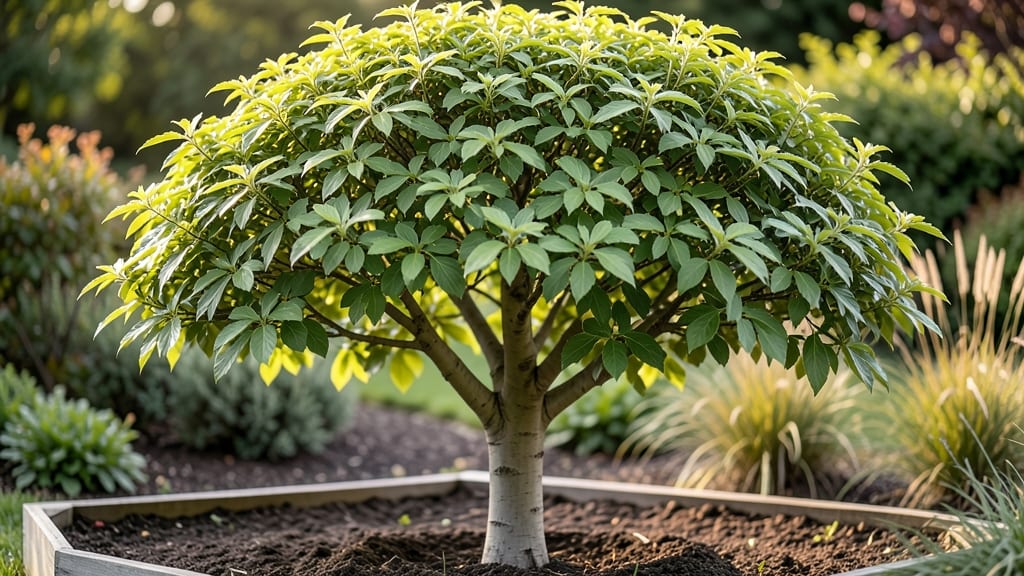
Your summer cherry blossom tree isn’t just a memory of spring—it’s a pink cloud canopy that thrives with the right care. 🌸 The same trees that dazzle in April can struggle in July if you don’t adjust for heat, drought, and pest pressure.
I’ve watched mine go from wilting to lush by making just three key summer adjustments.
First, water deeply but infrequently—once a week for established trees, soaking the root zone to 12 inches deep. Mulch with 2-3 inches of wood chips to lock in moisture and keep roots cool.
Pruning isn’t about shaping blooms (those are gone by summer) but removing dead wood and thinning crowded branches to improve airflow—cut in early morning to avoid stressing the tree.
You’ll notice fewer pests when you focus on prevention: spray with neem oil every 2-3 weeks to deter aphids and borers, and watch for Japanese beetles—they’ll skeletonize leaves if left unchecked. A strong hose blast or handpicking works better than chemicals for these.
By August, your tree will reward you with glossy new foliage and maybe even a few small cherries (if it’s a fruiting variety). The secret? Consistent moisture and a little extra attention during heatwaves. Summer care turns a sentimental tree into a year-round star.
📚 In This Guide
- What you need
- Instructions
- Tips and common mistakes
- Wrapping up and next steps
What you need
- ● Cherry Blossom Trees or Plants: 1-3 Prunus serrulata (Kwanzan or Yoshino varieties) for a full canopy effect (mature trees, 15-25 ft tall)
- ● OR 5-10 potted Prunus saplings (3-6 ft tall) for smaller spaces
- ● Soil & Fertilizer: 1 bag well-draining garden soil (or potting mix for containers)
- ● 1 lb slow-release fertilizer (balanced 10-10-10 or organic options like compost)
- ● Watering Supplies: Garden hose with adjustable nozzle (for deep watering)
- ● 5-gallon watering can (for potted plants)
- ● Planting Tools: 1 garden trowel (for potted plants)
- ● 1 shovel (for in-ground planting)
- ● 1 pruning shears (to shape and maintain growth)
- ○ Decorative Extras (Optional but Magical!):strong> Fairy lights or solar-powered string lights (50-100 ft roll)
- ● Pastel-colored lanterns or wind chimes (3-5 pieces)
- ● Pink or white mulch (2-3 bags, 2 cu. ft each)
- ● A sunlit location with at least 6 hours of direct sunlight daily (cherry blossoms thrive in full sun!).
- ● Space for mature tree growth: 15-25 ft wide for a full canopy or 3-6 ft apart for potted arrangements.
- ● Access to water (drip irrigation or a consistent watering schedule).
How to maintain a cherry blossom tree through summer's heat
Summer transforms your cherry blossom into a living pink cloud—but only if you adjust care for the season.
☀️ Step 1: Adjust Watering for Heat Stress Prevention
Deep watering twice weekly is critical when temperatures hit 85°F+. Use the soil probe test: insert a screwdriver 6 inches deep—if it comes out dry, water immediately. I always water in the early morning to reduce evaporation and fungal risks. Avoid overhead sprinklers; they can spread disease and cause leaf scorch.
Mulch with 3 inches of organic mulch (like shredded bark) around the base to lock in moisture and regulate root temperature. Keep mulch 6 inches away from the trunk to prevent rot. You'll notice healthier foliage and fewer wilting leaves within weeks of proper mulching.
🌿 Step 2: Prune for Airflow and Pest Prevention
Summer is the time to remove dead, crossing, or diseased branches with clean bypass pruners. Focus on thinning the canopy to improve airflow—this prevents fungal infections like powdery mildew. Cut back any suckers growing from the base immediately; they drain energy from the main tree.
Prune just after flowering (late June) when new growth has hardened off. Make cuts at a 45-degree angle just above a outward-facing bud. Avoid heavy pruning now—it stresses the tree when it's already fighting summer heat. You'll see stronger branches and fewer pests with proper thinning.
💧 Step 3: Protect Against Summer Pests and Diseases
Inspect leaves weekly for signs of aphids, scale, or spider mites. A strong blast of water from the hose often removes aphids, but for stubborn infestations, use neem oil spray (mix 1 tablespoon per quart of water) applied in the evening. Avoid chemical sprays—they can harm bees and other pollinators.
Watch for leaf spot fungus, identified by brown spots with yellow halos. Remove infected leaves immediately and apply copper fungicide if needed. Always water at the base, never the foliage, to minimize disease spread. A healthy tree develops a thick, glossy leaf surface—dull, spotted leaves signal trouble.
⏰ Step 4: Monitor for Heat and Drought Stress
Watch for leaf curling, scorch, or premature leaf drop—classic signs of heat stress. Move young trees to partial afternoon shade if temperatures exceed 90°F for more than 3 days. Mature trees handle heat better but still need extra water during prolonged heatwaves.
If leaves yellow between veins, it's often iron chlorosis from alkaline soil. Apply chelated iron supplement according to package instructions. You'll see new leaves regaining their deep green color within 2-3 weeks. Never fertilize during drought—it burns roots when water is scarce.
Tips & tricks for perfect summer cherry blossom care
Keeping your cherry blossom vibrant during summer's intense heat requires precision—here's how to turn potential stress into a thriving canopy.
Soil Moisture Monitoring: The twice-weekly watering rule in Step 1 works best when combined with a simple moisture check. After watering, press your finger 2-3 inches into the soil—it should feel damp but not soggy. If it's bone dry, increase to daily watering during heatwaves above 90°F, but always return to twice-weekly once temps drop. I've seen blossoms wilt dramatically when roots dry out completely, so this check prevents irreversible damage.
Mulch Application Technique: When applying your 3 inches of organic mulch in Step 1, create a slight depression around the trunk first. This ensures water pools near roots rather than running off. Also, refresh mulch every 6 months—decomposed mulch loses its insulating properties. I've noticed trees with properly maintained mulch develop deeper root systems that handle summer droughts far better than those with old, compacted mulch.
Pruning Timing Nuance: The late June pruning window in Step 2 is ideal, but there's a critical detail: avoid pruning if rain is forecast within 24 hours. Fresh cuts are vulnerable to fungal infections when wet. I learned this the hard way after a sudden storm turned my carefully pruned branches into a powdery mildew hotspot. Always check the 10-day forecast before pruning—clear skies for 3 days afterward are perfect.
Pest Prevention Strategy: For the neem oil spray in Step 3, I've found that adding 1 teaspoon of liquid dish soap per quart actually improves adhesion to leaves. The soap breaks surface tension, helping the spray cling better. Apply in the evening when pests are most active but temperatures are still above 70°F—this gives the solution time to work before nighttime cooling. You'll see fewer aphids within 3-5 days of consistent application.
Pro Tips for Cherry Blossom Tree In Summer
- Keeping your cherry blossom vibrant during summer's intense heat requires precision—here's how to turn potential stress into a thriving canopy.
- Soil Moisture Monitoring: The twice-weekly watering rule in Step 1 works best when combined with a simple moisture check.
- Mulch Application Technique: When applying your 3 inches of organic mulch in Step 1, create a slight depression around the trunk first.
Frequently asked questions
Got questions about keeping your cherry blossom tree thriving in summer?
Here are some of the most common concerns—plus practical tips to keep that pink canopy glowing year-round!
Why does my cherry blossom tree look sad in summer?
Summer heat and drought can stress trees, causing leaf drop or wilting. Most cherry blossoms (especially ornamental varieties) are not drought-tolerant. Water deeply 2–3 times per week and mulch to retain moisture. If leaves yellow, it might be iron deficiency—test soil and amend with chelated iron if needed.
When is the best time to prune a cherry blossom tree in summer?
Prune after blooming (late spring/early summer) to avoid cutting off next year’s flowers. Light pruning to remove dead branches or shape the tree is fine, but avoid heavy pruning—it can stress the tree. Pro tip: Use sterilized tools and prune on a cloudy day to reduce shock.
Can cherry blossom trees survive full summer sun?
Yes! Most cherry blossoms (like Prunus serrulata) thrive in full sun (6+ hours/day), but young trees or hot climates may need afternoon shade. Watch for leaf scorch (brown edges)—a sign of too much sun + heat. Drip irrigation or shade cloth can help in extreme heat.
What’s a good summer-friendly alternative to cherry blossoms?
If you want year-round color, consider:
- Crabapple trees (drought-tolerant, berries for wildlife)
- Japanese maples (shade-loving, vibrant foliage)
- Crepe myrtles (heat-resistant, long blooms)
How do I fix brown spots on cherry blossom leaves?
Brown spots often mean fungal issues (like powdery mildew) or pest damage (e.g., spider mites). Treat with:
- Neem oil spray (organic fungicide)
- Hose off pests in the early morning
- Improve airflow (prune dense branches)
Still stumped? Drop your tree’s symptoms in the comments—we’re happy to help diagnose!
Wrapping up and next steps
Transforming your summer space into a pink cloud canopy with a cherry blossom tree isn’t just about aesthetics—it’s about creating a serene, vibrant oasis that brings joy and tranquility. Whether you’re drawn to their delicate blooms or their lush summer foliage, these trees offer year-round beauty with minimal fuss. 🌸
Ready to bloom where you’re planted? Start by choosing the perfect variety for your climate and space, then gather your tools and dive in! With a little care, your cherry blossom tree will reward you with seasonal magic and a touch of nature’s elegance.
- Next step: Pick your favorite cherry blossom variety and sketch a planting plan!