
Pruning
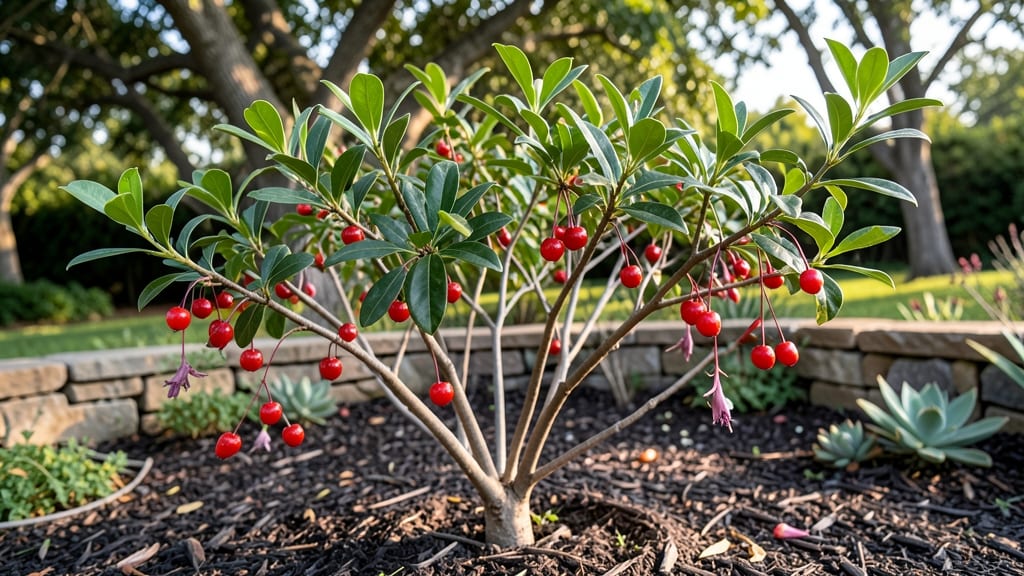
Growing a Barbados cherry tree in Arizona means embracing its natural drought resistance while giving it the right container setup to thrive. 🌵 I’ve learned that these small, bushy trees aren’t just survivors—they’re showstoppers with their bright red berries and glossy foliage, even under the relentless desert sun.
The key is mimicking their native Caribbean habitat in your Arizona yard: fast-draining soil, minimal watering, and a container with drainage holes to prevent root rot. Most gardeners overwater, but these trees actually prefer dry conditions once established—think of them as the cacti of the fruit world.
You’ll need a pot at least 12 inches deep and 18 inches wide to give roots room to stretch.
By summer, you’ll be harvesting edible berries that taste like a mix of cranberry and tart apple, plus vibrant blooms that attract pollinators. The trade-off? They’re slow to fruit in containers—2-3 years of patience—but the payoff is worth it.
Even in 110°F heat, they’ll keep blooming if you keep the soil dry.
Here’s the secret: prune lightly after harvest to shape the tree, and fertilize only in spring with a low-nitrogen mix. Arizona’s pests? Watch for spider mites and scale—their nemesis is a strong spray of water.
With these tweaks, your Barbados cherry will outlast the heat and reward you with years of fruit.
📚 In This Guide
- What you need
- Instructions
- Tips and common mistakes
- Wrapping up and next steps
What you need
- ○ Container: 1–2 large pots (minimum 18–24 inches in diameter and depth), with drainage holes. Optional: Self-watering pots for drought-prone climates.
- ● Potting Mix: 1 bag well-draining cactus/succulent mix (or blend with 30% perlite/pumice for aeration). Avoid heavy garden soil!
- ● Barbados Cherry Tree: 1 1–3 gallon nursery-grown sapling (check local AZ native plant nurseries for drought-resistant varieties).
- ● Pruning Tools: 1 pair bypass pruners (for clean cuts).
- ● 1 small handsaw (for thicker branches).
- ● 1 sterilizing solution (rubbing alcohol or bleach).
- ● Mulch: 1–2 bags organic mulch (e.g., shredded bark or gravel) to retain moisture.
- ● Watering Can: 1 5-gallon capacity with a rose attachment for gentle watering.
- ● Fertilizer: 1 slow-release granular fertilizer (e.g., 10-10-10) or liquid seaweed extract for organic growth.
- ● Gloves: 1 pair gardening gloves (to protect from thorns and sap).
- ○ Support Stake: 1 flexible bamboo stake (optional, for young trees in windy AZ areas).
- ○ pH Test Kit: 1 (optional but helpful—Barbados cherries prefer slightly acidic soil (6.0–6.5)).
- ● ✅ Sunlight: A spot with full sun (6+ hours/day) or partial shade (afternoon shade in 110°F+ heat).
- ● ✅ Climate Prep: Acclimate your tree to Arizona’s heat by gradually exposing it to direct sun over 2 weeks.
- ● ✅ Water Access: A drip irrigation system or hose for deep watering (1–2 times/week in summer).
Step-by-step instructions for growing Barbados cherry in Arizona containers
Here's how to cultivate vibrant, drought-tolerant Barbados cherry trees that thrive in Arizona's heat.
🪴 Step 1: Select the Right Container and Drainage
Choose a 5-gallon container or larger with drainage holes—Barbados cherry roots need room to breathe and hate soggy feet. I recommend terra cotta pots because they wick moisture away naturally, which is critical in Arizona's dry climate. If your container lacks drainage, drill 3-4 holes in the bottom to prevent root rot.
Line the bottom with 1-2 inches of gravel or pumice to create an air pocket that improves drainage. This prevents compaction and ensures excess water flows out quickly. The right container setup means your tree won't struggle with waterlogged roots during Arizona's occasional monsoon downpours.
🌱 Step 2: Prepare the Soil Mix for Optimal Growth
Fill your container with a well-draining cactus/succulent mix (never regular garden soil—it compacts and suffocates roots). I blend mine with 20% perlite to enhance aeration and prevent moisture retention. This lightweight mix mimics the tree's native rocky soil conditions.
Add a slow-release granular fertilizer (10-10-10 ratio) mixed into the top 2 inches of soil. This gives your Barbados cherry a steady nutrient supply without risking salt buildup from liquid fertilizers. The tree's shallow root system thrives when soil stays loose and nutrient-rich.
☀️ Step 3: Plant and Position for Maximum Sunlight
Dig a hole twice as wide as the root ball but no deeper. Gently remove the tree from its nursery pot and loosen any circling roots with your fingers. Place it in the center of the container, ensuring the top of the root ball sits ½ inch below the rim—this prevents soil from washing away during watering.
Backfill with the prepared mix, pressing lightly to eliminate air pockets but not compacting the soil. Position your container in full sun (at least 6-8 hours daily), as Barbados cherry blooms best with intense light. In Arizona, a south-facing patio or balcony delivers ideal exposure.
💧 Step 4: Water Deeply and Establish a Drought-Tolerant Routine
Water deeply but infrequently—soak the soil until water drains freely from the bottom, then wait until the top 2 inches feel dry before watering again. Overwatering is the fastest way to kill Barbados cherry trees, especially in containers where roots can't seek moisture deep underground.
During Arizona's summer months, reduce watering to once every 10-14 days unless temperatures exceed 100°F, when you may need to water every 7-10 days. The tree's glossy leaves wilt slightly in extreme heat, but they recover quickly—don’t confuse this with thirst.
✂️ Step 5: Prune and Fertilize for Year-Round Blooms
Prune lightly in late winter (February) to shape the tree and remove dead or crossing branches. Use clean, sharp pruners to make cuts just above a leaf node. Avoid heavy pruning—Barbados cherry blooms on old wood, so aggressive cuts reduce flowers the following season.
Apply a balanced liquid fertilizer (20-20-20) every 4-6 weeks during spring and summer. Reduce to monthly in fall and skip winter feedings—the tree enters a natural dormancy period. Watch for bright yellow leaves, which signal over-fertilization, and flush the soil with water if this occurs.
Tips & tricks for perfect Barbados cherry tree growth in Arizona containers
Here's what I've learned from growing these stunning trees in the desert heat—tricks that'll help your Barbados cherry thrive where others fail.
Container Size Matters: While a 5-gallon container works for young trees, plan to upgrade to at least 10 gallons within 2 years. Barbados cherries have vigorous root systems that quickly outgrow small spaces. I've seen trees wither in cramped containers even with perfect care—root-bound stress shows up as yellowing leaves first.
Soil Science Secret: The 20% perlite recommendation is non-negotiable for Arizona's climate. If you can't find cactus/succulent mix locally, blend 60% potting soil, 20% coarse sand, and 20% perlite yourself. This mimics the tree's native rocky soil and prevents the compaction that causes root rot. Pro tip: Sterilize your mix by baking it at 200°F for 30 minutes to kill pests before planting.
Sunlight Strategy: Those 6-8 hours of daily sun are critical, but watch for afternoon shade in summer. If your patio gets intense 110°F+ direct sun after 2 PM, move the container to partial shade during peak heat hours. The glossy leaves will recover, but prolonged exposure can scorch them permanently. A simple shade cloth (30-50% coverage) works wonders during monsoon season.
Watering Wisdom: The "top 2 inches dry" rule is your best friend, but use your finger to check deeper—Barbados cherries can handle surprisingly dry soil. In summer, I water mine every 7 days when temps hit 100°F+, but only until water runs freely from the drainage holes. The key is letting the soil dry completely between waterings; soggy roots are the #1 killer in containers.
Pro Tips for Barbados Cherry Tree Arizona
- Here's what I've learned from growing these stunning trees in the desert heat—tricks that'll help your Barbados cherry thrive where others fail.
- Container Size Matters: While a 5-gallon container works for young trees, plan to upgrade to at least 10 gallons within 2 years.
- Soil Science Secret: The 20% perlite recommendation is non-negotiable for Arizona's climate.
Frequently asked questions
about growing Barbados cherry trees in Arizona—especially in containers—can save you time and frustration. Here are answers to the most common queries:Can a Barbados cherry tree survive Arizona’s extreme heat?
This drought-resistant tree thrives in Arizona’s heat (Zones 9-11) but needs well-draining soil and morning sun to avoid leaf scorch. Mulch the base to retain moisture, and water deeply 2-3 times per week during peak summer. Container-grown trees dry out faster, so monitor soil moisture closely.
When is the best time to prune a Barbados cherry tree?
Prune late winter or early spring (February–March) to shape the tree and remove dead branches. Avoid pruning in fall, as new growth may not harden off before winter. For container trees, trim lightly after flowering to encourage bushier growth. Never prune during heatwaves—stress weakens the tree.
How often should I fertilize a potted Barbados cherry tree?
Use a balanced, slow-release fertilizer (10-10-10) in early spring and again in mid-summer. Over-fertilizing causes salt buildup in containers, harming roots. For organic options, compost or fish emulsion works well. Flush the soil with water monthly to prevent nutrient burnout.
Why are my Barbados cherry leaves turning yellow?
Yellow leaves usually signal overwatering or nutrient deficiency. Check soil moisture—if soggy, reduce watering. If yellowing starts at the tips, it’s likely underwatering or salt buildup. Flush the pot with water and adjust your watering schedule. Yellowing with brown edges? It could be chlorosis—test soil pH (ideal: 6.0–7.0) and amend with iron if needed.
Can I grow a Barbados cherry tree in a container long-term?
Yes, but repot every 2–3 years into a slightly larger container (1–2 inches wider) to prevent root binding. Use a fast-draining mix (cactus/succulent soil + perlite). Container trees stay smaller, making them perfect for patios, but they’ll need more frequent watering than in-ground plants. Consider a self-watering pot for convenience.
Wrapping up and next steps
Growing a Barbados cherry tree in Arizona isn’t just about adding beauty—it’s about embracing resilience! With the right container setup, pruning know-how, and drought-smart care, you’ll enjoy vibrant blooms year after year.
Whether you’re a novice gardener or a pruning pro, this tree rewards patience with stunning pink flowers and edible fruit—plus, it thrives in your climate.
Ready to level up your container garden? Start by revisiting your setup—maybe upgrade that pot or adjust your pruning tools. Then, share your progress with fellow Arizona gardeners or tag us in your photos! 🌵✨ Your green thumb is about to shine brighter than ever.