
Pruning
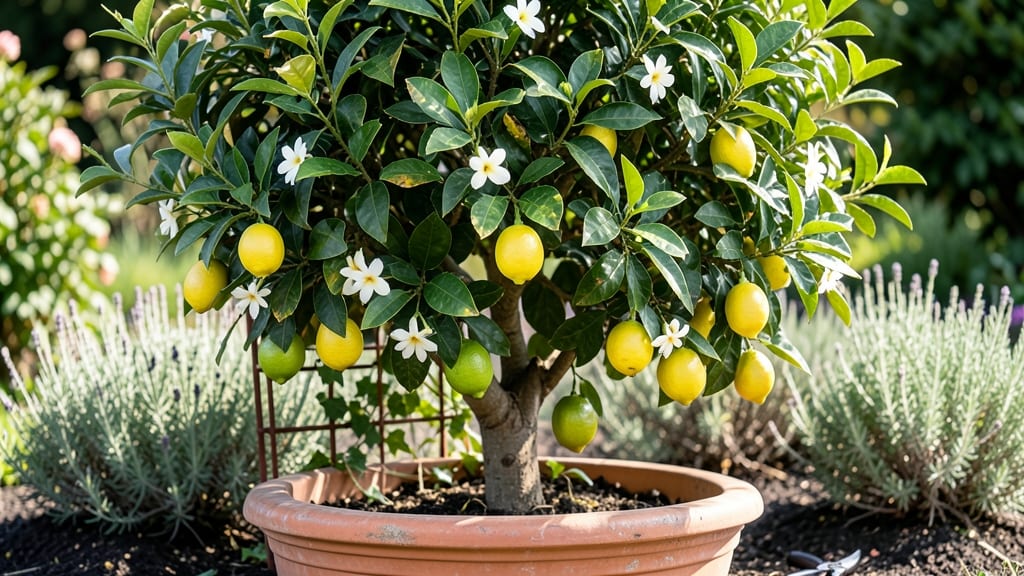
A balcony lemon tree isn’t just a dream—it’s a zesty reality waiting in a 15-gallon pot. 🌿 I’ve grown mine for three years now, and the secret isn’t fancy equipment but the right balance of sunlight, pruning, and a little winter prep.
The first harvest was just one lemon, but now I’m picking a dozen by summer.
Start with a dwarf variety like ‘Meyer’ or ‘Improved Meyer’—they thrive in containers and stay small enough for a balcony. You’ll need well-draining soil, a pot with drainage holes, and a spot that gets 6-8 hours of sunlight daily.
Water when the top inch of soil feels dry, and fertilize lightly every other month with citrus-specific food.
Those 3 simple pruning tricks are where the magic happens: shape your tree in early spring, trim back leggy growth after harvest, and remove any dead or crossing branches year-round.
With this approach, your tree stays compact, produces more fruit, and looks intentional—not like it was just tossed onto the balcony.
Winter’s the only challenge—bring potted trees indoors if temps drop below 25°F, or wrap them in frost cloth if you’re brave. The payoff? Fresh lemons for tea, baking, or garnishes, all grown in a space smaller than a parking spot. Let’s get your tree thriving!
📚 In This Guide
- What you need
- Instructions
- Tips and common mistakes
- Wrapping up and next steps
What you need
- ● Balcony Lemon Tree: A dwarf Meyer lemon (Citrus × meyeri) or Eureka lemon tree (4–6 ft tall, potted). Pro tip: Choose a container with drainage holes (12–15 inches in diameter).
- ● Potting Mix: 5–10 gallons of well-draining citrus/succulent mix (or DIY: 60% potting soil, 30% perlite, 10% compost).
- ● Pruning Tools: Bypass pruners (sharp, clean, for clean cuts).
- ● Sterilizing alcohol wipes (to prevent disease).
- ○ Gloves (optional but recommended for sticky sap!).
- ● Fertilizer: Balanced citrus fertilizer (10-10-10 or 8-3-9) or organic options like fish emulsion.
- ● Watering Can: With a narrow spout for targeted hydration.
- ● Growth regulator (e.g., Paclobutrazol) to control size if needed.
- ● Self-watering planter or moisture meter for consistency.
- ● Citrus-specific fungicide (to prevent root rot).
- ● Decorative pots or trellis for aesthetics and support.
Step-by-Step instructions for pruning your balcony lemon tree
Here's how to keep your citrus compact and productive with minimal effort.
🌿 Step 1: Prune for Airflow and Light Penetration
Start by removing any branches growing inward or crossing each other—these compete for light and create disease-prone spots. I always use clean, sharp pruning shears to make cuts just above a leaf node or outward-facing bud. This encourages new growth in the right direction.
Focus on the center of the tree first. Lemon trees grow best when light reaches all branches, so thin out crowded areas until you can see through the canopy. You'll know you're doing it right when sunlight hits the inner leaves without obstruction. Aim to remove about 10-15% of the foliage in this first prune—don't go overboard, or you'll shock the tree.
✂️ Step 2: Shape for Balcony Space
Next, guide the tree's shape to fit your balcony. Lemon trees naturally grow into small trees, but without pruning, they'll sprawl. I like to maintain a rounded, open center that lets air circulate while keeping the height manageable. Cut back any branches growing straight upward, as these create a weak, top-heavy structure.
For a more compact look, trim the tips of outward-growing branches by about one-third of their length. This encourages bushier growth. Watch for "water sprouts"—those long, thin shoots that pop up everywhere. Snap them off at the base immediately, as they drain energy from fruit production. Your goal is a tree that's wide at the base and gradually tapering toward the top.
🌱 Step 3: Encourage Fruit Production
The secret to more lemons lies in pruning strategically. After the main shape is set, focus on branches that have already borne fruit. Cut back these branches by half their length after harvest to stimulate new flowering shoots. Lemon trees produce fruit on new wood, so this pruning triggers next season's crop.
Here's the thing—lemon trees often produce more leaves than fruit. To fix this, prune back any vigorous, leafy growth that shows no sign of flowering. You'll know it's working when you see small buds forming along the remaining branches within 6-8 weeks. Avoid pruning in late summer, as new growth won't harden off before winter.
⏰ Step 4: Seasonal Maintenance Checkpoints
Timing matters. Prune your lemon tree right after harvest (late winter to early spring) when it's about to enter its active growth phase. Avoid heavy pruning in fall, as the tree needs to prepare for dormancy. I also do a light cleanup in late summer—just removing dead or diseased branches—to keep the tree healthy through winter.
Watch for new growth after pruning. If you see soft, bright green shoots emerging within 3-4 weeks, your pruning worked. If the tree looks stressed (yellow leaves, wilting), you pruned too much. Lemon trees are resilient but respond best to gradual shaping. A little pruning now means more lemons next year—that's the payoff.
Tips & tricks for perfect balcony lemon tree pruning
Here's what nobody tells you about keeping your citrus thriving without the guesswork.
Tool Prep: Before you start pruning, clean your shears with rubbing alcohol to prevent spreading disease between cuts. I learned this the hard way after noticing brown spots on new growth—always sterilize tools between trees. For stubborn branches, use a small handsaw instead of forcing the shears, which can damage the bark and invite pests.
Leaf Node Location: When making cuts in Step 1, look for the small bump where leaves attach—the leaf node. Cutting just above this encourages new growth in the right direction. I often mark the node with a pencil first if I'm unsure, especially with dense foliage. This simple trick prevents awkward stubs that can rot over time.
Seasonal Timing: The late winter to early spring timing in Step 4 is critical because lemon trees enter their active growth phase then. If you prune too early, you risk exposing tender new growth to winter chills. I always check my local frost dates—pruning at least two weeks after the last expected frost gives your tree the best chance to recover.
Pro Tips for Balcony Lemon Tree
- Here's what nobody tells you about keeping your citrus thriving without the guesswork.
- Tool Prep: Before you start pruning, clean your shears with rubbing alcohol to prevent spreading disease between cuts.
- Leaf Node Location: When making cuts in Step 1, look for the small bump where leaves attach—the leaf node.
Frequently asked questions
Got questions about growing a balcony lemon tree? You’re not alone! Here are answers to the most common concerns—so you can enjoy fresh lemons year-round without the stress.
How long does it take for a balcony lemon tree to bear fruit?
A dwarf lemon tree (like Meyer lemon) can produce fruit in 2–3 years with proper care, while standard varieties may take 3–5 years. Patience pays off—your first lemons will be worth the wait!
Can I grow a lemon tree in a pot on a balcony in cold climates?
Yes! Lemon trees thrive in USDA Zones 9–11, but you can grow them in pots and bring them indoors when temps drop below 40°F (4°C). A sunny windowsill or grow light works—just keep humidity up to mimic their tropical roots.
How do I prune a lemon tree for more fruit?
Prune in late winter/early spring to shape the tree and encourage fruiting. Cut back 1/3 of the oldest growth to stimulate new branches, and remove dead/diseased wood. Avoid heavy pruning after flowering—this can reduce fruit production.
What’s the best fertilizer for a potted lemon tree?
Use a balanced citrus fertilizer (like 6-6-6 or 8-3-9) in spring and summer, and switch to a low-nitrogen, high-potassium blend (like 3-1-5) when blooming/fruiting. Never over-fertilize! Too much salt can harm roots.
Why are my lemon tree leaves yellowing?
Yellow leaves usually mean overwatering, nutrient deficiency, or pests. Check for root rot (soggy soil), lack of iron/magnesium (chelated supplements help), or spider mites (wipe leaves with soapy water). Adjust care and monitor for improvement!
Wrapping up and next steps
Growing a balcony lemon tree is a rewarding journey that brings fresh, fragrant citrus to your doorstep—literally! With just three simple pruning tricks, you can keep your tree healthy, productive, and compact, perfect for small spaces.
Remember, consistency is key: trim in early spring, shape as needed, and remove dead growth year-round to encourage lush foliage and abundant lemons.
Now that you’re armed with the know-how, there’s no better time to roll up your sleeves and give your lemon tree the TLC it deserves. Watch it thrive—and soon, you’ll be savoring homegrown lemons in everything from lemonade to zesty pasta dishes! 🍋✨
Next step: Grab your pruners and schedule your first trim—your future harvest starts today!