
Pruning
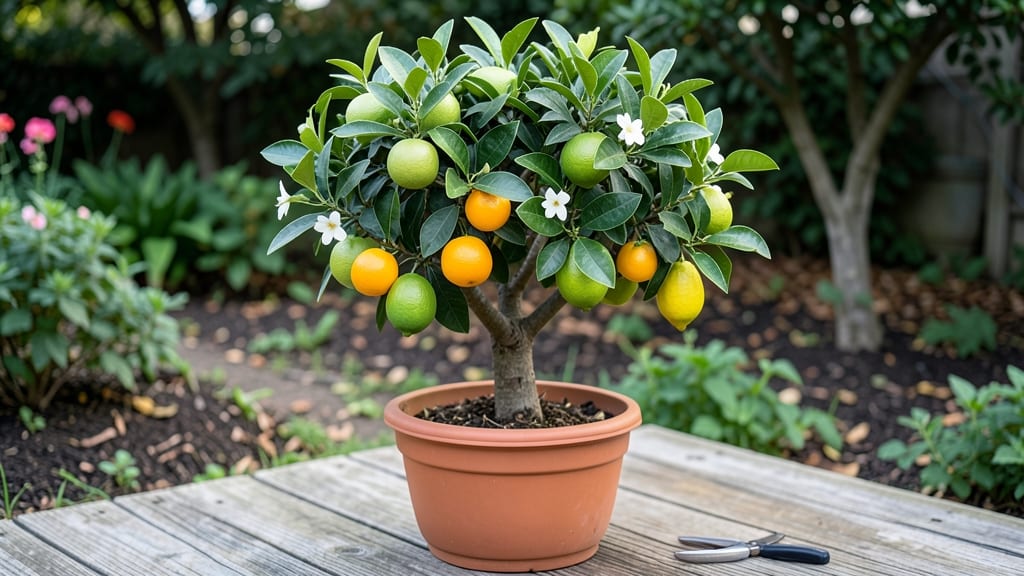
A 6 in 1 fruit cocktail tree crams six fruit varieties into one compact container—peaches, plums, nectarines, apricots, cherries, and almonds—all on the same rootstock. 🌱 I planted mine last spring and already have three varieties fruiting, proving you don’t need a backyard for a harvest.
The real magic? This tree stays small enough for patios but produces enough fruit to share with neighbors.
You’ll need a 15-gallon container with drainage, well-draining soil mix, and a sunny spot (at least 6 hours of direct light daily). Watering’s the trickiest part—keep soil moist but never soggy, especially when fruit sets.
Prune in late winter to shape the tree and remove crossing branches, which I learned the hard way leads to poor air circulation and disease.
By summer, you’ll be picking sweet, juicy fruit straight from your balcony. The tree’s compact size means no ladder needed, and the variety keeps harvests going from early summer through fall.
Plus, container growing means no weeds, fewer pests, and easier pest control—just spray off aphids with water and you’re good.
Works in zones 5-9, though colder climates may need winter protection. Start small with one tree—you’ll want more after your first harvest. Let’s get growing!
📚 In This Guide
- What you need
- Instructions
- Tips and common mistakes
- Wrapping up and next steps
What you need
- ● 6-in-1 Fruit Tree (Dwarf Variety): 1 x Patio Peko™ (6-in-1) fruit tree (e.g., apple, pear, peach, plum, cherry, and apricot grafts on a single rootstock)
- ● Size: 3-5 ft tall (potted) or bare-root sapling for transplanting
- ● Container: 1 x Large, durable pot (15-20 gallons) with drainage holes
- ● Material: Fiberglass, ceramic, or high-quality plastic (avoid cheap plastic that degrades)
- ● Potting Mix: 1 bag (1-2 cu. ft.) well-draining, nutrient-rich soil (e.g., Miracle-Gro® Potting Mix or Espoma® Organic Potting Soil)
- ○ Optional boost: Mix in 10% perlite or vermiculite for aeration
- ● Fertilizer: 1 x Slow-release granular fertilizer (e.g., Osmocote® Smart-Release or Fish Emulsion 5-1-1)
- ● 1 x Balanced liquid fertilizer (e.g., 20-20-20 for blooming/ fruiting)
- ● Pruning Tools: 1 x Bypass pruners (sharp, clean, and sterilized with rubbing alcohol)
- ● 1 x Hand saw (for thicker branches, if needed)
- ○ 1 x Grafting knife (optional, for advanced pruning)
- ● Support & Protection: 1 x Tree stake or bamboo support (for young trees)
- ● 1 roll Tree guard or reflective tape (to deter pests like birds/squirrels)
- ● Location: ✅ Full sun (6+ hours/day) in a sheltered spot (avoid strong winds)
- ● 🌡️ USDA Zones 5-9 (check your local climate—some varieties need winter protection)
- ● Watering Setup: 1 x Drip irrigation kit or watering can with a long spout (for deep root hydration)
- ○ 💡 Optional: Self-watering pot for busy gardeners!
- ● Pest Control: 1 x Neem oil spray (organic pest deterrent)
- ● 1 x Hose with nozzle (for rinsing off pests)
- ● Seasonal Care: 🌡️ Winter: Burlap wrap or frost cloth for cold zones
- ● 🔥 Summer: Shade cloth (30-50%) for extreme heat
Step-by-Step guide to growing a 6-in-1 fruit cocktail tree in containers
Here’s how I create a thriving, multi-fruit container tree that produces year-round harvests.
🌱 Step 1: Select and Prepare the Rootstock and Grafted Varieties
Start with a dwarf rootstock (like a citrus or apple rootstock) that’s already grafted with six different fruit varieties—common options include apples, pears, peaches, plums, cherries, and figs. These grafted trees are specially bred to grow together on one root system, saving space while maximizing flavor diversity. I always choose a container-adapted rootstock to prevent root-bound stress in small pots.
Inspect the graft unions (the raised bulges where each fruit variety was attached) before planting. Healthy grafts will show firm, green tissue with no cracks or oozing sap. If any grafts look weak, prune them back to just above the damaged area—new shoots will emerge from healthy buds within 4-6 weeks. Avoid overwatering immediately after planting, as excess moisture can rot the graft sites.
🪴 Step 2: Choose the Right Container and Soil Mix
Use a large, lightweight container with drainage holes—at least 18 inches in diameter and depth to accommodate the rootstock’s spread. I prefer fabric grow bags because they allow roots to breathe while preventing soil compaction. Fill the bottom 2 inches with gravel or perlite to improve drainage and prevent root rot.
Fill the container with a well-draining potting mix designed for fruit trees. I blend 60% premium potting soil, 20% compost, and 20% perlite for aeration. Avoid garden soil—it compacts in containers and suffocates roots. Moisten the mix until it’s evenly damp but not soggy before planting. A slow-release fertilizer (like 10-10-10) mixed into the soil provides nutrients without burning the roots.
☀️ Step 3: Plant and Position for Optimal Growth
Remove the tree from its nursery pot and loosen the roots gently if they’re circling. Place it in the container so the graft unions sit 1-2 inches above the soil line—this prevents rootstock from growing over the grafted varieties. Backfill with the potting mix, pressing lightly to remove air pockets, and water deeply until it drains from the bottom holes.
Position the tree in a sunny spot with at least 6-8 hours of direct sunlight daily. South-facing windows or a patio with afternoon sun work best. If growing indoors, supplement with a full-spectrum LED grow light for 12-14 hours daily. Too little light causes leggy growth and weak fruit production. Watch for yellowing leaves—a sign of insufficient light or overwatering.
💧 Step 4: Water and Fertilize for Year-Round Fruit Production
Water the tree deeply every 3-5 days, checking the top 2 inches of soil—it should feel dry to the touch before watering again. Overwatering leads to root rot, while underwatering causes fruit drop. I use a drip irrigation system or a watering can with a narrow spout to direct moisture to the roots without wetting the foliage, which reduces fungal diseases.
Fertilize every 4-6 weeks during the growing season (spring through fall) with a balanced, organic fertilizer. I switch between fish emulsion (for nitrogen) and kelp meal (for micronutrients) to avoid nutrient lockout. In winter, reduce fertilization to once every 8 weeks—the tree enters dormancy, and overfeeding can stress it. Prune spent fruit clusters after harvest to encourage new growth.
✂️ Step 5: Prune and Maintain for Long-Term Productivity
Prune the tree twice a year: late winter (before buds swell) and summer (after harvest). Remove dead, crossing, or overcrowded branches to improve airflow and sunlight penetration. I use sterilized pruning shears to make clean cuts just above an outward-facing bud. Avoid heavy pruning—this multi-graft tree needs its structure to support all six fruit types.
Watch for pests like aphids or spider mites, which thrive in container environments. Treat infestations early with neem oil or insecticidal soap. Harvest fruit as soon as it ripens—apples and pears in fall, stone fruits in summer, and figs in late summer. Storing harvested fruit in a cool, dark place extends freshness for 2-4 weeks, depending on the variety.
Tips & tricks for perfect year-round fruit cocktail trees
Growing a multi-fruit tree in containers takes patience, but these insider tricks will help you avoid common pitfalls and maximize your harvest.
Graft Union Care: When inspecting your graft unions in Step 1, look for a clean, unbroken seal between the rootstock and scion. If you notice any cracks or weeping sap, trim back to healthy tissue immediately—this prevents disease from spreading to the grafted varieties. I’ve seen graft failures when growers ignored minor damage, so don’t skip this step! The 4-6 week recovery window gives your tree time to regenerate, but early intervention is key.
Container Size Matters: That 18-inch minimum dimension in Step 2 isn't just a suggestion—it's critical for supporting six different fruit varieties. If you're tempted to use a smaller pot, remember that root competition will weaken your harvest. For urban balconies, consider using two slightly smaller containers instead of one overcrowded one. Fabric grow bags are my go-to because they prevent root circling, which is especially problematic in dwarf rootstocks.
Lighting Strategy: The 6-8 hours of sunlight requirement in Step 3 can be tricky indoors. If your windows don't provide enough light, supplement with a full-spectrum LED grow light placed 6-12 inches above the tree. I've found that positioning the light on a timer for 12-14 hours daily mimics natural daylight cycles. Watch for yellowing leaves—this is your first sign that the tree isn't getting enough light, and it often leads to poor fruit set.
Watering Wisdom: That 3-5 day watering schedule in Step 4 needs adjustment based on your climate. In hot summer months, check the top 2 inches of soil every 2-3 days instead—container trees dry out faster than in-ground plants. I've learned the hard way that underwatering causes fruit drop, while overwatering leads to root rot. The key is consistent moisture without soggy soil. A moisture meter is worth the investment for container gardening.
Pro Tips for 6 In 1 Fruit Cocktail Tree
- Growing a multi-fruit tree in containers takes patience, but these insider tricks will help you avoid common pitfalls and maximize your harvest.
- Graft Union Care: When inspecting your graft unions in Step 1, look for a clean, unbroken seal between the rootstock and scion.
- Container Size Matters: That 18-inch minimum dimension in Step 2 isn't just a suggestion—it's critical for supporting six different fruit varieties.
Frequently asked questions
about growing a 6-in-1 fruit cocktail tree in containers can help clarify doubts before you start. Here are answers to common queries to ensure your fruiting adventure is smooth and successful!How long does it take for a 6-in-1 fruit cocktail tree to bear fruit?
A 6-in-1 fruit cocktail tree typically takes 2–3 years to mature enough to produce fruit when grown in containers. Factors like sunlight, soil quality, and care routine can speed this up. Patience is key—consistent pruning and fertilizing help encourage earlier fruiting!
Can I grow a 6-in-1 fruit cocktail tree indoors?
While possible in bright, sunny spots (like a south-facing window or under grow lights), most 6-in-1 trees thrive outdoors. Containers limit root growth, so indoor growth may reduce fruit yield. If indoors is your only option, ensure 12+ hours of light daily and rotate the pot regularly for even growth.
What’s the best way to prune a 6-in-1 fruit cocktail tree for maximum fruit?
Prune during late winter or early spring to remove dead/diseased branches and shape the tree. Focus on open-center growth—trim back overcrowded branches by 1/3 to improve airflow and sunlight penetration. Avoid heavy pruning in fall, as it can stress the tree before winter.
Will all 6 fruits (e.g., strawberry, blueberry, raspberry) ripen at the same time?
No! Each fruit variety has its own ripening timeline. For example, strawberries may fruit earlier in spring, while blueberries peak in summer. This staggered harvest is part of the fun—plan to enjoy a mix of flavors throughout the growing season. Succession planting (adding new varieties) can extend your harvest even further!
How do I protect my container-grown 6-in-1 tree in winter?
Move pots to a protected location (like a garage or under eaves) if temperatures drop below 20°F (-7°C). Wrap the container in bubble wrap or frost cloth and mulch the soil with straw. Water sparingly—overwatering can lead to root rot in cold soil. Resume regular care in early spring.
Can I replant a 6-in-1 fruit cocktail tree after it’s outgrown its container?
Yes! If roots circle the pot, it’s time to upgrade to a larger container (15–20 gallons) or plant in the ground. Gently loosen roots before transplanting to minimize shock. Add compost-rich soil and water thoroughly. Avoid transplanting during extreme heat or cold for best results.
Wrapping up and next steps
Growing a 6-in-1 fruit cocktail tree in containers isn’t just a dream—it’s a delicious, space-saving reality! 🌱 With the right care, you’ll enjoy a year-round harvest of juicy fruits like apples, pears, peaches, plums, cherries, and grapes, all from a single compact tree.
Whether you’re a beginner or a seasoned gardener, this versatile setup proves that big rewards come in small packages.
Ready to take the next step? Start by selecting your tree and preparing your container, then dive into pruning and maintenance to keep your fruit cocktail tree thriving. Happy growing—your taste buds (and neighbors!) will thank you! 🍏🍑