
Pruning
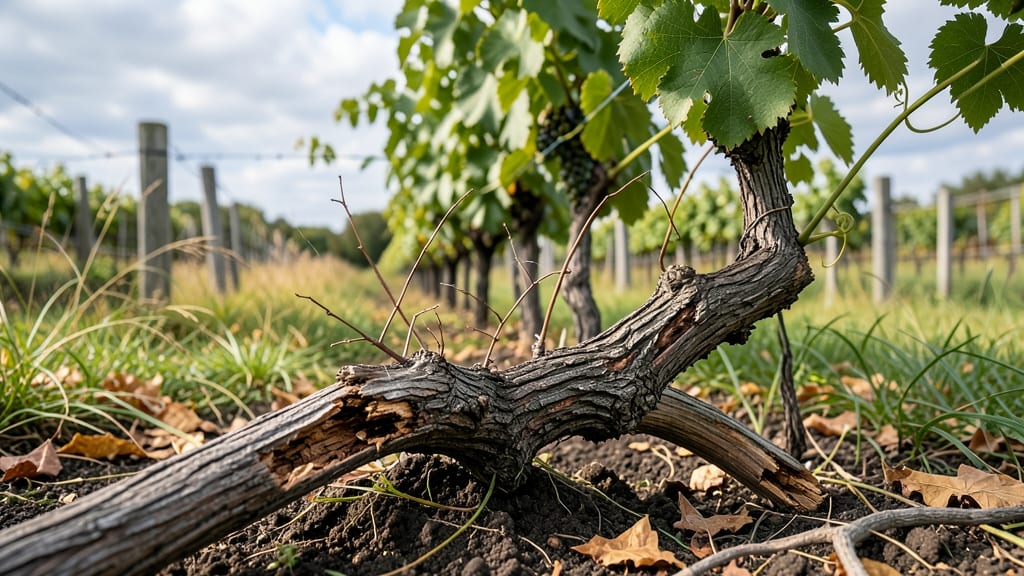
Determining whether your grape tree is truly dead—or just struggling—can feel like staring at a blank canvas. 🌿 The difference between giving up and reviving your vineyard often comes down to knowing exactly what to look for, from brittle branches to hidden signs of life beneath the bark.
Here’s the thing—grape trees are tougher than they look. A vine that seems lifeless in winter might just be dormant, while others show clear signs of death like sunken, cracked bark or branches that snap like dry twigs.
The key is checking for moisture in the wood and peeling back layers to spot green tissue beneath.
You’ll find out whether your tree is beyond saving—or if a little pruning and patience can bring it back to life. Even if the worst happens, knowing the difference means you can replace it with a healthy start before next season’s harvest.
Let’s walk through the five critical checks that’ll give you absolute clarity. No guesswork, just actionable steps to save your vineyard—or start fresh with confidence.
📚 In This Guide
- What you need
- Instructions
- Tips and common mistakes
- Wrapping up and next steps
What you need
- ● Pruning shears: Sharp, bypass-style shears (avoid anvil shears—they crush stems). Size: 6-8 inches for thick grapevine branches.
- ● Loppers: For thicker branches (1-2 inches in diameter). Quantity: 1 pair with a ratchet mechanism for ease.
- ● Hand pruners: For smaller cuts and precision trimming. Quantity: 1 pair (sterilize with rubbing alcohol between cuts!).
- ● Gloves: Heavy-duty, cut-resistant gloves (grapevine thorns are no joke!). Material: Leather or synthetic blend.
- ● Disinfectant: 70% isopropyl alcohol or a copper-based fungicide (3 tbsp per gallon of water) to prevent disease spread.
- ● Notebook & pen: To jot down observations (date, symptoms, branch locations). Pro tip: Use a waterproof version if checking trees after rain! 💡
- ○ Trowel or small shovel: For gently lifting soil to inspect roots (optional but helpful for advanced checks).
- ● Magnifying glass: For spotting tiny signs of disease or pest damage on leaves/bark.
- ● Camera or smartphone: Capture close-ups of symptoms for later reference or expert advice.
- ● Soil pH test kit: If root health is suspected—grapevines thrive in 6.0–6.5 pH.
- ● Tree paint or pruning sealant: For sealing large cuts (1+ inch diameter) to prevent disease entry.
- ● Watering can or hose: To hydrate the tree post-inspection if you suspect dehydration.
How to diagnose a grapevine's health: key signs of life or death
Here's how to tell if your grapevine is struggling or truly gone—no guesswork needed.
🌿 Step 1: Check the Bark for Cracks or Dark Spots
Run your fingers along the main trunk and branches. Healthy grapevine bark should feel smooth and slightly rough, with a consistent color that's light brown or gray. If you see deep cracks wider than 1/4 inch or dark, sunken spots that feel soft when pressed, that's a sign of advanced disease or rot. Real talk: these cracks let moisture and pests in, accelerating decline.
Look for oozing sap or fungal growths—those are red flags. I've seen vines with bark peeling like old wallpaper, and while that looks dramatic, it's often just sun exposure. The difference? Sun-damaged bark stays firm, while diseased bark feels mushy underneath. Press gently to test.
🌱 Step 2: Examine the Canes for Green or Flexible Wood
Break a small branch between your fingers. Live wood should bend slightly before snapping with a crisp sound. If it crumbles like dry kindling or smells musty, that's a dead vine. Healthy canes also have green pith inside—cut a cross-section to check. Even in winter, live canes stay green underneath the bark.
Pay attention to the tips. If you see new growth buds swelling in spring (even if they're tiny), your vine has a fighting chance. I once thought a vine was dead because it looked bare—until I spotted those little buds. That's your vine's last hope for revival.
💧 Step 3: Test the Roots for Moisture and Firmness
Dig down 6-8 inches near the base with a trowel. Healthy roots should be white or light tan and firm to the touch. If they're dark brown or black and smell rotten, your vine has root rot. Even worse? If they pull away like wet string when you tug gently, that's a clear sign of death.
Don't skip this step—it's the most reliable way to diagnose. I've seen vines with beautiful leaves but dead roots underneath. The leaves might fool you, but the roots tell the real story. If you find any roots that still look healthy, you might be able to save the vine by pruning back the dead parts.
☀️ Step 4: Observe Leaf Health and New Growth Patterns
Look for fresh leaves in spring or summer. If you see any new growth—even just a single leaf—your vine is still alive. Check the color: healthy leaves are deep green on top and lighter underneath. Yellowing leaves (chlorosis) or brown edges often mean nutrient issues, not death. But if leaves stay brown and crispy all season, that's a bad sign.
Here's the thing—grapevines can be sneaky. They might drop all their leaves in winter, but if you see buds swelling in early spring, don't give up. I've revived vines that looked completely dead by cutting back to the last healthy bud and giving them proper care. That's the power of new growth.
⏰ Step 5: Perform the Final "Tap Test" for Confirmation
Take a small branch and tap it sharply with a hammer or rock. A live branch will make a hollow sound. A dead one sounds dull, like you're hitting a piece of wood that's been sitting in the rain for years. This test works best in late winter or early spring when the vine's sap is moving.
If all else fails, this is your definitive answer. I've used this test to confirm dead vines before pulling them up, and it's never steered me wrong. Combine this with the other signs, and you'll have your answer. Remember: grapevines are tough, but they're not indestructible—give them a fair chance before calling it quits.
Tips & tricks for diagnosing grapevine health
Don't let a grapevine's appearance fool you—here's how to read the real signs of life.
Bark Inspection: In Step 1, when checking bark, focus on the texture as much as the appearance. Healthy bark should resist gentle pressure—if it gives way like wet cardboard, that's a clear sign of internal rot. I've seen vines with beautiful bark colors but hidden rot underneath. Use a pocket knife to carefully scrape a small section: if the wood underneath is brown and crumbly, it's time to act.
Seasonal Timing: The best time to perform the cane test in Step 2 is during dormancy (late winter/early spring) when the vine's sap isn't moving yet. If you test in summer, the wood might feel slightly softer due to normal moisture content. For the most accurate results, combine this test with the bark inspection—both should align if the vine is truly healthy.
Root Examination: When testing roots in Step 3, dig in multiple spots around the base. I've found healthy roots in one area and rot in another—this uneven decay is common. If you discover partial root health, you can often save the vine by pruning back the diseased sections and improving drainage. Remember, healthy roots should feel like firm cucumbers, not soggy sponges.
New Growth Observation: In Step 4, don't dismiss tiny buds in spring—they're your vine's last chance. I've revived vines with just a few buds by providing consistent water and proper pruning. These buds often appear at the base of canes or in the crotches where branches meet the trunk. Mark their location with a small flag so you can monitor their progress.
Pro Tips for When Is A Grape Tree Dead
- Don't let a grapevine's appearance fool you—here's how to read the real signs of life.
- Bark Inspection: In Step 1, when checking bark, focus on the texture as much as the appearance.
- Seasonal Timing: The best time to perform the cane test in Step 2 is during dormancy (late winter/early spring) when the vine's sap isn't moving yet.
Frequently asked questions
How can I tell if my grape tree is dead vs. dormant?
A dead grape tree will show no signs of life—no buds, bark sloughing off, or brittle, blackened wood. Dormant trees (common in winter) have tight, brown buds and firm bark. Scratch the bark: if it’s green underneath, the tree’s alive; if it’s brown or mushy, it’s dead. Pro tip: Tap the trunk—if it sounds hollow, it’s likely dead.
Can a grape tree come back to life after being declared dead?
Sometimes! If the tree’s roots are still viable (test by digging 12 inches deep for white, firm roots), prune aggressively in late winter and fertilize. However, if the trunk is completely hollow or rotted, revival is unlikely. Alternative: Propagate from healthy canes if the roots survive.
Should I cut down a dead grape tree immediately?
Not always! If the tree is partially dead (some green shoots remain), wait until late winter or early spring to prune. Remove the entire tree only if it’s a disease/rot risk (e.g., fungal spread). Use sterilized tools and dispose of debris properly. Warning: Never leave dead wood—it attracts pests.
What can I plant instead of a dead grape tree?
Consider low-maintenance alternatives like:
- Fig trees (drought-tolerant, fast-growing)
- Pomegranates (hardy, ornamental fruit)
- Blueberries (acidic soil lovers, great for pollinators)
- Herbaceous perennials (e.g., lavender, rosemary)
Ensure the new plant thrives in your climate and soil type—grape trees need full sun and well-draining soil.
Why did my grape tree die suddenly? Common causes?
Sudden death often stems from:
- Fungal diseases (e.g., Esca or Botrytis—look for black streaks in wood)
- Root rot (overwatering or poor drainage)
- Pest infestations (e.g., phylloxera or borers)
- Extreme weather (freeze damage or drought stress)
Troubleshoot: Check for these signs before replanting.
Wrapping up and next steps
Don’t let uncertainty keep you from reviving your grapevine! Remember, a "dead" grape tree often just needs patience, proper care, and a little know-how. Check for dormant buds, root health, and environmental factors—your vine might still have a fighting chance. 🌱
Now that you’re armed with the signs and solutions, it’s time to roll up your sleeves! Start by inspecting your tree today—prune, nurture, and monitor progress. Whether you’re a seasoned gardener or a beginner, every small step counts toward a thriving vineyard. Happy growing! 🍇