Pruning
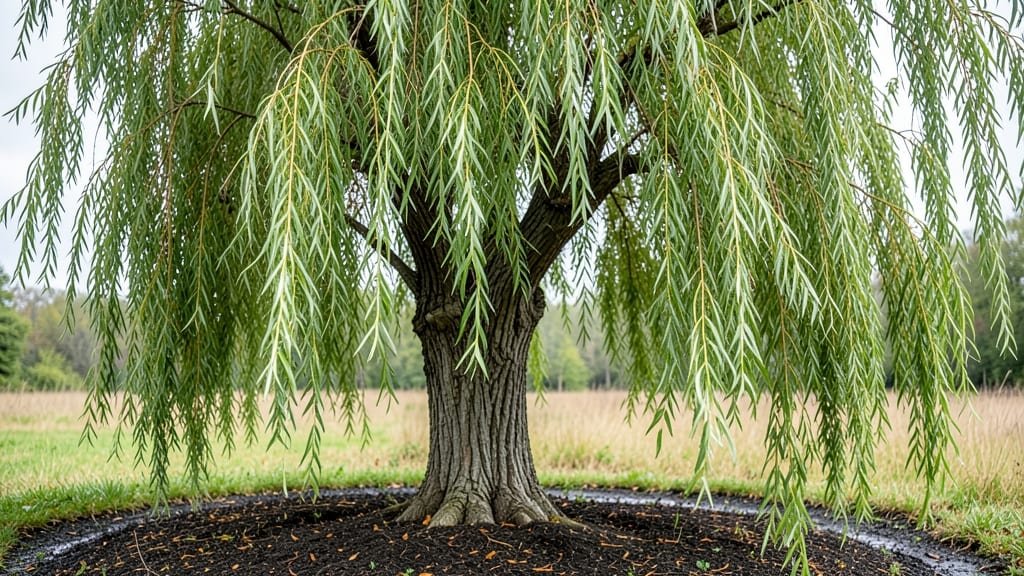
Pruning weeping willow tree branches isn’t just about shaping—it’s about keeping this graceful giant alive and thriving. 🌿 I’ve learned the hard way that skipping pruning leads to tangled, weak branches that snap under snow or wind, leaving your tree looking like a sad, overgrown mess.
The key is understanding when to trim, what tools to use, and how to encourage that signature weeping form without stressing the tree.
Most people wait until spring, but weeping willows need attention year-round—light pruning in late winter to remove dead wood, strategic cuts in early summer to control growth, and a final tidy-up in fall before dormancy.
You’ll need sharp bypass pruners, loppers for thicker branches, and safety gear since these trees grow fast and tall. The goal is to open up the canopy, reduce weight on limbs, and keep those iconic trailing branches from turning into a tangled bird’s nest.
When done right, your tree will reward you with healthier growth, fewer broken limbs, and that dreamy, cascading shape that makes neighbors stop and stare. You’ll see fresh green shoots pushing out within weeks of proper pruning, and the tree’s natural form will emerge stronger than ever.
The secret? Never remove more than 25% of the foliage in one season—this tree gives back what you take, but only if you respect its limits.
Even in harsh winters or drought years, a well-pruned weeping willow bounces back faster than you’d expect. The branches you trim now will become the lush, graceful curtains of foliage that define this tree’s beauty. Let’s get you set up for success—your tree (and future shade lovers) will thank you.
📚 In This Guide
- What you need
- Instructions
- Tips and common mistakes
- Wrapping up and next steps
What you need
- ● Pruning shears – Bypass pruners (sharp, 7-9" blades) for clean cuts on smaller branches (1/4" to 1" thick). Quantity: 1 pair.
- ● Loppers – Heavy-duty, bypass or anvil type (for branches 1"–2" thick). Quantity: 1 pair.
- ● Pruning saw – Curved-tooth saw for branches >2" thick. Quantity: 1.
- ● Gloves – Heavy-duty, cut-resistant (willow branches can be thorny!). Quantity: 1 pair.
- ● Ladder – Extension ladder (16–24 ft) or tree climbing gear (if branches are high). Quantity: 1.
- ● Disinfectant – 70% isopropyl alcohol or pruning sealant (to prevent disease spread). Quantity: Small bottle.
- ● Heavy-duty trash bags – For debris removal. Quantity: 2–3.
- ● Pole saw – For hard-to-reach branches without a ladder.
- ● Tree wound dressing – Only if needed (controversial; skip for willows unless large cuts >2" diameter).
- ● Work boots – For stability on uneven ground.
- ● Safety glasses – Protects eyes from debris.
- ● Notebook & pen – To sketch pruning plans or track growth.
Step-by-step guide for pruning weeping willow tree branches
Keep your weeping willow lush and strong with this seasonal pruning routine.
✂️ Step 1: Prune in Late Winter for Shaping and Airflow
Start your pruning in late winter when the tree is still dormant but before new growth begins. This is the best time to shape your weeping willow, as the branches are easier to manage without leaves blocking visibility. I always begin by removing any dead, diseased, or crossing branches first—these are the most obvious culprits that can harm your tree's health.
Use clean, sharp pruning shears to make cuts just above a bud or branch collar. Avoid leaving stubs, as they can invite rot or disease. For larger branches, use a pruning saw to make clean cuts at a slight angle. You'll see the tree's natural structure emerge as you remove the excess growth, which helps improve airflow and sunlight penetration.
✂️ Step 2: Thin Out Overcrowded Branches in Early Spring
Once the tree starts showing signs of new growth in early spring, focus on thinning out overcrowded branches. Weeping willows can become dense quickly, which can lead to weak growth and even disease. Look for branches that are growing too close together or rubbing against each other—these are the ones to prioritize.
Remove about one-third of the oldest or weakest branches to encourage new, healthier growth. You'll want to maintain the tree's natural weeping shape, so avoid cutting back too aggressively. If you're unsure which branches to remove, step back and look at the tree from a distance—this helps you see the overall structure more clearly.
🌿 Step 3: Light Pruning in Summer to Encourage Fullness
During the summer months, your weeping willow will need only light pruning to maintain its shape and encourage fullness. This is the time to trim back any branches that are growing too long or leggy. Focus on the outer edges of the tree to keep it from becoming too top-heavy or losing its graceful weeping form.
Use your pruning shears to make small cuts just above a leaf node or bud. Avoid cutting into old wood, as this can slow down new growth. You'll notice the tree filling out more as you encourage branching from the inner parts. Water the tree deeply after pruning to help it recover and support new growth.
⏰ Step 4: Final Pruning in Early Fall for Winter Readiness
In early fall, give your weeping willow a final pruning to prepare it for winter. Remove any branches that are dead, diseased, or damaged from summer storms. This is also a good time to trim back any suckers or unwanted growth that may have sprouted during the growing season.
Focus on cleaning up the tree's overall appearance while maintaining its natural shape. Avoid heavy pruning now, as the tree needs time to harden off before winter. You'll see the tree looking tidy and ready for the colder months ahead. Mulch around the base of the tree to protect the roots from freezing temperatures.
Tips & tricks for pruning weeping willow tree branches
Here's what I learned after years of keeping my weeping willow thriving—these little details make all the difference.
Tool Prep is Everything: Before you start pruning in late winter, take 10 minutes to sharpen your pruning shears and clean them with rubbing alcohol. Dull blades tear wood fibers, creating jagged cuts that invite disease. For larger branches, use a pruning saw with a fine-tooth blade—it makes cleaner cuts that heal faster. I keep a small bucket of disinfectant near my tools to wipe them between cuts on different branches.
Visual Cues for Healthy Cuts: In Step 1, when making cuts just above the branch collar, look for the slight swelling where the branch meets the trunk. This is your target spot—cutting here ensures the tree can seal the wound properly. For branches thicker than your wrist, make a small notch on the underside first to prevent tearing when you complete the cut. The bark should peel back cleanly if you're on the right track.
Spring Pruning Strategy: When thinning out overcrowded branches in early spring, focus on removing branches that are growing inward or downward—they'll never get enough sunlight to thrive. I like to step back every 10 minutes and look at the tree's silhouette to check for balance. Removing just one-third of the oldest branches gives the tree room to breathe while maintaining its graceful weeping form. Think of it like giving your tree a haircut—you want to enhance its natural beauty, not chop it into something unrecognizable.
Summer Care Secret: During summer's light pruning, pay special attention to watering after you finish. Deep watering helps the tree recover from the stress of pruning. I water mine for about 15 minutes using a soaker hose placed at the tree's drip line. This encourages roots to grow outward rather than staying shallow, which helps support those long, graceful branches we love about weeping willows.
Pro Tips for Weeping Willow Tree Branches
- Here's what I learned after years of keeping my weeping willow thriving—these little details make all the difference.
- Tool Prep is Everything: Before you start pruning in late winter, take 10 minutes to sharpen your pruning shears and clean them with rubbing alcohol.
- Visual Cues for Healthy Cuts: In Step 1, when making cuts just above the branch collar, look for the slight swelling where the branch meets the trunk.
Frequently asked questions
Got questions about weeping willow branches? You’re not alone!
Here are answers to the most common concerns—from timing to troubleshooting—so you can keep your tree thriving year-round.
When is the best time to prune weeping willow branches?
The ideal time is late winter or early spring (before new growth starts) to avoid heavy sap loss. Avoid pruning in fall or winter, as this can stress the tree and leave it vulnerable to disease. If you must prune in summer, do so early in the morning to reduce water loss.
How much of a weeping willow’s branches can I safely trim?
Never remove more than 25% of the tree’s total canopy in one season. Weeping willows are fast-growing but sensitive—over-pruning can weaken the tree or lead to dead branches. Focus on shaping, removing deadwood, and thinning crowded areas for airflow.
Why are my weeping willow branches turning brown or dying?
Brown or dying branches often signal fungal infections, pests (like willow borers), or environmental stress (e.g., poor drainage, drought). Prune affected branches 1-2 inches above the browning and disinfect tools with rubbing alcohol. Improve soil drainage and avoid overwatering.
Can I use weeping willow branches for anything besides pruning?
Trimmed branches make natural fences, mulch, or even artistic arrangements. Just let them dry for a few days first to prevent rot. Avoid burning them—willow wood burns quickly but leaves a smoky residue. Compost smaller clippings for nutrient-rich soil.
Should I prune weeping willow branches in winter?
Only if absolutely necessary (e.g., storm damage). Winter pruning can shock the tree and invite pests. If you must, wait until dormancy breaks (late winter) and avoid heavy cuts. Focus on removing broken or diseased branches to minimize stress.
Pro Tip:
Always wear gloves and eye protection—weeping willow branches are sharp and can cause scratches or irritate skin. A pruning saw with a fine tooth (for clean cuts) and sealer (for large cuts) are your best friends!
Wrapping up and next steps
Pruning weeping willow tree branches isn’t just about keeping your tree tidy—it’s a year-round commitment to its health, beauty, and longevity. 🌿 By mastering the right techniques and timing, you’ll encourage stronger growth, prevent pests, and even shape your tree into a stunning focal point.
Whether you’re a seasoned gardener or just starting out, every snip is a step toward a thriving, picturesque landscape.
Ready to take the next step? Grab your tools, mark your calendar for the best pruning windows, and start small! Watch your weeping willow transform into a lush, graceful masterpiece—one branch at a time. Happy pruning! 🌳✨