
Pruning
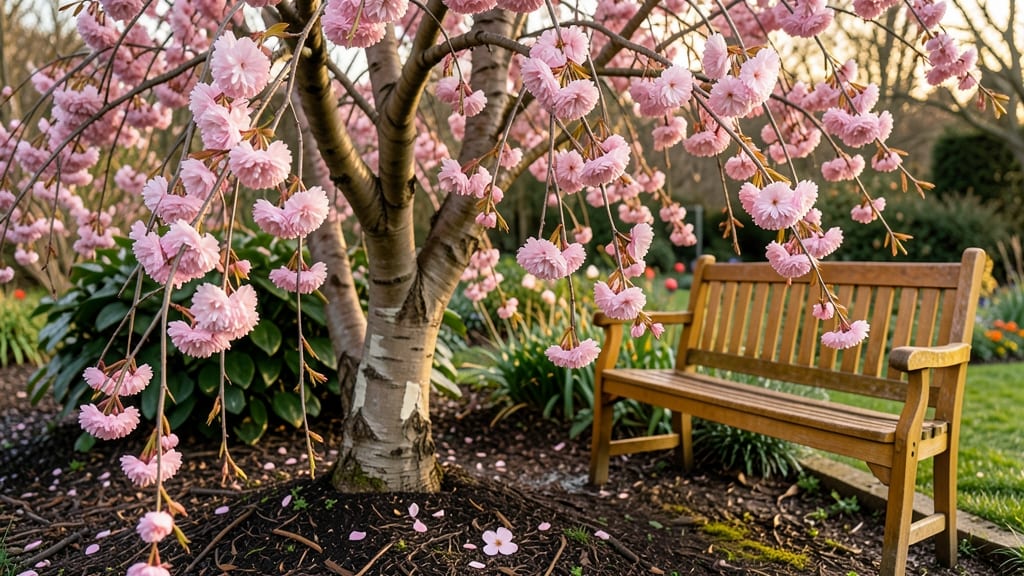
The Weeping Extraordinaire cherry tree transforms any Pacific Northwest yard into a living watercolor—its cascading branches heavy with spring blossoms and summer shade. 🌸 I planted mine in early spring, and by late winter, it was already showing signs of new growth, proving how resilient this cultivar is when pruned right.
The key isn’t just cutting branches, but shaping the tree to handle our region’s wet winters and windy summers.
Late-winter pruning—right before buds swell—is your chance to clean up winter damage, open the canopy for better airflow, and encourage those signature weeping branches to grow even more dramatic.
You’ll need sharp bypass pruners, a ladder (for higher branches), and maybe a friend to spot-hold those graceful limbs while you work. The goal is to remove no more than 25% of the foliage—any more risks stressing the tree just as it’s waking up.
What you’ll end up with is a tree that looks like it belongs in a botanical garden, not just your backyard.
Those pink spring blooms will be denser, the branches will cascade lower (perfect for seating or shade), and the tree will resist disease better by letting light and air move through. The best part? You’ll notice the difference by early summer when new growth pushes out faster than ever.
This method works for established trees and newly planted ones alike—just adjust the timing slightly for younger specimens. Whether you’re pruning a 5-year-old tree or one that’s been in the ground for decades, the principles stay the same. Let’s get those branches looking like a masterpiece by spring.
📚 In This Guide
- What you need
- Instructions
- Tips and common mistakes
- Wrapping up and next steps
What you need
- ● Pruning shears: Bypass pruners (sharp, clean, and sterilized with rubbing alcohol). Quantity: 1 pair (or 2 if working with thick branches).
- ● Loppers: For branches ½–1.5 inches thick. Quantity: 1 pair.
- ● Pruning saw: For branches over 1.5 inches thick. Specification: Curved-tooth saw for clean cuts.
- ● Gloves: Heavy-duty, cut-resistant (e.g., mechanics’ gloves). Quantity: 1 pair.
- ● Disinfectant: 70% isopropyl alcohol or bleach solution (1 part bleach : 9 parts water) for sterilizing tools.
- ○ Pruning sealant: Optional but recommended for cuts over ½ inch (e.g., Tanglefoot Tree Wound Pruning Sealer).
- ● Ladder or stool: If your tree is over 6 feet tall. Specification: Sturdy, non-slip base.
- ● Trash bags or bucket: For collecting debris. Quantity: 1–2.
- ● Timing: Prune during dormant season (late winter, before buds swell). Ideal temps: 40–50°F.
- ● Weather: Choose a dry, calm day to avoid spreading disease.
- ● Safety first: Wear long sleeves and closed-toe shoes to protect from thorns.
- ● Check for pests or disease (e.g., brown cankers) before cutting.
- ○ Optional: Hand lens (10x magnification) for inspecting buds and cuts.
- ● Marking twine or flags to map your cuts before pruning.
Step-by-step late-winter pruning for weeping extraordinaire cherry trees
Here's how to shape your tree for strong Pacific Northwest growth—just in time for spring.
⏰ Step 1: Time Your Prune Precisely
Wait until late winter when the tree is still dormant but just before buds begin swelling. In the Pacific Northwest, this typically falls between mid-February and early March, depending on your microclimate. Cold snaps can delay bud break, so check daily after the first warm spell—you want to prune when buds are still tightly closed but the tree has endured winter's chill.
Pruning too early risks damaging tender new growth from late winter warmth, while waiting too long risks removing flower buds that haven't yet opened. I always prune after the last hard frost warning has passed in my area. If you're unsure, err on the side of waiting—you can always prune again in early spring if needed.
✂️ Step 2: Gather Tools and Prepare the Workspace
Use sharp, clean pruning shears for cuts under ¼ inch and loppers for thicker branches. Disinfect tools with rubbing alcohol between cuts to prevent spreading disease. I lay down a tarp below the tree to catch debris and make cleanup easier—this is especially helpful for weeping varieties where small branches litter the ground.
Wear gloves to protect against thorns and inspect the tree for any dead, diseased, or crossing branches first. Mark these with a piece of twine or flagging tape before making any cuts. This helps you visualize the final shape and ensures you remove only what's necessary. Real talk: I've pruned without planning and ended up with uneven growth—don't skip this step!
🌿 Step 3: Open the Canopy for Light and Airflow
Start by removing dead, diseased, or damaged wood first—these are easy to spot as they're brown, brittle, or lack buds. Next, thin out crossing branches that rub against each other, as these create wounds and invite rot. For weeping cherries, focus on maintaining an open vase shape by selectively pruning branches that grow upward or inward.
Make cuts just outside the branch collar—the swollen area where the branch meets the trunk or larger branch. Avoid leaving stubs, as these can rot and attract pests. For larger branches over ½ inch thick, use the three-cut method to prevent bark tearing. You'll see new shoots emerge from the pruned areas in spring—that's your signal the tree is responding well.
☀️ Step 4: Shape for Pacific Northwest Conditions
Weeping cherries thrive in the PNW's mild, moist climate, but they need airflow to prevent fungal issues like leaf spot. Step back frequently to assess the tree's shape—aim for a balanced, open canopy that lets sunlight reach the lower branches. In windy coastal areas, prune to reduce wind resistance by removing overly long, whip-like branches.
For extra resilience, prune to encourage multiple leaders if your tree has only one main trunk. This creates a stronger structure that can better withstand winter storms. Avoid heavy pruning—never remove more than 25% of the tree's foliage in one season. If you're unsure, prune conservatively and monitor the tree's recovery over the next growing season.
Tips & tricks for pruning weeping cherry trees
Late-winter pruning transforms your weeping cherry into a resilient Pacific Northwest beauty—here's how to avoid common pitfalls and get it right the first time.
Timing Secret: The mid-February to early March window matters because it balances dormancy and bud development. I check for buds that are still closed but plump—like tiny sealed buttons. If you're in a coastal area with milder winters, wait until the last hard frost warning has passed. This timing ensures you don't accidentally remove flower buds that haven't opened yet, which could reduce next year's fruit production.
Tool Prep Strategy: Disinfecting your pruning shears and loppers between cuts is non-negotiable for weeping cherries. I keep a small bottle of rubbing alcohol in my tool pouch and wipe down blades after every 3-4 cuts. For branches over ½ inch thick, the three-cut method prevents bark tearing—start with an undercut, then make your main cut just outside the branch collar, and finish by removing the remaining stub. This creates clean wounds that heal faster.
Canopy Vision: Step back every 10-15 minutes to assess your work. Weeping cherries need that open vase shape to let sunlight reach lower branches, but it's easy to get tunnel vision. Look for branches growing upward or inward—these are your targets. For dramatic weeping varieties, aim to remove about 15-20% of the total foliage in one session. If you're unsure, less is better—you can always prune more in early spring if needed.
PNW Wind Wisdom: Coastal gardeners should pay special attention to wind resistance. Remove overly long, whip-like branches that can snap in winter storms. I like to leave slightly shorter branches on the windward side of the tree to create natural windbreaks. For trees near driveways or walkways, prune to create clearance while maintaining that graceful weeping silhouette. The goal is resilience without sacrificing beauty.
Pro Tips for Weeping Extraordinaire Cherry Tree
- Late-winter pruning transforms your weeping cherry into a resilient Pacific Northwest beauty—here's how to avoid common pitfalls and get it right the first time.
- Timing Secret: The mid-February to early March window matters because it balances dormancy and bud development.
- Tool Prep Strategy: Disinfecting your pruning shears and loppers between cuts is non-negotiable for weeping cherries.
Frequently asked questions
Got questions about pruning your Weeping Extraordinaire cherry tree? You’re not alone! Here are some of the most common concerns—plus practical answers to keep your tree thriving in the Pacific Northwest’s unique climate.
When is the absolute best time to prune my Weeping Extraordinaire?
The ideal window is late winter (February–early March) when the tree is still dormant but before buds swell. This timing minimizes stress and disease risk. Avoid pruning in fall or early spring—late spring cuts can spur excessive growth before winter hardiness sets in.
How much can I trim without harming the tree?
For young trees, aim to remove no more than 25% of the foliage per year. Mature trees can handle up to 30–35% if pruned gradually over 2–3 years. Focus on dead, crossing, or weak branches first—never cut more than ⅓ of a branch’s diameter in one go to avoid stress.
Will pruning in rainy PNW weather cause problems?
Rainy conditions aren’t ideal, but clean cuts heal faster than messy ones. Prune on dry, overcast days (not during downpours) to reduce fungal risks. Sterilize tools with 70% isopropyl alcohol or a 10% bleach solution to prevent bacterial spread in damp air.
Are there alternatives if my tree isn’t thriving after pruning?
If your tree shows yellowing leaves, sparse blooms, or dieback, it might need soil amendments (PNW’s acidic soil often lacks nitrogen). Test your soil and add compost or a balanced fertilizer (like 10-10-10). For severe cases, consult an arborist—root rot or pests could be lurking!
Why are my new cuts oozing a dark liquid?
That’s gumming—common in cherries! It’s harmless unless it’s heavy, foul-smelling, or paired with wilting. Clean cuts with a pruning sealant (like Tanglefoot) to deter pests. If the ooze persists, inspect for borers or fungal infections and treat accordingly.
Wrapping up and next steps
The Weeping Extraordinaire cherry tree thrives with your care—and late-winter pruning is your secret weapon for resilience in the Pacific Northwest’s unpredictable climate. 🌿 By sharpening your tools, mastering the "three-cut method," and embracing patience, you’ll cultivate a tree that’s not just beautiful but extraordinary.
Remember, every snip is a step toward a healthier, more vibrant future.
Ready to transform your garden? Grab your pruners and start small—even a single branch makes a difference! For deeper dives, explore local PNW gardening forums or consult a certified arborist to refine your skills. Your tree (and future generations of blossoms) will thank you!