
Pruning
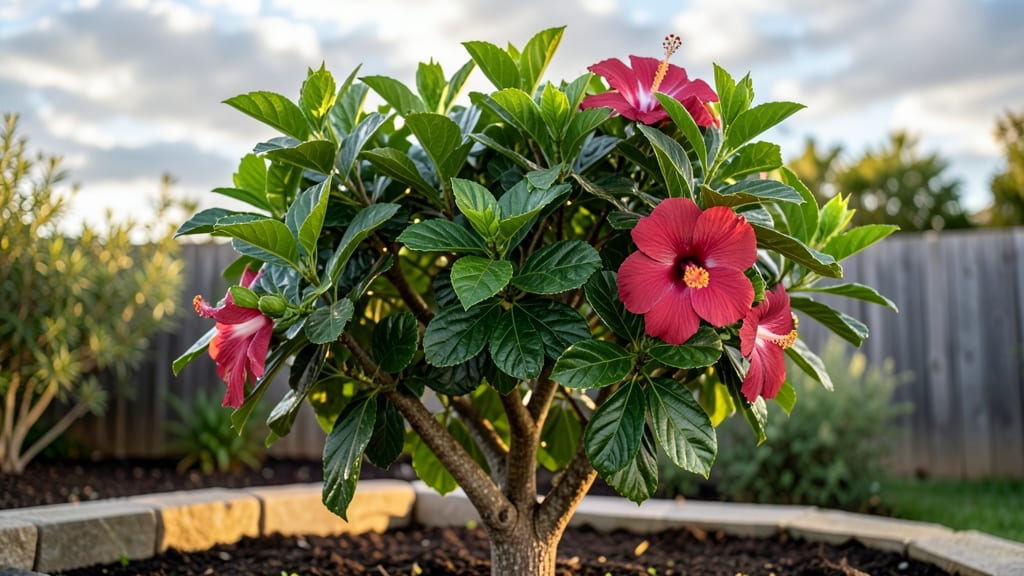
Growing a tropical hibiscus tree in the Pacific Northwest isn't just possible—it's a showstopper with the right frost-resistant pruning approach. I've watched mine survive winters with bold, velvety leaves and bursts of fiery blooms, proving that even our chilly climate can host these tropical stunners.
The secret lies in understanding their needs: they crave warmth but can tolerate our cooler summers if you mimic their native habitat with rich soil and shelter from wind.
You'll need well-draining soil mixed with compost, a spot that gets at least 6 hours of morning sun (afternoon shade helps in hot summers), and regular watering—deep but infrequent—to keep roots happy without drowning them.
The real magic happens in winter prep: wrapping young trees in burlap or moving potted specimens indoors before temps drop below 30°F. This simple protection lets them bounce back stronger each spring, ready to reward you with 3-foot-wide blooms that last from summer into fall.
Pruning isn't just about shaping—it's about survival. Cut back dead or damaged branches in early spring, then do a light shaping trim after blooming to encourage next year's flowers. The key is timing: never prune after mid-summer, or you risk losing next season's buds.
With this approach, your hibiscus will grow 10-15 feet tall over time, becoming the lush, flowering centerpiece of your garden that neighbors will envy.
Even in our rainy climate, hibiscus thrives with the right care. The biggest mistake? Overwatering or letting them sit in soggy soil—root rot is their Achilles' heel. For container growers, choose large pots with drainage holes and use a 50/50 mix of potting soil and perlite.
With these adjustments, your tropical hibiscus will not only survive our winters but flourish, proving that bold gardening dreams can grow anywhere—even in the PNW.
📚 In This Guide
- What you need
- Instructions
- Tips and common mistakes
- Wrapping up and next steps
What you need
- ● Frost-resistant hibiscus variety: Choose a hardy cultivar like Hibiscus rosa-sinensis (some varieties tolerate temps down to 20°F (-7°C) with proper care).
- ● Well-draining soil mix: 60% premium potting soil (e.g., Miracle-Gro Moisture Control)
- ● 30% perlite or pumice (for aeration)
- ● 10% organic compost (e.g., Fox Farm Ocean Forest)
- ● Container (if potted): 15–25 gallon pot with drainage holes (for young trees) or in-ground planting in USDA Zones 8–11.
- ● Slow-release fertilizer: Balanced 10-10-10 or hibiscus-specific formula (e.g., Dyna-Gro Grow), 2–3 tbsp per sq ft.
- ● Mulch: 2–3 inches of pine bark or straw mulch to insulate roots.
- ● Pruning shears: Bypass pruners (e.g., Fiskars Ergo-Fit) for clean cuts on ¼–½ inch stems.
- ● Loppers: For thicker branches (½–1.5 inches), like Felco F-2.
- ● Hand saw: Pruning saw (e.g., Bahco Razor Saw) for stubborn branches 1.5+ inches.
- ● Disinfectant: 70% isopropyl alcohol or rubbing alcohol to sterilize tools between cuts.
- ● Gloves: Heavy-duty gardening gloves (e.g., Workhorse Mega-Grip) for thorn protection.
- ● Location: Full sun (6+ hours/day) in a sheltered spot (e.g., near a south-facing wall).
- ● Frost protection: Burlap wraps or frost cloth (for temps <25°F/-4°C)
- ○ String lights or heat lamp (optional, for extreme cold snaps).
- ● Support: Stake young trees (3–4 ft tall) with bamboo stakes and soft ties.
- ● Watering can: 1–2 gallon capacity with a rose attachment for deep watering.
Step-by-Step instructions for cultivating hardy hibiscus in cool climates
Here’s how I’ve adapted tropical hibiscus to thrive in the Pacific Northwest—without sacrificing blooms or structure.
🪴 Step 1: Select the Right Variety and Planting Site
Choose a cold-hardy cultivar like Hibiscus syriacus or Hibiscus moscheutos ‘Latte’, which tolerate down to 20°F with proper care. These varieties develop thick bark and dormant buds that survive winter chills better than tropical species.
Plant in full sun—at least 6 hours of direct light daily—but protect from late afternoon sun in hot inland valleys. The root zone should stay moist but well-drained; hibiscus roots rot easily in soggy soil. I dig a hole twice as wide as the root ball to encourage outward growth, which helps the plant withstand wind and winter stress.
✂️ Step 2: Prune for Cold Resistance in Late Winter
Prune 2-3 weeks before your last frost date, when new growth is just beginning to swell. This timing ensures the plant has time to harden off before cold snaps. Cut back one-third of the previous year’s growth—focus on removing weak, crossing, or dead branches first.
Shape the plant into an open vase form by selectively trimming to encourage air circulation. This prevents fungal diseases like powdery mildew, which thrive in dense foliage. I always sterilize my pruners with rubbing alcohol between cuts to avoid spreading pathogens.
☀️ Step 3: Layer Mulch and Water Deeply for Winter Survival
Apply 4-6 inches of organic mulch (like shredded bark or straw) around the base, keeping it 6 inches away from the trunk to prevent rot. This insulates roots while allowing moisture to penetrate. Water deeply once a month during dry winter spells—even dormant plants need hydration to maintain cellular integrity.
In areas with heavy frost, wrap the trunk with burlap or frost cloth for the harshest weeks. I’ve found that hibiscus recover better from cold damage when they’re not dehydrated going into winter. Watch for brown leaf edges in spring—a sign of winter desiccation.
🌿 Step 4: Fertilize and Protect During the Growing Season
Feed with a balanced 10-10-10 fertilizer in early spring as new leaves emerge, then switch to a low-phosphorus formula (like 12-4-8) once buds form. Hibiscus respond poorly to high phosphorus, which can lead to excessive foliage at the expense of blooms.
Apply a thin layer of compost around the drip line in late summer to replenish nutrients without overwhelming the plant. Monitor for aphids or spider mites—common in dry conditions—and treat with neem oil if infestations appear. A strong hibiscus can handle some pest pressure, but early intervention prevents defoliation.
Tips & tricks for cultivating hardy hibiscus in cool climates
Took me years of trial and error to perfect these cold-climate adaptations—here's what actually makes the difference between a plant that survives and one that thrives.
Variety Selection Insight: While Hibiscus syriacus and Hibiscus moscheutos ‘Latte’ are your best bets for 20°F tolerance, consider ‘Southern Belle’ if you're in milder PNW zones like the Willamette Valley. This cultivar handles humidity better and still blooms reliably when other varieties struggle. The key difference is in their bark thickness—look for plants with at least 1/4-inch thick stems by fall.
Pruning Precision: The one-third reduction in Step 2 isn't arbitrary—it maintains the plant's energy reserves while stimulating new growth from the base. When shaping into an open vase form, aim to leave 3-5 main branches at the base. This structure creates multiple bloom points and improves air circulation, which is critical for preventing powdery mildew during our damp summers. I've seen plants with dense centers develop fungal issues within weeks of planting.
Mulching Mastery: The 4-6 inch mulch layer in Step 3 should be applied after the soil has cooled in fall—typically by mid-October in most PNW zones. For extra insulation in colder microclimates (like the Cascades foothills), add a second layer of straw after the first hard frost. The critical detail is keeping mulch 6 inches from the trunk to prevent rot—this is where most well-intentioned gardeners go wrong and end up with trunk rot.
Fertilizer Timing: The switch from 10-10-10 to 12-4-8 in Step 4 is more important than most gardeners realize. The low phosphorus prevents leafy growth at the expense of blooms, which is especially critical in our short PNW summers. I've found that applying the 12-4-8 fertilizer when buds first appear—about 2-3 weeks before your typical bloom time—gives the plant the phosphorus it needs without overloading it later in the season.
Pro Tips for Tropical Hibiscus Tree
- Took me years of trial and error to perfect these cold-climate adaptations—here's what actually makes the difference between a plant that survives and one that thrives.
- Variety Selection Insight: While Hibiscus syriacus and Hibiscus moscheutos ‘Latte’ are your best bets for 20°F tolerance, consider ‘Southern Belle’ if you're in milder PNW zones like the Willamette Valley.
- Pruning Precision: The one-third reduction in Step 2 isn't arbitrary—it maintains the plant's energy reserves while stimulating new growth from the base.
Frequently asked questions
Got questions about growing and pruning your tropical hibiscus tree in the Pacific Northwest? You’re not alone! Here are some of the most common concerns—plus expert tips to keep your hibiscus thriving year-round.
Can tropical hibiscus trees survive frost in the PNW?
Most tropical hibiscus varieties (Hibiscus rosa-sinensis) are not frost-tolerant and will suffer damage below 30°F. However, with proper winter care—like moving potted plants indoors, wrapping the trunk, or pruning to protect tender growth—you can extend their lifespan. Hardier hybrids (e.g., Hibiscus syriacus) may handle milder PNW winters better. Pro tip: Mulch heavily and use frost cloth for extra protection!
When is the best time to prune a tropical hibiscus in the PNW?
Prune your hibiscus late winter or early spring (February–March) to encourage new growth before warmer weather. Avoid pruning in fall—this can stimulate tender shoots that won’t survive frost. For frost-resistant varieties, a light pruning in late winter (after the worst cold passes) works too. Always sterilize tools and remove dead/diseased branches first!
How much can I prune back a tropical hibiscus?
You can safely prune up to ⅓ of the plant’s height, but avoid over-pruning—this stresses the tree and reduces flowering. Focus on:
- Removing dead, crossing, or weak branches first.
- Shaping the canopy to improve airflow (reduces disease).
- Avoid cutting into old wood—new growth emerges from younger stems.
Why isn’t my tropical hibiscus flowering?
Lack of flowers often stems from poor light, over-fertilizing, or improper pruning. Tropical hibiscus needs full sun (6+ hours/day) and balanced fertilizer (high in phosphorus). Prune too aggressively in fall/winter? It may delay blooms. Try:
- Moving potted plants to a sunnier spot.
- Using a low-nitrogen fertilizer (like 5-10-10) in spring.
- Pinching back new growth in late spring to encourage flowering.
What’s a good frost-resistant alternative to tropical hibiscus?
If you love hibiscus but struggle with frost, consider these hardy PNW-friendly alternatives:
Plant
USDA Zone
Key Traits
Hibiscus syriacus (Rose of Sharon)
4–9
Drought-tolerant, blooms summer–fall, deer-resistant.
Hibiscus moscheutos (Swamp Hibiscus)
5–9
Loves wet soil, giant flowers, great for ponds.
Hibiscus coccineus (Scarlet Hibiscus)
5–9
Native to the U.S., thrives in partial shade.
Wrapping up and next steps
Growing a tropical hibiscus tree in the Pacific Northwest is absolutely doable—even with frost! With the right pruning techniques, soil prep, and a little TLC, you’ll transform your yard into a vibrant oasis.
Remember, timing, tools, and technique are your best friends when it comes to keeping your hibiscus thriving year-round.
Ready to take the next step? Start by observing your plant’s growth and adjusting your pruning schedule as needed. Before you know it, you’ll be the envy of the neighborhood with your stunning, frost-resistant hibiscus blooms! 🌺✨