
Pruning
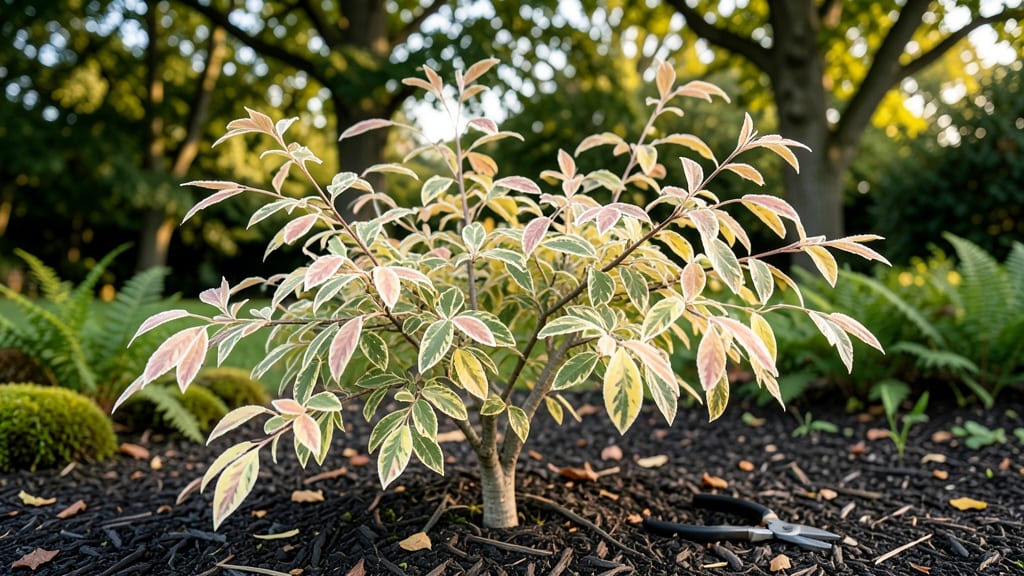
The tri-color dappled willow tree turns your garden into a living watercolor painting with its bold pink, white, and green foliage that dances in the breeze. I planted mine last spring, and every time I walk past, neighbors stop to ask what kind of magic I’ve worked—it’s that eye-catching.
The secret lies in its natural variegation, which keeps the show going from spring through fall, with winter branches adding delicate structure.
This isn’t just a pretty face—it’s a low-maintenance workhorse that thrives in full sun to partial shade and handles urban pollution better than most trees. Perfect for small gardens, it fits snugly in borders or makes a statement as a standalone focal point.
Pair it with hostas or ferns to highlight its vibrant colors, or let it shine alone where its foliage will steal the show.
What you’ll love most is how effortlessly it transforms ordinary spaces. Imagine your front yard in spring: soft pink new growth emerging against fresh green, then shifting to creamy white as summer progresses.
Even in winter, its graceful branches add texture without needing pruning—just a light trim to shape it as needed.
Whether you’re designing a cottage garden, a modern urban plot, or a cozy backyard retreat, this tree delivers year-round interest with almost no fuss. Let’s talk about how to place it for maximum impact—and keep it looking its best for decades to come.
📚 In This Guide
- What you need
- Instructions
- Tips and common mistakes
- Wrapping up and next steps
What you need
- ● Tri-color dappled willow tree (Salix integra 'Tri-Color') – 1 mature plant (3–5 ft tall) or 3–5 young saplings for grouping.
- ● Well-draining soil mix – 50% native soil + 50% compost or peat moss (for optimal moisture retention).
- ● Organic mulch – 2–3 inches of shredded bark or pine needles to conserve moisture and suppress weeds.
- ● Slow-release fertilizer – Balanced 10-10-10 or willow-specific fertilizer (apply in early spring).
- ● Watering can or hose with a gentle spray nozzle – For deep, consistent watering (especially for young trees).
- ● Trowel or spade – For digging planting holes (1.5x wider than the root ball).
- ● Hand pruners or loppers – Sharp, bypass-pruners (for clean cuts on stems up to 1 inch thick).
- ○ Felling saw – Optional, for thicker branches (if pruning mature trees).
- ● Gloves & knee pads – To protect hands and knees during planting.
- ● Measuring tape – For spacing plants 6–10 ft apart (depending on desired height).
- ● Tree stakes & ties – To support young trees in windy areas.
- ● Epsom salt – A magnesium boost for vibrant foliage (mix 1 tbsp per gallon of water, spray leaves monthly).
- ● Pruning sealant – For large cuts to prevent disease (use sparingly).
- ● Decorative rocks or edging – To highlight the tree’s striking colors in landscape designs.
How to plant and care for a tri-color dappled willow tree
This stunning tree thrives with the right placement and care—here's how to make it a standout in your landscape.
🌱 Step 1: Choose the Perfect Planting Site
The tri-color dappled willow loves moisture but needs good drainage—pick a spot where water pools naturally after rain. A location with partial shade to full sun (at least 4-6 hours of sunlight daily) highlights its striking foliage contrast best. Avoid low-lying areas where water might stagnate, as soggy roots lead to root rot.
Check the soil by digging a hole about 12 inches deep—if water doesn’t drain within 30 minutes, amend the soil with 2-3 inches of compost or organic matter to improve drainage. The tree’s weeping branches grow best near water features or in open spaces where they can cascade naturally.
🪴 Step 2: Plant with Proper Spacing and Support
Dig a hole twice as wide as the root ball but no deeper—this encourages roots to spread horizontally rather than settling too low. Gently remove the tree from its container and loosen any circling roots with your fingers. Place it in the hole so the top of the root ball sits 1 inch above ground level—this prevents water from pooling at the base.
Fill the hole with native soil, tamping lightly to remove air pockets. Water deeply to settle the soil, then add a 2-inch layer of mulch (keeping it 6 inches away from the trunk) to retain moisture and suppress weeds. Stake the tree only if needed—its flexible branches often don’t require support unless in windy areas.
☀️ Step 3: Water and Fertilize for Vibrant Growth
Water the tree deeply twice a week for the first month to help roots establish, then taper to once a week unless your area experiences extreme heat or drought. The soil should feel damp 2-3 inches below the surface—never soggy. Overwatering causes yellowing leaves, while underwatering makes foliage dull and crispy.
Apply a balanced, slow-release fertilizer (10-10-10) in early spring and again in mid-summer to promote lush, multicolored foliage. Avoid high-nitrogen fertilizers—they encourage leafy growth at the expense of the tree’s signature dappled pattern. Prune any dead or crossing branches in late winter to maintain its graceful shape.
✂️ Step 4: Prune and Maintain Year-Round Beauty
Trim back any leggy or overgrown branches in late winter or early spring before new growth begins. Focus on shaping the canopy to encourage dense foliage and prevent bare spots. The tri-color dappled willow’s striking leaves—with shades of silver, green, and gold—will naturally fade to a muted green in winter, but its structure remains elegant.
Monitor for pests like aphids or spider mites, which thrive in dry conditions. Spray infested areas with neem oil or insecticidal soap if needed. With proper care, this tree will reward you with year-round interest, from its cascading branches in summer to its winter silhouette against the sky.
Tips & tricks for perfect tri-color dappled willow tree planting
Transforming your landscape with a tri-color dappled willow starts with these essential tricks that make all the difference.
Location is Everything: The 4-6 hours of sunlight mentioned in Step 1 is non-negotiable for those signature silver, green, and gold leaves. If your yard gets only partial sun, plant it where it gets the most light during the day—morning sun works best for gradual color development. I've seen willows planted in full shade lose their vibrant contrast entirely, so don't make my mistake of assuming "partial shade" means any shade.
Soil Test Trick: Before you dig that 12-inch hole, do a quick soil test by filling a jar halfway with soil and adding water. If water drains within 30 minutes (as recommended), you're good to go. If not, mix in your 2-3 inches of compost right in the planting hole—this creates a micro-environment with better drainage exactly where your tree's roots need it most. Think of it as giving your willow a head start with premium soil conditions.
Mulch Magic: That 2-inch layer of mulch in Step 2 isn't just decoration—it's a moisture regulator. Keep it 6 inches away from the trunk to prevent rot, but don't skimp on coverage. In hot summers, I've found that adding an extra inch of mulch around the drip line (where branches naturally extend) helps maintain soil moisture without overwatering. Just remember to refresh it annually as it breaks down.
Watering Wisdom: The twice-weekly watering for the first month might seem like a lot, but those deep waters are crucial for root establishment. I like to use a soaker hose for 20 minutes twice a week to ensure even moisture penetration. After the first month, adjust based on your climate—if your area gets heavy rain, you might only need to water once every two weeks instead of weekly.
Pro Tips for Tri Color Dappled Willow Tree
- Transforming your landscape with a tri-color dappled willow starts with these essential tricks that make all the difference.
- Location is Everything: The 4-6 hours of sunlight mentioned in Step 1 is non-negotiable for those signature silver, green, and gold leaves.
- Soil Test Trick: Before you dig that 12-inch hole, do a quick soil test by filling a jar halfway with soil and adding water.
Frequently asked questions
Got questions about the tri-color dappled willow tree? You’re not alone! Here are some of the most common inquiries—plus quick, practical answers to help you care for this stunning tree like a pro.
How do I prune a tri-color dappled willow to maintain its dappled foliage pattern?
Prune in late winter or early spring (before new growth) to shape the tree and encourage vibrant foliage. Focus on removing dead, crossing, or overcrowded branches—avoid heavy pruning, as this can reduce the striking variegation. Thin out dense areas to improve airflow and light penetration, which enhances those pink, white, and green leaves!
When is the best time to plant a tri-color dappled willow?
Plant in early spring or fall when temperatures are mild. This gives roots time to establish before extreme heat or cold. Avoid planting in summer, as drought stress can hinder growth. Choose a location with full sun to partial shade—though it tolerates shade, its dappled colors pop brightest with plenty of light!
Can I grow a tri-color dappled willow in a container?
While possible, it’s not ideal long-term. These willows grow large (15–25 ft tall) and have aggressive root systems. If you must container-grow, use a 50+ gallon pot with drainage and prune roots annually. For best results, plant in ground soil—they thrive with space to spread!
Why are my tri-color dappled willow’s leaves losing their variegation?
Variegation fades when the tree gets too much shade or nutrient imbalances (like excess nitrogen). Ensure it gets 4+ hours of sun daily and use a balanced fertilizer (10-10-10). If leaves revert to solid green, it’s often a sign of stress—check for pests or overwatering too!
What are some low-maintenance alternatives to the tri-color dappled willow?
If you want striking foliage with less upkeep, try:
- Japanese maple (Acer palmatum): Dwarf varieties like ‘Bloodgood’ offer vibrant colors with minimal pruning.
- Smoke tree (Cotinus coggygria): Drought-tolerant and produces smoky pink plumes—great for contrast.
- Variegated hornbeam (Carpinus betulus ‘Fastigiata Aurea’): Upright growth with golden-yellow leaves.
All three are hardier than willows and require less aggressive pruning!
Wrapping up and next steps
The Tri-Color Dappled Willow Tree is a stunning addition to any landscape, offering vibrant foliage and year-round visual appeal with minimal effort. Its unique tri-colored leaves and adaptable nature make it perfect for both urban and rural settings—just remember to prune it regularly to maintain its shape and health. 🌿
Ready to transform your outdoor space? Start by gathering your tools and following the steps outlined above. With a little care, your Tri-Color Dappled Willow will thrive, becoming the star of your garden! Happy pruning! ✂️