Trees
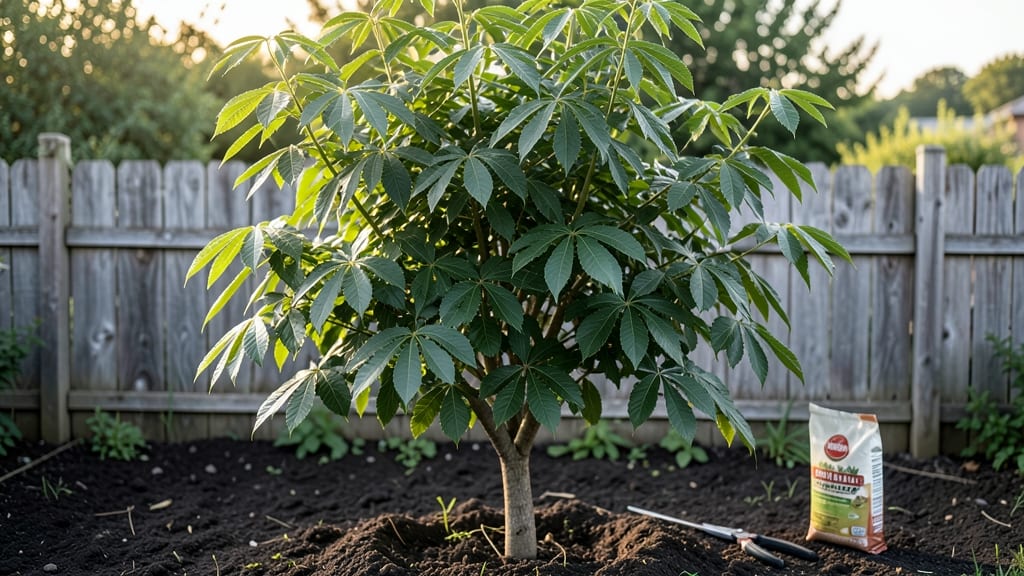
Those compound leaves with their distinctive, foul-smelling sap aren’t just ugly—they’re invasive and toxic. 🌿 The Tree of Heaven (Ailanthus altissima) spreads aggressively, and its leaves signal trouble for your yard.
I’ve wrestled with these stubborn trees for years, and I’ll show you how to spot the warning signs before they take over.
Yellowing, curling, or spotted leaves usually mean pests like spider mites or powdery mildew are moving in. The real danger? These trees release chemicals that choke out native plants.
With the right tools and timing, you can weaken the roots and remove them safely—without poison ivy-level regrets. Let’s tackle this step by step.
📚 In This Guide
- What you need
- Instructions
- Tips and common mistakes
- Wrapping up and next steps
What you need
- ● Gloves (heavy-duty, chemical-resistant): 1 pair (e.g., nitrile or rubber gloves) – Tree of Heaven sap can irritate skin!
- ● Safety goggles: 1 pair (for eye protection during removal)
- ● Long-sleeved clothing: 1 set (preferably thick fabric to block sap and leaf contact)
- ● Pruners or loppers: 1 pair (bypass pruners for clean cuts; 16-20" loppers for thicker branches)
- ● Heavy-duty trash bags: 2–3 (20–30-gallon capacity for debris)
- ● Shovel or mattock: 1 (for digging roots if stump removal is needed)
- ● Rake: 1 (leaf rake for clearing fallen leaves)
- ● Disposable spray bottle: 1 (filled with vinegar or soapy water to neutralize sap on tools)
- ● Trash bin or dumpster access: Ensure proper disposal (check local regulations—Tree of Heaven is invasive!)
- ● Respirator mask: 1 (N95 or better for dusty conditions)
- ● Hand sanitizer or wipes: 1 bottle (for post-cleanup hygiene)
- ● Spray bottle with herbicide (glyphosate-based): 1 (if treating stumps; follow label instructions)
- ● Camera or phone: 1 (to document the tree for before/after records)
- ● Ear protection: 1 pair (if using loud tools like a chainsaw)
How to identify and safely remove Tree of Heaven leaves
This invasive species spreads fast—here's how to spot it and stop it before it takes over.
🌿 Step 1: Confirm Identification by Leaf Shape and Scent
Tree of Heaven leaves are compound, with 7-13 leaflets arranged in pairs along a central stem. Each leaflet is 2-4 inches long, oval-shaped, and has a smooth, slightly serrated edge. The real giveaway? Crush a leaf—it releases a strong, unpleasant odor, often described as rotten fish or peanut butter.
Compare it to similar trees: sumac has 7-13 leaflets too, but its leaves are more jagged and lack the foul scent. Tree of Heaven also grows in clusters of 3-5 stems from the base, while native trees usually have a single trunk. If you see these compound leaves with that scent, you've found your target.
🌱 Step 2: Time Removal for Maximum Effect
Spring is the best time to tackle Tree of Heaven—March through May—when the tree is actively growing but hasn't yet developed hard wood. This is when roots are most vulnerable to cutting. Mark the location with stakes to track regrowth over 4-6 weeks before making your final removal attempt.
For larger trees, focus on late fall or winter when the tree is dormant. The lack of leaves makes it easier to see the full structure and plan your cuts. Avoid removing in summer heat, which stresses the tree but also stresses you—this plant fights back hard.
✂️ Step 3: Cut Stumps Low and Apply Herbicide
Use a pruning saw or chainsaw to cut the main stems 2-4 inches below ground level. The goal is to sever the root system while leaving enough stump to apply herbicide. Wear gloves, long sleeves, and eye protection—Tree of Heaven sap can irritate skin and eyes.
Immediately after cutting, apply glyphosate-based herbicide directly to the fresh stump cuts. Follow label instructions precisely—overapplication can harm nearby plants. For smaller trees, you can also paint the herbicide on the outer bark of the main stems. Check stumps 2-3 weeks later for new shoots and treat again if needed.
💧 Step 4: Monitor and Retreat as Needed
Tree of Heaven sends up suckers from its roots—watch for new growth 3-6 weeks after your initial cut. These shoots will be thin, green, and fast-growing. Pull any sprouts you see within the first month, and treat larger regrowth with a spot application of herbicide to prevent a full resurgence.
This plant is persistent, so be patient. It may take 2-3 years of consistent monitoring and treatment to fully eradicate a mature tree. Keep a marked perimeter around the removal site to catch any overlooked shoots before they establish.
Tips & tricks for identifying and removing Tree of Heaven leaves
These simple strategies will help you tackle this invasive plant with confidence and precision.
Leaf Identification Tip: When comparing Tree of Heaven to sumac, focus on three key differences: the smooth, slightly serrated edges of Tree of Heaven leaflets (vs. jagged sumac edges), the foul rotten fish/peanut butter scent when crushed, and the clustered growth pattern of 3-5 stems at the base. I've seen people confuse it with poison ivy too—remember, poison ivy has three leaflets, not 7-13! The scent test is your best friend here.
Seasonal Strategy: The instructions mention spring (March-May) as ideal for removal, but I've found late winter (February) works almost as well—just before active growth begins. This gives you a head start on the season. For larger trees, I actually prefer early spring over late fall because the dormant period in winter can sometimes delay regrowth monitoring. Mark your calendar now for next year's removal window!
Cutting Technique: Those 2-4 inches below ground level for cutting might seem tricky—here's how I do it: use a straightedge or level to measure down from the soil line. For stubborn roots, I'll make two cuts: first a shallow one to expose the root, then the final cut at the proper depth. This ensures you sever the root system completely while still leaving enough stump for herbicide application. Safety first: always wear gloves when handling Tree of Heaven sap—it can cause skin irritation.
Herbicide Application: When applying glyphosate to fresh stump cuts, I've found that using a small paintbrush gives you better control than a spray bottle. For smaller trees, focus the herbicide application on the outer bark of the main stems—this prevents waste while ensuring full coverage. Remember to check those stumps again after 2-3 weeks for any new shoots that might have missed the initial treatment.
Pro Tips for Tree Of Heaven Leaves
- These simple strategies will help you tackle this invasive plant with confidence and precision.
- Leaf Identification Tip: When comparing Tree of Heaven to sumac, focus on three key differences: the smooth, slightly...
- Seasonal Strategy: The instructions mention spring (March-May) as ideal for removal, but I've found late winter (Febr...
Frequently asked questions
Got questions about Tree of Heaven leaves? You’re not alone!
Here are answers to the most common concerns—from identification to safe removal and beyond.
How can I tell if leaves are from a Tree of Heaven?
Tree of Heaven (Ailanthus altissima) leaves are compound with 7–13 leaflets, arranged alternately along the stem. The leaflets are toothed and emit a distinctive foul odor when crushed (like rotting peaches). Compare them to other invasive species like Mulberry or Sumac—Tree of Heaven’s leaves are larger and more aromatic.
Are Tree of Heaven leaves poisonous to humans or pets?
Yes! While not highly toxic, these leaves contain ailanthone and other compounds that can cause skin irritation, nausea, or vomiting if ingested in large amounts. Pets (especially dogs) may be tempted to chew them—remove them immediately if you suspect exposure. Contact a vet if symptoms like drooling or lethargy appear.
When is the best time to remove Tree of Heaven leaves or saplings?
Target removal in early spring (before new growth) or late fall (after leaf drop). Young saplings are easiest to pull by hand or with a dandelion digger. For mature trees, cut stumps in summer to prevent regrowth. Pro tip: Wear gloves and long sleeves—sap can irritate skin!
What’s the most effective way to kill a Tree of Heaven root system?
Cutting alone won’t stop it—Tree of Heaven sprouts aggressively from roots! Use a glyphosate-based herbicide (like Roundup) on fresh cuts, or try vinegar + dish soap for organic control. For stubborn roots, repeat treatments over 2–3 years. Check local regulations before using chemicals.
Are there non-toxic alternatives to Tree of Heaven for landscaping?
Swap it for native, low-maintenance trees like:
- Black Walnut (fast-growing, pest-resistant)
- Eastern Redbud (spring blooms, compact size)
- Hackberry (tolerates poor soil, wildlife-friendly)
- Serviceberry (edible berries, beautiful fall color)
Wrapping up and next steps
Identifying and managing Tree of Heaven leaves is key to protecting your property and health—especially since these invasive plants can spread quickly and release toxins. Now that you’re equipped with the right tools and knowledge, you’re ready to take action!
Start by inspecting your yard for early signs of infestation, and don’t hesitate to reach out to local experts or extension services for guidance. Every small step—whether it’s manual removal or professional help—makes a big difference in keeping your outdoor space safe and thriving. You’ve got this! 🌱✨