Planting
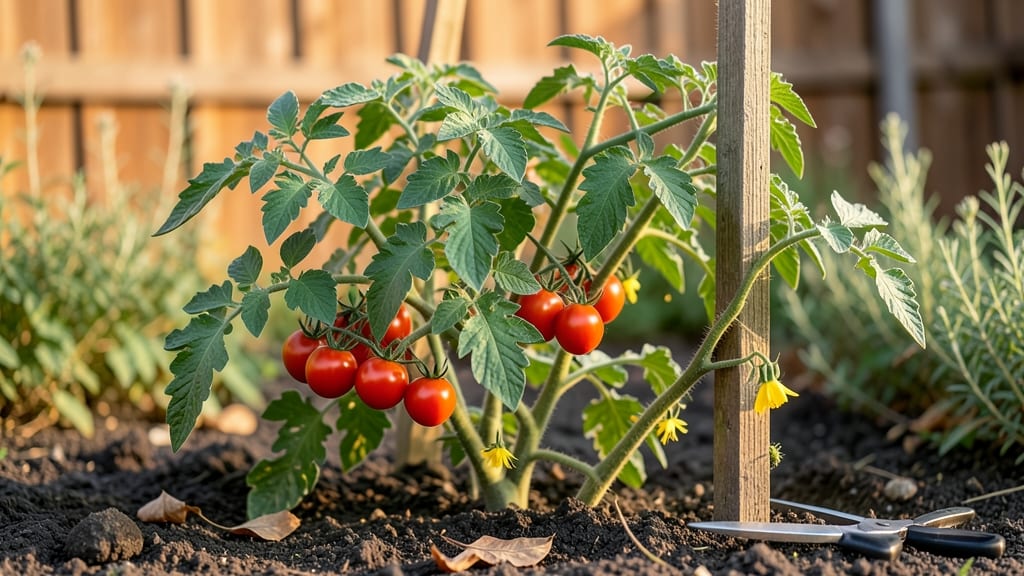
Creating a tomato plant tree that keeps producing through summer and into fall saves space while maximizing harvests—something I learned after watching my sprawling vines take over my patio.
The trick is choosing the right varieties and giving them the vertical support they crave, whether you're working with containers or garden beds. My first attempt with a single indeterminate plant transformed a 5-foot corner into a lush, fruit-bearing tower that outproduced my traditional rows.
You'll need dwarf or determinate varieties like 'Tiny Tim' or 'Patio Princess' for compact growth, or indeterminate types like 'Sungold' or 'Cherokee Purple' that climb indefinitely with proper training. A sturdy cage, trellis, or obelisk becomes the plant's backbone, while well-draining soil rich in organic matter ensures roots stay happy.
Sunlight is non-negotiable—6+ hours daily—and a drip irrigation system keeps moisture consistent without drowning the roots.
By summer's peak, your plant tree will be heavy with vibrant red, yellow, or purple fruit, each vine laden with tomatoes that ripen in waves. The best part? You'll harvest longer into fall than with traditional plants, and the vertical display becomes a conversation piece.
Prune regularly to focus energy on fruit production, and watch as your neighbors ask how you fit so much into so little space.
Works equally well in containers on balconies or in-ground gardens—just adjust support structures to match your space. The only rule? Start early, because these plants grow fast, and patience pays off with a harvest that keeps giving right up until frost.
Ready to turn vines into a living work of art?
📚 In This Guide
- What you need
- Instructions
- Tips and common mistakes
- Wrapping up and next steps
What you need
- ● Tomato plants: 3–5 determinate varieties (e.g., 'Roma,' 'Cherry,' or 'Celebrity') for a compact, tree-like structure.
- ● Large container or grow bag: 5+ gallons per plant (or a 10–15 gallon container for a multi-stem "tree").
- ● Potting mix: High-quality, well-draining blend (e.g., 50% coco coir, 30% perlite, 20% compost).
- ● Support system: Cage or trellis: 5–6 ft tall (e.g., wooden A-frame or metal tomato cage).
- ● Twine or soft ties: 10–15 ft (for securing stems).
- ● Fertilizer: Balanced organic (e.g., 10-10-10) or tomato-specific formula.
- ● Watering can or hose: With a gentle spray nozzle.
- ● Pruning shears: Sharp, sterilized (for shaping and maintenance).
- ○ Grafting tape (optional): For multi-stem fusion (e.g., 3–5 plants grafted together).
- ○ Drip irrigation kit (optional): For consistent moisture.
- ○ Mulch (optional): Straw or shredded leaves to retain moisture.
- ○ Growth regulator (optional): Like seaweed extract to boost branching.
- ○ Sunlight meter (optional): To track 6–8+ hours of daily sun.
Instructions for building a thriving tomato plant tree
Here's how to transform your vertical space into a lush, productive tomato garden that keeps giving all year.
Select and Prepare the Central Support Structure
Choose a sturdy 5-foot wooden post or metal trellis frame as your vertical anchor. I prefer cedar posts because they resist rot and provide natural insect protection. Secure it firmly in the ground using two 18-inch galvanized stakes and heavy-duty zip ties—this prevents wobbling when vines get heavy. The post should extend at least 6 feet tall to support indeterminate varieties that can grow much taller.
For extra stability, add horizontal crossbars every 18 inches along the post. These create natural branching points where tomato vines will grow outward. Use 1-inch diameter PVC pipes for crossbars—they're lightweight but strong enough to hold 10-pound fruit clusters. Drill ¼-inch holes at each junction to thread 12-gauge galvanized wire through for secure attachment.
Train the Tomato Vine to Branch Vertically
Start with a healthy 6-week-old tomato transplant that shows 4-5 true leaves. Plant it 6 inches from the main post in well-draining soil, then gently tie the main stem to the post using soft plant ties at the first leaf node. This prevents stem damage as the vine grows upward. The key is to never tie directly against bare stems—always wrap around the leaf node to avoid girdling.
When the vine reaches the first crossbar (18 inches up), prune the growing tip just above a leaf node with two leaves. This forces the plant to send out a secondary branch that will grow horizontally along the crossbar. Repeat this pruning every 12-18 inches up the post. You'll create 4-5 main branches that form your "tree" structure. Each horizontal branch should have 2-3 fruit clusters for optimal yield.
Manage Growth and Fruit Production
Water deeply 2-3 times per week, aiming for 1 gallon per plant at the base. The soil should remain moist but not soggy—stick your finger 1 inch deep to check. Drip irrigation works best here because it delivers water directly to the roots without wetting the leaves, which prevents fungal diseases like early blight. I install a soaker hose wrapped around the base of the post for even distribution.
Fertilize every 4 weeks with 5-10-10 balanced fertilizer mixed at ½ teaspoon per gallon of water. Focus on potassium-rich supplements when flowers appear to encourage fruit set. Prune suckers (the small shoots that grow in the leaf axils) regularly—they drain energy from fruit production. Remove any leaves that touch the ground to prevent soil-borne diseases from climbing up the vine.
Harvest and Maintain Year-Round Production
Harvest tomatoes when they reach full color and slight softness—this ensures peak flavor. For indeterminate varieties, you'll get continuous production from early summer through first frost. In colder climates, bring the entire structure indoors to a sunny garage or greenhouse and supplement with grow lights for winter harvests. The vertical design makes this transition easy because the post can be tilted slightly to accommodate lower light angles.
After the first frost, prune the plant back to 12 inches and store the post indoors. In spring, you'll have a head start on new growth. The same structure can produce for 5-7 years with proper care. Here's the thing—this method isn't just space-saving; it actually increases air circulation around the plant, reducing disease pressure while maximizing sunlight exposure for each fruit cluster.
Tips & tricks for perfect tomato plant tree growth
Transforming your garden into a vertical tomato haven takes thoughtful planning—here's how to maximize your setup for bountiful harvests.
Support Structure Stability: When securing your 5-foot post with 18-inch galvanized stakes, angle them outward at 45 degrees rather than straight down. This creates a wider base that resists toppling when vines reach their full weight. For urban gardens, consider burying the post in a concrete footing for added stability—especially if you're growing heavy varieties like beefsteak tomatoes. The crossbars should be positioned so their bottom edges align exactly with each leaf node where you'll prune, creating natural growth points.
Pruning Precision: The key to that perfect 4-5 branch structure lies in timing your prunes. When the main vine reaches the first 18-inch crossbar, look for the first leaf node with two leaves—this is your pruning point. Make your cut just above this node at a 45-degree angle to prevent water from pooling. I've found that using sharp pruning shears (disinfected with rubbing alcohol) creates cleaner cuts that heal faster, reducing disease risk. Each horizontal branch should have exactly 2-3 fruit clusters, so count these as you prune to maintain balance.
Watering Wisdom: That 1 gallon per plant, 2-3 times weekly guideline works best when delivered consistently. I've discovered the most efficient method is using a timer-controlled soaker hose that runs for 20 minutes each morning and evening. This maintains steady moisture without wetting leaves, which is crucial for preventing fungal diseases. In hot climates, you may need to increase to daily watering, but always check that soil remains moist just 1 inch below the surface—this is your best indicator of proper hydration.
Winter Transition Strategy: Moving your tomato tree indoors after the first frost requires careful planning. Start by pruning back to 12 inches in early fall before temperatures drop below 50°F. Place the structure near a south-facing window where it can receive at least 6 hours of direct sunlight daily. Supplement with LED grow lights (12-14 hours per day) positioned 6-12 inches above the plant. The vertical design makes this transition seamless because you can simply tilt the post to optimize light exposure in your indoor space.
Pro Tips for Tomato Plant Tree
- Transforming your garden into a vertical tomato haven takes thoughtful planning—here's how to maximize your setup for bountiful harvests.
- Support Structure Stability: When securing your 5-foot post with 18-inch galvanized stakes, angle them outward at 45 degrees rather than straight down.
- Pruning Precision: The key to that perfect 4-5 branch structure lies in timing your prunes.
Frequently asked questions
Got questions about growing a tomato plant tree? You’re not alone! Here are answers to the most common queries to help you master this space-saving technique.
How long does it take for a tomato plant tree to produce fruit?
With proper care, you can expect your tomato plant tree to start flowering in 6–8 weeks after transplanting (or 8–10 weeks from seed). Fruit typically ripens in 10–14 weeks from flowering, depending on the variety. Early harvests like ‘Tiny Tim’ or ‘Patio’ tomatoes may reward you sooner!
Can I grow a tomato plant tree indoors year-round?
Yes! With a grow light (14–16 hours/day), warm temperatures (70–80°F), and a sturdy support system, you can grow tomatoes indoors. Just ensure good airflow to prevent disease, and rotate the plant weekly for even light exposure. Dwarf or cherry varieties work best for indoor setups.
What if my tomato plant tree isn’t fruiting? Troubleshooting tips?
Common issues include:
- Not enough sunlight → Move to a sunnier spot or supplement with grow lights.
- Overwatering → Let soil dry slightly between waterings; soggy roots = no fruit!
- Lack of pollination → Gently shake the plant or use a small brush to transfer pollen.
- Nutrient deficiency → Fertilize with low-nitrogen, high-phosphorus food (like 5-10-10) when flowers appear.
Are there alternatives to pruning for a tomato plant tree?
Pruning is key for shaping, but if you dislike it, try training with stakes or cages instead. Use soft ties to guide stems upward, letting suckers grow naturally. For determinate varieties (bush types), minimal pruning is needed—they naturally form compact shapes!
How do I extend the harvest season for my tomato plant tree?
Use row covers in early spring/fall to protect from frost, and prune late in the season to focus energy on ripening existing fruit. For indoor growers, harvest green tomatoes and ripen them indoors with a paper bag + banana (ethylene gas trick!).
Wrapping up and next steps
Transforming your tomatoes into a lush, space-saving plant tree isn’t just creative—it’s a game-changer for urban gardeners and small-space growers! 🌱 With the right setup, you’ll enjoy year-round harvests, boost yields, and add a stunning vertical focal point to your garden.
Whether you’re a beginner or a seasoned green thumb, this method proves that big flavors don’t need big plots.
Ready to take the next step? Start small—try a single trellis or repurpose a spare corner of your balcony. Experiment with varieties, track your progress, and soon, you’ll be sharing your bountiful (and Instagram-worthy!) tomato tree with neighbors. Happy growing! 🍅✨