
Trees
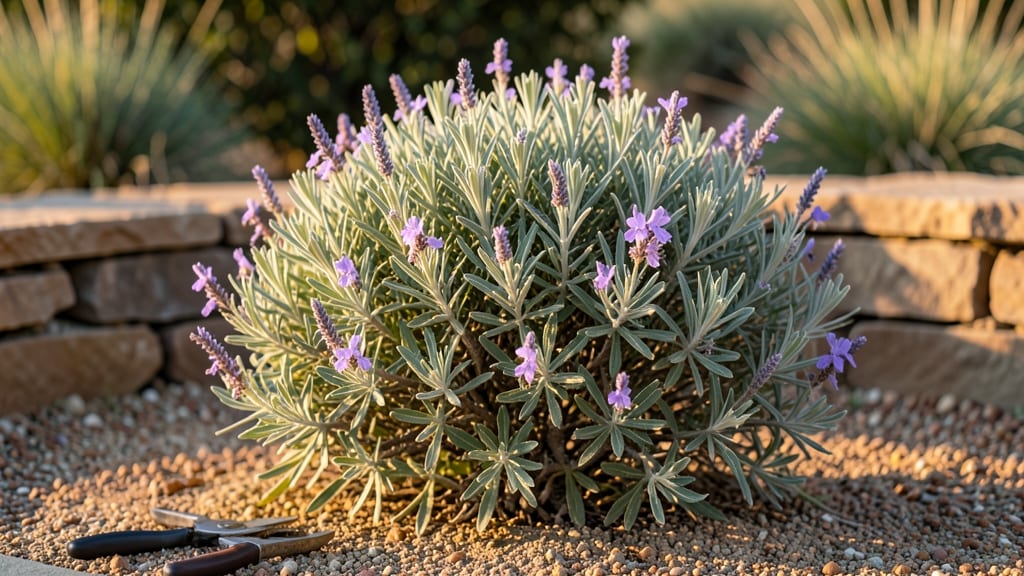
Texas sage trees (Leucophyllum frutesii) turn my drought-stricken yard into a lush, purple-hued oasis—without a drop of extra water after they establish. 🌿 These evergreens thrive where most plants wilt, their silvery foliage and dramatic blooms making them the backbone of my low-maintenance landscape.
The secret lies in their native Texas roots: they evolved to handle heat, dry spells, and rocky soil better than most ornamentals.
You’ll need full sun (at least 6 hours daily), well-draining soil (even rocky or sandy works), and patience—these trees reward slow growth with decades of carefree beauty. Water deeply but infrequently once established; overwatering is their only real enemy.
Prune lightly after blooming to shape them, but never cut into old wood unless you want to sacrifice next year’s flowers.
What you end up with is a tree that stays vibrant through Texas summers and winter freezes, its branches heavy with lavender-blue blooms after rain—even in drought.
The fragrance alone makes my patio feel like a hidden garden escape. They’re the kind of plant that makes neighbors ask, “What’s your secret?”
Perfect for urban landscapes, rural homesteads, or anywhere between—just give them space to grow (they can reach 6-10 feet tall and wide). Once planted, they’ll outlast fads, floods, and forgetful gardeners alike. Ready to make yours the talk of the neighborhood?
📚 In This Guide
- What you need
- Instructions
- Tips and common mistakes
- Wrapping up and next steps
What you need
- ● Texas Sage Plants: 1–3 mature plants (3–6 ft tall) for established landscapes
- ● OR 10–20 seeds (if starting from scratch—germination can be slow!)
- ● Soil: Well-draining cactus/succulent mix (or amend native soil with gravel/sand for aeration)
- ○ Optional: Compost (1 part to 3 parts soil) for young plants
- ● Container (if potted): 5–10 gallon pot with drainage holes (terracotta or fabric pots preferred)
- ● Hand trowel (for transplanting or seed planting)
- ● Garden gloves (to protect from prickly stems)
- ● Pruners (sterilized, for shaping mature plants)
- ● Watering can or hose with soaker nozzle
- ○ Mulch (optional):** Gravel or bark (2–3 inches) to retain moisture
- ● Sunlight: Full sun (6+ hours/day)—Texas Sage thrives in heat!
- ● Water: Drought-tolerant once established (water deeply 2x/week for new plants)
- ● Hardiness Zone: USDA Zones 7–11 (check your local climate!)
- ● Spacing: 3–5 feet apart for mature plants (or 12–18 inches for seedlings)
How to plant and maintain Texas Sage trees for lasting drought resistance
This hardy evergreen thrives in Texas heat with minimal fuss—here’s how to plant it right.
🌱 Step 1: Choose the Perfect Location for Sun and Drainage
Texas sage (Leucophyllum frutescens) demands full sun—at least 6 hours of direct sunlight daily—to trigger its spectacular blooms. I always pick the southwest corner of my yard where the afternoon sun bathes it without scorching nearby plants. The soil must drain quickly; this drought-proof beauty hates soggy roots.
Dig a hole twice as wide as the root ball but only as deep as the container it came in. Loosen the sides of the hole with a shovel to encourage root spread. If your soil is heavy clay (common in Texas), mix in 2-3 inches of coarse sand or gravel at the bottom to improve drainage. This prevents root rot, which can kill even the toughest Texas native.
🪴 Step 2: Plant with Care to Avoid Root Stress
Remove the Texas sage from its container and gently tease apart any circled roots at the bottom—these will strangle growth if left intact. Place the plant in the hole so the top of the root ball sits level with the surrounding soil. Press the backfill soil firmly around the roots to eliminate air pockets, but don’t compact it like you would for a lawn.
Water deeply right after planting—about 1 gallon per inch of trunk diameter—to settle the soil and encourage root expansion. Mulch with 2-3 inches of shredded bark or gravel (not organic mulch, which retains too much moisture) in a 3-inch-wide ring around the base. Keep mulch 6 inches away from the trunk to prevent rot. This mimics its natural habitat and keeps roots cool in summer.
☀️ Step 3: Water Strategically for Drought Tolerance
Texas sage is famously drought-resistant, but established roots need consistent moisture for the first year. Water once a week during the first growing season, delivering 1-2 gallons per watering until the soil is 6 inches deep and moist. After that, reduce to every 2-3 weeks unless your area experiences extreme heat (above 100°F), in which case deep watering monthly keeps it thriving.
Here’s the trick: water deeply but infrequently. Shallow, frequent watering encourages weak roots. Instead, let the soil dry out completely between waterings—this trains the plant to seek moisture deep underground, just like in its native rocky slopes. You’ll know it’s getting enough when new growth appears in spring and after rains, signaling healthy root development.
✂️ Step 4: Prune for Shape and Bloom Stimulation
Prune late winter or early spring (February-March in Texas) to shape the tree and encourage dense, flowering growth. Cut back one-third of the oldest, leggiest branches to the nearest bud or joint. This rejuvenates the plant and prevents a woody, unkempt look. Avoid heavy pruning in summer—new growth won’t harden off before fall frosts, leaving it vulnerable.
After flowering (typically fall), trim spent blooms back to just above a set of leaves to redirect energy into next year’s flowers. Never shear the plant like a hedge—Texas sage blooms on new wood, so precise cuts encourage more vibrant fall color. If a branch dies back, prune it out completely to maintain airflow and prevent disease.
Tips & tricks for perfect Texas Sage trees
Between us, these evergreens are low-maintenance superstars—but a few key moves will turn "good" into "showstopping." Here's what I've learned after watching mine thrive through Texas summers.
Sunlight Secret: The 6 hours of direct sunlight daily isn't just a suggestion—it's non-negotiable for those signature purple blooms. I've seen plants in partial shade grow leggy and sparse. If your yard only gets morning sun, consider a raised bed or container where you can rotate it seasonally to catch afternoon rays. The southwest corner works best because it avoids the harshest midday glare that can scorch leaves.
Drainage is Everything: That 2-3 inches of coarse sand or gravel at the bottom of the hole isn't optional—it's insurance against root rot, which can kill even the toughest Texas native. I've seen neighbors skip this step in heavy clay soil and watch their plants struggle. Pro tip: If you're unsure about your soil, do the "squeeze test"—grab a handful when wet. If it holds its shape like clay, you need that drainage layer. For containers, use a mix with at least 30% perlite or pumice to mimic rocky slopes.
Watering Wisdom: The 1-2 gallons per watering during the first year might seem like a lot, but it's crucial for establishing deep roots. I've learned the hard way that shallow watering creates weak, surface roots that can't handle drought. Here's my trick: Use a soil probe to check moisture—if it's dry at 6 inches deep, it's time to water. After the first year, the every 2-3 weeks schedule works because Texas sage stores water like a camel. Just remember: when temps hit above 100°F, you might need that monthly deep watering to prevent stress.
Pruning Precision: That one-third of oldest branches in late winter isn't arbitrary—it's about balance. I cut back the thickest, woodiest stems first to encourage new growth from the base. For shaping, I use hand pruners to make clean cuts just above a leaf node (the bump where leaves attach). This creates a natural, layered look while stimulating more blooms. And never, ever shear—Texas sage blooms on new wood, so precise cuts make all the difference for those vibrant fall flowers.
Pro Tips for Texas Sage Trees
- Between us, these evergreens are low-maintenance superstars—but a few key moves will turn "good" into "showstopping."
- Sunlight Secret: The 6 hours of direct sunlight daily isn't just a suggestion—it's non-negotiable for those signature purple blooms.
- Drainage is Everything: That 2-3 inches of coarse sand or gravel at the bottom of the hole isn't optional—it's insurance against root rot, which can kill even the toughest Texas native.
Frequently asked questions
Got questions about Texas Sage trees?
You’re not alone! Whether you’re a new gardener or a seasoned landscaper, these answers will help you care for your drought-resistant evergreen with confidence.
What’s the best climate for Texas Sage trees?
Texas Sage (Leucophyllum frutescens) thrives in USDA Hardiness Zones 7-11, making it perfect for Texas and the Southwest. It loves full sun (6+ hours daily) and tolerates heat and drought once established. Avoid heavy shade—it needs light to bloom!
How long does it take for Texas Sage to bloom?
Patience pays off! Most Texas Sage trees take 1–3 years to bloom after planting, depending on conditions. Stress (like drought or transplant shock) can trigger purple or pink flowers—a phenomenon called “sage effect.” Water deeply but infrequently to encourage blooms.
Do Texas Sage trees need much water?
Once established (1 year old), Texas Sage is drought-tolerant and needs very little water—just 1 inch per week during dry spells. Overwatering causes root rot, so let soil dry between waterings. Mulch helps retain moisture without smothering roots.
Can I grow Texas Sage in containers?
Texas Sage adapts well to containers (15+ gallons) with fast-draining soil and a cactus/succulent mix. Use a pot with drainage holes to prevent root rot. Prune lightly to control size, and move containers indoors if temps drop below 20°F.
What pests or diseases should I watch for?
Texas Sage is pest-resistant, but keep an eye out for aphids, scale, or spider mites (wipe with soapy water). Fungal issues like powdery mildew can occur in humid conditions—improve airflow and avoid overhead watering. Yellowing leaves often signal overwatering or poor drainage.
Wrapping up and next steps
Texas Sage trees are the ultimate low-maintenance, drought-resistant superstars for your landscape—offering vibrant color, resilience, and year-round charm with minimal effort. Whether you're a seasoned gardener or just starting, their adaptability makes them a smart choice for any outdoor space.
Ready to transform your yard? Plant one today and enjoy the beauty (and bragging rights!) of a thriving Texas Sage!
🌱 Next step: Pick your spot, grab a shovel, and get growing—your future evergreen oasis awaits!