
Pruning
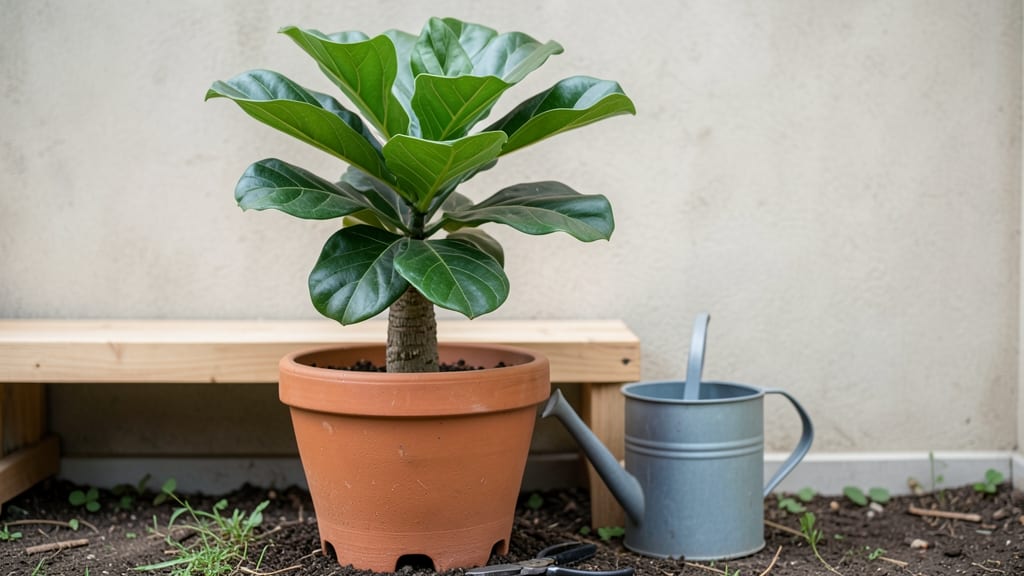
Repotting a ficus tree isn’t as scary as it seems—it’s the secret to keeping yours thriving for years. 🌿 I learned the hard way that waiting too long leads to root-bound stress, but doing it right triggers fresh growth within weeks.
The key is timing: spring or early summer, when your ficus is waking up from dormancy and ready to stretch into new space.
You’ll need a container just 2-3 inches wider than the current pot, fresh well-draining potting mix, and a few basic tools. Ficus trees hate soggy roots, so skip garden soil—opt for a mix labeled for indoor trees or create your own with perlite and peat.
The right setup makes all the difference between a plant that bounces back and one that sulks for months.
After repotting, your ficus will reward you with glossy new leaves and steady growth. The first few weeks are critical: keep it in bright, indirect light and water only when the top inch of soil feels dry.
Yellowing leaves? Don’t panic—it’s normal stress, not failure. With the right care, your tree will outgrow its old pot in no time.
This method works for all ficus varieties, from the classic Banyan to the compact Ginseng. Whether you’re refreshing a mature tree or giving a young one a growth boost, the principles stay the same. Let’s get that ficus settled into its new home the right way.
📚 In This Guide
- What you need
- Instructions
- Tips and common mistakes
- Wrapping up and next steps
What you need
- ● New pot: Choose one 2-4 inches wider and deeper than the current pot (e.g., if your tree is in a 10-inch pot, opt for a 12-14 inch one). Ensure it has drainage holes.
- ● High-quality potting mix: Use a well-draining blend like a cactus/succulent mix or a ficus-specific soil (avoid garden soil—it compacts!). Aim for 2-3 gallons depending on pot size.
- ● Gloves: A pair of gardening gloves to protect your hands from soil and sharp roots.
- ● Trowel or small shovel: A hand trowel (6-8 inches wide) for scooping soil and loosening roots.
- ● Watering can or hose with a gentle spray nozzle: For hydrating the tree post-repotting.
- ○ Pruning shears (sterilized): A sharp, clean pair to trim any dead or overly long roots (optional but helpful).
- ○ Mulch (optional but recommended): A 1-inch layer of orchid bark or coconut coir on top of the soil to retain moisture.
- ● Root stimulator: A liquid or powder rooting hormone to encourage faster regrowth (follow label instructions).
- ● Pot saucer or tray: To catch excess water and protect surfaces.
- ● Fertilizer (light dose): A balanced, water-soluble fertilizer (e.g., 10-10-10) to give your ficus a post-repotting boost (wait 4-6 weeks before applying).
- ● Support stake or bamboo stake: If your ficus is top-heavy or leggy, a soft tie can help stabilize it during recovery.
Step-by-Step instructions for repotting ficus trees
Here’s how I’ve successfully refreshed ficus roots without shocking the plant.
🪴 Step 1: Choose the Right Pot and Prepare Your Materials
Pick a container 1-2 inches wider than the current pot—ficus roots need room but not too much extra space. I like terracotta because it breathes, but plastic works too if it has drainage holes. Gather your 2-3 inches of fresh potting mix (never garden soil) and a trowel or small shovel for cleanup.
Test the pot’s drainage by filling it with water—if it drains in under 10 minutes, it’s good. If not, drill holes or use a saucer to catch excess water. Place a 1-inch layer of gravel or broken pottery at the bottom to prevent root rot from sitting water.
🌱 Step 2: Water the Ficus and Loosen the Root Ball
Water the tree 24 hours before repotting—this keeps the roots moist and easier to handle. The soil should feel damp but not soggy. Gently squeeze the pot’s sides to loosen the root ball, then tip it upside down and tap the base firmly. If the tree resists, slide a knife around the edges to break the seal.
Inspect the roots—if they’re circled tightly (root-bound), use your fingers to tease them apart gently. Never force it, or you’ll damage the delicate roots. Healthy roots should be white or tan, not brown or mushy. Trim any blackened or squishy roots with sterilized scissors—this prevents disease.
💧 Step 3: Transfer the Ficus to Its New Home
Place a handful of potting mix in the bottom of the new pot, then position the ficus so the top of the root ball sits ½ inch below the rim. Fill in around the sides with mix, pressing lightly to remove air pockets. Stop when the soil is level with the old pot’s line—burying the stem too deep causes rot.
Water thoroughly until it drains from the bottom. Let it sit for 5-10 minutes, then empty the saucer—ficus trees hate wet feet. Place the repotted tree in bright, indirect light for the first week. Avoid direct sun, which stresses a recently disturbed plant.
☀️ Step 4: Care for Recovery and Encourage New Growth
Keep the soil evenly moist (not soggy) for the first 2-3 weeks—this helps roots establish. You’ll know it’s working when you see new leaves in 4-6 weeks. If leaves yellow, you’re overwatering; if they drop, it’s underwatering or too much sun.
Fertilize lightly 4-6 weeks after repotting with a balanced liquid fertilizer (half-strength). This gives the roots time to adjust before pushing new growth. Avoid heavy feeding right away—stressed roots can’t absorb nutrients efficiently.
Tips & tricks for repotting ficus trees
Confession: I skipped the prep work for years and wondered why my ficus always looked stressed after repotting. Here’s what I learned the hard way about keeping your tree thriving.
Root Health Check: In Step 2, when you’re inspecting the roots, pay special attention to the color—healthy roots should be white or tan, but never brown or mushy. If you spot any blackened roots, trim them immediately with sterilized scissors (I use rubbing alcohol on the blades between cuts). This prevents disease from spreading to the healthy roots during the repotting process.
Pot Size Matters: The 1-2 inch wider rule in Step 1 isn’t arbitrary—it gives roots enough room to grow without overwhelming the plant. If you choose a pot that’s too large, the excess soil stays wet too long, leading to root rot. I’ve learned to measure the current pot’s diameter and add just 2 inches for most ficus varieties, but always check the root ball first.
Drainage is Non-Negotiable: That 10-minute water test in Step 1 is critical. If your pot doesn’t drain properly, even with a saucer, drill holes yourself—ficus trees despise soggy roots. I keep a small drill bit handy for emergency drainage fixes. Pro tip: Place the pot on a bed of pebbles in the saucer to create extra air space below the pot.
Light Aftercare: The bright, indirect light recommendation in Step 3 is essential during the first week. Direct sun can scorch leaves when the plant is already stressed from repotting. I position my ficus near an east-facing window where it gets morning light but stays protected from harsh afternoon rays. You’ll notice new growth starting in 4-6 weeks if the light conditions are just right.
Pro Tips for Repot Ficus Tree
- Confession: I skipped the prep work for years and wondered why my ficus always looked stressed after repotting.
- Root Health Check: In Step 2, when you’re inspecting the roots, pay special attention to the color—healthy roots should be white or tan, but never brown or mushy.
- Pot Size Matters: The 1-2 inch wider rule in Step 1 isn’t arbitrary—it gives roots enough room to grow without overwhelming the plant.
Frequently asked questions
Got questions about repotting your ficus tree? You’re not alone! Here are some of the most common concerns—and straightforward answers to keep your plant thriving after the move.
When is the best time to repot a ficus tree?
Repot your ficus in early spring or late winter when it’s just waking up from dormancy. This gives roots time to establish before summer heat stress. Avoid repotting in fall or winter unless absolutely necessary—your ficus will be less resilient during its resting phase.
How often should I repot my ficus?
Repot every 2–3 years or when roots circle the pot (a sign of root-bound stress). Young ficus trees may need repotting annually, while mature plants can go longer. Always check for root congestion—if roots peek out of drainage holes, it’s time for a bigger home!
Can I use regular potting soil, or does ficus need something special?
Ficus trees thrive in well-draining, airy soil with a mix of peat, perlite, and compost. Avoid heavy garden soil—it can suffocate roots. A 50/50 blend of potting mix and perlite works well, or use a cactus/succulent mix for extra drainage.
My ficus leaves are dropping after repotting—is this normal?
Yes, but don’t panic! Light leaf drop is common due to transplant shock. Keep your ficus in bright, indirect light and maintain consistent watering (let the top inch of soil dry out between waterings). Most trees recover within 4–6 weeks. If drop persists, check for overwatering or root damage.
What if my ficus outgrows its pot but won’t fit into the next size up?
No problem! Choose a pot that’s 2–3 inches wider in diameter than the current one—bigger isn’t always better. If your ficus is massive, opt for a shallow, wide container to accommodate its sprawling root system. Just ensure it has drainage holes to prevent soggy roots.
Wrapping up and next steps
Repotting your ficus tree doesn’t have to be stressful—just follow the right steps, and you’ll reward yourself (and your plant!) with vibrant, healthy growth. 🌱 Whether you’re addressing root-bound issues or refreshing the soil, a little care now means lush foliage and fewer surprises later.
Ready to give your ficus the fresh start it deserves? Pick a day when the weather is mild, gather your supplies, and roll up those sleeves—your green buddy will thank you! 💚
Next step: Mark your calendar for repotting season (spring or early summer) and keep an eye on your ficus’s cues—it’s always ready for a little TLC!