
Pruning
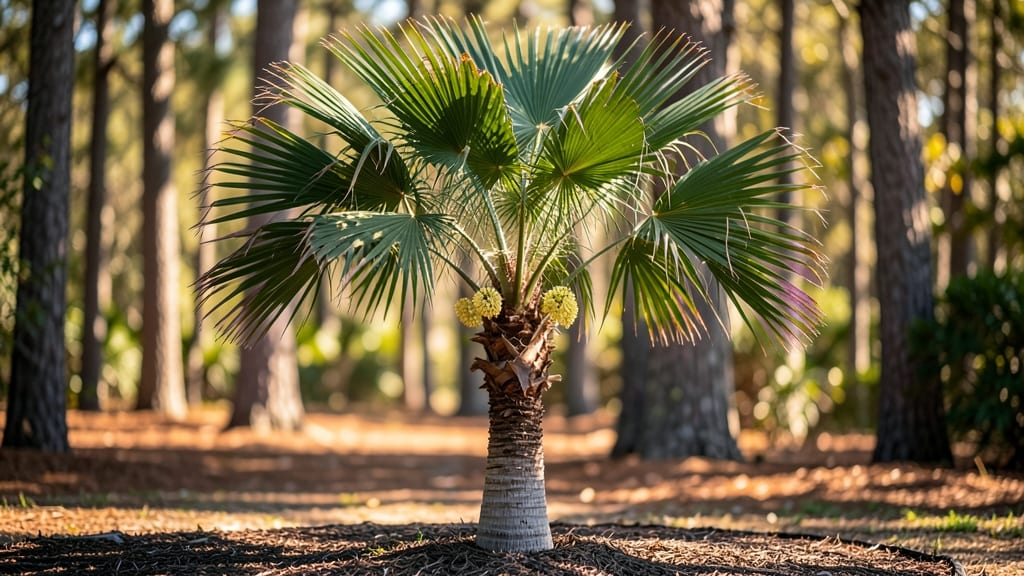
Pruning your red palm tree isn’t just about shaping—it’s about unlocking year-round vitality that keeps those iconic fronds vibrant and the trunk sturdy. 🌿 I’ve pruned mine for five seasons now, and the difference between a well-maintained specimen and one struggling with dead fronds is those three strategic cuts.
The key? Timing, tools, and knowing exactly which fronds to remove (and which to leave alone).
You’ll need sharp pruners, a ladder for taller palms, and about 30 minutes to assess the tree before making any cuts. Red palms are forgiving, but they reward precision—every cut should remove only dead or yellowing fronds, never more than a third of the crown at once.
The goal is to maintain that elegant silhouette while keeping the tree’s energy focused on new growth, not maintenance.
What you’ll end up with is a palm that looks healthier, fuller, and more resilient—think glossy new fronds emerging from the center, a stronger trunk, and fewer pests hiding in old debris.
My tree now produces two new fronds per season where it used to struggle with just one, and the difference in winter hardiness is noticeable. The secret? Prune in late winter or early spring when the tree’s energy is gearing up for growth.
This method works for both Roystonea regia and Phoenix dactylifera ‘Red Date Palm’, whether you’re dealing with a 10-foot backyard specimen or a towering landscape centerpiece. The same principles apply year-round—just adjust for your local climate. Let’s get those fronds looking sharp without stressing the tree.
📚 In This Guide
- What you need
- Instructions
- Tips and common mistakes
- Wrapping up and next steps
What you need
- ● Sharp pruning shears or loppers – Bypass pruners (8-10" blades) for small fronds; loppers (16-24" handles) for thicker stems.
- ● Pruning saw – For larger, woody fronds (12" blade, curved or straight).
- ● Safety gloves – Heavy-duty, cut-resistant (e.g., Mechanix or leather gloves).
- ● Safety goggles – Protects eyes from debris (ANSI Z87.1 rated).
- ● Ladder or lift (if needed) – Sturdy, extendable (16-20 ft for mature palms).
- ● Disposable pruning bags or tarp – For collecting fronds (50+ gallon capacity recommended).
- ● Disinfectant (70% isopropyl alcohol or bleach solution) – 1 part bleach to 9 parts water (for sterilizing tools).
- ○ Pruning sealant (optional but helpful) – For large cuts (e.g., Tanglefoot Tree Wound Pruning Seal).
- ● Extension pole pruners – For high branches (10-15 ft reach).
- ● Work boots with ankle support – For stability on uneven ground.
- ● Dust mask – If working in dry, dusty conditions.
- ● Rope or zip ties – To secure large fronds before cutting.
- ● Garden hose – For rinsing tools and wounds post-pruning.
Step-by-Step guide to pruning your red palm tree
Here's how to maintain a thriving red palm tree with precision cuts that boost growth and prevent disease.
🌿 Step 1: Identify and Remove Dead or Diseased Fronds
Start by examining your palm from the base upward. Look for fronds that are brown, blackened, or completely dry—these are dead and should be removed immediately. Healthy fronds have a vibrant green color and firm texture, while diseased fronds may show yellowing, spots, or oozing sap. I always prune these first because they harbor pests and fungal spores that can spread to healthy tissue.
Use clean, sharp pruning shears or a handsaw to cut about 6-12 inches below the point where the frond meets the trunk. This prevents water from pooling at the base, which can cause rot. If the frond is particularly large, cut it into manageable sections on the ground to avoid damaging the tree. Wear gloves—some palms have sharp spines that can draw blood.
✂️ Step 2: Trim Overly Long or Crowded Fronds
Next, focus on the healthy fronds that may be growing too long or blocking light from reaching the center of the palm. Aim to create an open, vase-like shape that allows air circulation. I like to keep the longest fronds slightly longer than the others to maintain a natural silhouette, but never let them become so dense that they shade the inner trunk.
Make your cuts just above a leaf joint or bud, where the frond attaches to the trunk. This encourages new growth from that point. For fronds that are still green but too long, trim only the outer 1/3 of the length. Avoid cutting into the trunk itself—this can expose the palm to infections. If you're unsure where to cut, step back and visualize the tree's natural shape from a distance.
☀️ Step 3: Prune Flower Stems and Seed Clusters
Red palms produce striking flower spikes and seed clusters, but these can drain energy from the tree if left unchecked. Once the flowers have bloomed and the seed clusters turn brown, it's time to remove them. Use pruning shears to cut the stems at their base, being careful not to damage the surrounding fronds. I always prune these in late fall or early winter, after the seed clusters have fully matured and dried.
Here's the thing—don't prune flowers before they've fully bloomed unless they're diseased. The nectar attracts pollinators, and the seeds provide food for wildlife. Only remove them once they've served their purpose. After pruning, dispose of the debris in your yard waste bin—never leave it under the tree, as it can attract pests and promote fungal growth.
🪴 Step 4: Clean and Protect the Trunk
With the fronds removed, take a moment to inspect the trunk for any signs of damage, such as cracks, holes, or discoloration. These can be entry points for pests or pathogens. If you find any, clean the area with a mixture of 1 part bleach to 10 parts water, then rinse thoroughly with clean water. Avoid using harsh chemicals directly on the trunk, as they can harm the palm.
Apply a thin layer of palm-safe sealant to any exposed or rough areas to protect the trunk from sun scorch and moisture loss. This step is especially important for younger palms or those in hot, dry climates. Finish by watering the base of the tree deeply to help it recover from the pruning stress. You'll notice new growth emerging from the top of the trunk within a few months—that's your signal that the pruning was successful.
Tips & tricks for perfect red palm tree pruning
Took me years to perfect these pruning techniques—here's how to avoid common mistakes and keep your red palm thriving.
Tool Selection: Invest in a pair of bypass pruning shears for clean cuts on smaller fronds, and a sharp handsaw for thicker stems. Dull tools crush fibers, which slows healing and invites pests. I always sterilize my tools with rubbing alcohol between cuts to prevent cross-contamination of any potential diseases lurking in your palm's foliage.
Seasonal Timing: Late winter through early spring is ideal for most pruning, when the tree is entering active growth but before summer heat stress. For tropical climates, you can prune year-round, but avoid heavy pruning during drought periods. The 6-12 inch cut below the frond attachment point in Step 1 creates a natural barrier that prevents water from pooling—this is especially critical during Florida's rainy season when rot becomes a real concern.
Visual Pruning Guide: Step back and photograph your palm before pruning. This reference helps maintain symmetry and prevents over-pruning. Look for the natural "vase" shape—your goal is to create an open center that allows sunlight to reach the trunk. When trimming healthy fronds in Step 2, imagine removing the outer third like peeling an onion—this maintains the tree's structural integrity while promoting airflow.
Trunk Protection: After cleaning damaged areas with the bleach solution in Step 4, apply the palm-safe sealant only to exposed or rough spots—not the entire trunk. Think of it like sunscreen: you're protecting vulnerable areas from sun scorch and moisture loss, not creating an impermeable barrier. I've seen palms develop fungal issues from over-sealing, so less is always better when it comes to trunk treatments.
Pro Tips for Red Palm Tree
- Took me years to perfect these pruning techniques—here's how to avoid common mistakes and keep your red palm thriving.
- Tool Selection: Invest in a pair of bypass pruning shears for clean cuts on smaller fronds, and a sharp handsaw for thicker stems.
- Seasonal Timing: Late winter through early spring is ideal for most pruning, when the tree is entering active growth but before summer heat stress.
Frequently asked questions
Got questions about keeping your red palm tree healthy with strategic pruning? You’re not alone! Here are some of the most common concerns—and straightforward answers—to help you maintain that stunning tropical look year-round.
When is the best time to prune a red palm tree?
The ideal time is late winter to early spring (just before new growth starts), but you can also prune lightly after storms or if fronds are blocking sunlight. Avoid heavy pruning in summer—it stresses the tree. Pro tip: Never prune more than 1/3 of the fronds at once!
How do I know which fronds to remove?
Look for three types of fronds to trim:
- Dead or brown fronds (dry, crispy, or falling apart)
- Hanging or drooping fronds (blocking sunlight or touching the ground)
- Fronds with yellowing tips (signs of disease or nutrient deficiency)
Leave the healthy green fronds—they’re powering photosynthesis! Use a clean, sharp saw to avoid tearing.
What if my red palm tree has blackened or mushy fronds? Could it be diseased?
Yes! Blackened or mushy fronds often signal fungal infections (like Ganoderma butt rot) or bacterial leaf blight. If you see oozing, rot at the base, or widespread discoloration:
- Prune only the infected areas with sterilized tools.
- Apply copper fungicide or a baking soda spray (1 tbsp baking soda + 1 quart water + a drop of dish soap).
- Check for pests (like palm weevils)—dig around the base if you suspect larvae.
For severe cases, consult a palm tree specialist ASAP.
Can I prune a red palm tree too much? What are the signs?
Yes! Over-pruning weakens the tree, leaving it vulnerable to pests and disease. Watch for:
- Stunted new growth (fewer or smaller fronds)
- Yellowing fronds (nutrient deficiency from stress)
- Exposed trunk (if you’ve removed too many fronds)
Rule of thumb: Never remove more than 1/3 of the fronds in a single session, and space heavy pruning 1–2 years apart.
Is it worth hiring a professional, or can I DIY?
DIY works for light pruning (dead fronds, minor shaping), but for:
- Tall trees (30+ feet)
- Disease diagnosis/treatment
- Heavy structural pruning
Hire a licensed arborist—they have the tools, safety gear, and expertise to avoid damaging your tree. Cost? Typically $150–$500 depending on size and location.
Wrapping up and next steps
Your red palm tree is thriving—and with these three strategic cuts, it’s set for year-round health and beauty! 🌿✨ Pruning isn’t just about aesthetics; it’s about preventing disease, encouraging growth, and keeping your palm strong.
Whether you’re trimming dead fronds, shaping for safety, or boosting airflow, you now have the know-how to tackle the job like a pro.
Ready to level up your palm care? Grab your tools, follow the seasonal schedule, and watch your red palm tree flourish! For extra confidence, review the FAQs or snap a photo of your progress—share it with fellow gardeners for tips and tricks. Happy pruning!