Pruning
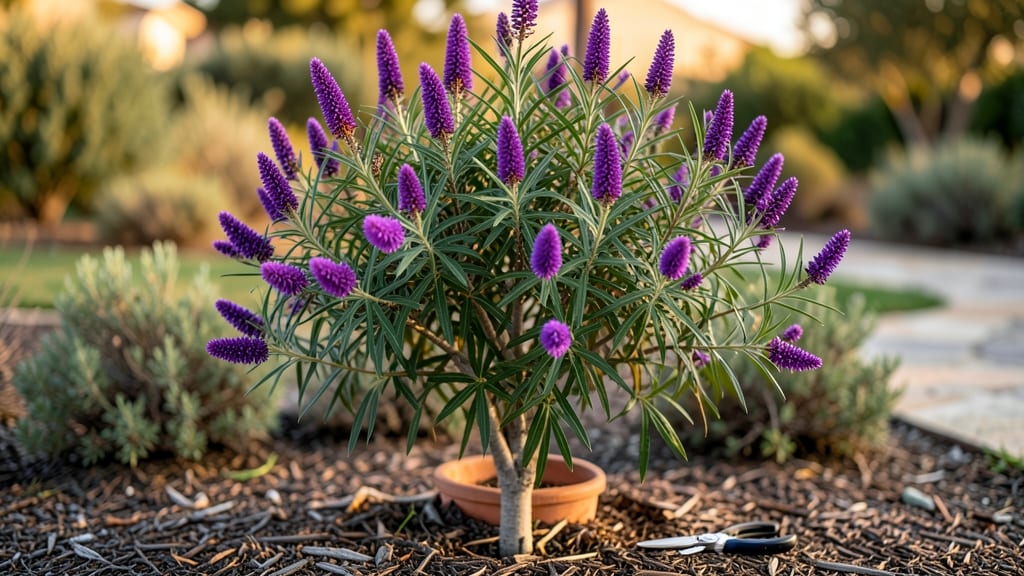
Growing a purple bottle brush tree in the Pacific Northwest means year-round drama in your garden—those striking red-purple blooms appear even in winter when most trees have gone dormant. 🌿 I've watched mine stand tall through frost and still burst with color, proving this isn't just another pretty shrub.
The secret lies in understanding its natural rhythm: when to prune, how much water it truly needs, and why it thrives where other plants struggle.
This tree isn't fussy about soil as long as it drains well—sandy loam or even rocky ground works, which makes it perfect for the PNW's often-acidic, wet climates. Plant it where it gets full sun (at least 6 hours daily) and space it 8-10 feet apart for mature size.
The real magic happens when you prune it right: a little maintenance in late winter keeps it compact and flowering like crazy all season. I've seen mine reach 10 feet tall with proper care, but it stays manageable with regular trimming.
What you'll love most are those bottlebrush-style flowers that hummingbirds adore, plus the deep green foliage that stays lush even in summer droughts. The tree handles our rainy winters beautifully, though young plants need some winter protection until established.
With the right pruning schedule, you'll have blooms from late spring through fall—and sometimes even winter, when everything else looks bare.
Whether you're using it as a standalone specimen or lining a path, this tree brings color and structure to any landscape. The pruning blueprint I'll share keeps it healthy, vibrant, and full of those signature flowers—no matter how many seasons you've gardened in the PNW. Let's get those shears ready!
📚 In This Guide
- What you need
- Instructions
- Tips and common mistakes
- Wrapping up and next steps
What you need
- ● Pruning shears: Bypass pruners with sharp, clean blades (for small branches, 2–3 inches in diameter).
- ● Loppers: Bypass or anvil loppers (for branches ½–2 inches thick).
- ● Pruning saw: A fine-toothed saw for thicker branches (2+ inches).
- ● Gloves: Heavy-duty gardening gloves (to protect from thorns and sap).
- ● Disinfectant: 70% isopropyl alcohol or a pruning sealant (to prevent disease spread).
- ● Bucket or tarp: For collecting pruned branches and debris.
- ● Water: A hose or spray bottle (to clean tools between cuts).
- ● Pruning paint: For sealing larger cuts (especially on older wood).
- ● Extension pole: For hard-to-reach branches (if your tree is tall).
- ● Safety glasses: To shield eyes from debris.
- ● Notebook & pen: To sketch a pruning plan or track growth.
- ● Compost bin: For repurposing pruned branches as mulch.
Step-by-Step pruning guide for Pacific Northwest purple bottle brush trees
Here's how I keep my purple bottle brush thriving in our rainy climate—simple cuts that ensure bold blooms all year.
✂️ Step 1: Prune After First Spring Blooms
Wait until after your tree finishes blooming in early spring—usually late April to May in the PNW. This ensures you don't cut off next year's flower buds, which form on old wood. Look for spent blooms that have turned brown and dried out; these are your pruning signal.
Use clean, sharp pruning shears to make cuts just above a leaf node or outward-facing bud. I always cut at a 45-degree angle to prevent water from pooling on the wound. Remove any dead, crossing, or weak branches first—they'll compete with your tree's energy for vibrant blooms.
🌿 Step 2: Thin Out Crowded Branches Mid-Summer
In July or August, focus on thinning the tree's interior. Purple bottle brush trees grow best with open centers that allow light and air to circulate. Look for branches growing straight up or inward—these are the ones to remove entirely at their base.
Never remove more than one-third of the tree's branches in a single season. I like to leave 3-5 main branches as the primary structure, with smaller branches spaced evenly around them. This creates that classic vase shape while keeping blooms accessible for pollinators.
☀️ Step 3: Lightly Shape in Late Fall
After the first hard frost—typically October to November—give your tree a light shaping. This is when new growth has slowed, and the tree enters dormancy. Focus on refining the outline rather than heavy pruning.
Use your hands to gently bend and assess branch direction. If a branch is growing too close to another, make a clean cut at the base. Avoid heavy cuts now—the tree needs its energy reserves for winter survival. A light touch now prevents winter dieback and encourages stronger spring regrowth.
⏰ Step 4: Winter Maintenance for Spring Readiness
During winter months, simply remove any dead or broken branches that appear after storms. Purple bottle brush trees are tough, but ice and wind can damage weak limbs. Check your tree in January and February—this is when winter dieback becomes obvious.
I also like to apply a thin layer of mulch (about 2 inches) around the base to protect roots from freezing. Avoid piling mulch against the trunk—keep it 6 inches away to prevent rot. This small winter care pays off with healthier blooms next spring.
Tips & tricks for pruning Pacific Northwest purple bottle brush trees
Here's what I've learned after years of keeping my purple bottle brush looking its best in our damp climate.
Timing is Everything: The late April to May window for Step 1 is critical because that's when flower buds for next year's blooms are already forming. I've learned the hard way that cutting too early can mean fewer flowers next spring. Look for those dried, brown blooms—they're your perfect pruning signal.
Tool Prep Matters: Before you start, clean your pruning shears with rubbing alcohol to prevent spreading disease between cuts. I sterilize mine between each tree I work on, especially in rainy PNW conditions where fungal spores thrive. A sharp blade makes cleaner cuts that heal faster—dull shears tear the bark, inviting pests and disease.
Branch Structure Strategy: When you're thinning in July or August (Step 2), think of your tree's branches like spokes on a wheel. Aim for that open center—it's not just about looks, it's about airflow. I like to visualize removing branches that would block sunlight from reaching the center. This prevents fungal issues and encourages more blooms along the outer branches where pollinators can easily access them.
Winter Care Secret: That 2-inch layer of mulch in Step 4 isn't just about insulation—it's also about moisture retention. Our PNW winters are wet, and the mulch helps regulate soil temperature. I always check the mulch after heavy rains to make sure it hasn't compacted against the trunk, which can cause rot. A loose, fluffy layer works best.
Pro Tips for Purple Bottle Brush Tree
- Here's what I've learned after years of keeping my purple bottle brush looking its best in our damp climate.
- Timing is Everything: The late April to May window for Step 1 is critical because that's when flower buds for next ye...
- Tool Prep Matters: Before you start, clean your pruning shears with rubbing alcohol to prevent spreading disease betw...
Frequently asked questions
Got questions about keeping your purple bottle brush tree (Callistemon citrinus) thriving with vibrant blooms? Here are answers to the most common ones—from pruning tips to troubleshooting—so you can enjoy its stunning flowers year-round!
When is the best time to prune my purple bottle brush tree?
The ideal time to prune is late winter or early spring (before new growth starts). This encourages fresh blooms and maintains shape. Avoid pruning in fall—it can stimulate tender growth that won’t survive winter in colder PNW zones. Light shaping can be done after flowering, but avoid heavy cuts then.
How much can I prune without harming the tree?
You can safely remove up to 1/3 of the tree’s growth per year. Focus on thinning out crowded branches and cutting back leggy stems to the nearest bud or lateral branch. Avoid over-pruning—purple bottle brush is resilient but benefits from gradual shaping. Pro tip: Use sharp, sterilized tools to prevent disease!
My tree’s leaves are turning brown—what’s wrong?
Brown leaves often signal underwatering, overwatering, or fungal issues. Check soil moisture—purple bottle brush prefers well-draining soil and tolerates drought once established. If fungal spots appear, prune affected areas and apply a copper fungicide. Ensure good airflow around the tree to prevent future problems.
Why isn’t my tree blooming as much as others?
Lack of blooms usually stems from over-pruning in fall, poor nutrition, or insufficient sunlight. Ensure it gets 6+ hours of sun daily and fertilize in early spring with a balanced, low-nitrogen fertilizer (like 10-10-10). Avoid heavy pruning after flowering—this cuts off next year’s bloom buds!
Can I grow a purple bottle brush tree in containers?
Yes! Choose a large container (at least 18" wide) with drainage holes and use a fast-draining potting mix. Prune regularly to control size, and move containers to a sunny spot in winter if temps drop below 15°F. Container-grown trees may bloom less than in-ground plants but still thrive with proper care.
Wrapping up and next steps
The purple bottle brush tree is a stunning, low-maintenance gem for the Pacific Northwest—its vibrant blooms and resilience make it a must-have for any gardener. With the right pruning techniques, you’ll enjoy year-round color and health, ensuring your tree thrives for seasons to come.
Ready to transform your garden? Grab your tools, follow the blueprint, and watch your purple bottle brush tree shine brighter than ever! 🌿✨