
Pruning
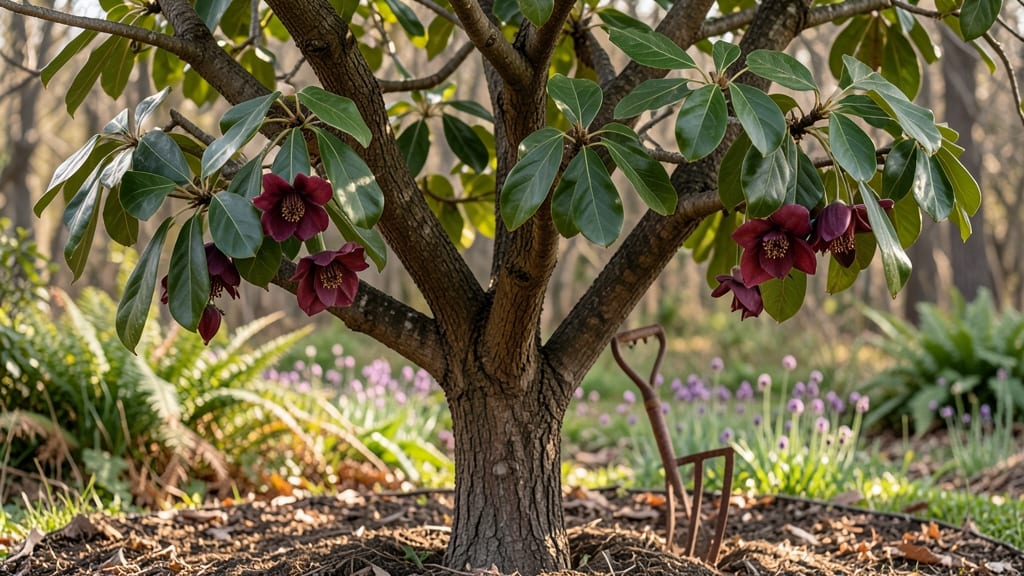
The pawpaw tree flower blooms in late spring, and timing is everything for successful pollination. 🌸 I’ve watched these delicate, maroon-colored blossoms transform my backyard into a fragrant oasis—but only after learning the right conditions and techniques.
The key lies in understanding when they open, how to support pollinators, and what pruning mistakes might be keeping your tree from flowering.
Pawpaws thrive in partial shade and moist, well-draining soil with a slightly acidic pH. They’re finicky about sunlight—too much sun scorches the leaves, while too little weakens blooms. In Zones 5-9, flowers typically appear in May or June, but cold snaps can delay them.
Pruning in late winter removes dead wood and opens the canopy, letting light reach inner branches where flowers form.
What you’ll achieve is a reliable crop of tropical-tasting fruit—but only if you time pollination right. Hand-pollinating with a small brush ensures fruit set, especially in areas with few native pollinators.
A healthy tree can produce 50+ pounds of fruit per season once blooms are consistent. The secret? Patience and precision in care.
This method works for both young saplings and mature trees, though younger trees may take 3-5 years to flower. If your pawpaw isn’t blooming, check for over-pruning, poor soil, or pest damage. Let’s get those flowers thriving—and those fruits ready for harvest.
📚 In This Guide
- What you need
- Instructions
- Tips and common mistakes
- Wrapping up and next steps
What you need
- ● Pawpaw tree (healthy, mature—Asimina triloba—with visible flowers 🌸).
- ● Pollination tools: Soft-bristle paintbrush (size 00 or 0) or cotton swab (sterilized).
- ○ Small handheld mirror (optional, for tricky angles 🔍).
- ● Timing aids: Digital thermometer/hygrometer (to track humidity/temp, ideal range: 60–80°F).
- ● Notebook or phone app (to log flower stages and pollination dates ⏳).
- ● Safety gear (if working in dense foliage): Lightweight gloves (gardening-grade, thin fabric).
- ● Long sleeves/pants (to protect from thorns or sap 🌿).
- ● Bee-friendly boosters: Native bee houses or pollinator plants (e.g., milkweed, coneflowers).
- ● Sugar water spray bottle (1:4 ratio, for attracting bees on lazy days 🐝).
- ● Documentation tools: Waterproof camera (to capture flower stages).
- ● Labeling tags (for tracking individual trees/fruit sets).
- ● Comfort items: Folding stool (for easier access to higher branches).
- ● Sun hat + sunscreen (pawpaw flowers love morning sun ☀️).
How to hand-pollinate pawpaw tree flowers for fruit set
Timing and technique make all the difference with pawpaw flowers—here’s how to boost pollination naturally.
🌿 Step 1: Identify the Right Flowers and Timing
Pawpaw flowers bloom in late spring, typically between mid-May and early June in most climates. Look for clusters of 5-petaled, maroon-colored flowers with a sweet, tropical fragrance—these are female flowers (the ones that will produce fruit). Male flowers appear earlier and have yellow-green petals that don’t need your help.
Here’s the thing—pawpaw trees rely on carpenter bees for pollination, but these bees aren’t always abundant. If you see flowers with no bees visiting, that’s your cue to step in. Check flowers daily between 8 AM and 10 AM when they’re fully open and sticky with pollen. The pollen is dark purple, so you’ll spot it easily on petals or visiting insects.
💧 Step 2: Collect and Transfer Pollen
Use a soft paintbrush or cotton swab (sterilized with rubbing alcohol) to gently collect pollen from male flowers. Focus on the stamens—the long, thin structures in the center of the flower. Lightly brush the brush against them until you see dark purple pollen grains clinging to the bristles. Avoid pressing too hard; pawpaw flowers are delicate.
Next, transfer the pollen to female flowers. Pawpaw female flowers have a short, thick stigma (the fuzzy, bulbous top) where pollen needs to land. Gently stroke the brush over the stigma 3-5 times to ensure good coverage. If you’re working with multiple trees, repeat this process for each female flower cluster. Real talk: You’ll need to pollinate every female flower for fruit to develop—skipping even one means lost potential fruit.
☀️ Step 3: Protect Pollinated Flowers and Monitor Progress
After pollination, cover the flowers with fine mesh netting to protect them from rain, wind, and pests. Pawpaw flowers are sensitive to moisture, and heavy rain can wash away pollen. Secure the netting loosely so it doesn’t damage the stems but keeps out debris. Leave it in place for 7-10 days or until you see small green fruit buds forming at the base of the flowers.
Watch for swollen ovaries—this is your signal that pollination worked. The flowers will eventually wilt and drop off, but the ovary will remain, growing into a fruit. If you see flowers dropping without any swelling, you’ll need to pollinate them again. Pawpaw trees are finicky, so patience is key. Keep an eye out for fruit flies or wasps—they can damage developing fruit, so remove any pests you spot immediately.
⏰ Step 4: Support Fruit Development Through Summer
Once fruit begins to form, reduce watering slightly to prevent splitting. Pawpaws are prone to cracking if the soil stays too wet. Water deeply once a week unless you’ve had heavy rain, and always direct water to the base of the tree, not the fruit. Mulch around the tree with 2-3 inches of organic mulch (like shredded leaves or wood chips) to retain moisture and regulate soil temperature.
Here’s where it gets fun—watch the fruit grow! Pawpaws start as small, green marbles and swell to 3-6 inches long by late summer. They’ll turn yellow when ripe, usually in September or October, depending on your climate. If you see fruit dropping prematurely, it might be due to pests, disease, or uneven pollination. In that case, hand-pollinate a few more flowers to ensure a better yield next year.
Tips & tricks for perfect pawpaw flower pollination
Pawpaw trees are finicky about fruit set, but these pro tips will help you maximize your harvest with minimal effort.
Morning is Critical: The 8 AM to 10 AM window in Step 1 is non-negotiable because that's when pawpaw flowers are at their peak stickiness and pollen viability. I've learned this the hard way—attempting pollination later in the day often results in pollen that either won't adhere or has already dried out. If you can't work during those hours, set a reminder to check flowers first thing in the morning and pollinate immediately if you spot bees aren't doing the job.
Equipment Prep Matters: Before you even start, sterilize your paintbrush or cotton swab with rubbing alcohol in Step 2. I've seen bacterial contamination ruin entire flower clusters when people skip this step. For extra precision, use a magnifying glass to verify you've collected enough dark purple pollen grains—you should see them visibly clinging to the brush before transferring. This small attention to detail makes all the difference in successful pollination rates.
Visual Cues for Success: In Step 3, when monitoring progress, look for the stigma to change from white to slightly purple after pollination—this color shift confirms pollen transfer. The swollen ovary sign in Step 3 isn't always obvious, so I recommend marking pollinated flowers with a tiny piece of colored tape (like a paperclip with a dot of nail polish) so you can track which ones are developing properly over the 7-10 day period.
Pest Prevention Strategy: For the netting in Step 3, use lightweight, breathable mesh that lets sunlight through while still protecting from rain. I've found that heavy plastic netting can trap too much moisture and actually encourage fungal growth. Also, check the undersides of leaves regularly for early signs of pests—those fruit flies and wasps can appear suddenly and wreak havoc on developing fruit.
Pro Tips for Pawpaw Tree Flower
- Pawpaw trees are finicky about fruit set, but these pro tips will help you maximize your harvest with minimal effort.
- Morning is Critical: The 8 AM to 10 AM window in Step 1 is non-negotiable because that's when pawpaw flowers are at their peak stickiness and pollen viability.
- Equipment Prep Matters: Before you even start, sterilize your paintbrush or cotton swab with rubbing alcohol in Step 2.
Frequently asked questions
Got questions about pawpaw tree flowers? You’re not alone! Here are some of the most common queries—and their answers—to help you navigate pollination like a pro.
When do pawpaw tree flowers bloom?
Pawpaw flowers typically bloom in late spring to early summer, usually between May and June, depending on your climate. They’re short-lived—opening for just 24–48 hours—so timing is everything for pollination. Cooler nights and warm days trigger blooming, so keep an eye on your tree in late spring!
How do I know if my pawpaw tree needs hand-pollination?
If you see open flowers without bees or flies buzzing around, or if your tree has few to no fruit despite healthy blooms, hand-pollination may help. Pawpaws rely on carpenter bees and sphinx moths—if these pollinators are scarce, give them a helping hand with a soft brush or cotton swab to transfer pollen between flowers.
Why aren’t my pawpaw flowers turning into fruit?
Several factors could be at play: lack of pollinators, poor weather (heavy rain or cold snaps), or immature trees (young pawpaws under 5 years old may not fruit reliably). Check for pollen presence on stigmas (the flower’s center) and ensure your tree gets full sun and well-draining soil for optimal health.
Can I grow pawpaws from seed, or should I plant a grafted tree?
While you can grow pawpaws from seed, the fruit may not match the parent’s quality or ripen consistently. For reliable pollination and better fruit, opt for grafted trees (like ‘Sunflower’ or ‘Pennsylvania Golden’). Grafted trees also produce fruit 2–3 years sooner than seed-grown ones.
Do pawpaw flowers need protection from frost?
Young pawpaw flowers are frost-sensitive—even a light freeze (28°F/-2°C) can damage buds. If frost is forecasted, cover flowers with frost cloth or a lightweight blanket at night. Pawpaws thrive in USDA Zones 5–9, but late spring frosts are their biggest threat.
Wrapping up and next steps
Growing pawpaw trees is a rewarding experience, and mastering the art of pollinating their delicate flowers is the key to a bountiful harvest. 🌸 By understanding the timing (late spring to early summer), using the right techniques, and creating an inviting environment for pollinators, you’ll set your pawpaw tree up for success.
Now that you’re armed with knowledge, why not take the next step? Grab your tools, head to your garden, and give those flowers the attention they deserve—your future fruit awaits!