Pruning
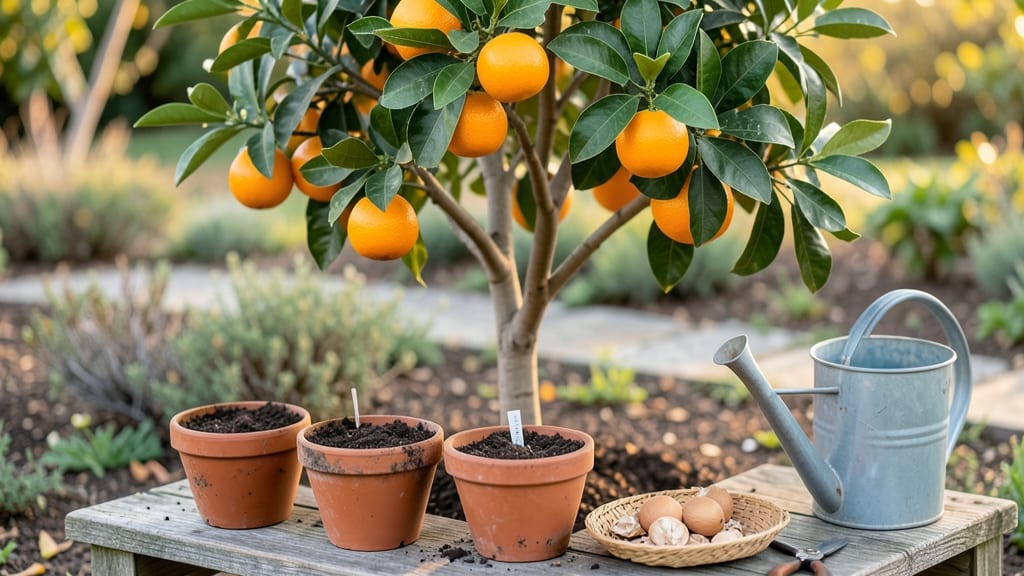
Growing an orange tree from seeds turns your kitchen into a nursery for something that could thrive for decades. 🌱 The first step is choosing fresh, plump seeds from ripe oranges—don’t skip this, or you’ll waste weeks waiting for sprouts that might never come.
My first attempt used store-bought seeds, and nothing happened; now I save seeds from homegrown fruit whenever possible.
Once you’ve got your seeds, the real magic happens in a warm, humid environment. I swear by the "jar method"—place seeds between damp paper towels in a sealed container, and check daily for sprouts in 1-3 weeks.
A sunny windowsill or grow light keeps them from stretching into leggy seedlings, while maintaining 70-80°F temperatures speeds up germination. Patience here pays off—rushing leads to weak roots.
By week three, you’ll have tiny seedlings with true leaves, ready to transplant into soil. They’ll grow slowly at first, but with bright indirect light and regular watering (let the top inch dry between waterings), you’ll see 6-inch plants in 3 months.
The best part? These trees stay small enough for containers, so even apartment balconies can host them.
Outdoor growers in zones 9-11 can plant seedlings directly in the ground after the last frost, while others should keep them indoors until spring. The first year focuses on root development—don’t expect fruit, but you’ll get the satisfaction of nurturing a tree that could one day bear sweet oranges.
Common mistakes? Overwatering (rotted roots) and cold drafts (stunted growth).
📚 In This Guide
- What you need
- Instructions
- Tips and common mistakes
- Wrapping up and next steps
What you need
- ● Fresh orange seeds (3–5 seeds per pot for better success rates)
- ● Small pots or seed trays (3–4 inches deep, with drainage holes)
- ● Well-draining potting mix (cactus or citrus-specific soil blend, or a mix of peat moss, perlite, and sand)
- ● Spray bottle (for gentle watering)
- ● Plastic wrap or clear lid (to create a humid environment)
- ● Rubbing alcohol or hydrogen peroxide (3%) (for sterilizing seeds and tools)
- ● Small fan or open window (for occasional airflow)
- ● Grow lights or sunny windowsill (6+ hours of indirect light daily)
- ● Seedling heat mat (to maintain 70–80°F for faster germination)
- ● Fertilizer (balanced, low-nitrogen) (after sprouts appear, diluted to half-strength)
- ● Humidity dome or greenhouse (for extra moisture control)
- ● Pruning shears (for trimming leggy seedlings later)
- ● Larger pot (5+ gallons) (for transplanting once roots establish)
Step-by-step guide to germinating citrus trees from seeds
Citrus seeds need patience and precision—but these steps make it simple.
🌱 Step 1: Extract and Prepare the Seeds
Start with fresh citrus fruit, like an orange or grapefruit. Cut it open and remove the seeds, then rinse them thoroughly to eliminate any fruit residue. Here's the thing—citrus seeds have a hard outer shell that slows germination, so you'll need to nick each one lightly with a sharp knife or sandpaper. Focus on just breaking the outer coating without damaging the seed inside.
Place the seeds in a bowl of warm water for 12-24 hours. This softens the shell further and kickstarts the germination process. After soaking, you'll notice the outer coating becomes slightly more pliable—this is your cue that they're ready for planting. Drain the water and let the seeds air-dry for about 10 minutes before moving to the next step.
🪴 Step 2: Set Up Containers and Soil
Use small pots or seed trays with drainage holes to prevent waterlogging. Fill each container with a sterile seed-starting mix—never garden soil, as it can harbor pathogens that kill tender citrus seedlings. Moisten the mix until it feels like a damp sponge, but not saturated. Press it lightly into the pot to create a firm but loose surface for the seeds.
Plant each seed about ½ inch deep, spacing them 1 inch apart in the container. Citrus seeds are large, so one seed per pot works best. Gently cover them with soil and mist the surface lightly with water. The goal is to keep the soil consistently moist but not soggy—citrus roots need air to grow properly.
☀️ Step 3: Provide Warmth and Humidity
Citrus seeds germinate best in warmth, ideally between 70-85°F. Place the pots in a warm, humid environment—like on top of a refrigerator or near a heat mat—to encourage faster germination. Cover the pots with clear plastic wrap or a humidity dome to retain moisture and warmth. Check daily for condensation; if the plastic fogs up, remove it briefly to let excess moisture escape.
You’ll see the first signs of germination in 7-14 days, though some seeds may take up to 3 weeks. Once the seedlings emerge, remove the plastic immediately to prevent fungal growth. Keep the soil moist but avoid overwatering—citrus seedlings are sensitive to root rot. Watch for the first true leaves, which signal that the plant is ready for more light.
💧 Step 4: Transition to Light and Care
Move the seedlings to a bright, indirect light source as soon as they sprout. A south-facing window or a grow light positioned 6-12 inches away works well. Citrus trees need 6-8 hours of light daily to grow strong. If the seedlings stretch toward the light or appear leggy, they need more intensity—adjust the light or move them closer.
Water the seedlings once a week, allowing the top 1-2 inches of soil to dry out between waterings. Overwatering is the biggest killer of young citrus trees, so always check the soil moisture before adding more water. Fertilize lightly with a balanced citrus fertilizer (5-5-5 ratio) once the seedlings have 4-6 true leaves, but dilute it to half-strength to avoid burning the tender roots.
Tips & tricks for germinating citrus trees
Here's what nobody tells you—these small tweaks can double your success rate with citrus seeds.
The Nicking Technique: When breaking the outer shell of citrus seeds, aim for just a tiny crack—about 1/16-inch deep. Too much damage exposes the seed to bacteria, while too little prevents water absorption. I use fine-grit sandpaper wrapped around a pencil for precision, as it creates consistent nicks without overworking the seed. This step is non-negotiable for breaking dormancy.
Soaking Strategy: The 12-24 hour warm water soak is your seed's first critical step. Use water between 75-80°F—too hot can cook the seed, while too cold won't soften the shell. I add a splash of hydrogen peroxide (1 tsp per cup of water) to prevent fungal growth during this stage. After soaking, the seeds should feel noticeably softer when gently pressed between fingers.
Container Selection: While small pots work, I've found that biodegradable peat pots give seedlings a head start—they can be planted directly without transplant shock. If using regular pots, choose ones with multiple drainage holes (at least 3) to prevent waterlogging. The ½ inch depth for planting is crucial—too shallow exposes the seed, while too deep suffocates it.
Light Transition: When moving seedlings to bright light after germination, I recommend a gradual transition over 3-4 days. Start with 2 hours of indirect light daily, then increase by 1 hour each day. Sudden exposure can cause leaf scorch. For grow lights, I use a 12-hour on/off cycle to mimic natural daylight patterns, which prevents leggy growth.
Pro Tips for Orange Tree Seeds
- Here's what nobody tells you—these small tweaks can double your success rate with citrus seeds.
- The Nicking Technique: When breaking the outer shell of citrus seeds, aim for just a tiny crack—about 1/16-inch deep.
- Soaking Strategy: The 12-24 hour warm water soak is your seed's first critical step.
Frequently asked questions
Got questions about growing orange trees from seeds? You’re not alone!
Here are answers to the most common queries to help you succeed with your citrus adventure.
How long does it take for orange tree seeds to germinate?
Germination typically takes 14–21 days under ideal conditions (warmth, moisture, and indirect light). Patience is key—some seeds may sprout faster, while others take longer. Keep the soil consistently moist but not soggy, and place the container in a warm spot (around 70–80°F).
Can I speed up germination?
Yes! Soak seeds in warm water for 24 hours before planting to soften the outer shell. Use a seedling heat mat (or a warm, sunny windowsill) to maintain consistent warmth. Some gardeners also swear by peeling the seed coat gently—just avoid damaging the embryo inside.
What if my seeds don’t sprout at all?
Don’t panic! Seeds can fail to germinate due to old age, improper storage, or poor conditions. Try these fixes:
- Test a few new seeds from a fresh orange.
- Ensure your growing medium is well-draining (a mix of peat moss and perlite works well).
- Check for rot—if the soil smells foul, repot with fresh, sterile soil.
Will my seedling grow into a fruit-bearing tree?
Most orange tree seedlings grown from seeds are not true to the parent variety—they may produce small, tart, or even inedible fruit (or none at all!). For reliable fruit, grafting is the gold standard. However, the tree itself will still be beautiful, and you’ll enjoy watching it grow!
Can I grow an orange tree indoors?
Seedlings thrive indoors with bright, indirect light (a south-facing window or grow lights). As they mature, ensure they get 6+ hours of sunlight daily and rotate the pot occasionally for even growth. Just be prepared to prune aggressively to keep the tree manageable—indoor citrus trees can get leggy!
What’s the best temperature for young orange tree seedlings?
Ideal temperatures range between 65–85°F. Avoid drafts, air conditioning vents, or cold windowsills. If your home dips below 50°F at night, consider moving the seedling to a warmer room or using a small space heater (safely placed away from leaves).
How often should I water my orange tree seeds?
Keep the soil consistently moist but never waterlogged. Water gently when the top inch feels dry (usually every 2–3 days for seedlings). Overwatering can cause root rot, so ensure pots have drainage holes. Mist the leaves lightly to boost humidity—citrus loves it!
Wrapping up and next steps
Growing an orange tree from seeds is a rewarding journey that blends patience, care, and a touch of green-thumb magic! 🌱 With the right materials and a few weeks of dedication, you’ll witness the incredible transformation from tiny seed to a thriving citrus sapling.
Whether you’re a seasoned gardener or a curious beginner, this process is your chance to nurture life and enjoy the sweet fruits of your labor—literally!
Ready to take the next step? Start by planting those seeds today, and soon, you’ll be tending to your very own orange tree. Who knows? In a few years, you might just be harvesting homegrown oranges—what a delicious way to celebrate your success! 🍊✨