
Pruning
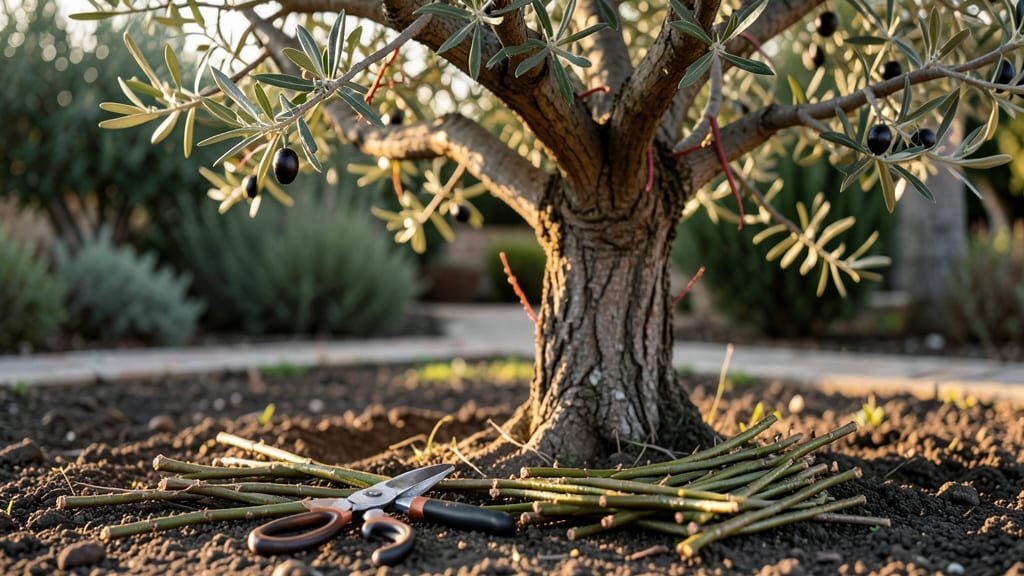
Olive tree suckers are those stubborn, unwanted shoots sprouting from the trunk or branches, and they’re the main reason your tree’s energy gets wasted instead of going into fruit production. 🌱 I’ve spent years battling these little growth thieves, and I’ve finally cracked the code to keeping my olive tree strong and productive.
The key is knowing exactly when and how to remove them without harming the tree.
These suckers aren’t just unsightly—they drain nutrients and water from your tree, leaving less for the branches that actually bear fruit. The good news? Removing them is simpler than you think, and with the right tools and timing, you can restore your tree’s health in just a few hours.
I’ll show you how to spot them early and cut them out cleanly, so your olive tree can focus on what matters most: growing those delicious, glossy olives.
What you’ll need is minimal: sharp pruning shears, rubbing alcohol for sterilization, and maybe some pruning sealer if you’re working on larger branches. The process itself is straightforward—just follow the steps I’ve perfected over the years, and you’ll see a noticeable difference in your tree’s vigor within weeks.
No more wasted energy on unwanted growth, just a thriving, fruit-bearing olive tree.
Once you’ve tackled the suckers, the real work begins: maintaining your tree’s health to prevent future outbreaks. I’ll share my foolproof tips for keeping your olive tree strong, from proper watering schedules to seasonal pruning routines.
With these strategies, you’ll enjoy a productive tree for years to come—without the suckers stealing the show.
📚 In This Guide
- What you need
- Instructions
- Tips and common mistakes
- Wrapping up and next steps
What you need
- ● Pruning shears: Bypass pruners (sharp, clean, and disinfected with rubbing alcohol to prevent disease spread). Spec: 6–8" blades for small suckers.
- ● Loppers: For thicker suckers (½–1" diameter). Spec: 10–12" reach, bypass or anvil style (avoid anvil for olive wood).
- ● Pruning saw: For stubborn, woody suckers (>1" thick). Spec: Curved blade for clean cuts.
- ● Gloves: Heavy-duty work gloves (cut-resistant, at least 12" long) to protect hands from thorns and sap.
- ● Disinfectant: 70% isopropyl alcohol or a 10% bleach solution (1 part bleach to 9 parts water) to sterilize tools between cuts.
- ● Heavy-duty trash bags: 30–50 gallon size for debris removal (olive suckers can be voluminous!).
- ● Ladder (if needed): Sturdy, extendable ladder (24–32 ft) rated for at least 250 lbs—or a pole pruner for high branches.
- ● Safety gear: Safety glasses (to shield from debris).
- ● Long sleeves/pants (olive sap can irritate skin).
- ● Closed-toe shoes or boots.
- ● Horticultural sealant: Pruning paste (e.g., Tanglefoot Tree Wound Pruning Seal) to coat large cuts and prevent disease entry.
- ● Extension pole: For high suckers (attach loppers or shears to avoid ladder use).
- ● Wheelbarrow: For hauling heavy debris (especially if removing multiple suckers).
- ● Sharpie or marker: To label branches you plan to prune (helps avoid over-trimming).
- ● First-aid kit: For sap burns or minor cuts (olive sap can be surprisingly sticky!).
Step-by-step guide to removing olive tree suckers for healthy growth
Here's how I keep my olive trees thriving by eliminating unwanted suckers—no pruning mistakes here.
🌿 Step 1: Identify Suckers and Assess the Tree's Health
Suckers are those fast-growing shoots sprouting at the base of your olive tree or along the trunk. They steal nutrients from your main tree, so removing them early keeps your plant strong. Look for thin, upright stems with small leaves—these are the culprits. I check my trees in early spring before new growth starts, when suckers are still small and easier to remove.
Run your hand gently along the trunk and major branches to feel for any bumps or growths hiding under leaves. Healthy trees have smooth bark with no unusual sprouts. If you spot any, mark them with a small piece of twine or a flag so you don't miss them during removal. This step ensures you don't accidentally prune off beneficial branches.
✂️ Step 2: Remove Suckers at the Right Time and Technique
Use clean, sharp pruning shears to cut suckers at their base, just above where they emerge from the trunk or soil. Cutting too close to the trunk can damage the bark, while leaving a stub can cause regrowth. I angle my cuts slightly downward to prevent water from pooling on the wound, which could lead to rot.
Work on a dry day when the tree isn't stressed. If you're dealing with a large number of suckers, remove them in stages over a few days to avoid shocking the tree. After cutting, discard the suckers immediately—don't leave them near the tree, as they may regrow. This method keeps your olive tree focused on producing fruit and healthy foliage instead of wasting energy on unwanted growth.
💧 Step 3: Monitor and Maintain Post-Removal Care
After removing suckers, water your olive tree deeply to help it recover. Focus on the root zone, keeping the soil moist but not soggy for the first few weeks. Mulch around the base with 2-3 inches of organic mulch to retain moisture and suppress future sucker growth. I use wood chips because they break down slowly and improve soil health over time.
Keep an eye on the tree for new suckers over the next few months. If you see any sprouting, remove them immediately—they grow fast and can become a nuisance. Healthy olive trees should show new growth in the form of leaves or small fruit within a few weeks of pruning. If you notice yellowing leaves or stunted growth, it might mean the tree is stressed, and you may need to adjust your watering or pruning approach.
☀️ Step 4: Encourage Strong Growth Through Proper Care
Olive trees thrive in full sun, so ensure your tree gets at least 6-8 hours of direct sunlight daily. If you've removed many suckers, your tree might need extra nutrients to bounce back. I fertilize lightly in early spring with a balanced, slow-release fertilizer to support new growth. Avoid heavy feeding immediately after pruning, as it can stress the tree.
Prune any remaining overgrown branches to improve airflow and sunlight penetration. This helps prevent fungal diseases and keeps the tree looking neat. With consistent care, your olive tree should reward you with lush foliage and possibly fruit within a season. The key is staying vigilant—check for new suckers regularly, especially after heavy rains or in early spring.
Tips & tricks for healthy olive tree growth
Keeping your olive tree vigorous starts with smart sucker management—and these tricks will help you avoid common pitfalls that weaken your tree.
Timing is Everything: Early spring is your best window for removing suckers, but don't wait until they're too large. I aim for late winter to early spring when new growth begins—this is when suckers are most vulnerable. If you miss this window, they'll grow faster and become more stubborn. For established trees, you can do a second check in early summer when any remaining suckers will still be manageable.
Tool Prep Matters: Before you start cutting, sterilize your pruning shears with rubbing alcohol to prevent spreading disease. I also keep a small bucket nearby to collect the cuttings—this prevents them from accidentally rooting near your tree. Use sharp shears to make clean cuts; dull blades crush the stems, which can invite rot. For thick suckers, I use a small pruning saw for precision without damaging the trunk.
The Mulch Secret: After removing suckers, spread that 2-3 inches of organic mulch in a wide ring around the base (not touching the trunk). This isn't just about moisture—it creates a natural barrier that discourages new suckers from sprouting. I use wood chips because they break down slowly and improve soil structure over time. Replenish the mulch every few months to maintain its effectiveness.
Sunlight Strategy: Those 6-8 hours of direct sunlight are non-negotiable for olive trees, but after pruning, you might need to adjust temporarily. If your tree looks stressed, move it to a slightly sunnier spot for a few weeks while it recovers. Olive trees are tough, but they'll reward you with new growth faster when they get proper light. Keep an eye on the leaves—if they start yellowing, it's a sign to adjust either sun exposure or watering.
Pro Tips for Olive Tree Suckers
- Keeping your olive tree vigorous starts with smart sucker management—and these tricks will help you avoid common pitfalls that weaken your tree.
- Timing is Everything: Early spring is your best window for removing suckers, but don't wait until they're too large.
- Tool Prep Matters: Before you start cutting, sterilize your pruning shears with rubbing alcohol to prevent spreading disease.
Frequently asked questions
Got questions about managing olive tree suckers?
You’re not alone! Here are the most common concerns—and straightforward answers—to keep your tree thriving.
What exactly are olive tree suckers, and why do they appear?
Olive tree suckers are vigorous, unwanted shoots that sprout from the roots, trunk, or graft union. They steal nutrients from your main tree, weakening growth and reducing fruit production. Suckers often emerge due to stress (like drought or poor pruning) or when the tree focuses energy on recovery instead of fruit-bearing branches.
When is the best time to remove olive tree suckers?
The ideal time is late winter or early spring (before new growth starts) or after harvest (fall). Avoid removing them in summer, as this can stress the tree. If you spot suckers year-round, prune them immediately—they won’t disappear on their own!
How do I remove suckers without harming the main tree?
Use clean, sharp pruners to cut suckers at their base (where they meet the trunk or root). For stubborn suckers, apply a pruning sealant to prevent disease. Never pull them—this can damage roots. If suckers keep returning, the issue might be root suckers, which may require deeper intervention (like root pruning).
Are there natural alternatives to chemical treatments for stubborn suckers?
Yes! Try these organic methods:
- Vinegar or salt spray: Mix 1 part white vinegar or salt with 3 parts water and apply directly to the sucker (avoid the main tree).
- Copper-based fungicides: Prevents regrowth by disrupting sucker growth hormones.
- Mulch competition: Apply thick mulch around the base to starve suckers of sunlight.
What if removing suckers causes the tree to look unhealthy or stop fruiting?
Don’t panic! A healthy tree will bounce back in 2–4 weeks. If fruiting declines, focus on balanced pruning (removing only 10–20% of foliage per year) and ensure proper watering/nutrition. Over-pruning is rare with suckers—just avoid cutting into the main trunk or large branches.
Pro Tip:
Mark sucker-prone areas with flagging tape to monitor regrowth. Regular inspections (every 2–3 months) catch new suckers early, saving you time and effort!
Wrapping up and next steps
Removing olive tree suckers is a simple yet impactful way to keep your tree thriving and productive! 🌿 By following the right techniques—like pruning at the base, sterilizing tools, and timing your cuts—you’ll boost growth, improve fruit quality, and prevent disease. Don’t let these pesky shoots slow you down!
Ready to take action? Grab your pruners, mark your calendar for late winter or early spring, and give your olive tree the care it deserves. Your future harvests will thank you!