
Trees
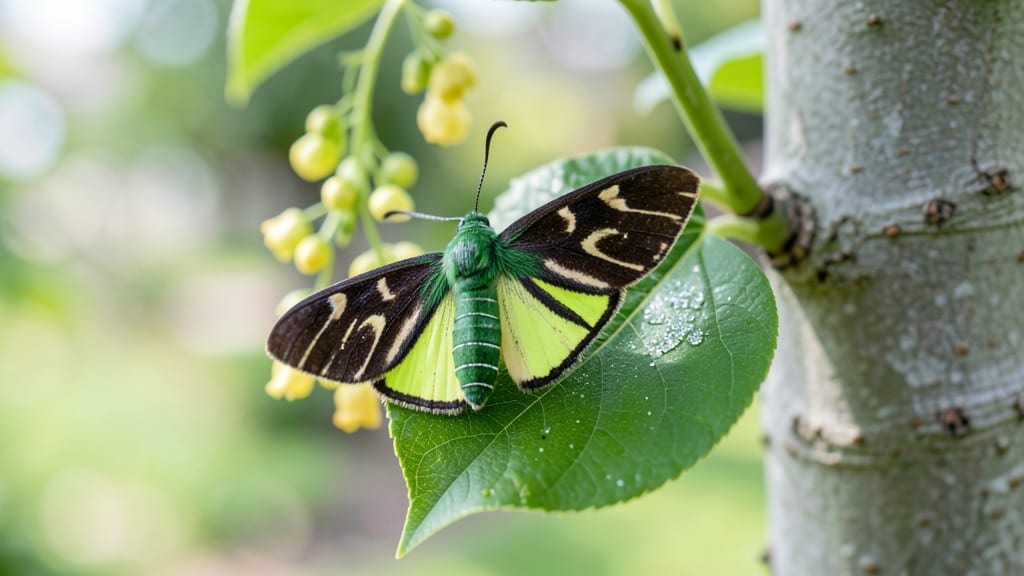
When moth caterpillars turn your tree leaves into lace, the damage feels irreversible—but it’s not. 🌿 I’ve battled gypsy moths and tent caterpillars, and the key is acting fast with the right natural tools before the infestation spirals.
The moment you spot chewed edges or silk tents, you’re already ahead of most gardeners who wait too long.
Start with simple fixes like pruning heavily infested branches and removing egg masses by hand (yes, it’s tedious but effective). For larger outbreaks, neem oil or Bacillus thuringiensis (a bacterial spray) works better than chemicals—both target caterpillars without harming bees or beneficial insects.
Even better, healthy trees resist pests, so focus on watering deeply and fertilizing with compost.
You’ll see results within days of treatment: fewer skeletonized leaves, fewer tents, and a tree that starts regrowing foliage. The best part? These methods work year after year, so you won’t need to repeat chemical sprays.
Preventive monitoring in early spring saves you from a summer battle—just check bark crevices for egg clusters.
Works for oak, maple, birch, and fruit trees alike. The secret is consistency: act at the first sign, protect tree health year-round, and let nature’s balance do the rest. Here’s how to make it happen without stressing your plants—or your patience.
📚 In This Guide
- What you need
- Instructions
- Tips and common mistakes
- Wrapping up and next steps
What you need
- ● Pyrethrin-based spray (organic insecticide): Look for pyrethrin or neem oil-based sprays (16 oz bottle). Avoid synthetic pesticides.
- ● Garden hose with spray nozzle: Adjustable nozzle for precise application (e.g., cone or fan tip).
- ● Ladder (or sturdy step stool): Extendable ladder (8–12 ft) for taller trees, or a 4–6 ft stool for smaller ones.
- ● Gloves (nitrile or rubber): Heavy-duty gloves to protect hands from oils and insects (1 pair).
- ○ Pruning shears (optional but helpful): Small, sharp shears (6-inch blades) for trimming heavily infested branches.
- ● Bucket (5-gallon) or spray tank: For mixing homemade solutions (e.g., soapy water or garlic spray).
- ○ Pest-attracting traps (optional): Pheromone traps (e.g., cedar moth traps) to monitor or reduce populations.
- ● Diatomaceous earth (food-grade): Sprinkle lightly on tree bark or soil to deter larvae (1 lb bag).
- ● Beneficial nematodes: Microscopic predators for soil-dwelling moth larvae (1–2 million per application).
- ● Reflective tape or aluminum foil: Wrap around tree trunks to disorient adult moths.
- ● Camera or phone with macro mode: Document infestations before/after treatment for progress tracking!
Step-by-Step guide for natural moth control on trees
Here's how to protect your trees without harsh chemicals—gentle but effective.
🌿 Step 1: Identify the Moth Species and Damage
First, determine which moth species is attacking your trees. Tent caterpillars leave silken webs, while gypsy moths create brown, skeletonized leaf patterns. Look for chewed leaves, frass (insect droppings), or egg masses on branches. I always inspect the undersides of leaves and bark crevices—this is where moths hide eggs.
Take photos of the damage and compare them to online guides. Knowing the species helps you target the right natural control method. For example, gypsy moths prefer oak and birch, while tent caterpillars often target fruit trees. Real talk: if you see webs, you're dealing with tent caterpillars, and they're easier to manage early.
✂️ Step 2: Prune Infested Branches Early in the Season
Prune any branches with heavy infestations or egg masses in late winter or early spring before moths emerge. Focus on removing small branches where webs or egg clusters are visible. Use clean, sharp pruners to avoid spreading pests. I always sterilize my tools with rubbing alcohol between cuts to prevent cross-contamination.
Dispose of pruned branches in sealed bags—don’t compost them. Moths can overwinter in these branches, and you don’t want them reinfesting your trees. If the infestation is severe, consider hiring a professional arborist to handle larger branches safely. Here's the thing—early pruning removes the food source before moths multiply.
💧 Step 3: Introduce Natural Predators and Beneficial Insects
Encourage birds, bats, and predatory insects like parasitic wasps and spiders, which naturally control moth populations. Install birdhouses and bat boxes near your trees to attract these helpers. I’ve seen chickadees and wrens devour entire caterpillar colonies in a single afternoon.
Apply Bacillus thuringiensis var. kurstaki (Btk), a natural bacteria that targets caterpillars but is harmless to humans and beneficial insects. Mix it according to package instructions and spray it on the foliage when caterpillars are small. Timing is critical—apply Btk before moths lay eggs, not after the caterpillars have hatched and grown.
☀️ Step 4: Use Physical Barriers and Traps
Wrap tree trunks with sticky bands or tree collars to trap crawling caterpillars as they move between branches. These bands are non-toxic and reusable—just clean them with soapy water between seasons. I’ve had great success with them on young fruit trees, where caterpillars are most active.
Set up pheromone traps to monitor moth populations. These traps mimic female moth pheromones, luring males away from females and reducing egg-laying. Place traps in early spring, about 6 feet off the ground, and check them weekly. If you see more than a few moths in the trap, it’s time to ramp up other control methods.
🌱 Step 5: Maintain Tree Health to Reduce Vulnerability
Healthy trees are less susceptible to moth infestations. Water deeply during dry spells to keep roots strong, and fertilize with compost or organic fertilizer in early spring. I always mulch around the base of the tree with 2-3 inches of organic mulch to retain moisture and improve soil health.
Thin out dense foliage to improve air circulation, which makes trees less attractive to moths. Prune to open the canopy and let sunlight reach the inner branches. A strong tree recovers faster from damage and can better withstand occasional pest pressure. Here’s the moment that matters: if your tree is already stressed, moths will target it first.
Tips & tricks for natural tree pest control
These practical strategies will help you tackle moth infestations effectively while keeping your trees thriving.
Timing is Everything: In Step 2, when pruning infested branches, aim for late winter or early spring—this is when moths are still dormant. I've seen infestations spread rapidly when pruning happens too late, so mark your calendar for February to March. The key is removing egg masses before they hatch, which typically occurs in late spring. If you miss this window, you'll need to repeat the process next year.
Visual Identification Tricks: When checking for damage in Step 1, focus on the undersides of leaves and bark crevices—this is where moths hide their eggs. Use a flashlight on cloudy days to spot tiny egg masses that might blend into the bark. I always bring a magnifying glass to inspect suspicious spots closely; this helps me catch infestations before they become unmanageable. Remember, early detection is your best defense.
Btk Application Strategy: For Step 3, when applying Bacillus thuringiensis, focus on the undersides of leaves where caterpillars feed. I recommend applying it in the early morning when dew is present—this helps the bacteria adhere better to the foliage. Reapply every 7-10 days or after heavy rain, as Btk washes off easily. The critical window is before caterpillars reach their third instar stage, when they become less susceptible to the bacteria.
Tree Health Maintenance: In Step 5, when maintaining tree health, pay special attention to watering during drought periods. Deep watering once a week is better than frequent shallow watering—this encourages strong root development. I've noticed that trees with well-established root systems recover faster from moth damage. Also, avoid over-fertilizing, as this can attract more pests. A balanced approach keeps your trees resilient without becoming pest magnets.
Pro Tips for Moths On Trees
- These practical strategies will help you tackle moth infestations effectively while keeping your trees thriving.
- Timing is Everything: In Step 2, when pruning infested branches, aim for late winter or early spring—this is when moths are still dormant.
- Visual Identification Tricks: When checking for damage in Step 1, focus on the undersides of leaves and bark crevices—this is where moths hide their eggs.
Frequently asked questions
Got questions about moths on trees and how to handle them naturally?
You’re not alone! Here are some of the most common concerns—and practical answers—to help you take action without chemicals.
Why are moths suddenly appearing on my trees?
Moths flock to trees for food, shelter, or to lay eggs. Tent caterpillars (a common moth larvae) often target fruit, oak, or birch trees, while adult moths may be drawn to lights or decaying wood. Overwatering or stressed trees can also attract pests. Check for silk webbing or chewed leaves—key signs of an infestation.
When is the best time to address moths on trees?
Act early spring (before eggs hatch) or late summer (when larvae are active but adults haven’t emerged yet). Avoid treating in winter, as many moths are dormant. If you spot new webbing or defoliation, act within 1–2 weeks to prevent spread.
Are there natural alternatives to pesticides for moth control?
Try these eco-friendly methods:
- Neem oil: Spray on leaves to disrupt larvae development.
- Bacillus thuringiensis (Bt): A microbial pesticide safe for pets and wildlife.
- Pruning: Remove heavily infested branches (sterilize tools with rubbing alcohol to prevent spreading).
- Beneficial insects: Ladybugs and parasitic wasps prey on moth eggs/larvae.
Will moths harm my tree long-term?
Most moths (like tent caterpillars) cause cosmetic damage—they eat leaves but rarely kill healthy trees. However, severe infestations can stress trees, making them vulnerable to disease. Monitor for wilting, dieback, or oozing sap, which signal deeper issues. Young or weak trees need prompt intervention.
What if moths keep coming back after treatment?
Persistent moths may mean new eggs or adjacent trees acting as a reservoir. Try:
- Reapply neem oil or Bt every 2–3 weeks during active seasons.
- Inspect nearby trees/shrubs for infestations.
- Improve tree health with balanced watering and mulch to boost natural defenses.
Wrapping up and next steps
Moths on trees can be a nuisance, but with the right natural methods—like neem oil sprays, pheromone traps, and habitat adjustments—you can protect your trees without harmful chemicals. 🌿 The key is consistency and patience, as nature’s solutions work best over time.
Whether you’re a gardening novice or a seasoned pro, these eco-friendly techniques keep your trees thriving and your local ecosystem safe.
Ready to take action? Start small—try one method this season, observe the results, and expand your approach. Your trees (and the wildlife around them) will thank you! 🌳✨