
Pruning
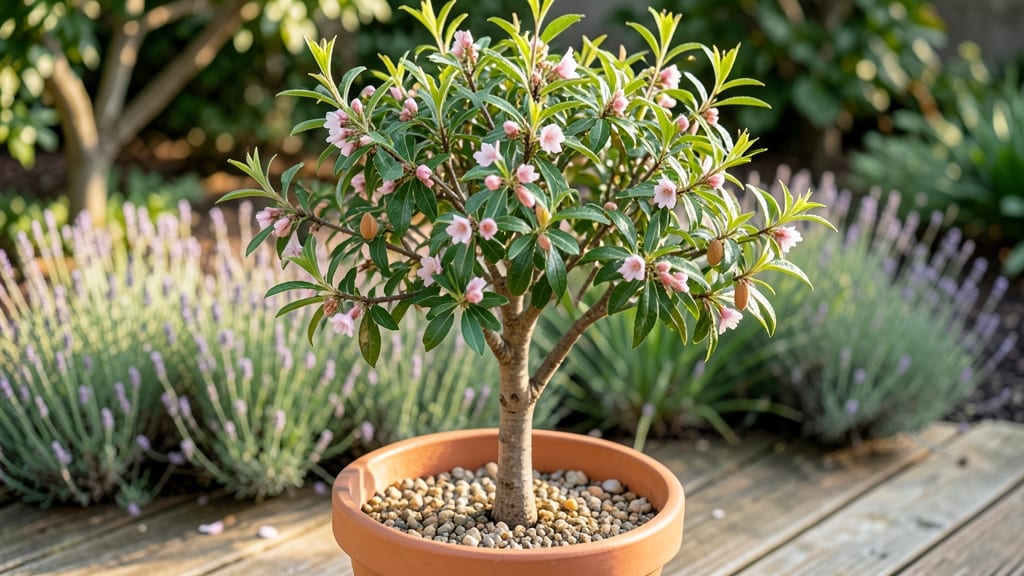
Growing a miniature almond tree in your backyard or even a sunny patio is easier than you think—these cold-hardy varieties thrive where full-sized trees would fail.
I learned this the hard way when my first attempt in a 5-gallon pot nearly died from winter neglect, until I adjusted the soil mix and winter care. The key is choosing the right variety (like 'Texas' or 'Nonpareil') and matching it to your climate zone.
These tiny powerhouses need full sun, well-draining soil, and regular pruning to keep their shape—think of them like bonsai trees with a sweeter reward. In containers, they’ll need repotting every 2-3 years and winter protection (like a frost blanket) if you live in Zone 6 or colder.
The payoff? Fresh almonds in 3-5 years instead of waiting a decade for a full-sized tree.
You’ll love watching the delicate pink blossoms in spring and harvesting those tiny, crunchy nuts by late summer. The real magic happens when you see neighbors asking, "How’d you fit that in a pot?"—proof that small spaces can grow big rewards. Let’s get yours thriving.
Whether you’re growing in the ground or containers, these trees adapt surprisingly well. Just remember: overwatering kills them faster than cold, and patience is key—your first harvest won’t come until year 3 or 4. Worth the wait, though!
📚 In This Guide
- What you need
- Instructions
- Tips and common mistakes
- Wrapping up and next steps
What you need
- ● Miniature almond tree sapling: Choose a cold-hardy variety like ‘Texas’ or ‘Desert King’ (5–6 ft at maturity).
- ● Well-draining potting mix: 5–10 gallons (for containers) or amended garden soil (for in-ground planting). Mix in perlite or sand for aeration.
- ○ Container (optional but recommended): 15–20 gallon pot with drainage holes (for dwarf varieties).
- ● Fabric grow bag (alternative for root health).
- ● Pruning tools: Bypass pruners (sharp, sterilized after each cut).
- ● Loppers (for thicker branches, if needed).
- ● Pruning saw (for stubborn wood).
- ○ Rooting hormone (optional): For propagating cuttings from an existing tree.
- ● Mulch: 2–3 inches of organic mulch (straw or wood chips) to retain moisture.
- ● Location: Full sun (6+ hours daily) and protection from strong winds.
- ● Climate: USDA Zones 5–9 (ensure your variety matches your hardiness zone).
- ● Watering setup: Drip irrigation or a watering can with a long spout.
- ● Patience: Almond trees are slow growers—budget 2–3 years for noticeable growth!
- ● Slow-release fertilizer (balanced 10-10-10 or almond-specific formula).
- ● Tree collar spray (for pest prevention).
- ● Grafting tools (if you’re ambitious and want to experiment!).
Step-by-step guide to cultivating cold-hardy miniature almond trees
Here’s how to successfully grow these compact, productive trees in limited spaces.
Select the Right Miniature Variety and Site
Choose a cold-hardy cultivar like ‘Texas’ or ‘Nonpareil’—these tolerate down to 15°F without special protection. Miniature almonds thrive in USDA Zones 6-9, so verify your zone before planting. The tree’s mature height (typically 6-8 feet) makes it ideal for small yards, patios, or large containers.
Site selection is critical: plant in full sun (at least 6-8 hours daily) with well-draining soil. Avoid low spots where cold air pools—even hardy varieties suffer from late frosts. Test soil pH (aim for 6.0-7.5), and amend with compost if needed. I always dig a 12-inch deep hole twice as wide as the root ball to encourage deep root growth.
Prepare Soil and Plant at the Correct Time
Mix 3 gallons of compost into the planting hole to enrich the native soil. Avoid garden soil—it compacts easily and restricts root expansion. For containers, use a well-draining potting mix with perlite or sand (50/50 ratio). Add a handful of osmocote fertilizer (14-14-14) to the bottom of the hole for slow-release nutrients.
Plant in early spring (after last frost) or late fall (6-8 weeks before first frost). Dig the hole, place the tree so the graft union sits 2 inches above soil level, then backfill with native soil. Water deeply to eliminate air pockets, and mulch with 2 inches of wood chips to retain moisture and regulate soil temperature. The first year’s growth will be slow—be patient.
Water and Fertilize for Optimal Growth
Water deeply once a week during the first growing season, ensuring moisture reaches 12 inches down. Overwatering causes root rot, so check soil moisture by sticking your finger 2 inches deep—water only when dry. Drip irrigation is ideal; avoid overhead watering, which spreads fungal spores. In containers, water when the top 1 inch of soil feels dry.
Fertilize annually in early spring with 1/2 cup of 10-10-10 granular fertilizer spread over the root zone. Miniature almonds are light feeders—too much nitrogen promotes leafy growth at the expense of fruit. Prune in late winter to remove dead wood and shape the tree, but avoid heavy pruning, which stresses small specimens. Watch for new growth flushes in spring; these signal successful root establishment.
Protect from Frost and Encourage Flowering
Even cold-hardy varieties need protection during late spring frosts (below 28°F). Cover the tree with a frost blanket or wrap the trunk with burlap to insulate it. Almond trees require chilling hours (300-500 hours below 45°F) to flower, so plant in a location with winter exposure. If you’re in a mild climate, consider a dormant period spray to simulate cold stress.
Cross-pollination is essential for fruit production—plant at least two compatible varieties (like ‘Texas’ and ‘Nonpareil’) within 50 feet of each other. You’ll see pink blossoms in early spring—these are your first sign of success. Thin fruit in late spring to 6-8 inches apart to improve size and quality. Harvest when nuts rattle inside the shells (typically late summer to early fall).
Overwinter and Maintain Long-Term Health
In Zone 6, wrap the trunk with tree wrap and mulch heavily (up to 4 inches) to protect roots. Prune lightly in late winter to remove any frost-damaged branches. Monitor for peach leaf curl or aphids—spray with neem oil at the first sign of trouble. Miniature almonds are low-maintenance but benefit from annual soil tests to adjust pH or nutrients as needed.
With proper care, your tree will bear fruit in 3-5 years. The nuts are smaller than standard varieties but perfect for snacking or baking. Here’s the thing—miniature almonds reward patience. Skip the urge to over-fertilize or prune heavily; let the tree grow at its own pace. You’ll see steady progress in leaf color, branch density, and—eventually—those coveted blossoms.
Tips & tricks for perfect miniature almond tree cultivation
Here's what I've learned after years of growing these compact fruit trees—these details make all the difference between a struggling plant and a thriving one.
Variety Selection: When choosing between 'Texas' and 'Nonpareil', consider your specific climate needs. 'Texas' is slightly more cold-hardy, tolerating down to 15°F without protection, while 'Nonpareil' offers slightly larger nuts. For best results, pair them together—they're compatible pollinators, ensuring fruit production. I've found that nursery-grown trees (rather than bare-root) establish faster in containers, which is perfect for small-space growers.
Site Preparation: The 12-inch deep hole you dig isn't just about root space—it's about creating a soil environment that mimics the tree's natural habitat. Break up any compacted soil layers you encounter while digging, and avoid adding garden soil which can introduce pathogens. For containers, use a mix of well-draining potting soil with perlite (50/50 ratio) to prevent root rot. I always add a layer of gravel at the bottom of containers to ensure proper drainage.
Watering Strategy: The once-a-week deep watering recommendation is crucial, but timing matters just as much. Water in the early morning to allow foliage to dry before evening, reducing fungal risks. For containers, check the top inch of soil—if it's dry, it's time to water. I've noticed that miniature almonds actually prefer slightly drier conditions than their full-sized counterparts, so resist the urge to water more frequently, especially in humid climates.
Frost Protection: When temperatures drop below 28°F, your cold-hardy varieties still need protection. I've found that wrapping the trunk with burlap and covering the entire tree with a frost blanket works better than row covers alone—it traps more heat. For late spring frosts, focus on protecting the blossoms rather than the entire tree. A simple trick is to drape a lightweight sheet over the branches when frost is forecasted, securing it with bricks or stakes.
Pro Tips for Miniature Almond Tree
- Here's what I've learned after years of growing these compact fruit trees—these details make all the difference between a struggling plant and a thriving one.
- Variety Selection: When choosing between 'Texas' and 'Nonpareil', consider your specific climate needs.
- Site Preparation: The 12-inch deep hole you dig isn't just about root space—it's about creating a soil environment that mimics the tree's natural habitat.
Frequently asked questions
Got questions about growing your own miniature almond tree? You’re not alone! Here are answers to the most common queries—from pruning to harvest timing—so you can dive in with confidence.
How cold-hardy are miniature almond trees?
Most miniature almond varieties thrive in USDA Zones 7-10. Look for cold-hardy types like ‘Texas’ or ‘Mission’, which can tolerate brief dips to 15°F (-9°C). For colder climates, grow in containers and move them indoors during winter. Always check the specific variety’s label for exact hardiness!
How long does it take for a miniature almond tree to bear fruit?
Patience is key! Most dwarf almond trees take 3-5 years to produce their first harvest. Factors like sunlight, soil quality, and proper pruning speed this up. Pro tip: Plant in well-draining soil and fertilize with nitrogen early on to encourage growth. Bonus: Some varieties may flower earlier but may not yield nuts until they’re fully established.
When and how should I prune a miniature almond tree?
Prune in late winter or early spring (before buds swell) to shape the tree and remove dead wood. Use clean, sharp pruners to cut at a 45° angle just above a bud. Avoid heavy pruning—stick to 20-30% of the canopy per year. Warning: Almond trees bloom early, so prune after flowering to protect blossoms!
Can I grow a miniature almond tree in a pot?
Containers are perfect for small spaces. Use a 15-20 gallon pot with drainage holes and well-draining soil (like a cactus/succulent mix). Ensure the pot gets 6+ hours of sunlight daily and move it indoors if temperatures drop below 20°F (-6°C). Just remember: Potted trees may need more frequent watering and fertilizing.
Do miniature almond trees need cross-pollination?
Yes! Most almond varieties require two different trees for successful pollination (and thus fruit production). Plant a second compatible variety within 50 feet for bees to do their magic. Check your tree’s label for recommended pollinators—some, like ‘Nonpareil’, pair well with ‘Butte’ or ‘Carmel’.
Why aren’t my almond tree’s leaves turning green?
Yellow or pale leaves often signal nutrient deficiencies (like nitrogen or magnesium) or overwatering. Test your soil and amend with compost or a balanced fertilizer. If leaves curl or drop, it could be pests (aphids, spider mites) or fungal issues. Isolate the tree, prune affected branches, and treat with neem oil if needed.
Wrapping up and next steps
Growing a miniature almond tree is a rewarding way to enjoy fresh nuts in small spaces—even in colder climates! With the right cold-hardy varieties and proper pruning techniques, you’ll foster a thriving, manageable tree that yields delicious harvests year after year.
Whether you’re a beginner or a seasoned gardener, this guide gives you the tools to succeed.
Ready to take the next step? Start by selecting your variety—like ‘Texas’ or ‘Nonpareil’—and sketch a simple pruning plan for your space. Then, roll up your sleeves and give your miniature almond tree the care it deserves! 🌱✨