
Pruning
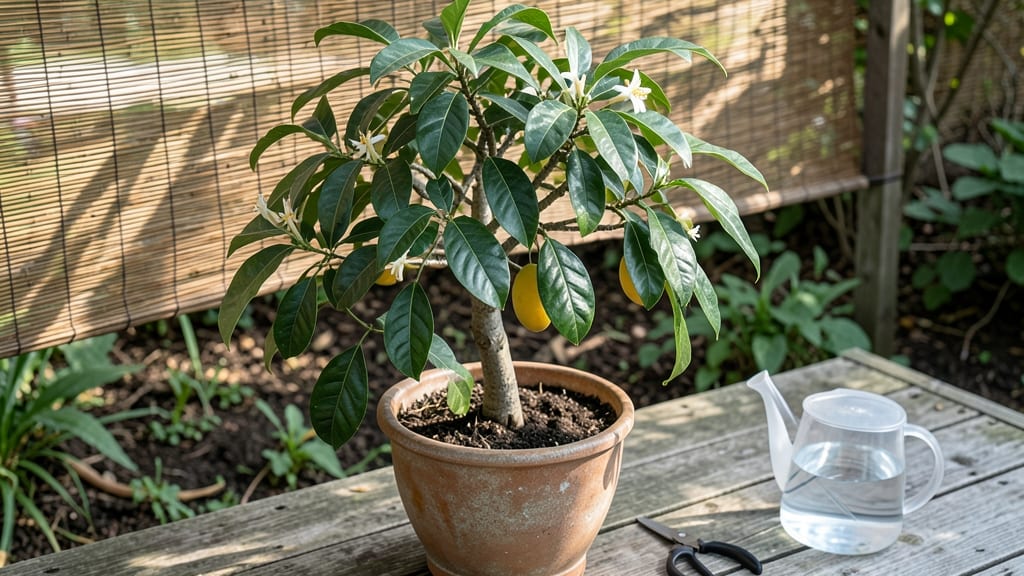
Growing a mini mango tree in containers finally lets you enjoy tropical fruit without a backyard—or a trip to the grocery store. 🌱 I planted mine last spring, and the sweet, juicy mangoes this summer proved it’s worth the patience.
These dwarf varieties stay small enough for patios but produce real fruit, just like their jungle cousins.
The secret to success starts with the right variety—look for ‘Little Gem’ or ‘Cogshall,’ both bred for containers. You’ll need a 15-20 gallon pot with drainage, well-draining soil, and a sunny spot (at least 6-8 hours of light daily).
In cooler climates, bring it indoors when temperatures drop below 50°F—my tree thrives on my sunroom’s south-facing windowsill in winter.
By summer, you’ll be harvesting small but flavorful mangoes—some varieties even fruit in their first year. The tree stays compact (under 8 feet tall), making it perfect for balconies, small yards, or even large indoor spaces.
Prune lightly after harvest to encourage bushier growth, and watch as neighbors ask where you got your "magic tree."
Even beginners can pull this off—just remember: consistent watering (but never soggy soil) and monthly feeding with citrus fertilizer are the keys. Pests are rare, and the payoff? Fresh mangoes year after year, no tropical vacation required. Let’s get yours growing!
📚 In This Guide
- What you need
- Instructions
- Tips and common mistakes
- Wrapping up and next steps
What you need
- ● Dwarf Mango Tree Sapling: 1 certified disease-free dwarf variety (e.g., 'Cogshall,' 'Ice Cream,' or 'Julie').
- ● Age: 1–3 years old (younger trees adapt better to containers).
- ● Container: 1 5–15 gallon pot with drainage holes (bigger = better for long-term growth).
- ● Material: Terracotta (breathable) or plastic (retains moisture).
- ● Potting Mix: 1 bag well-draining cactus/succulent mix (or add 20% perlite/pumice to regular potting soil).
- ● Pruning Tools: 1 pair sterilized pruning shears (bypass or anvil style, sharp and clean).
- ○ 1 small hand saw (for thicker branches, optional for beginners).
- ● 1 rubbing alcohol (70%+) or bleach solution (1 part bleach to 9 parts water) for sterilizing tools.
- ● Support: 1 bamboo stake or tomato cage (for young trees to prevent toppling).
- ● Fertilizer: 1 balanced liquid fertilizer (e.g., 10-10-10 or citrus-specific formula).
- ● 1 slow-release granular fertilizer (for convenience).
- ● Mulch: Organic mulch (e.g., shredded bark) to retain moisture.
- ● Grow Lights: LED grow bulb (if indoors with <10+ hours of sunlight/day).
- ● Spray Bottle: For misting leaves (especially in dry climates).
- ● Gloves: Garden gloves (to protect from thorns and sap).
Step-by-Step guide to growing a dwarf mango tree in containers
Here's how to cultivate a compact, fruiting mango tree that thrives in pots.
🌱 Step 1: Select and Prepare the Right Container
Choose a 5-gallon or larger container with drainage holes—mango roots need room to breathe but also hold moisture. I prefer glazed ceramic pots because they retain heat better than plastic, which mimics tropical conditions. The container must be at least 18 inches deep to accommodate the root system while keeping the tree dwarf-sized.
Line the bottom with 3-4 inches of gravel or expanded clay pebbles for drainage. This prevents root rot, which is the #1 killer of container-grown tropical trees. The gravel layer also insulates roots from temperature swings between day and night. Fill the remaining space with well-draining cactus/succulent mix—regular potting soil compacts too easily and suffocates roots.
🌿 Step 2: Plant the Dwarf Mango Sapling Correctly
Gently remove the sapling from its nursery pot and loosen the root ball with your fingers. If roots are circling tightly, make 2-3 small vertical cuts to encourage outward growth. Place the tree in the center of the container so the graft union (the bump where the dwarfing rootstock meets the scion) sits 1-2 inches above the soil line. This prevents the union from being buried, which can cause the tree to revert to its full-size growth habit.
Backfill with the cactus mix, pressing lightly around the roots to eliminate air pockets. Water immediately until it drains freely from the bottom holes. The soil should feel evenly moist but not soggy—mango roots rot quickly in waterlogged conditions. After planting, place the container in a bright, indirect light spot for 7-10 days to reduce transplant shock.
☀️ Step 3: Provide Year-Round Tropical Conditions
Dwarf mango trees need full sun (6+ hours daily) but must be acclimated gradually to avoid leaf scorch. Start with morning sun only, then extend exposure over 2 weeks. In hot climates, provide afternoon shade during peak summer months—leaves will yellow and crisp if temperatures exceed 95°F. A 50% shade cloth works perfectly for afternoon protection.
Maintain consistent warmth—dwarf mangoes thrive at 70-85°F year-round. If nights dip below 55°F, move the tree indoors near a south-facing window or under grow lights. Use a small space heater (set to 65°F) if your home runs cooler. The key is no temperature swings—mango trees hate sudden cold snaps, which can cause bud drop and fruit abortion.
💧 Step 4: Water and Fertilize for Fruit Production
Water when the top 2 inches of soil feel dry—stick your finger in the soil to check. Mango trees are drought-tolerant once established, but container-grown trees dry out faster. Water deeply until it drains through the bottom, then empty the saucer to prevent root rot. Overwatering is the fastest way to kill a dwarf mango—yellow leaves on lower branches are the first sign of overwatering.
Fertilize every 4-6 weeks with a balanced citrus/mango fertilizer (look for one with higher nitrogen in spring, higher potassium in summer). I use ½ strength to avoid burning roots. Start fertilizing 4-6 weeks after planting and continue until late summer. Stop fertilizing in fall and winter—the tree enters a natural dormant period, and excess nutrients cause weak growth.
✂️ Step 5: Prune and Train for Compact Growth
Prune once in late winter (before new growth starts) to shape the tree and encourage branching. Remove dead, crossing, or inward-growing branches first—these compete for energy and block light. Cut back overly long branches by ⅓ to promote bushier growth. The goal is a rounded canopy with multiple scaffold branches (main structural limbs) emerging from the trunk.
Pinch back new growth tips in spring and summer to prevent the tree from growing too tall. Dwarf mangoes can still outgrow containers if left unchecked. You’ll know you’re pruning correctly when the tree develops smaller, more frequent leaves and multiple fruiting branches instead of one long central leader. Avoid heavy pruning in fall or winter—this stresses the tree when it’s already dormant.
Tips & tricks for perfect mini mango tree cultivation
Here's what I've learned after nurturing these compact tropical wonders for years—these details make all the difference.
Container Selection Insight: The 5-gallon minimum container size is non-negotiable for dwarf mangoes. I've seen growers use smaller pots thinking they'd "limit growth," but this actually stresses the roots and leads to stunted fruit production. The 18-inch depth requirement isn't just about roots—it creates space for proper air circulation around the graft union, which is critical for maintaining that dwarf characteristic. If you're concerned about space, consider using a slightly larger container (like 7 gallons) to give your tree extra room to develop strong structural branches.
Root Health Strategy: That 3-4 inch gravel layer in Step 1 isn't just for drainage—it's creating a thermal buffer. Mango roots are particularly sensitive to temperature fluctuations, and this layer helps maintain consistent warmth at the root zone. I've found that using hydroton clay pebbles instead of regular gravel works even better because they're lighter and have more surface area for oxygen exchange. Just make sure to rinse them thoroughly before use to remove any dust that could compact the soil.
Light Acclimation Technique: The gradual 2-week sun acclimation in Step 3 is where most beginners fail. I've seen trees go from vibrant green to crispy brown in just one afternoon when moved too quickly. Start with just 2-3 hours of morning sun, then add 30 minutes each day. Watch for the leaves—if they look slightly wilted but perk up when moved to shade, you're on track. In particularly hot climates, I recommend starting with just 1 hour of morning sun and extending more slowly to avoid shock.
Temperature Management: Maintaining that 70-85°F range year-round is easier said than done, but here's my secret: use a digital thermometer/hygrometer placed near the tree to monitor conditions constantly. When nights dip below 55°F, move the tree to a sunroom or greenhouse if possible—even a well-insulated garage with a space heater set to 65°F works better than a cold indoor space. The key is avoiding temperature swings of more than 10°F between day and night, which can cause the tree to drop flowers and fruit.
Pro Tips for Mini Mango Tree
- Here's what I've learned after nurturing these compact tropical wonders for years—these details make all the difference.
- Container Selection Insight: The 5-gallon minimum container size is non-negotiable for dwarf mangoes.
- Root Health Strategy: That 3-4 inch gravel layer in Step 1 isn't just for drainage—it's creating a thermal buffer.
Frequently asked questions
Got questions about growing your own mini mango tree? Here are some of the most common ones—plus straightforward answers to help you succeed!
Can a mini mango tree really grow indoors?
A dwarf mango tree can thrive indoors with the right conditions! Choose a sunny spot near a south-facing window (or use grow lights for 6–8 hours daily). Ensure good airflow, moderate humidity, and a well-draining pot. While indoor trees may produce smaller fruit, they can still yield delicious mangoes with patience and care.
How long does it take for a mini mango tree to bear fruit?
Patience is key! Most dwarf mango trees take 3–5 years to bear fruit after planting, depending on variety and growing conditions. Young trees focus on root and leaf growth first. Provide consistent care—like proper sunlight, watering, and fertilization—and you’ll be rewarded with sweet mangoes sooner than you think!
What’s the best temperature range for a mini mango tree?
Mini mango trees love warmth but can’t handle frost. Keep them in temperatures between 65–90°F (18–32°C). If you’re in a cooler climate, grow them in containers and bring them indoors during winter. Avoid sudden temperature drops, as they can stress the tree and reduce fruit production.
Can I eat the fruit from a container-grown mini mango tree?
While container-grown mangoes may be smaller than their outdoor counterparts, they’re just as tasty and nutritious. Harvest when the fruit is slightly soft to the touch and has a sweet aroma. Enjoy fresh, in smoothies, or even dried—just like store-bought mangoes! (Just ensure no pesticides were used if growing organically.)
Why isn’t my mini mango tree flowering or fruiting?
Several factors could be at play: lack of sunlight, inconsistent watering, nutrient deficiencies, or young age. Check for yellowing leaves (overwatering?) or brown edges (underwatering?). Mango trees also need a winter rest period (cooler temps, less water) to trigger flowering. If issues persist, test soil pH (ideal: 5.5–7.0) or adjust fertilizer.
Wrapping up and next steps
Growing a mini mango tree in a container isn’t just possible—it’s a rewarding journey that brings tropical vibes and sweet rewards right to your doorstep! 🌱 With the right dwarf variety, pruning know-how, and a little patience, you’ll enjoy luscious fruit year after year.
Whether you’re a seasoned gardener or just starting out, this container-friendly plant makes fruit-growing accessible and exciting.
Ready to take the next step? Start small—choose your dwarf variety, gather your supplies, and give your mini mango tree the love it deserves. Before you know it, you’ll be savoring homegrown mangoes straight from your balcony or patio! 🍈✨