
Pruning
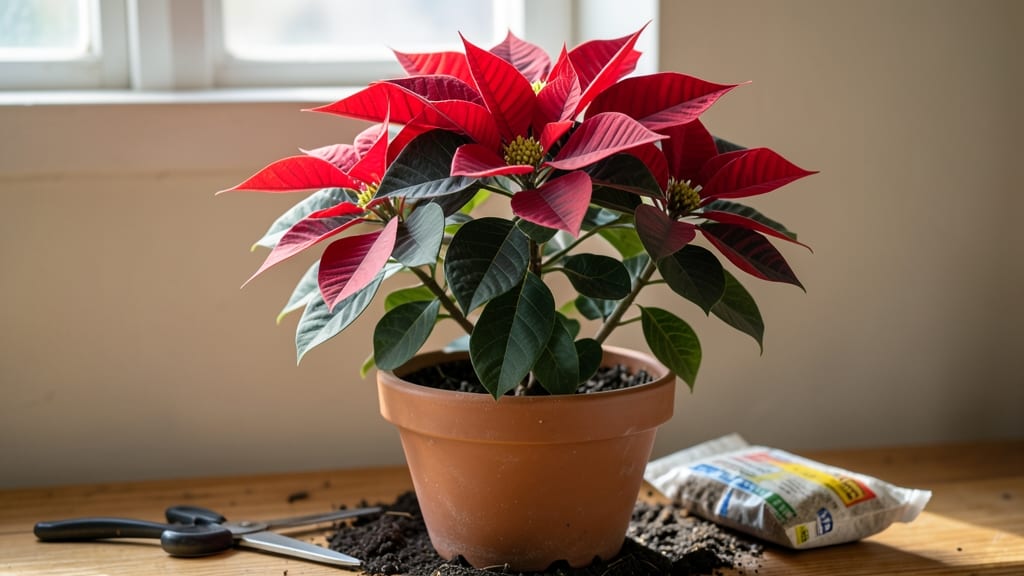
Growing a Mexican poinsettia tree (Euphorbia cyathophora) means bringing bold red blooms indoors that outlast traditional poinsettias by months—no holiday deadline required.
I first spotted this plant in a sunny patio garden where it thrived through winter, its clusters of bright red cyathia standing out against dark green foliage.
Unlike its Christmas-season cousin, this variety grows as a small tree or shrub, with milky sap instead of toxic sap, and blooms that respond to daylight rather than temperature cues.
The secret to keeping it lush lies in bright, indirect light—think east or west-facing windows or a grow light for 6+ hours daily—and well-draining soil that mimics its native rocky slopes. Water only when the top inch feels dry, and avoid soggy pots, which cause root rot.
Prune leggy stems back in spring to encourage bushier growth, and fertilize lightly every 4-6 weeks during active growth. Most gardeners overwater or underlight it, leading to those sad, stretched stems.
By summer’s end, you’ll have a compact, vibrant plant covered in clusters of bright red blooms that last until frost. The foliage stays glossy and the growth habit stays tidy with regular pruning, making it perfect for small spaces where traditional poinsettias flop.
Unlike its showy relative, this one doesn’t drop leaves after the holidays—just keeps blooming if you maintain the care routine.
Works equally well in containers or in-ground in warm climates (Zones 9-11), though most growers keep it potted for easy winter indoor moves. Here’s how to keep it thriving year-round without the guesswork of holiday plants.
📚 In This Guide
- What you need
- Instructions
- Tips and common mistakes
- Wrapping up and next steps
What you need
- ● Mexican Poinsettia Cuttings or Seedlings: 3–5 healthy cuttings (4–6 inches long) or 1–2 young plants from a nursery.
- ● Pro tip: 💡 Choose cuttings with at least 2–3 leaf nodes for best rooting success.
- ● Well-Draining Potting Mix: 1 bag (5–10 gallons) of cactus/succulent mix or a blend of 50% potting soil + 50% perlite/pumice.
- ● Containers: Small pots (4–6 inches in diameter) for rooting cuttings, or a 15–20 gallon container for mature trees.
- ○ Optional: 🌡️ Add a saucer to prevent waterlogging.
- ○ Rooting Hormone (Optional but Helpful): 1 small bottle of powder or gel-based rooting hormone.
- ● Pruning Shears: 1 pair of sterilized, sharp pruners (for shaping and propagation).
- ● Watering Can or Spray Bottle: For gentle hydration—avoid overwatering!
- ● Slow-release fertilizer (balanced 10-10-10 or succulent-specific).
- ● Grow lights (if indoors with <12 hours of sunlight/day).
- ● Mulch (gravel or decorative stones to retain moisture and deter pests).
- ● Support stake (for taller varieties to prevent toppling).
Step-by-step guide to growing a thriving Mexican poinsettia tree
Here’s how to coax vibrant red blooms from your Mexican poinsettia year after year.
🌱 Step 1: Choose the Right Location and Light
Mexican poinsettias thrive in bright, indirect light—think east or west windows where they get morning sun and afternoon shade. Direct midday sun scorches leaves, while too little light causes leggy growth and weak stems. If your space is dim, supplement with a grow light kept 12-18 inches away for 12-14 hours daily.
Watch for leaves turning pale or stretching toward the light—this means it’s time to adjust. Rotate the pot quarter-turn weekly so the plant grows evenly. In winter, when days shorten, extend light exposure to maintain bloom quality.
☀️ Step 2: Maintain Ideal Temperature and Humidity
Keep your Mexican poinsettia in 65-75°F during the day and no lower than 60°F at night. Drafts and cold windowsills stress the plant, causing buds to drop. If your home dips below 55°F, move it away from exterior walls or use a small space heater nearby—just avoid direct heat sources.
Humidity is key for lush foliage. Aim for 40-50% humidity by misting leaves 2-3 times weekly or placing the pot on a tray filled with pebbles and water. Brown leaf edges signal dry air—respond quickly to prevent permanent damage.
💧 Step 3: Water Wisely to Avoid Root Stress
Water when the top 1-2 inches of soil feel dry—stick your finger in to check. Overwatering suffocates roots, while underwatering causes buds to abort. Use room-temperature water to avoid shocking the plant, and water at the base, not overhead, to prevent fungal spots.
Empty the saucer 30 minutes after watering to prevent soggy soil. In winter, reduce watering slightly since cooler air slows evaporation. Yellowing leaves often mean overwatering—let the soil dry out more between drinks.
✂️ Step 4: Prune and Shape for Fullness
After blooming, trim back one-third of the plant’s height to encourage bushier growth. Use clean, sharp pruners to cut just above a leaf node. Avoid heavy pruning in fall—this disrupts the plant’s natural bloom cycle.
Pinch back new growth tips every 6-8 weeks during spring and summer to promote branching. Skip this in late summer, as it can delay fall blooms. Shape the tree gradually—never remove more than 20% of the foliage at once.
🌿 Step 5: Encourage Blooms with Strategic Care
To trigger winter blooms, reduce daylight to 10 hours daily for 6-8 weeks starting in early fall. Drape a blackout cloth over the plant from 5 PM to 8 AM—consistency is critical. Skip this step, and you’ll miss the vibrant red flowers.
Fertilize lightly every 4-6 weeks in spring and summer with a balanced 10-10-10 formula, halving the recommended dose. Stop fertilizing in fall to let the plant focus on blooming. Over-fertilizing leads to leafy growth at the expense of flowers.
Tips & tricks for perfect Mexican poinsettia trees
Real talk: These little details make all the difference between a poinsettia that fades after Christmas and one that thrives year-round.
Lighting Strategy: The 12-14 hours of daily light isn't just about quantity—it's about quality. Position your grow light so it covers the entire plant evenly. I notice the biggest difference when I angle the light slightly downward to mimic natural sunlight patterns. This prevents the top leaves from burning while still providing enough light for the lower branches to photosynthesize.
Temperature Watch: Those 65-75°F daytime temperatures are non-negotiable for bud formation. I learned this the hard way after my poinsettia dropped buds when my thermostat dipped below 60°F at night. Place your plant near an interior wall rather than a drafty window, and consider a small space heater with a thermostat if your home struggles to maintain consistent warmth during winter.
Pruning Precision: When you trim back one-third of the plant's height after blooming, focus on cutting just above leaf nodes where new growth will emerge. I use clean pruning shears and make cuts at a 45-degree angle to prevent water from pooling on the stem. This simple technique reduces the risk of fungal infections while encouraging fuller regrowth.
Bloom Trigger Timing: The 6-8 week blackout period starting in early fall is your secret weapon for vibrant red blooms. Mark your calendar 6 weeks before your target bloom date and maintain that 10-hour light exposure religiously. I set a reminder on my phone for 5 PM each evening to ensure I don't forget to cover the plant—consistency is everything during this critical period.
Pro Tips for Mexican Poinsettia Tree
- Real talk: These little details make all the difference between a poinsettia that fades after Christmas and one that thrives year-round.
- Lighting Strategy: The 12-14 hours of daily light isn't just about quantity—it's about quality.
- Temperature Watch: Those 65-75°F daytime temperatures are non-negotiable for bud formation.
Frequently asked questions
Got questions about keeping your Mexican poinsettia tree thriving? Here are answers to the most common ones—so you can enjoy those vibrant blooms all winter long!
Is the Mexican poinsettia different from the traditional poinsettia?
The Mexican poinsettia (Euphorbia pulcherrima) is actually the original poinsettia! Unlike its hybrid cousins, it thrives in warmer climates, blooms year-round in ideal conditions, and often sports bold red, pink, or even white bracts. Traditional poinsettias (like Euphorbia hybrids) are bred for seasonal displays and may not last as long.
How long does it take for a Mexican poinsettia to bloom?
With proper care, your Mexican poinsettia can bloom year-round! However, new growth and flowers typically appear within 6–12 weeks after pruning or stress (like a slight temperature drop). For the fastest results, prune in early spring and keep it in bright, indirect light.
Why are my poinsettia leaves turning yellow or dropping?
Yellowing leaves or leaf drop usually mean overwatering or poor drainage. Let the top inch of soil dry out between waterings, and ensure the pot has drainage holes. Underwatering can also cause stress—stick your finger in the soil to check! Brown edges? That’s often dry air or fluoride in tap water (use filtered or rainwater instead).
Can I grow a Mexican poinsettia indoors year-round?
These plants are perfect for indoor growing if you mimic their natural tropical environment. Keep them in bright, indirect light (like near an east-facing window) and maintain temps between 60–75°F. Avoid cold drafts or sudden temperature swings, which can shock the plant and drop buds.
How do I prune my Mexican poinsettia for bushier growth?
Prune in early spring to encourage fuller growth. Cut back leggy stems by ⅓ just above a leaf node, and pinch back new growth tips to promote branching. Never prune after flowering—wait until the blooms fade. For a tree-like shape, prune the center stem shorter than the outer branches.
Are Mexican poinsettias toxic to pets?
Yes, they’re mildly toxic to cats and dogs if ingested. The sap can cause oral irritation, vomiting, or diarrhea. Keep them out of reach, and wash your hands after handling. If your pet nibbles on it, contact your vet or the ASPCA Poison Control.
Wrapping up and next steps
Growing a Mexican poinsettia tree is a rewarding way to bring vibrant red blooms into your home—even when winter arrives! 🌿 With the right care, pruning, and attention to light and soil, you’ll enjoy its striking foliage for years. Now’s the perfect time to start!
Ready to transform your space? Start with a healthy plant, follow the pruning tips, and watch your Mexican poinsettia thrive. Grab your shears, and let’s get growing—your winter wonderland awaits! 🌸
- 📌 Next step: Pick your favorite variety and plant it today!
- 📌 Pro tip: Share your progress with fellow plant lovers for extra motivation!