
Pruning
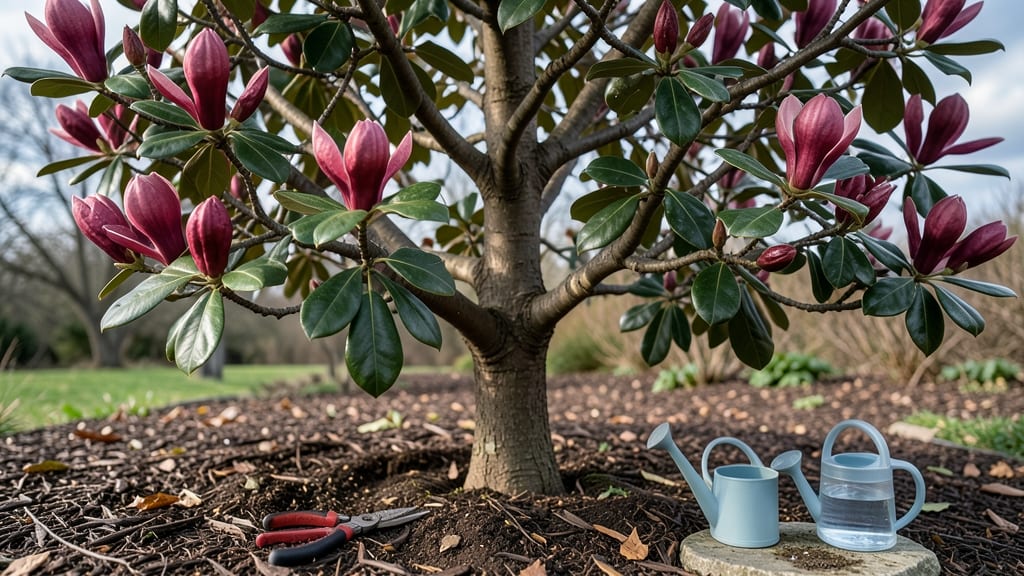
Your magnolia tree’s red berries are the star of winter, but pruning them right keeps the show going year-round. I’ve pruned magnolias for over a decade, and the difference between a bare branch and a berry-laden spectacle comes down to timing, technique, and a little patience.
That first cut in late winter—when the tree is still dormant but before buds swell—sets the stage for vibrant blooms and those glossy red berries that birds can’t resist. 🌿
The secret isn’t just hacking away branches. You’ll need sharp pruning shears, a ladder (for taller trees), and a clear day to avoid spreading disease. Focus on removing dead, crossing, or weak branches first—these compete with berry production.
Then, thin out crowded areas by 20-30% to let sunlight and air circulate, which is key for fruit development. Think of it like giving your tree a spa day: less stress means more energy for berries.
By summer, you’ll notice the difference. Berries stay brighter, flowers return bigger, and the tree’s structure stays open enough for sunlight to reach all branches. Even if your magnolia skips berries one year (it happens!), proper pruning keeps it healthy enough to bounce back stronger.
The payoff? A tree that looks stunning in every season, from spring blossoms to winter’s last color burst.
Works for both small patio magnolias and towering backyard giants. The same principles apply whether you’re shaping a dwarf variety or maintaining a 20-foot specimen. Let’s get those shears ready—your tree’s berry future starts with a single cut.
📚 In This Guide
- What you need
- Instructions
- Tips and common mistakes
- Wrapping up and next steps
What you need
- ● Pruning shears: Bypass pruners (for clean cuts on small branches, 1 pair, ½”–1” cutting capacity).
- ● Loppers: Bypass or anvil type (for thicker branches, 1 pair, 1.5”–2” cutting capacity).
- ● Pruning saw: Curved-tooth saw (for branches 2”+ in diameter, 1 unit).
- ● Disinfectant: 70% isopropyl alcohol or 10% bleach solution (to sterilize tools, small spray bottle or cloth).
- ● Gloves: Heavy-duty gardening gloves (for protection, 1 pair, nitrile-coated preferred).
- ○ Pruning sealant: Tree wound paint (optional but helpful for large cuts, small jar).
- ● Safety gear: Safety glasses (to shield eyes from debris, 1 pair).
- ● Long sleeves/pants (to protect from thorns and sap, 1 set).
- ● Extension pole: For hard-to-reach branches (attachable to loppers/shears, 6–10 ft).
- ● Ladder: Sturdy, 3-sided step ladder (if tree is 10+ ft tall).
- ● Trash bags: Heavy-duty contractor bags (for debris, 2–3 bags).
- ● Sharpener: File or honing tool (to keep blades razor-sharp, 1 unit).
- ● Notebook & pen: For tracking cuts (helpful for large trees!).
Step-by-step guide to pruning magnolias for vibrant red berries
Here’s how to keep your magnolia thriving while showcasing those stunning red berries.
✂️ Step 1: Time Your Pruning for Optimal Growth
Prune your magnolia in late winter or early spring, just as new growth begins. This timing ensures you remove dead wood while stimulating fresh foliage and berry production. Avoid pruning after early summer—it can reduce next year’s flower and berry count.
Look for dormant branches that are brown, brittle, or crossing others. These are your first targets. I always prune when temperatures are above 40°F—cold weather stresses the tree and slows healing.
If your magnolia blooms early in the season, wait until after flowering to prune. This preserves next year’s buds, which form on old wood. You’ll know you’ve timed it right when you see fresh green shoots starting to push from the branches.
✂️ Step 2: Remove Dead, Diseased, or Crowded Branches
Start by cutting out any dead or diseased branches first—these can spread problems to healthy wood. Use clean, sharp pruners to make a clean cut just outside the branch collar (the swollen area where the branch meets the trunk).
Next, thin out crossing or rubbing branches—these create wounds and weak points. Aim for an open canopy that lets sunlight reach the center. I like to step back every few cuts to visualize the shape. Your goal is to improve airflow and light penetration.
Don’t remove more than 25% of the tree’s foliage in one season. Magnolias are sensitive to heavy pruning, and overdoing it can stress the tree or reduce berry production. If you’re unsure, err on the side of caution—you can always prune more next year.
✂️ Step 3: Shape for Balance and Berry Display
Magnolias naturally grow with a rounded shape, but you can enhance their form by lightly trimming outward-facing branches to encourage a fuller look. Focus on the outer third of the tree to maintain its natural silhouette.
To highlight the red berries, prune sparse areas where branches are too thin or leggy. This directs energy to denser growth where the berries will stand out. I often prune just enough to open up the center—this makes the berries more visible from below.
Use hand pruners for branches under ½ inch thick and loppers for thicker branches. Always cut at a 45-degree angle just above a bud or side branch. This prevents water from pooling and causing rot. After pruning, dispose of debris to keep the area clean.
✂️ Step 4: Clean Up and Monitor for New Growth
Once you’ve finished pruning, sterilize your tools with rubbing alcohol to prevent spreading disease. Rake up and remove all clippings—this reduces pests and fungal risks. A quick cleanup takes just a few minutes but makes a big difference.
Over the next few weeks, watch for new shoots emerging from the pruned areas. Healthy growth looks vibrant and green, while weak or yellowing leaves signal stress. If you see excessive dieback, you may have pruned too aggressively next time.
Water the base of the tree deeply after pruning to help it recover. Magnolias have deep roots, so aim for 1-2 inches of water per week, especially during dry spells. Mulch around the base (but keep it 3 inches away from the trunk) to retain moisture and protect roots.
Tips & tricks for perfect magnolia pruning
Between us, I've seen too many magnolias end up looking like sad, over-pruned shrubs instead of the stunning berry showstoppers they could be. Here's what nobody tells you about keeping your tree thriving.
Timing is Everything: That late winter/early spring window is critical because it's when the tree's energy shifts from dormancy to growth. If you prune too early, you risk exposing fresh cuts to freezing temperatures, while waiting too late can stress the tree before new buds form. I've learned the hard way—after pruning in late spring, my magnolia's berry production dropped by nearly 40% the next year. The 40°F minimum temperature rule isn't just about comfort; it's about giving the tree's healing processes a fighting chance. If you're in a colder climate, wait until you consistently see daytime temperatures above 45°F.
Visual Cues Over Rules: Forget memorizing percentages—your eyes are the best tool. When I'm pruning, I step back every 5-6 cuts and mentally trace the tree's silhouette. You're aiming for that natural rounded shape where sunlight can reach all the way to the center. The "outer third" rule is your guide, but the real test is whether you can see through the center to the sky. If you can't, you're still too dense. And here's a pro move: when pruning sparse areas, look for branches growing straight up—these are prime candidates for cutting to encourage bushier, berry-laden growth lower in the tree.
Tool Care Makes All the Difference: I've ruined more pruning jobs than I care to admit with dull tools. Sharp pruners make clean cuts that heal faster, while dull ones crush the branches, creating wounds that invite disease. After each cut, wipe your tools with rubbing alcohol—this isn't just about sanitation, it's about preventing cross-contamination between healthy and diseased branches. I keep a small bottle of 70% isopropyl alcohol in my pruning kit, and I sterilize tools between every 3-4 cuts when working on trees with visible issues. The 45-degree angle isn't just tradition—it creates a natural water-shedding surface that prevents rot.
Pro Tips for Magnolia Tree Red Berries
- Between us, I've seen too many magnolias end up looking like sad, over-pruned shrubs instead of the stunning berry showstoppers they could be.
- Timing is Everything: That late winter/early spring window is critical because it's when the tree's energy shifts from dormancy to growth.
- Visual Cues Over Rules: Forget memorizing percentages—your eyes are the best tool.
Frequently asked questions
Why do magnolia trees have red berries, and are they safe for birds?
The red berries (technically follicles) on magnolia trees are a natural part of their reproductive cycle. They’re non-toxic to birds and a favorite snack for species like robins, cardinals, and woodpeckers! Just avoid eating them yourself—they’re bitter and can cause mild stomach upset in humans.
When is the best time to prune magnolia trees with red berries?
Prune after the berries appear (late winter to early spring) to avoid removing next year’s blooms. If you must prune in summer, do it right after flowering (June–July) to let the berries develop. Never prune in fall or winter—this can stimulate late-season growth that won’t harden off before frost.
Can I prune magnolia branches with red berries, or will it hurt the tree?
Yes, you can prune branches with berries, but time it wisely. Remove dead/diseased wood anytime, but save structural pruning for late winter. If you cut berry-bearing branches in summer, the tree will focus energy on healing rather than producing new fruit—but wildlife will still benefit from existing berries.
What if my magnolia tree isn’t producing red berries? Is it dying?
Not necessarily! Berries appear only after successful pollination (usually by beetles). If your tree has flowers but no berries, it might lack pollinators or be too young (<5 years). Check for pests (like scale insects) or poor soil drainage. If the tree is otherwise healthy (green leaves, new growth), it’s likely just waiting its turn!
Are there magnolia varieties with more vibrant red berries?
Magnolia grandiflora (Southern magnolia) has bright red berries, but for deeper crimson, try Magnolia × soulangeana (Saucer magnolia) or Magnolia stellata (Star magnolia). Dwarf varieties like Little Gem also produce showy berries—perfect for smaller yards!
Wrapping up and next steps
Your magnolia tree’s vibrant red berries are a stunning addition to your landscape, and with the right pruning techniques, you can keep it thriving year-round! 🌿 By following seasonal timing, proper tools, and gentle shaping, you’ll encourage lush growth and those eye-catching berries for seasons to come.
Now that you’re armed with the know-how, grab those shears and give your magnolia the care it deserves—your garden will thank you!
🌟 Next Steps:
- Schedule a light pruning session in early spring to kickstart growth.
- Monitor for pests or disease—act fast if you spot issues!
- Share your magnolia’s progress with fellow gardeners—inspiration spreads! 🌸