Propagation
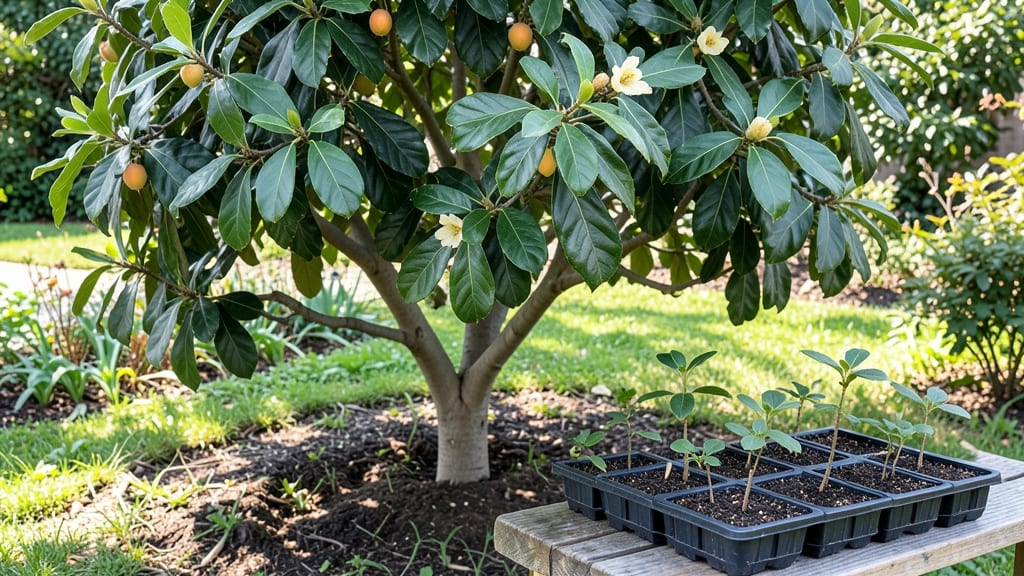
Growing a loquat tree from seed means sweet, citrusy fruit in just three years—if you’re willing to wait. 🌱 The process starts with a single seed from a store-bought loquat, but the real magic happens when you understand how to coax it into life.
My first attempt took 12 weeks to germinate, but once those first leaves appeared, I knew the patience would pay off.
You’ll need a warm spot (70°F or higher), moist paper towels to kickstart germination, and a small pot with well-draining soil. The key is consistency—loquat seeds are fussy about moisture and temperature, but once they sprout, they grow surprisingly fast.
Expect your seedling to reach 6–12 inches in its first year, with thicker stems by spring.
By year three, you could have a small tree bearing tiny, fragrant loquats—though they might not be as sweet as grafted varieties. The real reward is watching it grow from a speck in soil to a productive plant that keeps giving fruit long after most gardens have gone quiet.
Just be ready for a few setbacks along the way.
This method works best in zones 8–11, but even cooler climates can try it in containers and overwinter indoors. The biggest challenge? Germination timing—some seeds take months, while others never sprout. But when it works, the payoff is worth every week of waiting.
📚 In This Guide
- What you need
- Instructions
- Tips and common mistakes
- Wrapping up and next steps
What you need
- ● Loquat seeds: 2–5 fresh, plump seeds (harvested from ripe fruit). Pro tip: 💡 Store seeds in a paper towel in the fridge until ready to plant!
- ● Seed-starting mix: 1 small container (4–6 inches deep) filled with well-draining, sterile potting soil (e.g., 50% peat moss, 30% perlite, 20% vermiculite).
- ● Plastic nursery pots or seed trays: 3–4 small pots (2–3 inches in diameter) with drainage holes.
- ● Clear plastic wrap or humidity dome: To maintain warmth and moisture during germination.
- ● Spray bottle: For gentle watering (avoid over-saturating the soil).
- ● Grow lights or sunny windowsill: A south-facing window or LED grow light (12–16 hours/day) for seedlings.
- ● Fertilizer: Balanced liquid fertilizer (5-5-5 or 10-10-10) diluted to half-strength for young seedlings.
- ○ Pruning shears: Small, sharp pair for future trimming (optional but helpful).
- ● Heat mat (70–80°F) to speed up germination.
- ● pH testing kit (ideal soil pH: 6.0–7.0 for loquats).
- ● Epsom salt (1 tsp per gallon of water) for magnesium boost.
- ● Mulch (e.g., straw or wood chips) for outdoor planting later.
Step-by-step guide to growing a loquat tree from seed
Here's how I've nurtured loquat seedlings into fruit-bearing trees over three seasons—slow but rewarding.
🌱 Step 1: Extract and Prepare the Seeds
Start with fresh loquat fruit—ripe ones from the tree work best. Cut open the fruit and scoop out the large, flat seeds. Rinse them clean under cool water to remove any pulp clinging to the surface. This prevents mold during germination.
Here's the thing—loquat seeds have a hard outer shell that slows water absorption. Soak them in warm water for 24 hours before planting. Change the water halfway through to keep it fresh. You'll see tiny cracks appear in the seed coat by the end—that's your signal they're ready to sprout.
🌱 Step 2: Plant Seeds in a Moist, Well-Draining Mix
Use a sterile seed-starting mix in small pots or a seed tray—loquat seeds need airy soil to prevent rot. Fill containers to 1 inch below the rim with the mix, then press it down lightly to remove air pockets. This ensures even moisture without compacting the soil.
Plant one seed per pot at a depth of ½ inch. Cover it with a thin layer of mix, then mist the surface until damp but not soggy. Loquat seeds germinate best at 70-75°F, so place the pots in a warm spot like on top of a refrigerator or near a heat mat. A clear plastic bag loosely draped over the pots creates a mini greenhouse effect.
☀️ Step 3: Provide Gentle Light and Monitor Germination
Once planted, keep the pots in bright, indirect light—no direct sun yet. Loquat seedlings are sensitive to harsh light early on. You'll notice the first sprouts in 2-4 weeks, but don't be surprised if some take longer. Patience is key here; rushing can lead to weak seedlings.
Water lightly every 2-3 days, just enough to keep the soil moist but not waterlogged. Overwatering is the fastest way to lose a seedling. When the first true leaves appear—those are the second set after the initial cotyledons—move the seedlings to a sunny windowsill or under a grow light for 6-8 hours daily.
🌿 Step 4: Transplant and Encourage Strong Growth
After 4-6 weeks, when seedlings have 3-4 true leaves, transplant them into 4-inch pots filled with a mix of potting soil and perlite (half and half). This improves drainage and prevents root rot. Handle the seedlings gently—they're still delicate. Tap the pot sides to loosen the root ball before transferring.
Place the pots in full sun outdoors or under a grow light for 12-14 hours daily. Loquat trees love warmth and thrive in 65-85°F temperatures. If you notice the leaves turning yellow or the stems stretching too tall, the light isn't strong enough. Adjust the position immediately to avoid leggy growth.
⏰ Step 5: Prune and Care for the First Year
By the end of the first year, your loquat seedling will be 12-18 inches tall. Prune back any leggy or weak branches to encourage bushier growth. Use clean, sharp scissors to make 45-degree cuts just above a leaf node. This redirects energy to stronger branches and sets the tree up for better fruiting later.
Fertilize lightly in spring with a balanced 10-10-10 fertilizer diluted to half strength. Water deeply once a week, allowing the soil to dry slightly between waterings. Loquat trees are drought-tolerant once established, but young seedlings need consistent moisture. Mulch around the base with 2 inches of organic mulch to retain moisture and regulate soil temperature.
Tips & tricks for perfect loquat seedlings
These simple strategies will help you avoid common pitfalls and give your loquat tree the best start possible.
Seed Prep Secret: After soaking your seeds for the full 24 hours, don't rush to plant them immediately. Let them sit in the warm water for an extra 12 hours if you notice the cracks haven't formed yet. This gives the seed coats more time to soften, which dramatically improves germination rates. I've found that seeds with visible cracks sprout within 7-10 days, while those without may take twice as long.
Light Transition Tip: When moving your seedlings to brighter light after the true leaves appear, do it gradually over 3-4 days. Start with just 2 hours of direct sun in the morning, then increase by 1 hour each day. This prevents sunburn on tender leaves, which can happen when seedlings go from indirect to full sun too quickly. I learned this the hard way after losing a batch of seedlings with crispy leaf edges!
Transplanting Technique: The key to successful transplanting at the 4-6 week mark is to water the seedlings thoroughly 24 hours before moving them. This keeps the root ball intact and makes the transfer less stressful. When you tap the pot sides to loosen the roots, do it gently—you're not trying to destroy the root system, just encourage it to spread outward. A good test is if the root ball slides out easily with minimal resistance.
Fertilizer Timing: That first spring fertilization with diluted 10-10-10 fertilizer should happen when you see new growth starting after winter dormancy. Look for fresh leaves emerging or buds forming—this means the tree is ready to use the nutrients. Too early, and the fertilizer won't be utilized properly. I always fertilize right after pruning in early spring, which gives the tree a growth boost before the main growing season begins.
Pro Tips for Loquat Tree From Seed
- These simple strategies will help you avoid common pitfalls and give your loquat tree the best start possible.
- Seed Prep Secret: After soaking your seeds for the full 24 hours, don't rush to plant them immediately.
- Light Transition Tip: When moving your seedlings to brighter light after the true leaves appear, do it gradually over 3-4 days.
Frequently asked questions
Growing a loquat tree from seed is rewarding but comes with its own set of questions—especially for beginners! Here are some of the most common queries to help you navigate the process with confidence.
How long does it take for a loquat seed to sprout?
A loquat seed typically sprouts within 2 to 4 weeks if kept in warm, moist conditions. Plant the seed about half an inch deep in well-draining soil and maintain consistent moisture. Patience is key—some seeds may take longer, especially if they’re fresh or stored improperly.
Will a loquat tree grown from seed produce fruit?
Yes, but it may take 3 to 5 years (or longer) for a seed-grown loquat to bear fruit. Unlike grafted trees, seedlings can be unpredictable—their fruit may differ in size, flavor, or ripening time from the parent plant. For consistent harvests, consider grafting later or buying a named cultivar.
What’s the best climate for growing a loquat tree from seed?
Loquat trees thrive in USDA Zones 8–10, where winters are mild (above 20°F/-7°C). They tolerate brief cold snaps but struggle in freezing conditions. If you live in a colder zone, grow the tree in a container and move it indoors during winter or plant it against a south-facing wall for protection.
Can I grow a loquat tree indoors from seed?
Yes! Start seeds indoors in spring using a sunny windowsill or grow lights. Keep the soil warm (around 70°F/21°C) and provide 6+ hours of light daily. Once seedlings are 6 inches tall, transplant them outdoors after the last frost. A dwarf variety (like ‘Big Jim’) may adapt better to indoor life long-term.
Why isn’t my loquat seedling growing?
Slow growth often stems from poor drainage, low light, or overwatering. Check the soil—it should stay moist but not soggy. Ensure the seedling gets full sun (6+ hours/day) and fertilize lightly with a balanced 10-10-10 mix every 2–3 months. Yellow leaves? It might need more sunlight or less water.
Wrapping up and next steps
Growing a loquat tree from seed is a rewarding journey that blends patience with the joy of nurturing life from scratch. 🌱 With the right care—sunlight, well-draining soil, and consistent watering—you can enjoy sweet, fragrant fruit in just a few years.
Whether you're a seasoned gardener or a beginner, this project is a testament to nature’s generosity.
Ready to take the next step? Start with one seed today—your future loquat harvest awaits! Share your progress with fellow gardeners or experiment with grafting to speed up fruiting. Happy growing! 🌟