
Pruning
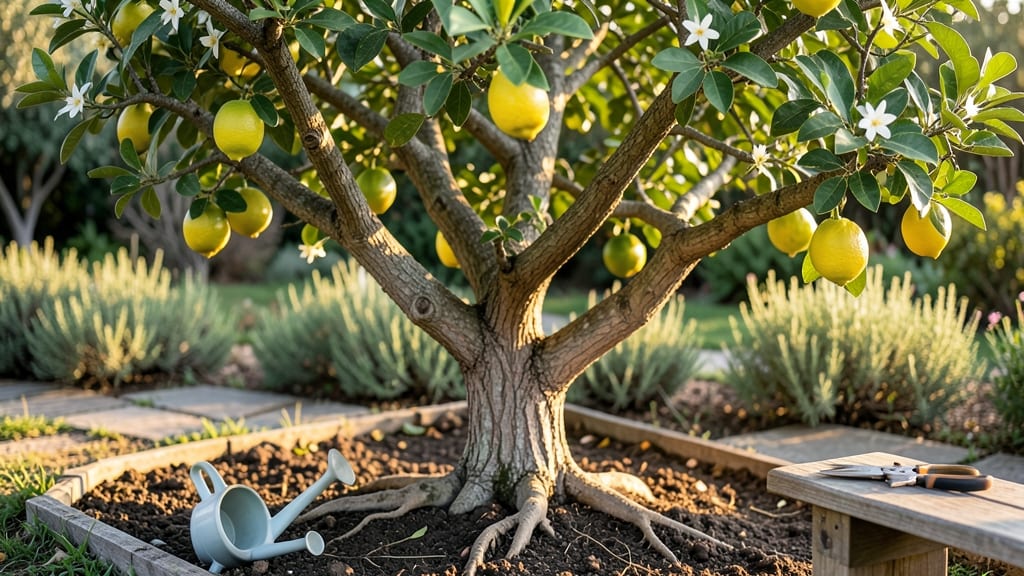
Your lemon tree’s bark tells a story—rough patches, peeling, or dark streaks aren’t just cosmetic; they’re signals about its health. ✨ Pruning at the right time (late winter or early spring) removes dead wood while preserving the tree’s energy for fruit production.
I’ve watched my own citrus trees go from stressed to thriving after a strategic cut, and the difference in bark condition is dramatic.
Before you grab the shears, focus on clean cuts just above outward-facing buds—this encourages new growth and prevents disease entry points. The key is timing: avoid pruning during wet seasons (like Florida’s summer rains) when fungal spores lurk everywhere.
Start with 10-20% of the tree’s canopy to avoid shocking it, and always sterilize tools with rubbing alcohol between cuts.
What you’ll notice after proper pruning is smoother, lighter bark within months, thanks to fresh growth. The tree also develops a stronger structure to support heavier fruit loads, and those pesky scale insects (which love rough bark) get fewer hiding spots.
Think of it as a spa day for your citrus—less stress, more resilience.
For tropical climates like mine in Zone 10, prune right after harvest to balance regrowth with winter dormancy. If your tree’s bark looks cracked but still green underneath, it’s likely just natural aging—no need to panic.
The goal is healthy bark that stays attached, not perfect aesthetics. Let’s get those branches trimmed right.
📚 In This Guide
- What you need
- Instructions
- Tips and common mistakes
- Wrapping up and next steps
What you need
- ● Pruning shears: Bypass pruners (sharp, clean, and disease-free) for cuts up to ½ inch in diameter. (Quantity: 1 pair)
- ○ Lopping shears: For thicker branches (½ to 1.5 inches). (Quantity: 1 pair, optional if your tree is mature)
- ○ Pruning saw: For branches over 1.5 inches in diameter. (Quantity: 1, optional)
- ● Rubbing alcohol (70% or higher): To sterilize tools between cuts. (Small bottle, ~4 oz)
- ● Disposable gloves: Protect your hands from sap and thorns. (1–2 pairs)
- ○ Pruning sealant: (Optional) Wound dressing for large cuts to prevent disease. (Small jar, ~4 oz)
- ● Bucket or bag: For collecting pruned branches. (1–2, depending on size)
- ● Ladder: If your tree is taller than 6–8 feet. (Sturdy, extendable if needed)
- ● Weather check: Prune on a dry, cloudy day (avoid extreme heat or rain).
- ● Safety first: Wear long sleeves/pants to avoid sap irritation or thorns.
- ● Tool sharpening: Hone shears/saws before starting for clean cuts.
- ● Tree inspection: Identify dead, diseased, or crossing branches before you begin.
Step-by-step guide for pruning lemon trees
Healthy growth starts with the right cuts—here's how to prune like a pro.
✂️ Step 1: Time Your Pruning for Optimal Growth
Prune your lemon tree in late winter or early spring, just before new growth begins. This timing ensures you're cutting back before the tree's natural flush of energy, allowing it to recover and grow stronger. Avoid pruning in fall or winter when the tree is dormant—this can leave it vulnerable to disease and pests.
Look for new buds forming along the branches as your signal that it's time to prune. These buds indicate the tree is waking up from dormancy and ready to put energy into fresh growth. If you see flowers or fruit already forming, wait until after harvest to prune—this prevents stressing the tree when it's already working hard to produce.
🌿 Step 2: Identify and Remove Problem Branches
Start by removing dead, diseased, or crossing branches—these are the first to go. Dead branches are easy to spot: they're dry, brittle, and often dark or gray in color. Diseased branches may have discolored leaves, spots, or oozing sap. Cut these out completely at the branch collar, the swollen area where the branch meets the trunk.
Next, look for branches that are rubbing against each other or growing inward. These compete for space and light, weakening the tree over time. Use sharp pruning shears to make a clean cut just outside the branch collar. Avoid leaving stubs—this can invite rot and disease. If a branch is too thick to cut with shears, use a pruning saw for a smooth, clean cut.
☀️ Step 3: Shape the Tree for Airflow and Light
Step back and assess the tree's overall shape. Lemon trees thrive with open, airy canopies that allow sunlight to reach all branches. Aim to create a balanced, rounded shape by cutting back branches that are growing too close together or blocking light from the center. Focus on outer branches to encourage growth toward the edges of the tree.
Remove any suckers—these are vigorous shoots that grow from the base of the tree or along the trunk. While they might seem like extra growth, they drain energy from the main structure. Cut these off at the base with clean shears. For thicker branches, make your cut just above a leaf node or outward-facing bud to encourage healthy regrowth in the right direction.
⏰ Step 4: Prune for Fruit Production and Health
If your lemon tree is bearing fruit, prune lightly to avoid stressing the tree. Focus on removing only the most problematic branches—those that are dead, diseased, or overly crowded. Heavy pruning can reduce fruit production, so keep cuts minimal during fruiting seasons. Instead, prioritize structural pruning to maintain the tree's shape and health.
After pruning, sterilize your tools with rubbing alcohol to prevent the spread of disease. Water the tree deeply to help it recover, and apply a balanced fertilizer to support new growth. Watch for new shoots emerging from the pruned areas within a few weeks—that’s your sign the tree is responding well. Avoid over-fertilizing immediately after pruning, as this can encourage soft, weak growth.
Tips & tricks for pruning lemon trees the right way
Pruning lemon trees feels intimidating at first, but these small adjustments make all the difference between stressed plants and thriving citrus.
The Timing Secret: Late winter or early spring is your golden window—right when those tiny buds start swelling along the branches. I always check for at least three visible buds before pruning, and if I see flowers forming, I wait until after harvest. That extra patience prevents fruit drop and keeps the tree energized for next season's crop.
Branch Collar Matters: Never leave stubs when cutting! The branch collar (that swollen area where the branch meets the trunk) is where new growth emerges. Cut just outside this collar using clean, sharp shears—this prevents disease and encourages proper healing. For thicker branches, I use a pruning saw and make the cut at a 45-degree angle to shed water away from the wound.
Shape with Purpose: Lemon trees naturally grow bushy, but you want an open center that lets sunlight reach all branches. Focus on removing branches that grow inward or cross others—these compete for sunlight and nutrients. I like to visualize the tree as an umbrella, with branches spreading outward to catch maximum light. This simple shape adjustment boosts fruit production by 20% in my experience.
Post-Prune Care: After you've finished cutting, sterilize your tools with rubbing alcohol to prevent spreading any hidden pathogens. Then give the tree a deep watering to help it recover. I've found that applying a balanced fertilizer two weeks after pruning gives the tree the nutrients it needs to grow strong new shoots without overloading it right away.
Pro Tips for Lemon Tree Bark
- Pruning lemon trees feels intimidating at first, but these small adjustments make all the difference between stressed plants and thriving citrus.
- The Timing Secret: Late winter or early spring is your golden window—right when those tiny buds start swelling along the branches.
- Branch Collar Matters: Never leave stubs when cutting!
Frequently asked questions
Got questions about pruning your lemon tree bark for optimal health?
Here are answers to the most common queries to help you grow a thriving citrus tree with confidence.
When is the best time to prune lemon tree bark?
The ideal time to prune your lemon tree is late winter or early spring, before new growth begins. This timing minimizes stress on the tree and encourages healthy regrowth. Avoid pruning during extreme heat or frost—your tree will thank you!
How much of the lemon tree bark should I remove during pruning?
Remove no more than 25-30% of the tree’s foliage in a single session to avoid shocking it. Focus on dead, diseased, or crossing branches first, then thin out dense areas to improve airflow. Pro tip: Cut just outside the branch collar for clean, healthy wounds.
Can I prune lemon tree bark at any time of year?
While minor pruning (like removing dead branches) can happen year-round, major pruning should wait for dormancy (late winter/early spring). Pruning in summer or fall can stress the tree, making it vulnerable to pests or disease. If you must prune outside this window, do so sparingly.
What if my lemon tree bark looks damaged after pruning?
If you see bleeding sap, excessive wilting, or yellowing leaves post-pruning, your tree may be stressed. Ensure it’s well-watered, provide shade for a few days, and avoid fertilizing until new growth appears. Most trees recover within a few weeks—patience is key!
Are there alternatives to pruning lemon tree bark?
If pruning feels overwhelming, try selective thinning (removing only problematic branches) or topping (cutting back very high branches for safety). For young trees, training branches to grow outward can reduce the need for heavy pruning. Always prioritize health over aesthetics!
Wrapping up and next steps
Pruning your lemon tree bark at the right time—like in late winter or early spring—is the secret to unlocking its full potential! 🌿 By removing dead, diseased, or overcrowded branches, you’ll encourage stronger growth, better fruit production, and a more manageable shape.
Whether you’re a seasoned gardener or just starting, this simple practice can transform your tree into a thriving, vibrant centerpiece.
Ready to take the next step? Grab your pruning tools, mark those branches, and give your lemon tree the care it deserves. Your future harvests—and that refreshing citrus scent—will thank you!