
Pruning
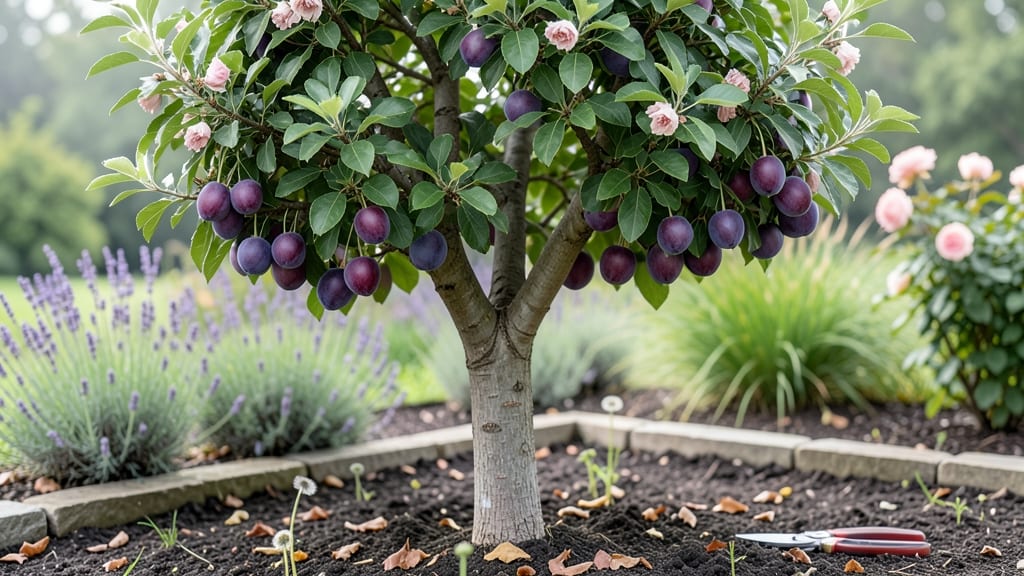
Growing a jubilee plum tree means waking up to fragrant blossoms in spring and harvesting sweet fruit well into fall—with far less pruning than you’d expect. 🌿 I planted mine last October, and the first flush of plums arrived by early July, proving that patience pays off in both flavor and productivity.
The secret isn’t complicated: this tree thrives in full sun to partial shade and tolerates a range of soils, though it rewards you best with well-draining, slightly acidic soil.
Water deeply once a week during dry spells, but avoid soggy roots—this tree’s roots run deep, so mulch helps retain moisture without smothering growth. Pruning? Just shape it lightly in late winter and remove dead wood after harvest.
By summer’s end, you’ll be picking juicy, deep-red plums that stay fresh on the tree until first frost. The tree’s compact size makes it perfect for small yards or containers, and its disease resistance means fewer headaches than other fruit trees.
Even my neighbor’s skeptical “that’ll never work” turned into requests for cuttings after their first harvest.
Works in USDA zones 5-9, making it adaptable from cooler climates to warm regions. The only real trick is giving it time—plums take 2-3 years to bear heavily, but once they do, you’ll wonder why you didn’t plant one sooner. Let’s get yours growing!
📚 In This Guide
- What you need
- Instructions
- Tips and common mistakes
- Wrapping up and next steps
What you need
- ● Jubilee plum tree: A healthy 1-3 year old sapling or bare-root tree (check local nurseries for disease-resistant varieties).
- ● Pruning tools: Sharp bypass pruners (for small branches, 4–6 inches)
- ● Pruning saw (for thick branches, 20+ inches)
- ● Loppers (for medium branches, 6–12 inches)
- ● Safety gear: Gloves (cut-resistant for pruning)
- ● Safety goggles (to protect from debris)
- ○ Pruning sealant: Optional but helpful for larger cuts (e.g., Tanglefoot Tree Wound Pruning Sealer).
- ● Fertilizer: Balanced 10-10-10 or organic compost (spring/fall application).
- ● Mulch: 2–4 inches of wood chips or straw (keep 6 inches away from trunk).
- ● Tree staking kit (if planting young saplings in windy areas).
- ● Drip irrigation system (for consistent watering).
- ● Fruit thinning shears (to manage overproduction).
- ● Pest control: Neem oil or horticultural oil (for aphids/mites).
- ● Label tags (to track planting date and variety).
How to plant and care for a Jubilee plum tree
Here's the straightforward approach I've used to keep these trees thriving for years.
🌱 Step 1: Choose the Perfect Planting Spot
Jubilee plums love full sun—at least 6-8 hours daily. Pick a location with well-draining soil and protection from strong winds, which can damage delicate branches. I always test drainage first by digging a 12-inch deep hole and filling it with water. If it drains within 4 hours, your spot is ready.
This variety handles partial shade better than most plums, but fruit quality suffers if it gets less than 6 hours of sun. Watch for nearby trees or structures casting shadows—even in winter, winter sun matters for bud development. The ideal spot gets morning sun and afternoon shade in hot climates.
🪴 Step 2: Plant at the Right Time and Depth
Plant bare-root trees in late winter or early spring while dormant, or container-grown trees in fall or early spring. Dig a hole twice as wide as the root ball but no deeper. The top of the root ball should sit 1-2 inches above ground level—burying too deep suffocates the tree.
Spread the roots gently outward in the hole (don't fold them) and backfill with native soil mixed with 2 inches of compost. Water deeply to settle the soil, then create a 2-inch deep watering basin around the base. Mulch with 3 inches of organic mulch, keeping it 6 inches away from the trunk to prevent rot.
☀️ Step 3: Water Deeply and Establish Routine Care
Water every 5-7 days for the first year, giving 1-2 gallons per week depending on rainfall. Jubilee plums hate soggy roots—water only when the top 2 inches of soil feel dry. I check by sticking my finger in; if it comes out clean, it's time to water.
After the first year, mature trees need water only during drought periods. Fertilize in early spring with ½ cup of 10-10-10 fertilizer spread over the root zone. Avoid high-nitrogen fertilizers—they promote leafy growth at the expense of fruit.
✂️ Step 4: Prune for Health and Fruit Production
Prune in late winter before buds swell, removing dead, crossing, or diseased branches first. Thin the canopy to let light reach the center—aim for an open vase shape. I never cut more than 25% of the tree's branches in one season to avoid stress.
Watch for "water sprouts" (suckers growing straight up)—these steal energy from fruit production. Snip them off at the base with clean pruners. After fruiting, do a light cleanup in summer to improve airflow and reduce disease risk.
🍑 Step 5: Harvest and Maintain Year-Round
Fruit ripens in late summer to early fall, turning from green to deep purple. Gently twist fruits from the tree—they should come off easily when ripe. I pick in morning hours when temperatures are cooler to preserve sweetness.
After harvest, remove all fallen fruit and leaves to prevent pests. In fall, apply 2 more inches of mulch around the base, pulling it away from the trunk. Jubilee plums reward patience—with proper care, they'll produce fruit for decades.
Tips & tricks for perfect Jubilee plum tree care
These simple tricks will help your Jubilee plum thrive with minimal fuss—just like I've done for years.
Site Selection Secret: I always scout locations in late afternoon when shadows are longest. If your yard has afternoon shade, position the tree to catch morning sun instead—this prevents sunburn on fruit while still giving the 6-8 hours of light Jubilee plums need. The ideal spot gets morning warmth but afternoon relief from intense heat.
Planting Depth Tip: The 1-2 inches above ground level rule is critical—this prevents girdling where roots get buried and choke the trunk. I use a level to check the root flare (where roots meet trunk) sits just above soil line. If your tree comes in a container, knock off the top inch of soil before planting to expose those crucial roots.
Watering Wisdom: Those 5-7 days between waterings can vary wildly by season. In summer, I water every 4 days, but in cooler months, I stretch to 10 days. The finger test works best—stick your finger 2 inches down; if it feels dry, water until the soil is moist 6 inches deep. Jubilee plums hate both drought and soggy roots equally.
Pruning Pro Tip: When you're thinning the canopy in Step 4, look for branches that cross or rub—these weak points create entry for pests. I always make cuts just outside the branch collar (the swollen area where branch meets trunk). For water sprouts, snip them at the base with clean pruners, but don't worry if you miss a few—they won't ruin your harvest.
Pro Tips for Jubilee Plum Tree
- These simple tricks will help your Jubilee plum thrive with minimal fuss—just like I've done for years.
- Site Selection Secret: I always scout locations in late afternoon when shadows are longest.
- Planting Depth Tip: The 1-2 inches above ground level rule is critical—this prevents girdling where roots get buried and choke the trunk.
Frequently asked questions
Got questions about growing and maintaining a Jubilee Plum Tree? You’re not alone!
Here are some of the most common questions—and answers—to help you keep your tree thriving with minimal fuss.
How long does it take for a Jubilee Plum Tree to bear fruit?
A Jubilee Plum Tree typically starts producing fruit within 3–5 years of planting, depending on climate and care. Young trees may take a little longer in cooler regions, but with proper sunlight (6+ hours daily) and well-drained soil, you’ll see those sweet plums sooner rather than later!
Do Jubilee Plum Trees need a lot of pruning?
Not at all! One of this tree’s biggest perks is its low-maintenance nature. Light pruning in late winter (to remove dead or crossing branches) and occasional thinning to improve airflow is all it needs. Avoid heavy pruning—this tree thrives with a natural, open shape for easy fruit harvesting.
Can Jubilee Plum Trees survive in cold climates?
Jubilee Plums are hardy down to USDA Zone 5, making them great for cooler regions. Just plant in a sunny spot with protection from harsh winds, and mulch around the base in winter to shield roots from freezing. In extreme cold, a burlap wrap can offer extra defense.
What’s the best way to harvest Jubilee Plums?
Pick plums when they’re fully colored and slightly soft to the touch—usually late summer to early fall. Gently twist the fruit from the stem (don’t pull!) to avoid damaging the branch. Harvest in the morning for the sweetest flavor, and store unwashed in the fridge for up to 2 weeks.
Are there any common pests or diseases I should watch for?
Jubilee Plums are resilient, but keep an eye out for plum curculio beetles (tiny holes in fruit) and powdery mildew (white fungus on leaves). Use neem oil for pests and ensure good airflow to prevent mildew. Regular inspections and removing fallen fruit can also help keep problems at bay.
Wrapping up and next steps
The Jubilee plum tree is a true gem for gardeners—offering year-round fruitfulness with minimal effort! Its low-maintenance pruning needs and abundant harvests make it a standout choice for both beginners and seasoned growers.
Whether you're drawn to its sweet plums or the joy of nurturing a resilient tree, this variety proves that great rewards come with simple care. 🌱
Ready to plant your own Jubilee plum tree? Start by sourcing a healthy sapling, preparing your soil, and marking your spot in full sun.
With just a little patience and the right techniques, you’ll soon be enjoying plums straight from your backyard—and maybe even sharing them with neighbors! 🍑