
Trees
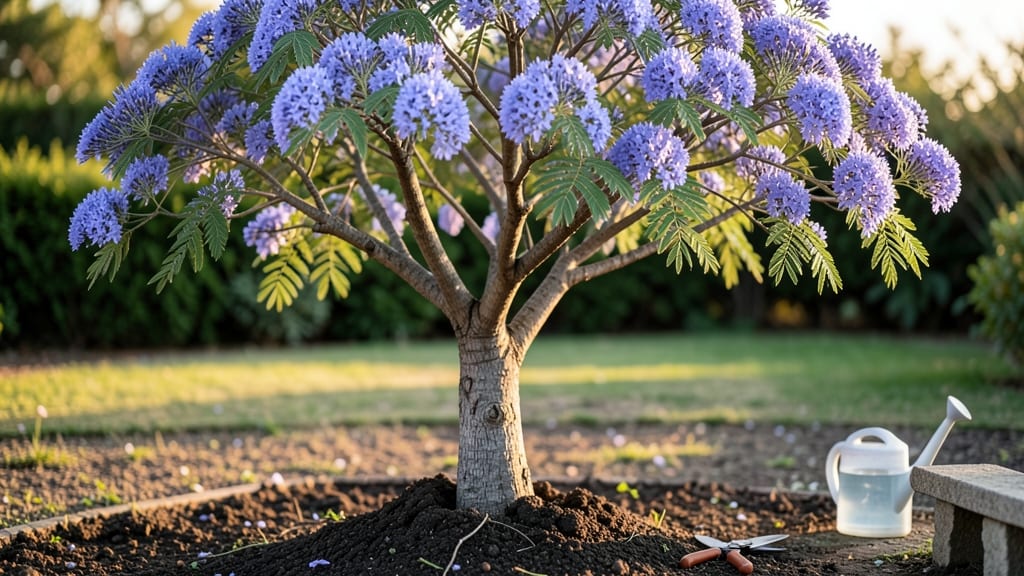
Buenos Aires wouldn’t be the same without its jacaranda trees, their lavender-blue blooms turning the city into a dreamy purple wonderland every spring. 🌿 I’ve walked under those cascading canopies countless times, and there’s nothing like the way they transform even the most ordinary street into a postcard-worthy scene.
What makes them perfect for urban gardens isn’t just their breathtaking color—it’s how they thrive in Buenos Aires’ mild climate, adapting effortlessly to city life while still demanding minimal fuss.
The secret to their success here lies in their placement: plant them where they’ll get plenty of sunlight but also some afternoon shade to protect the delicate blooms from the harshest winds.
They’re drought-tolerant once established, but a deep watering every few days during their first year helps them take root like a dream. Their fast growth means you’ll see that iconic canopy forming in just a few seasons, making them a foolproof choice for anyone wanting instant curb appeal.
Imagine your garden in full bloom: the air thick with the sweet, honey-like scent of jacarandas, their branches heavy with flowers that attract hummingbirds and butterflies. Pair them with native grasses like pampas grass or bougainvillea for a showstopping display that lasts from September through November.
The best part? Their deep roots mean they won’t compete with nearby plants, leaving room for shrubs or perennials to fill in the gaps.
Local gardeners swear by pruning lightly after the blooms fade to encourage denser growth, and a light fertilizer in early spring keeps them thriving. Whether you’re lining a sidewalk or anchoring a backyard, jacarandas bring Buenos Aires’ magic to your own space—just like the city’s most famous parks.
Ready to plant your own slice of purple paradise?
📚 In This Guide
- What you need
- Instructions
- Tips and common mistakes
- Wrapping up and next steps
What you need
- ● Jacaranda Tree: 1 sapling (3–5 ft tall) or seeds (from a reputable nursery)
- ● Species recommendation: Jacaranda mimosifolia (most common in Buenos Aires)
- ● Soil & Amendments: Well-draining soil mix (50% native soil, 30% compost, 20% perlite/sand)
- ● 1–2 lbs of slow-release fertilizer (balanced 10-10-10 or citrus-specific)
- ● Planting Tools: 1 shovel or trowel
- ● 1 garden fork (for loosening soil)
- ● 1 watering can or hose with a gentle spray nozzle
- ● 1 mulching material (wood chips or straw, 2–3 inches thick)
- ● Location & Support: Full-sun spot (6+ hours of direct sunlight daily)
- ● Sturdy tree stake (if planting in windy areas)
- ● Drip irrigation system (for consistent watering)
- ● Tree guard or protective barrier (to deter pets/animals)
- ● Pruning shears (for shaping young branches)
- ● Soil pH tester (jacarandas prefer slightly acidic to neutral, 6.0–7.0)
- ● Local climate guide (Buenos Aires’ mild winters vs. your region’s frost risk)
How to plant and care for jacaranda trees in Buenos Aires climates
Here’s how to bring that signature purple canopy to your Buenos Aires garden.
🌱 Step 1: Choose the Right Location and Soil
Jacarandas thrive in full sun—at least 6 hours daily—so pick a spot with southern or western exposure. In Buenos Aires, where summers can be hot and dry, avoid low-lying areas where water pools after rain. The soil should drain well; if yours is heavy clay, mix in 2-3 inches of organic compost to loosen it up.
I always dig a hole twice as wide as the root ball but only as deep. This encourages roots to spread horizontally, which jacarandas love. Tap the soil lightly after planting to remove air pockets, but don’t compact it—roots need room to breathe. The first few weeks are critical; if the soil stays soggy for more than a day after watering, you’ve got drainage issues.
🪴 Step 2: Plant Your Jacaranda with Proper Spacing
Space jacarandas 20-25 feet apart for mature canopies to develop without crowding. In urban Buenos Aires gardens, this might mean planting near property lines—but give them room to grow. Dig a hole wide enough to accommodate the root ball without bending roots, then place the tree so the top of the root ball sits 1-2 inches above ground level.
Backfill with native soil mixed with compost, firming gently as you go. Water deeply right after planting to settle the soil and eliminate air gaps. Jacarandas establish roots quickly in warm climates, so you’ll see new growth within 4-6 weeks if conditions are right. Mulch around the base with 2-3 inches of organic mulch, keeping it 6 inches away from the trunk to prevent rot.
☀️ Step 3: Water and Fertilize for Strong Growth
Water newly planted jacarandas 2-3 times per week for the first month, then taper to once a week once established. Buenos Aires summers demand deep watering—aim for 1-2 gallons per watering to encourage deep root growth. Overwatering is the biggest mistake; yellowing leaves signal too much moisture.
Fertilize lightly in spring with a balanced, slow-release fertilizer (10-10-10 ratio). Jacarandas are drought-tolerant once mature, but young trees benefit from regular feeding. Avoid heavy nitrogen—it promotes leafy growth at the expense of flowers. You’ll notice buds forming in late winter if the tree is happy; these will bloom into those iconic purple cascades by spring.
✂️ Step 4: Prune for Shape and Health
Prune jacarandas in late winter or early spring before new growth starts. Remove dead, diseased, or crossing branches first—this keeps the tree open and airy. Thin out crowded areas to improve airflow, which reduces fungal risks. Never prune more than 25% of the canopy at once; jacarandas respond poorly to heavy cuts.
Shape the tree gradually over years. Buenos Aires’ strong winds can stress young branches, so reinforce any large limbs with tree ties if needed. The goal is a naturally balanced shape—jacarandas bloom best when they’re not over-pruned. After pruning, apply a thin layer of mulch to retain moisture and suppress weeds.
Tips & tricks for perfect jacaranda trees in Buenos Aires gardens
Here's what I've learned after watching these trees transform neighborhoods—small details make all the difference.
Sunlight Strategy: That 6-hour minimum of sunlight is non-negotiable, but Buenos Aires' intense afternoon sun can be tricky. If planting near a window, rotate the pot every few days so all sides get equal exposure. For container-grown trees, place them where they'll receive morning sun and afternoon shade during peak summer months—this prevents leaf scorch while still encouraging flowering.
Soil Science: The 2-3 inches of organic compost recommendation is perfect for amending heavy clay, but don't stop there. Mix in some perlite or coarse sand to create that perfect drainage. I've seen jacarandas struggle in Buenos Aires' clay-heavy soils—this simple adjustment can mean the difference between a thriving tree and one that fights for survival. Test your soil's pH too; jacarandas prefer slightly acidic to neutral soil (6.0-7.0).
Planting Precision: When you're placing that root ball with just 1-2 inches above ground level, here's my pro tip: Use a level to ensure it's perfectly horizontal. Uneven planting causes water to pool on one side, which leads to root rot. Also, after backfilling, press down gently with your hands—this eliminates air pockets without compacting too much. Think of it like giving the roots a gentle handshake to welcome them home.
Watering Wisdom: Those 1-2 gallons per watering during the first month might seem like a lot, but it's essential for establishing deep roots. I've found that watering deeply less frequently encourages roots to grow downward where they'll find moisture naturally. For established trees, let the top 2-3 inches of soil dry out between waterings—jacarandas are surprisingly drought-tolerant once mature.
Pro Tips for Jacaranda Trees Buenos Aires
- Here's what I've learned after watching these trees transform neighborhoods—small details make all the difference.
- Sunlight Strategy: That 6-hour minimum of sunlight is non-negotiable, but Buenos Aires' intense afternoon sun can be tricky.
- Soil Science: The 2-3 inches of organic compost recommendation is perfect for amending heavy clay, but don't stop there.
Frequently asked questions
Got questions about Buenos Aires’ jacaranda trees? You’re not alone!
Here are some of the most common queries—and their answers—to help you make the most of these stunning purple giants in your urban garden.
When is the best time to plant a jacaranda tree in Buenos Aires?
The ideal time to plant a jacaranda tree is during late winter or early spring (August–September). This gives the roots time to establish before the hot summer months. Avoid planting in peak summer (December–February) when temperatures can stress young trees.
How often should I water a newly planted jacaranda tree?
Water your jacaranda tree deeply 2–3 times per week for the first month after planting. Once established (after 6–12 months), reduce watering to once a week during dry spells. Overwatering can harm roots, so always check soil moisture before watering.
Why aren’t my jacaranda flowers blooming as much as they should?
Jacarandas need full sun (6+ hours daily) and well-draining soil to bloom abundantly. If your tree isn’t flowering well, check for:
- Shade: Move it to a sunnier spot.
- Overwatering: Reduce frequency and ensure proper drainage.
- Nutrients: Fertilize lightly in spring with a balanced, phosphorus-rich fertilizer.
Are jacaranda trees safe for urban environments with limited space?
Yes! While jacarandas can grow 30–40 feet tall, they adapt well to container gardening or pruned as small trees. Opt for dwarf varieties like Jacaranda mimosifolia ‘Blue Skies’ if space is tight. Just ensure they have 6+ feet of clearance from structures to avoid branch damage.
What’s the best alternative if I can’t grow a jacaranda in my climate?
If Buenos Aires’ climate isn’t ideal (e.g., frost-prone areas), consider these purple-blooming alternatives:
- Lagerstroemia (Crape Myrtle) – Drought-tolerant, vibrant blooms.
- Bougainvillea – Thrives in heat, low-maintenance.
- Catalpa – Fast-growing, fragrant flowers.
Are jacaranda trees toxic to pets or children?
Jacaranda trees are non-toxic to both pets and humans, according to the ASPCA. However, ingesting large amounts of leaves or seeds may cause mild stomach upset. Always supervise curious pets or kids near trees!
Wrapping up and next steps
Jacaranda trees in Buenos Aires aren’t just a sight—they’re a celebration of nature’s beauty in the heart of the city! Their stunning purple blooms transform urban landscapes into dreamy canopies, offering shade, pollinator support, and a touch of magic for gardeners and passersby alike.
Whether you’re dreaming of planting one in your own yard or simply admiring them on a stroll, these trees remind us how small choices can create big impacts.
Ready to bring a piece of Buenos Aires’ charm to your space? Start by researching local nurseries, checking soil conditions, and planning your tree’s perfect spot. Your future purple paradise awaits! 🌸